

603 Basement Solutions logo

Radon Mitigation Hampton Falls NH

Radon is a radioactive gas that occurs naturally as a byproduct of uranium decay. It’s colorless, odorless, and tasteless, making it difficult to detect without specialized testing. Hampton Falls, NH, like many areas in New Hampshire, is susceptible to elevated radon levels due to the region’s unique geology. Prolonged exposure to high radon levels can pose serious health risks, including an increased chance of developing lung cancer. Addressing radon in homes and businesses is a critical step in ensuring safety and well-being.

Real People - Real Great Results

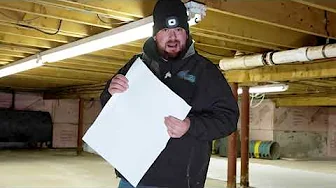
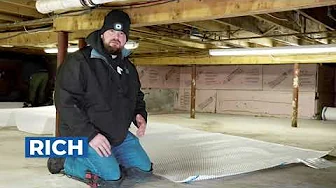
Crawl Space Video Playlist

4 Videos

What Is Radon and Why Does It Matter?

Radon is a naturally occurring, radioactive gas formed from the decay of uranium in soil, rock, and water. You won’t see it, you won’t smell it, and you definitely won’t taste it, but given enough time, it can make its presence known in ways you’d rather it didn’t. As uranium breaks down deep underground, radon seeps upward, hitching a ride through cracks in your home’s foundation, gaps around pipes, sump pumps, or even through well water. Once inside, it gets trapped, and that’s where the trouble begins.

So why should you care? Because radon doesn’t just sit there—it silently builds up to dangerous levels. The health risks are real. Prolonged exposure to high concentrations of radon can lead to lung cancer. In fact, the EPA calls it the second-leading cause of lung cancer in the U.S., right after smoking. For non-smokers, it’s the number one cause. That’s not just a scary statistic; it’s a wake-up call. Radon is a threat you can’t ignore, and understanding its nature is your first step to tackling it head-on.

603 Basement Solutions

Radon Levels in Hampton Falls, NH

Hampton Falls isn’t just postcard-pretty; it’s also sitting on a geological foundation that makes radon a real concern. The granite-heavy bedrock in this region is a prime culprit. Granite contains trace amounts of uranium, which breaks down over time, releasing radon gas. Throw in New England’s freeze-thaw cycle causing cracks in foundations, and you’ve got a wide-open invitation for radon to seep into homes and businesses.

Testing trends in the area paint a clear picture: elevated radon levels aren’t just an occasional find—they’re commonplace. Home radon tests in and around Hampton Falls often reveal levels exceeding the EPA’s action guideline of 4 pCi/L (picocuries per liter). Businesses and municipal buildings aren’t off the hook either; larger footprints can mean more potential entry points for radon to sneak in.

The takeaway? Radon isn’t something to assume you’re safe from. Regular testing, whether with a quick short-term test or a more comprehensive long-term evaluation, isn’t just a nice-to-have—it’s a must. Skipping it is like ignoring a smoke detector that’s been chirping; you might get lucky, but the stakes aren’t worth the gamble.

Testing for Radon

Testing for radon isn’t complicated, but it’s something you need to approach with intent. The first step? Deciding how you’ll test. You’ve got two main options: short-term and long-term tests. Short-term tests typically take 2-7 days and are great for getting a quick snapshot of radon levels, especially if you’re looking for immediate answers. On the other hand, long-term tests, which last up to 90 days, give a more accurate average of radon exposure over time. Why the difference? Radon levels can fluctuate due to weather, seasons, and daily activity in the home.

For most homeowners, starting with a do-it-yourself short-term test kit is common. You can grab one at a hardware store or order online for about $15-$30, making it a low-barrier first step. Place the kit in the lowest livable area of your home—think basements or ground-level floors—and be mindful of testing during closed-house conditions. That means keeping windows and exterior doors shut as much as possible.

But here’s the kicker: for high-stakes accuracy, or if you get questionable results, professional testing is the way to go. Certified radon professionals use calibrated equipment and know how to measure without introducing user error. If your home has unique features—like a partial basement, crawl space, or slab foundation—a professional knows how to adapt testing methods to suit each scenario.

So, you’ve tested—now what? Understand your results. Radon is measured in picocuries per liter (pCi/L). If your levels are below 2 pCi/L, you’re in the clear. Between 2 and 4 pCi/L, it’s a gray zone; you should give mitigation serious thought. Anything 4 pCi/L and above? You’re officially in the danger zone and should act immediately. And don’t just take one test as gospel. If your short-term results were borderline, a follow-up long-term test can provide clarity.

The bottom line: testing is where radon awareness meets action. It’s simple, low-cost, and could make a significant difference for your family’s health. Skip it, and you’re rolling the dice. Do it, and you’re armed with information to keep your home safer.

Radon mitigation by 603 Basement Solutions in New Hampshire

Radon Mitigation Methods

When it comes to radon, you don’t mess around. High levels of this gas demand immediate action, and radon mitigation isn’t a one-size-fits-all solution—it’s about using the right tool for the job.

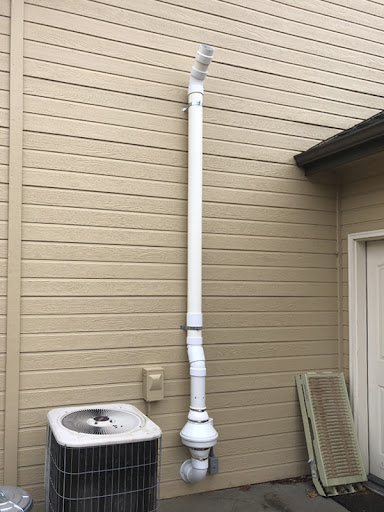
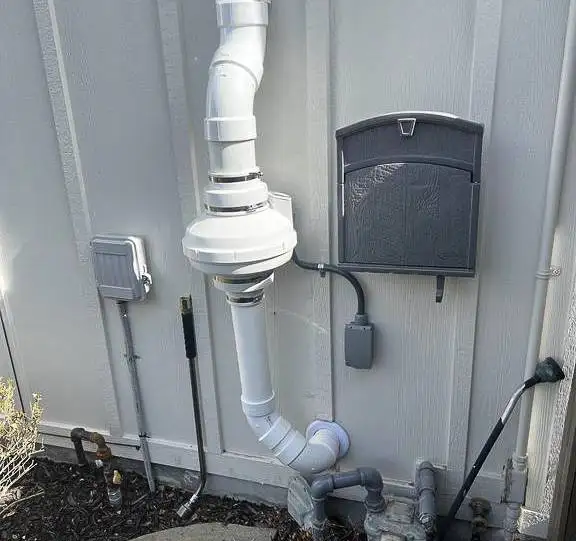
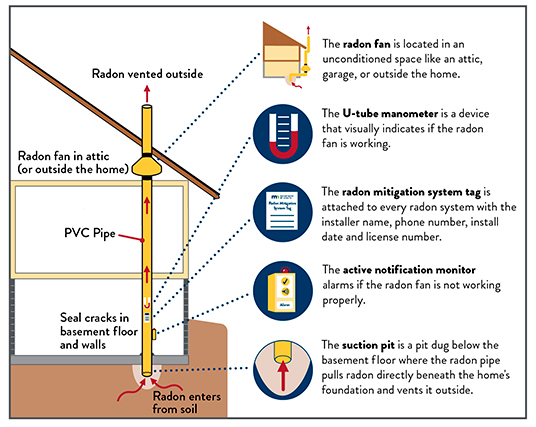
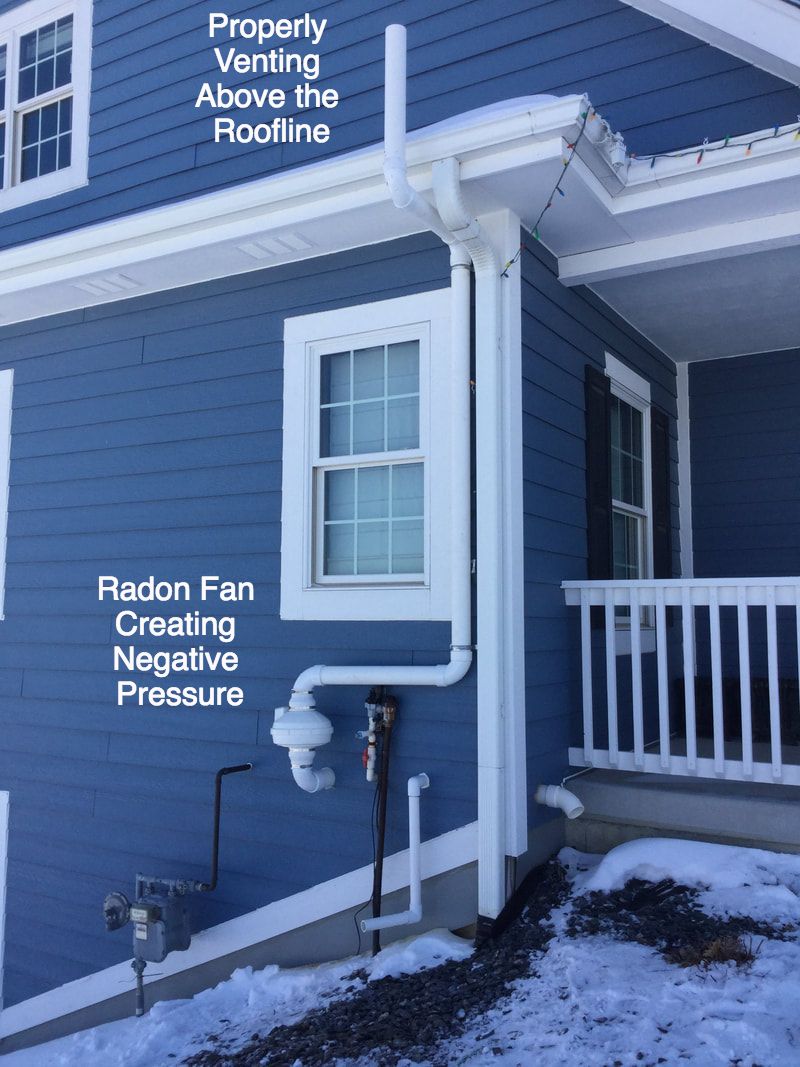
One of the most effective methods is Sub-Slab Depressurization (SSD). Think of it as “ventilation with purpose.” A pipe and fan system is installed under your home’s foundation to actively suck radon gas from the soil and vent it safely outside. This technique is the industry gold standard, especially for homes with slab foundations, and it works like a charm if done right.

Next up: Sealing Cracks and Openings. This might sound like a simple weekend DIY project, but don’t be fooled—this is more about complementing a mitigation system than going it alone. Filling in cracks in the foundation and sealing gaps around pipes helps stop radon from slipping in where it’s not wanted. However, sealing alone won’t lower radon levels enough if they’re already high.

For properties with crawl spaces, Crawl Space Solutions come into play. Typically, mitigation involves laying down a plastic vapor barrier over the soil and pairing it with proper ventilation. This creates a physical and ventilated barrier that reduces radon entry significantly.

Of course, none of this is a “set it and forget it” situation. Radon mitigation systems need to be installed by certified professionals—people who know the local soil conditions, building codes, and the quirks of Hampton Falls homes. Hiring professionals isn’t just recommended; it’s the difference between a system that works as advertised and one that doesn’t. When it’s your family’s health on the line, this isn’t the place to cut corners.

Benefits of Radon Mitigation

Mitigating radon isn’t just about checking a box—it’s about reclaiming the air you breathe. When radon levels are reduced, indoor air quality takes an unmistakable step up. This is especially meaningful for families with children, elderly residents, or anyone with respiratory issues. Cleaner air is a quiet but lasting investment in your health.

On a broader scale, a radon-free home means lower risks. Lung cancer may not be on most people’s radar, but radon exposure is a leading contributor among non-smokers. Mitigation drastically shifts that equation, offering peace of mind that’s impossible to overstate.

Then there’s the property angle. A home with a proper radon mitigation system signals to potential buyers that you took safety seriously. It’s not just a health perk—it’s leverage. A mitigated home feels like a cared-for home, one that’s structurally sound and buyer-ready. That confidence is infectious and, frankly, can boost your property’s value when it’s time to sell.

So, what’s in it for you? A safer home, better air, and lasting peace of mind. Whether you’re staying put or planning to sell, radon mitigation is an upgrade you won’t regret.

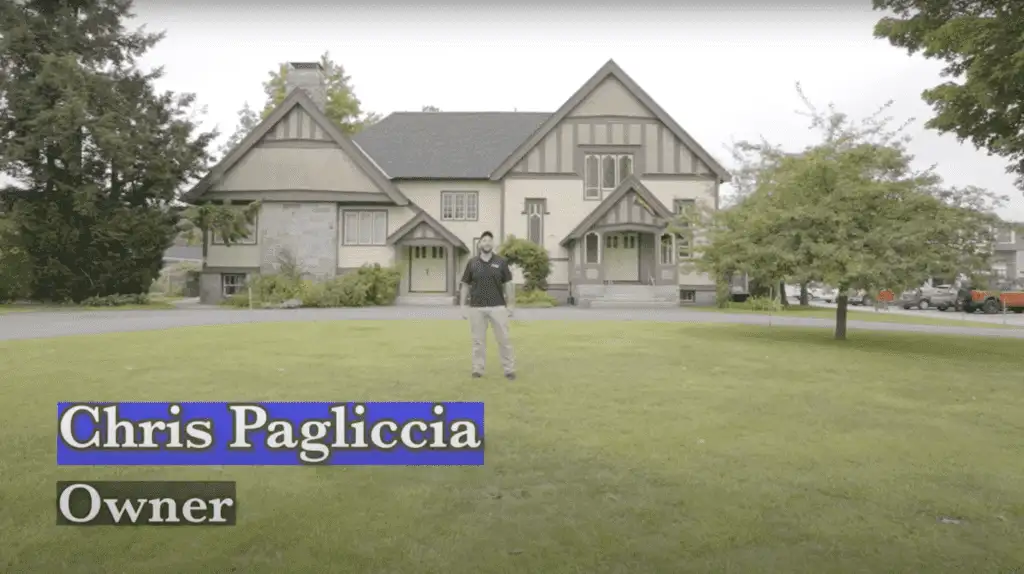
Chris Pagliccia, owner of 603 Basement Solutions

Maintaining Radon Mitigation Systems

Installing a radon mitigation system is just the first step—making sure it continues to work as intended is equally important. These systems aren’t “set it and forget it” solutions; they need periodic care to keep functioning effectively. Without proper maintenance, radon levels could creep back up, undoing all the progress you’ve made in creating a safer home.

Start with regular inspections. A typical radon mitigation system, like a sub-slab depressurization unit, relies on a fan to continuously vent radon gas outside. Fans wear out over time, often lasting around 5 to 10 years. Scheduling an annual system check is a smart way to catch potential mechanical failures before they compromise your indoor air quality. Homeowners should also keep an eye on the system’s warning indicator—usually found near the vent piping—to ensure everything is operating smoothly.

Follow-up radon testing is essential, particularly after installing a new mitigation system. It’s the only way to confirm that radon levels have truly dropped to a safe range. Experts typically recommend testing every two years or immediately after any major changes to the home that might impact the system’s efficiency, like renovations or foundational shifts.

Homeowners can tackle some maintenance tasks themselves. For example, sealing any new cracks that appear in the foundation can help prevent radon from slipping back into the property. However, more complex components, like adjusting fan speeds or replacing parts, are best left to certified professionals. Skipping proper maintenance risks not only higher radon levels but also potential damage to your system.

In short, mitigating radon isn’t a one-and-done job. Stay proactive with inspections, follow-up tests, and DIY upkeep where possible. A well-maintained system can keep your home safe and your peace of mind intact for years to come.

Conclusion

Radon is a silent but significant threat that demands attention, particularly in areas like Hampton Falls, NH. While it’s easy to ignore what you can’t see, smell, or taste, the risks of doing so are far too great. Across the region, elevated radon levels are a common reality—and the good news is, they’re manageable. Testing is straightforward. Mitigation is effective. Prolonged exposure, on the other hand, comes with stakes no family should gamble with.

Taking proactive steps to test and address radon isn’t just protecting your home; it’s safeguarding the people who matter most. Whether you’re installing a sub-slab depressurization system or sealing up those forgotten cracks in the foundation, the payoff goes far beyond compliance or property value—it’s about living with confidence, knowing the air you breathe is as safe as it can be. Radon can’t be wished away, but it can be defeated. All it takes is action.

Testimonials

Reviews from Happy Customers

Our top priority is customer satisfaction, and we work closely with clients to understand their unique needs and goals.

Hampton Falls radon mitigation — local context

Hampton Falls sits in Rockingham County (ZIP 03844), bordered by Exeter, Hampton, Seabrook, and Kensington and drained by the Hampton Falls and Taylor rivers into the Seabrook–Hamptons salt-marsh estuary (Wikipedia, USGS/Census geography). The EPA's New Hampshire Radon Zone map places Rockingham in Zone 2 (moderate potential, 2–4 pCi/L) — only Carroll County is Zone 1 — yet the numbers run high: per CDC/NH DHHS tracking (2007–2021), about 37% of tested Rockingham homes topped the 4.0 pCi/L action level, and NH's indoor average is 5.9 pCi/L against 1.3 nationally. We mitigate Hampton Falls homes with sub-slab depressurization, and for the dirt and fieldstone crawl spaces common in older Seacoast houses, sub-membrane depressurization. Radon mitigation runs $900–$6,000 (most jobs $1,950–$2,250); a radon test is $50, credited toward the job if you proceed. Certified RMS-113966. See our radon mitigation and radon level testing pages.

What a recent customer said

"603 Basement Solutions came to my rescue! … I contacted 603 Basement Solutions for a remedy. I spoke with Scott C. and subsequently Justin C. Both individuals heard and understood my problem and clearly recognized the issues and mistakes. They each made separate trips to my home to inspect the situation… These visits highlighted how familiar they were with building codes and proper solutions… The end result was exactly what I originally asked for and completed in a superior manner." — Jerry F.

Frequently asked questions

What EPA radon zone is Hampton Falls, NH in?

Hampton Falls is in Rockingham County, which the EPA's New Hampshire Map of Radon Zones designates as Zone 2 (moderate potential — a predicted average indoor screening level of 2 to 4 pCi/L). In New Hampshire only Carroll County is Zone 1. The EPA stresses that every home should be tested regardless of zone, and in practice Rockingham runs high: CDC and NH DHHS tracking data (2007–2021) found about 37% of tested Rockingham homes exceeded the 4.0 pCi/L action level.

Why do Hampton Falls homes test high for radon?

Radon comes from uranium in bedrock. Hampton Falls sits on the Exeter Diorite and adjacent Rye Complex granitic rocks of the NH Seacoast, and USGS links granite and granitic intrusives to elevated indoor radon. That helps explain why, per CDC/NH DHHS data, roughly 37% of tested Rockingham County homes exceeded 4.0 pCi/L and New Hampshire's indoor average (5.9 pCi/L) is well above the national 1.3 pCi/L. NH DHHS notes Rockingham is among the counties with communities where more than half of homes tested had elevated radon.

How much does radon mitigation cost in Hampton Falls?

603 Basement Solutions charges $900–$6,000 for radon mitigation, with most jobs landing between $1,950 and $2,250. A radon test is $50, and that $50 is credited toward the job if you decide to proceed — it is not a free test. We install sub-slab depressurization systems and, for the dirt or fieldstone crawl spaces common in older Seacoast homes, sub-membrane depressurization. 603 is radon-certified (RMS-113966).

Radon Mitigation in nearby New England towns

Radon Mitigation services across NH, ME & MA

Radon mitigation cost in NH →

Scroll to Top