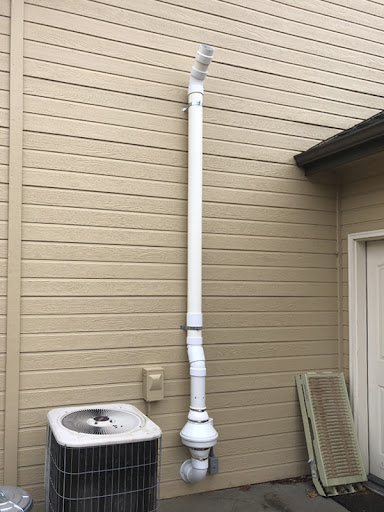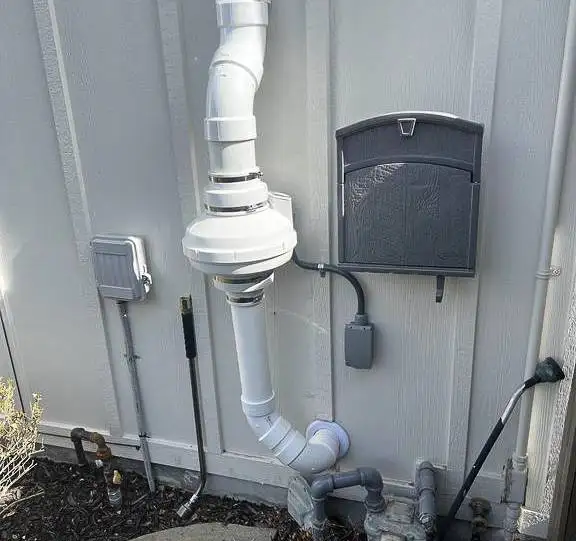



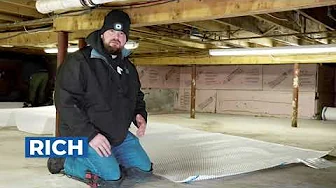
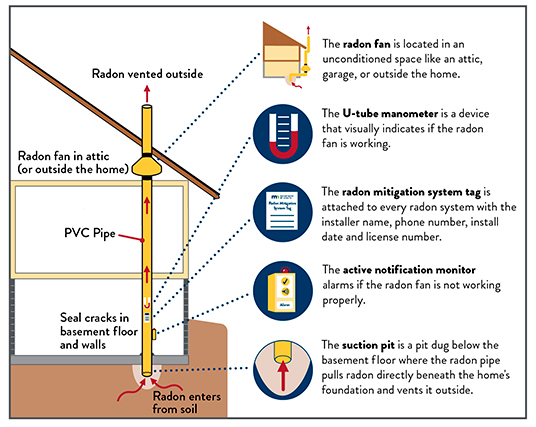
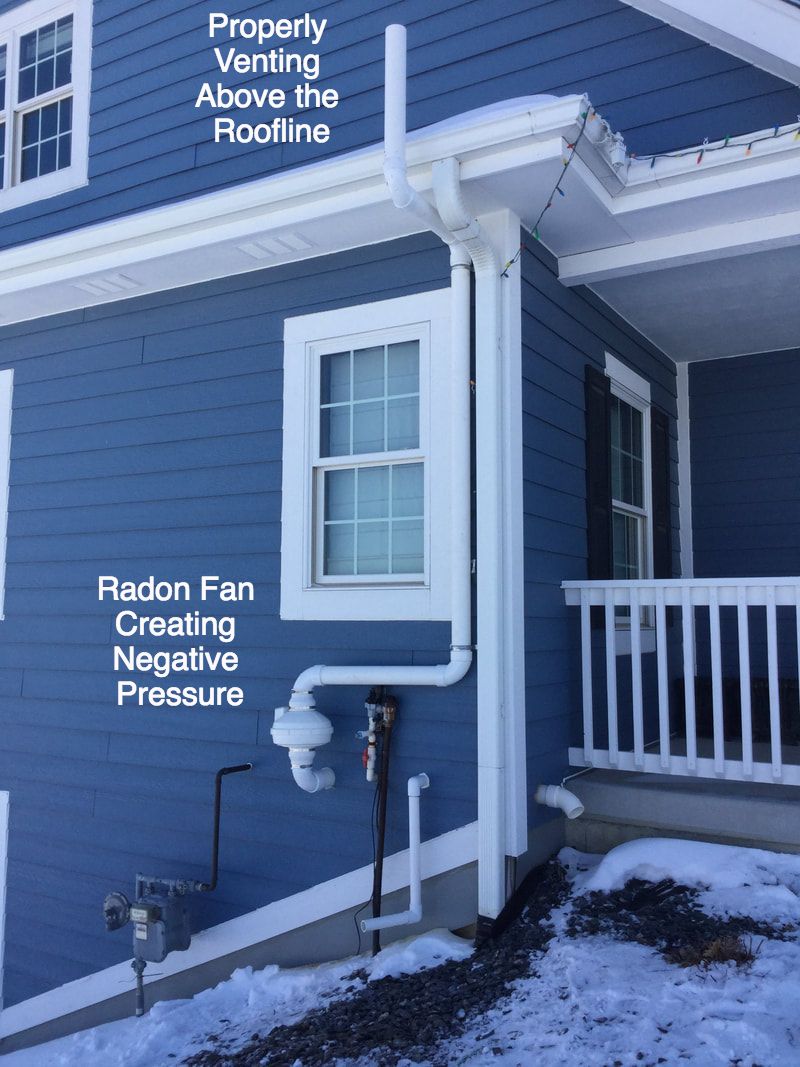

Rye sits in Rockingham County, which the EPA's Map of Radon Zones lists as Zone 2 — moderate potential, a predicted indoor screening average between 2 and 4 pCi/L (only Carroll County is Zone 1 in NH). Moderate doesn't mean safe: NH DHHS radon tracking has found more than 30% of homes tested statewide came back above the 4 pCi/L action level, with elevated pockets across Rockingham communities. So test, whatever the zone. Rye is a coastal, sea-level town settled in 1623 at Odiorne's Point (per Wikipedia), and that matters two ways. Older granite-bedrock homes — our fieldstone specialty — and private wells. NH DES notes radon is common in bedrock and in water from drilled wells, released indoors during showering and laundry. We handle both air and well-water radon, and install sub-membrane depressurization systems for dirt and fieldstone crawl spaces. Our radon mitigation runs $900–$6,000 (most jobs $1,950–$2,250). The radon test is $50, credited toward the job if you proceed. Cert RMS-113966.
"We had basement encapsulation and radon mitigation completed from 603 basements and are very happy with the results. The entire process was great from the consultation/quote through the completion of the job. They answered all of my questions about anything basement related and also were reasonably priced. We have a continuous radon detector and our numbers reduced from 18 to less than 2! We have another basement project to do later this year and will no doubt use them again! Thank you 603 basements!" — Shauna Mullenix, Google review
Rye is in Rockingham County, which the EPA's Map of Radon Zones classifies as Zone 2 — moderate potential (a predicted indoor screening average of 2 to 4 pCi/L), not high-risk Zone 1 (only Carroll County is Zone 1 in New Hampshire). That said, NH DHHS radon tracking has found more than 30% of homes tested statewide above the 4 pCi/L action level, with elevated pockets in Rockingham communities. The EPA recommends testing every home regardless of zone. A 603 radon test is $50, credited toward the job if you proceed.
It can. Rye is a coastal town with many homes on private wells, and NH DES notes that radon is commonly found in bedrock and in water from drilled (bedrock) wells in New Hampshire, then released into indoor air during showering, dishwashing and laundry. Because Rye sits on granite bedrock, both air radon and well-water radon are worth checking here — a dimension inland-only pages skip. We can advise on both pathways when we test.
Yes. Rye's housing stock includes plenty of older New England homes — six properties are on the National Register of Historic Places — and old homes often have dirt or fieldstone crawl spaces. That's our specialty. For those, we install sub-membrane depressurization systems that seal and vent the soil gas. Radon mitigation runs $900–$6,000 (most jobs $1,950–$2,250), and we're radon-certified, RMS-113966.