

603 Basement Solutions logo

Foundation Crack Repair Dover NH

Cracks in your foundation aren’t just an eyesore—they can lead to serious structural issues. In Dover, NH, the varying weather conditions and soil types can put stress on your home’s foundation. Addressing cracks early helps to maintain the integrity of your home and prevents more extensive damage down the line.

Real People - Real Great Results

Crawl Space Video Playlist

4 Videos

Understanding Foundation Cracks

Not all cracks are created equal. When it comes to your home’s foundation, understanding the type of crack you’re dealing with can mean the difference between a quick DIY patch and a call to a structural engineer. Let’s break it down:

Types of Cracks

  • Vertical Cracks: These are the least alarming of the bunch. Usually caused by normal settling, they’re common in newer homes and often more cosmetic than problematic.
  • Diagonal Cracks: A potential red flag. These can occur when one side of your foundation settles faster than the other, often due to soil movement or erosion.
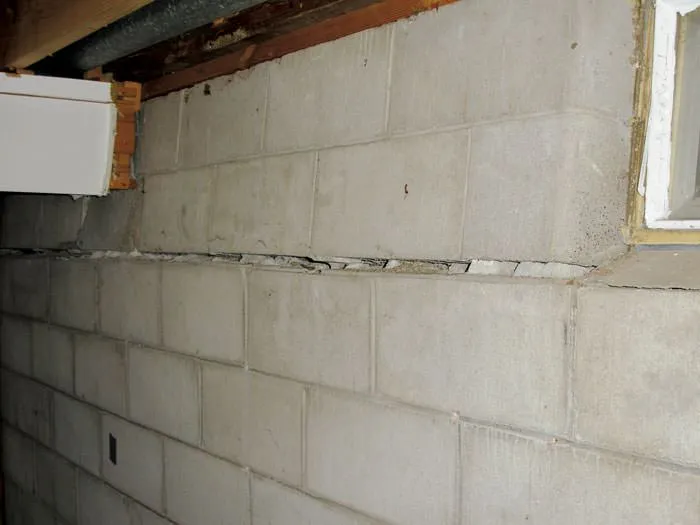
  • Horizontal Cracks: Time to sound the alarm. Horizontal cracks suggest serious pressure against your foundation walls, often from soil expansion or water buildup. These cracks are a structural issue waiting to spiral out of control.

Causes

Dover, NH, has a unique set of challenges for foundations, thanks to its climate and soil conditions.

  • Freeze-Thaw Cycles: Freezing winters and spring thaws can wreak havoc on your foundation. Expanding and contracting soil pushes against the foundation, creating stress.
  • Soil Movement: Clay-rich or poorly compacted soil doesn’t stay still. Shifting or compressing soil can create uneven pressure that leads to cracking.
  • Poor Drainage: Heavy rainfall or inadequate water management can saturate the soil around your home, increasing hydrostatic pressure on foundation walls and accelerating damage.
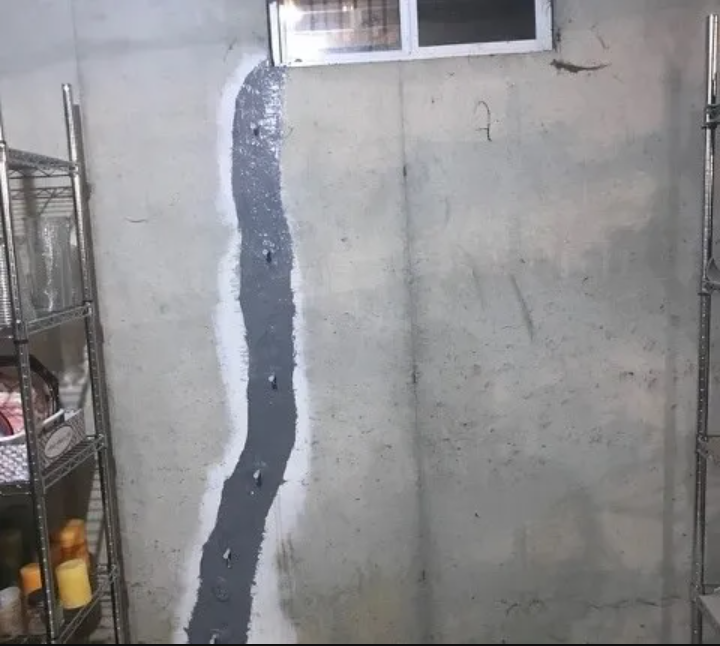
Foundation repair by 603 Basement Solutions in New Hampshire

When To Worry

Tiny, hairline cracks? Nothing to lose sleep over. But here’s when it’s time to take action:

  • Cracks wider than 1/8 inch. (Pro tip: If a credit card fits, it’s worth investigating.)
  • Cracks that grow over time. Take a pencil and draw a line at the edge of the crack; if it moves or widens in a few months, you’ve got a problem.
  • Cracks accompanied by other issues, like uneven floors, sticking doors, or water seepage.

Foundation cracks are a part of homeownership, but knowing which ones demand your attention can save you headaches—and a hefty repair bill—down the road. Not sure what you’re looking at? Don’t hesitate to bring in a professional.

Why Foundation Repair Matters

Let’s get straight to it: foundation damage is not the kind of problem that fixes itself. If left unchecked, it can escalate into a structural nightmare. Your home relies on a stable foundation for everything to function as it should—from doors that swing freely to floors that don’t sag. Cracks in your foundation? They’re a flashing warning light that something bigger could be on the horizon.

Delaying repairs doesn’t just compromise the stability of your house—it opens the door to a host of other headaches. Water intrusion is a prime offender here. Those seemingly tiny foundation cracks can act like funnels, pulling rainwater and groundwater toward your home. Once water gets in, you’re looking at potential mold problems, swollen wood, and noticeable shifts in your indoor climate. Ignore it, and the costs for repairs—both for the foundation and secondary damage—can skyrocket.

Then there’s the matter of resale value. No matter how beautifully your home is staged, the moment a potential buyer hears “foundation issues,” they’re either walking out the door or offering you significantly less than your asking price. A healthy foundation is non-negotiable for keeping your property value intact. Think of it this way: repairs aren’t just fixing the problem; they’re preserving your investment. In short, fixing foundation cracks isn’t just about patching concrete. It’s about safeguarding your home’s stability, avoiding cascading damage, and protecting its worth. Deal with it early, and your wallet (and sanity) will thank you.

Methods of Foundation Crack Repair

When it comes to fixing foundation cracks, there’s no one-size-fits-all solution. The method depends on the type and severity of the crack, as well as the underlying cause. Here’s a rundown of the most common repair techniques that get the job done in Dover, NH:

  • Epoxy or Polyurethane Injections: For minor to moderate cracks, injections are often the go-to fix. Think of this as stitching up your foundation without tearing it apart. Epoxy injections create a strong, almost welded bond, making them ideal for structural repairs. On the other hand, polyurethane is flexible, meaning it’s better for hairline cracks that need some wiggle room for natural expansion and contraction. This option is quick, relatively affordable, and perfect for cracks that haven’t spiraled into a major structural headache yet.
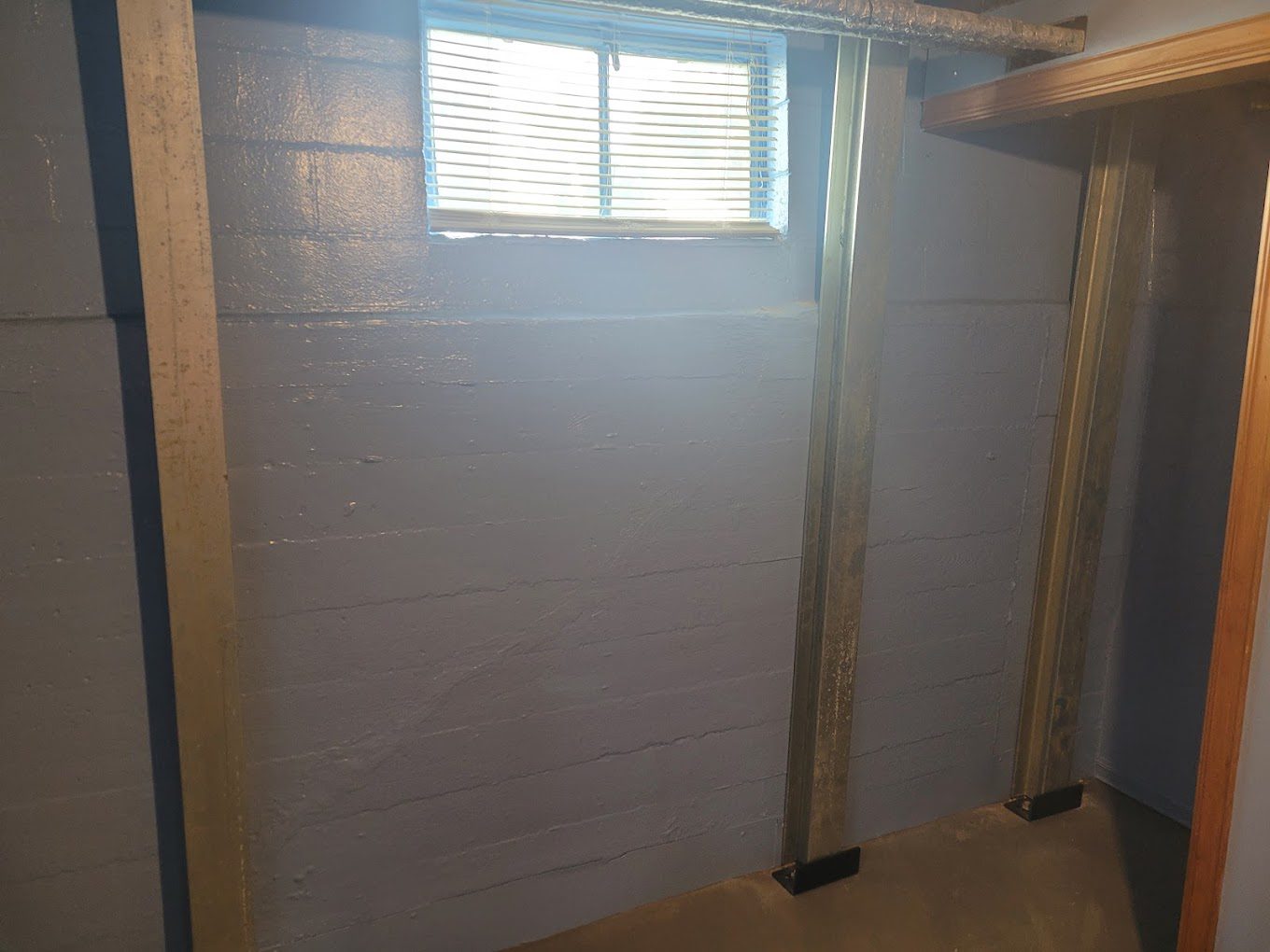
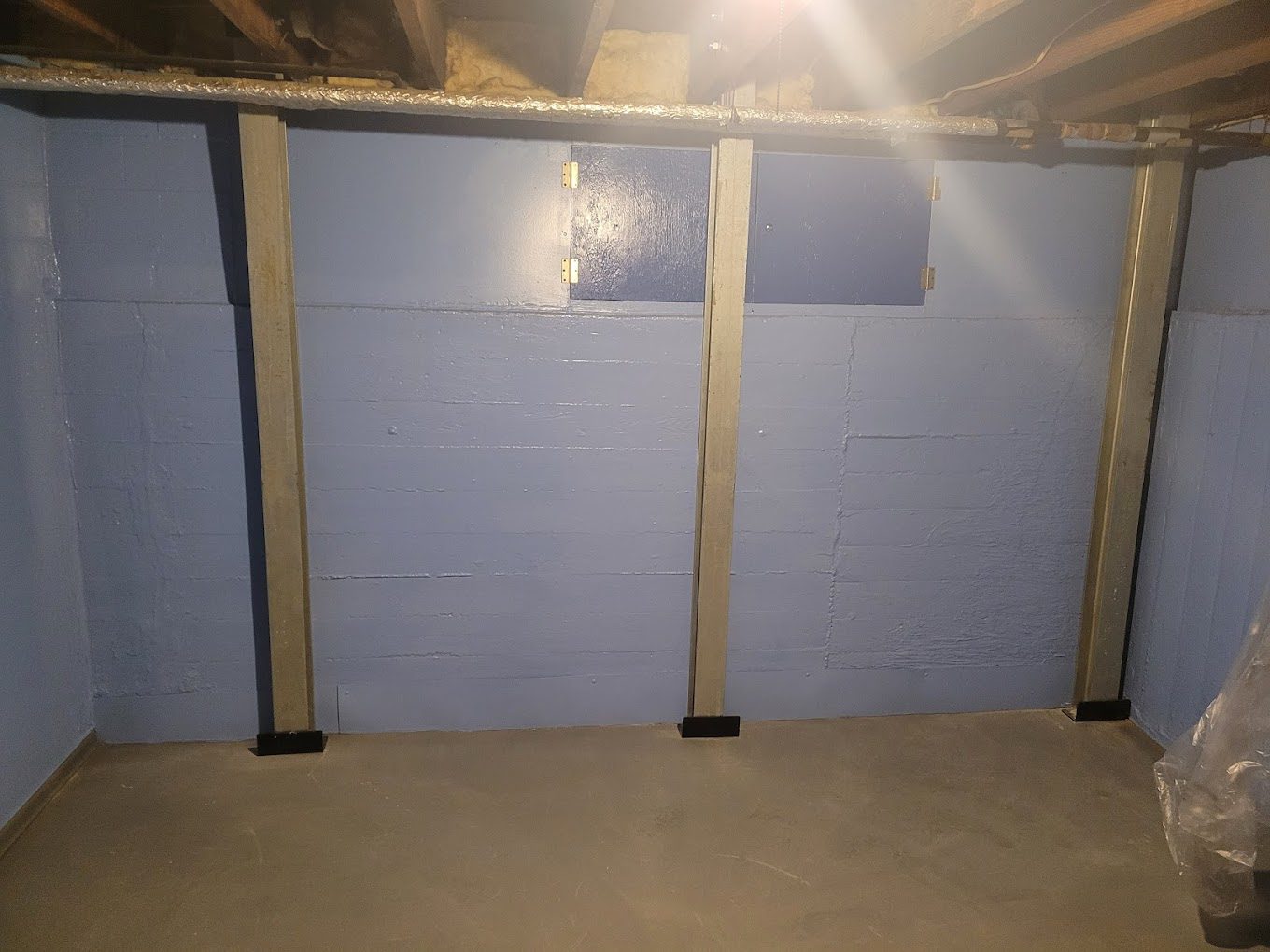
  • Reinforcement Techniques: If the cracks scream “serious problem,” reinforcements step in to do the heavy lifting—literally. Carbon fiber straps are a modern, low-profile solution for stabilizing walls with limited disruption. These strips act like a super-strong Band-Aid, keeping things from getting worse. For more severe cases, steel reinforcements might be necessary to bring extra muscle to cracked or bowing walls. The trade-off? It’s more invasive, but when stability’s on the line, it’s worth it.
  • Soil Stabilization: Sometimes, the cracks are just the symptom, not the disease. If shifting soil is causing the trouble, soil stabilization can address the root of the problem (pun intended). Using methods like grout injection or polyurethane foam, technicians can shore up the ground beneath your foundation to prevent further movement. It doesn’t just fix the existing cracks—it keeps new ones from forming.
  • Drainage Improvements: Here’s a reality check: Most foundation issues trace back to poor water management. Fixing the drainage around your home can be as important as sealing the cracks themselves. French drains, sump pumps, or even regrading your yard to keep water from pooling near the foundation can make all the difference. Without this step, you’re just slapping a bandage on a recurring issue.

Addressing foundation cracks isn’t glamorous, but it’s essential. The right method will depend on what’s causing the damage, how severe it is, and how much you’re looking to invest. The good news? Modern techniques make it possible to tackle almost any foundation issue without tearing your home apart.

603 Basement Solutions

Common Challenges in Dover, NH

Foundation repair in Dover, NH comes with its own unique set of complications, thanks to the interplay of weather, soil, and the age of homes in the area. Here’s what makes this region particularly challenging when it comes to addressing cracks.

  • Local Weather Impact: Dover’s winters are no joke. With freeze-thaw cycles that come with fringe-heavy temperature swings, water in the soil around your foundation expands and contracts constantly. Over time, this relentless push-and-pull stresses the foundation, turning tiny hairline cracks into something much bigger. Spring can complicate things further, as snowmelt combined with seasonal rains saturates the ground, adding hydrostatic pressure to already taxed walls.
  • Soil Conditions: Not all dirt is created equal, and in Dover, the mix isn’t always on your side. The area deals with a combination of sandy and loamy soils, and in some spots, expansive clay makes an appearance. Sandy soil tends to shift and cause small gaps under the foundation, while clay soils swell when wet and shrink when dry, making the ground anything but stable. This causes movement that foundations aren’t built to withstand, leading to—you guessed it—cracking.
  • Older Homes: Dover has its share of historic homes, and while they boast charm and character, they weren’t built with modern standards or materials in mind. Foundations from decades (or even centuries) ago often lack proper reinforcement and can deteriorate over time. On top of that, creeping tree roots or poorly redirected rain gutter systems—common with older setups—can compound foundation issues. Repairing cracks in these homes demands extra care, as preserving the structural integrity and historic aesthetics can be a balancing act.

Understanding these local challenges is key to addressing foundation cracks in Dover before they spiral into bigger problems.

Preventing Foundation Cracks

Preventing foundation cracks boils down to three key habits: controlling water, minding your yard, and staying observant. It’s not glamorous, but it works.

First off, drainage is your best friend. Gutters and downspouts aren’t just accessories—they’re your frontline defense. Make sure they’re clear, intact, and directing water a good distance away from the house. Grading matters too. Your yard should slope away from your foundation, not toward it. If water’s pooling around your home after a rainstorm, that’s a problem you’ll want to tackle fast.

Next, let’s talk landscaping. As much as you might love the idea of a towering oak tree or dense hedges pressed close to your house, your foundation doesn’t. Tree roots seek water, and unfortunately, your foundation makes an excellent target. Plant trees and shrubs strategically, keeping them at least 10–15 feet away from your home. If you’re set on having greenery closer, opt for smaller plants with less aggressive root systems.

Lastly, keep an eye on things. Do a quick walkaround every few months and inspect your foundation. Look for hairline cracks or water pooling at the base. Catching tiny issues early prevents them from snowballing into costly repairs later on. Think of this as a low-effort trade-off that saves you buckets of pain down the road. Prevention might not be flashy, but when it comes to keeping your foundation solid, it’s worth the discipline.

When To Call a Professional

There’s a point where DIY patching or ignoring that annoying crack for “one more month” just won’t cut it. If you’re seeing certain red flags, it’s time to call in the pros. For starters, if a crack is wider than 1/8 inch—about the thickness of two stacked pennies—it’s no longer something to brush off. Same goes for cracks that keep growing over time or those with a stair-step pattern, particularly in brick or concrete block walls.

But it’s not all about the cracks. Uneven floors? Doors or windows that suddenly won’t close properly? Those could be signs your foundation is shifting, and that’s the kind of problem you want to catch early.

Here’s the thing: foundation repair is not just about slapping some epoxy into a crack and hoping for the best. Professionals bring expertise that goes beyond the surface. They diagnose the root cause—whether it’s the soil under your home, drainage issues, or structural stress—and choose the right fix for the long term. That’s not something you can eyeball with a YouTube tutorial.

When in doubt, call someone who does this for a living. A professional assessment could mean the difference between a simple repair now and a massive, costly overhaul later. Cracks don’t heal themselves—get ahead of the problem while it’s still manageable.

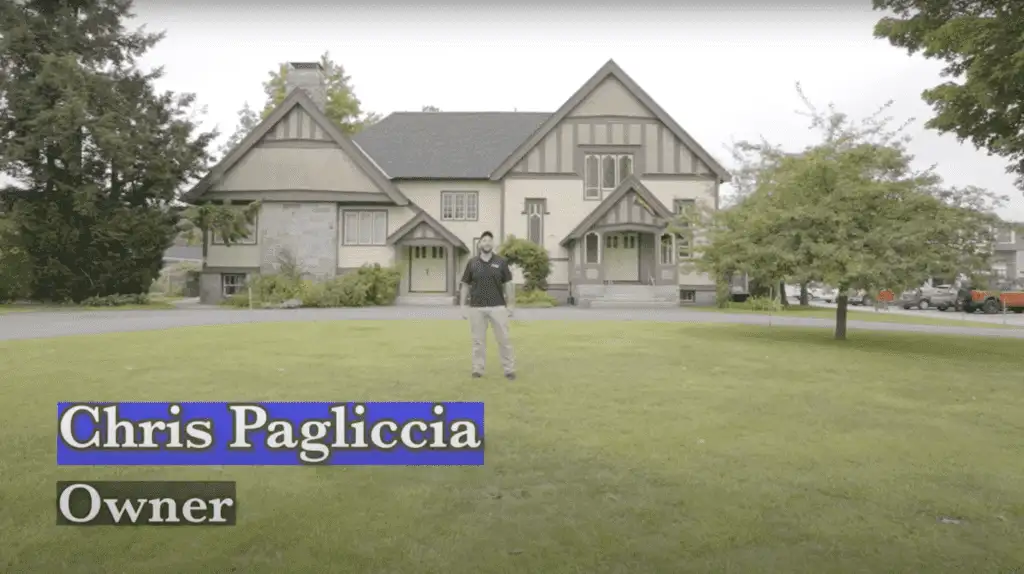
Chris Pagliccia, owner of 603 Basement Solutions

Conclusion

A stable foundation is the backbone of your home, and in a place like Dover, NH—where weather and soil aren’t always playing nice—it pays to stay vigilant. Cracks, whether big or small, are more than cosmetic blemishes. They’re signals, a Morse code from your home telling you that something needs attention. The good news? With the right knowledge and timely action, you can stop a small issue from becoming a giant headache.

Understanding what causes foundation cracks, knowing how to repair them, and taking steps to prevent future issues can save you from sleepless nights and steep repair bills. And when in doubt, don’t gamble—call a professional. Your home keeps a roof over your head. The least you can do is keep its foundation solid. Simple as that.

Testimonials

Reviews from Happy Customers

Our top priority is customer satisfaction, and we work closely with clients to understand their unique needs and goals.

Dover foundation crack repair — local context

If your Dover foundation is cracking, two local realities are usually behind it. First, Dover sits on soft, sensitive glaciomarine clay — the Presumpscot Formation (Presumpscot Formation, Wikipedia), not the swelling "expansive clay" some pages claim — and that slow settlement, documented in Dover-specific geotechnical work (ASCE Journal of Geotechnical and Geoenvironmental Engineering, Vol. 146, No. 12, 2020), pulls walls apart. Second, New Hampshire's 48-inch design frost line (IRC Table R301.2(1), as published by the Town of Amherst, NH) means seasonal frost-heave works on footings every winter. Roughly a quarter of Dover's homes predate 1940 (U.S. Census ACS, Table B25034), so many sit on aging or fieldstone walls that crack first. We fix the mechanism, not just the symptom: foundation crack repair runs $1,000–$3,000, carbon-fiber straps are $850 each, and non-structural crack injection carries a 10-year transferable warranty. See our foundation crack repair service or our bowing wall bracing page.

What a recent customer said

"603 Basement Solutions put in a perimeter drain system, repaired 2 foundation cracks, and installed a vapor barrier in my basement. What you see in the photos are quick snapshots of a job well done. What you don't see is a team of professionals that took the time from the first moment they stepped into my house to fully understand my needs and expectations. Everyone from the sales engineer to the office staff to the installation team were kind, professional, and honest. Would highly recommend. Thanks 603 Basement Solutions!" — Jon Martell, 5★, Structural & Foundation

Frequently asked questions

Why do foundations crack in Dover, NH specifically?

Two local factors drive it. Dover sits on soft, sensitive glaciomarine clay — the Presumpscot Formation — which settles slowly and unevenly, and peer-reviewed geotechnical work has documented this sensitive clay at Dover itself (ASCE Journal of Geotechnical and Geoenvironmental Engineering, Vol. 146, No. 12, 2020). On top of that, New Hampshire's 48-inch design frost line (IRC Table R301.2(1)) means seasonal frost-heave acts on footings every winter. The combination of slow clay settlement and freeze-thaw is what cracks walls here — not 'expansive clay,' which Dover does not have.

Are older Dover homes more likely to have foundation cracks?

Yes. Roughly a quarter of Dover's housing stock predates 1940 (U.S. Census Bureau, American Community Survey, Table B25034), and many of those homes sit on aging, un-reinforced, or fieldstone foundations. Older walls have less reinforcement to resist the settlement and frost movement common to this part of the Seacoast, so they tend to crack first. We work on old and historic New England foundations regularly, including fieldstone.

How much does foundation crack repair cost in Dover?

603 Basement Solutions charges $1,000–$3,000 for foundation crack repair. If a wall needs added structural reinforcement, carbon-fiber straps are $850 each. Non-structural crack injection comes with a 10-year transferable warranty. Every Dover home is different — soft marine clay underfoot and a 48-inch frost line mean the right fix depends on the wall — so we assess on site before quoting.

Foundation Crack Repair in nearby New England towns

Foundation Crack Repair services across NH, ME & MA

Foundation repair cost in NH →

Scroll to Top