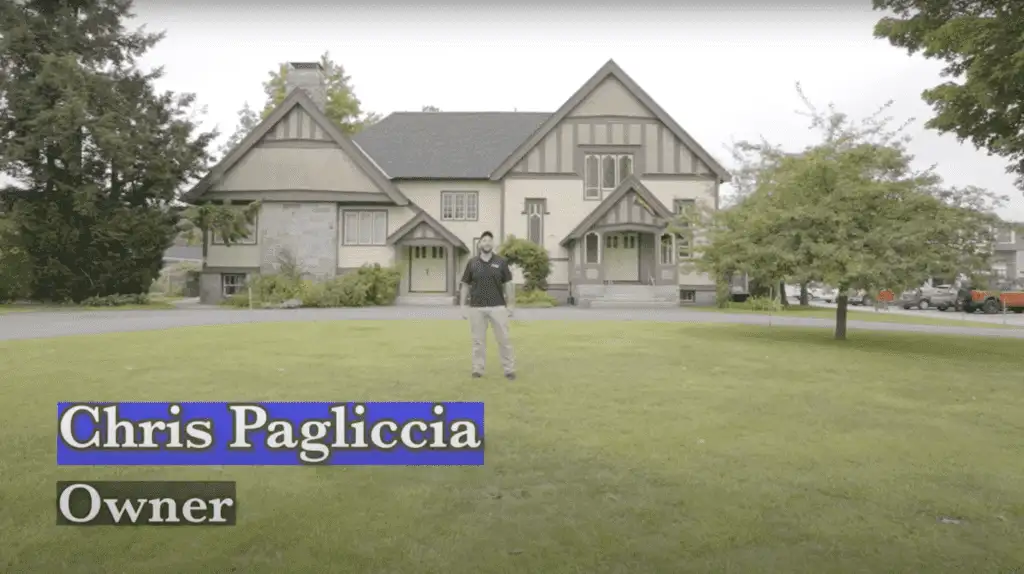

A sealed Dover crawl needs clean ground, continuous edges, controlled air, and sound wood above it. 603 inspects the far corners before estimating. Encapsulation work generally ranges from $3,000 to $25,000.
Dry is not the same as sealed
A crawl can look dry on inspection day and still feed humid air into the house all summer. Bare soil releases moisture continuously. Open vents and gaps at the perimeter let outdoor air meet cooler framing and ducts. Encapsulation changes that boundary rather than waiting for the next visible puddle.
We check the entire footprint. A plastic sheet over the middle of the dirt is not a system if edges, columns, and pipe penetrations remain open.
Cleanup comes before the new liner
Old fiberglass, scraps, rodent debris, and a failed vapor barrier have to be addressed before clean material goes down. The crew needs a stable work surface, and the homeowner deserves to see what condition the framing is in before it disappears above a bright liner.
If joists, sill, or beams are soft, we separate that repair from encapsulation. Moisture control helps protect sound wood. It does not restore strength that has already been lost.
Standing water changes the sequence
When water collects after rain, drainage and pumping are designed first. The liner can then be connected to that plan. Trapping a recurring puddle under plastic creates a hidden reservoir and leaves the original entry problem unresolved.
Where the issue is ground vapor rather than flowing water, full floor and wall sealing plus dehumidification may be the appropriate scope. The distinction is made from evidence in the crawl.
Build it for future service
Pumps, shutoffs, junction boxes, and plumbing should remain reachable. A hatch needs a durable closure. The liner should tolerate the normal path a technician will use. We talk through those routes because somebody will eventually need to inspect equipment below the house.
Crawl encapsulation typically costs $3,000 to $25,000. Square footage, headroom, removal, drainage, framing work, and equipment determine where a project lands. The 25-year encapsulation warranty is written around the liner, wall barriers, and workmanship.
What to notice from upstairs
- Rooms that smell different when the air conditioner starts.
- Cold bands or springy areas in the floor.
- A dehumidifier that runs constantly without lowering humidity.
- Pest activity near the crawl hatch or plumbing openings.
Those observations do not prove the answer. They help connect conditions below the floor to what the family experiences above it.
What a customer said about this kind of work
Humidity needs a drain and a routine
A dehumidifier is only helpful if condensate has somewhere dependable to go. We plan the drain, keep the filter reachable, and explain the normal setting. A unit placed in a sealed corner with no service path will eventually be ignored.
After the project, the homeowner should look at the humidity reading and the perimeter a few times a year. Check after a major storm, plumbing repair, or work by another trade. Keep the equipment instructions and the final scope near the access hatch so a future service visit starts with the right record. The goal is not daily attention. It is catching a torn seam, blocked drain, or new water event before months pass beneath the floor.
How a 603 project moves from question to closeout
1. Establish the history
We start with when the condition appears and what makes it better or worse. Those details tell us where to look before anything is opened.
2. Inspect the connected area
The inspection records dimensions, materials, equipment, and adjacent symptoms. A recommendation is tied to what can be observed in the house.
3. Put the scope in writing
Written scope comes next, with quantities, access, cleanup, warranty, and exclusions. Comparable words make comparable bids possible.
4. Confirm before work starts
The team confirms the plan on site, protects the route, and keeps you informed when a meaningful stage is reached. Changes are documented rather than remembered later.
5. Walk through the result
Completion includes operating guidance, photographs where useful, and the next test or observation if one is needed. You know what normal looks like.
Do not buy by square footage alone
Square footage matters, but crawl-space labor lives in clearance, corners, cleanup, and access. Ask whether the estimator entered the far section, whether every wall is included, and how posts and utilities are sealed. A price measured from the hatch can miss the hardest half of the job.
Request separate lines for drainage, framing, insulation, and equipment when they are needed. That lets you understand priorities and prevents a moisture-control decision from becoming an unexplained bundle of unrelated work.
Protect the new moisture boundary
Store items on shelving rather than pushing sharp bins against the wall liner. Tell anyone entering the crawl where the normal travel path is. If a cable, pipe, or support must pass through the barrier, have the penetration resealed as part of that work.
Humidity should be monitored as a trend. One reading with the hatch open is not a diagnosis. A rising average, recurring odor, standing water, or a dehumidifier that no longer drains is worth investigating before visible damage appears above.
Vents are not a summer drying system
Warm outdoor air can carry substantial moisture into a cool crawl, where relative humidity rises and condensation forms on cold surfaces. Opening more vents may make the space feel breezier while adding moisture. A sealed crawl changes the boundary, and dedicated dehumidification controls the air within it. The recommendation still depends on solving any liquid water first.
Where a Dover crawl estimate has limits
Very low or blocked sections may not be fully visible until debris or old insulation is removed. We state that limitation rather than describe concealed framing as healthy. If a condition changes the agreed sequence, the homeowner sees the evidence and price before it becomes added work. A narrow crawl makes documentation more important, not less.
Do not run an extension cord through a torn hatch or improvise a condensate bucket as the permanent equipment plan. Access, power, and drainage are small details that decide whether the completed system is easy to own. Ask where filters, alarms, and shutoffs can be reached after storage returns, and photograph that service path before the crawl is closed.
Dover is context, not a diagnosis
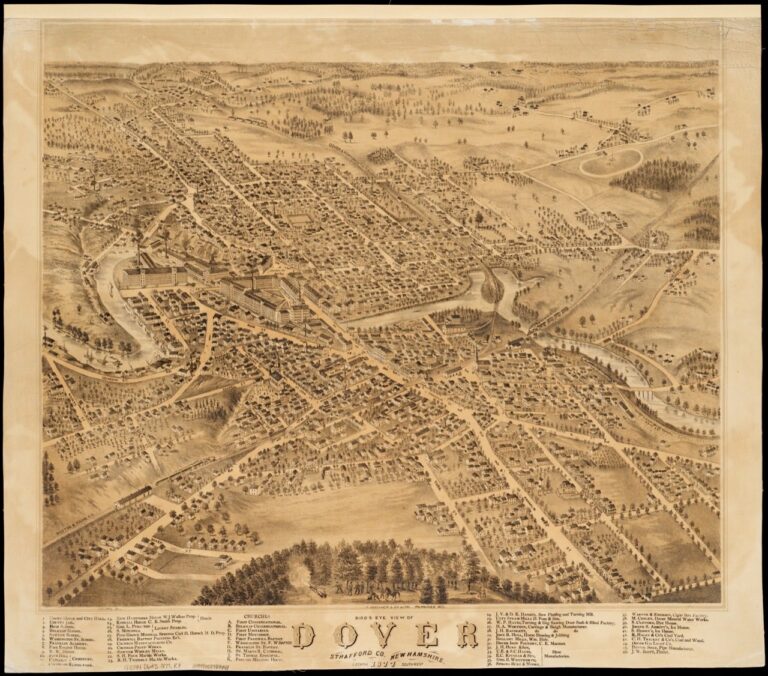
Dover's median housing unit dates to 1975, according to the 2023 American Community Survey. That single number covers very different buildings and cannot identify one home's foundation, additions, drainage work, or repair history.
What 603 work looks like
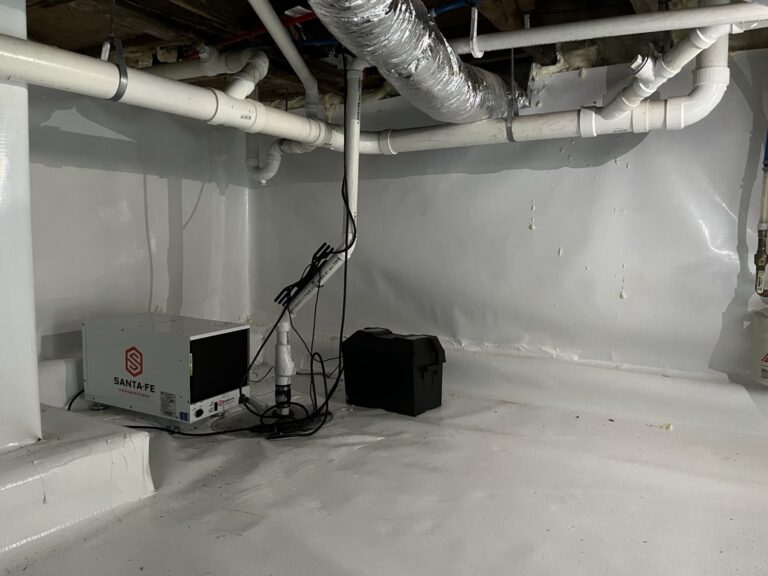
The Dover liner, wall-barrier work, and encapsulation workmanship carry 25 years of coverage; mechanical dehumidification keeps its manufacturer warranty.
Questions Dover homeowners ask
What is included in Dover crawl-space encapsulation?
The exact scope may include cleanup, floor liner, wall barrier, sealed edges and penetrations, a hatch detail, dehumidification, and water control when evidence supports it.
Does encapsulation repair rotten joists?
No. 603 identifies damaged framing before the liner goes in and scopes structural repair separately so strength is restored before the condition is hidden.
How is the dehumidifier drained?
The estimate should name a dependable condensate route and leave the unit accessible for filters and service. A bucket is not a permanent operating plan.
Related help
See the full crawl space encapsulation service, find every town on the service-area map, or read straight answers to basement questions.
Get a free inspection in Dover
We will look at the actual house, explain what needs attention and what does not, and give you a written estimate.
Housing-year reference: U.S. Census Bureau, 2023 ACS 5-year table B25035.
Common questions about crawl spaces
- What is the difference between a moisture barrier and a vapor barrier?
- What should the humidity in a crawl space be at different times of year?
- Why, after so many years living without it, is crawl space encapsulation so recommended now, when it lasts 10-15 years and costs half of a foundation repair?
- Can ‘dormant’ mold spores appear and affect a crawl space?
- Can I use plastic sheeting as a vapor barrier?
- Crawl space is infested with mold, how do we go about properly fixing it?
- Does crawl space encapsulation increase home value?
- Does encapsulating a crawl space really work and is it worth the money?
- How does a vapor barrier function?
- How imperative is it that a house is anchored to a crawl space?
- How much does it cost to encapsulate the crawl space for a 3,000 sq ft house? Is it worth it?
- How much wood moisture in your crawl space can you tolerate