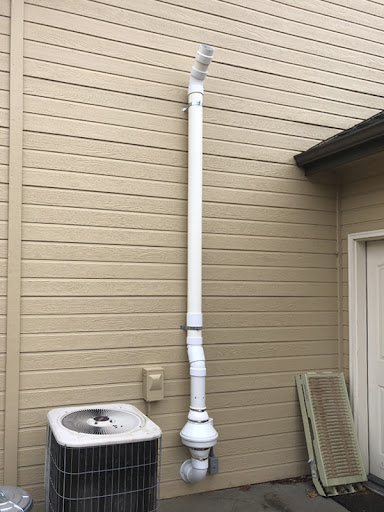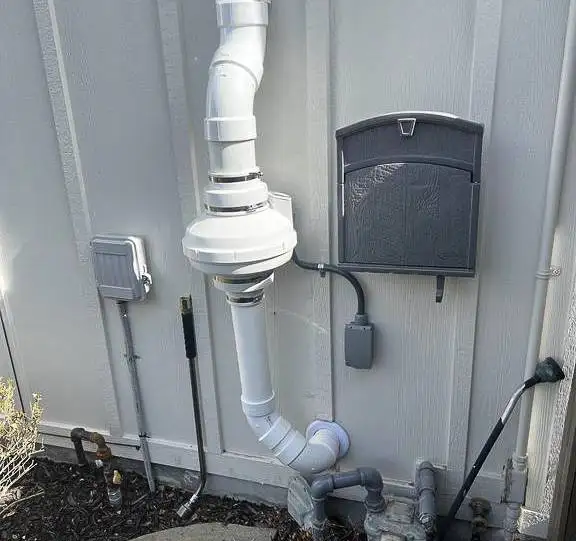




Test first, then mitigate. Dover sits in Strafford County, which the EPA Map of Radon Zones rates Zone 2 (moderate, a predicted average of 2 to 4 pCi/L), per the Homefacts and City-Data records of the EPA county designation. But the on-the-ground numbers run sharper: USGS Open-File Report 93-292-A finds townships averaging over 4 pCi/L clustered across "most of Rockingham and Strafford Counties," with the area's two-mica granites and Massabesic Gneiss carrying "moderate to high equivalent uranium." That uranium decays into radon that seeps up through fieldstone foundations and cracked slabs — common here, since Dover is New Hampshire's oldest permanent settlement (1623, per Wikipedia) with old housing stock that gives radon more entry points. So every Dover home should test. Our radon mitigation runs $900–$6,000 (most jobs $1,950–$2,250). The radon test is $50, credited toward the job if you proceed. We install crawl-space sub-membrane depressurization systems too. Cert RMS-113966.
"Radon assessment went easy, install went easy, experienced and knowledgeable experts, radon levels dropped by next morning to well below EPA action levels. Great work!"
Dover is in Strafford County, which the EPA Map of Radon Zones rates Zone 2 (moderate potential, a predicted average indoor level of 2 to 4 pCi/L). Carroll is New Hampshire's only Zone 1 county. But a Zone 2 rating is a coarse county average — USGS Open-File Report 93-292-A finds townships averaging over 4 pCi/L clustered across most of Strafford County, so an individual Dover home can read well above the zone. Test your own home; the zone tells you the area, not your house.
The bedrock under Dover is the source. USGS Open-File Report 93-292-A places Dover in southeastern New Hampshire's Avalonian Composite Terrane, underlain by the Rye Formation, Massabesic Gneiss, and two-mica granites — rock the USGS reports as carrying moderate to high equivalent uranium. Uranium decays into radon gas that seeps up into basements and crawl spaces. Dover's age compounds it: as New Hampshire's oldest settlement (1623), much of its housing stock is old, with fieldstone foundations and cracked slabs that give radon extra entry points.
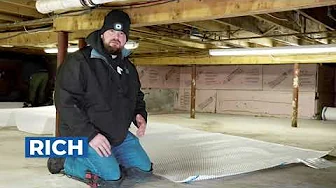
603 Basement Solutions radon mitigation runs $900 to $6,000, with most jobs landing between $1,950 and $2,250. The radon test is $50 — not free — and it is credited toward the job if you decide to proceed. For older Dover homes with fieldstone crawl spaces, we install sub-membrane depressurization systems. We're radon-certified (RMS-113966).