



A new slab is not a cure for every cracked or sunken surface in Pelham.
A sound low panel may be worth leveling instead of demolishing.
Broken concrete or failed support may call for removal, base work, and a new slab.
A slab that carries the house needs a structural assessment before a pour is scoped.
The first question is what the slab is doing now. A basement slab may be damp, cracked, or uneven. A driveway slab may have settled at the garage door or broken at a control joint. A patio slab may pond water or sit below a door threshold. Each application has a different fixed edge and desired result. Check the pad against the garage door and the front step against the entry threshold. Those two hypothetical examples show why one repair method cannot be assumed. If the concrete is sound and only low, leveling may be the better conversation. If it is broken, hollow, or tied to a failed base, replacement may be the honest option. Diagnosis comes before a thickness or mix discussion.
Not every slab needs full removal. Sound concrete that is low can sometimes be leveled rather than replaced. A private parking pad with a settled corner is not automatically a driveway reconstruction. A front step that has dropped slightly is not automatically a structural slab problem. What can stay depends on whether the concrete is intact, whether the base is stable, and whether water is still moving under it. What has to go is usually concrete that is cracked through, hollow, or too broken to support a new surface. Removal limits are job-specific. Access matters because equipment and trucks need a path. Edges matter because the new slab must meet garage doors, thresholds, and existing flatwork without creating a new trip or water problem.
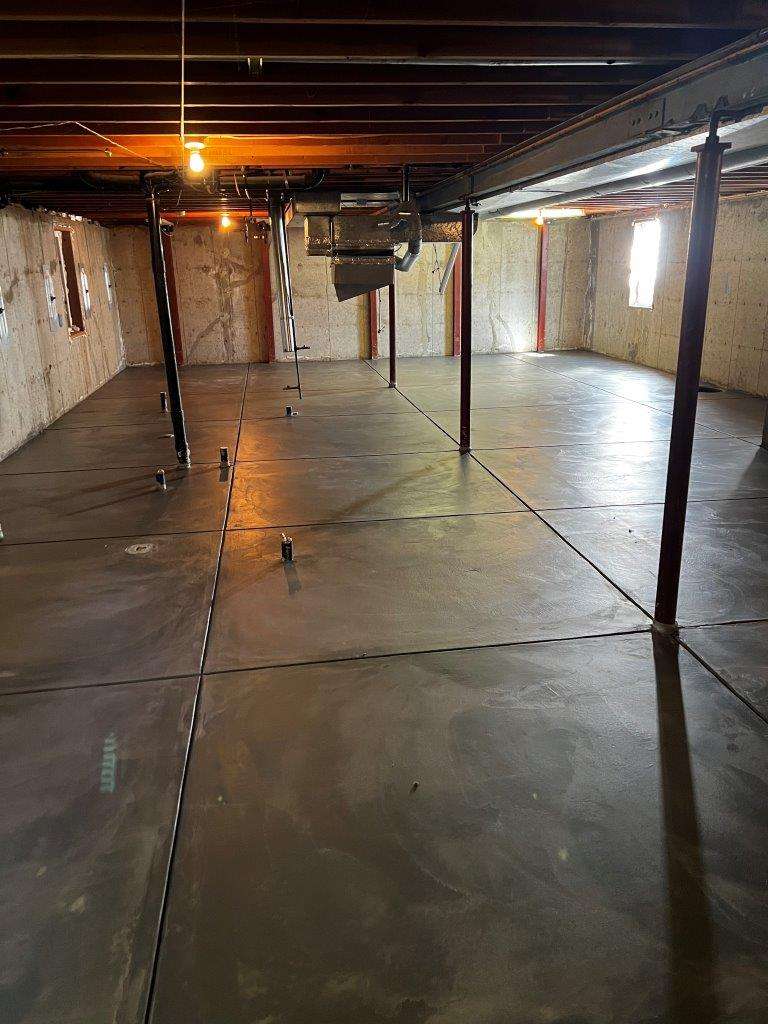
Basement, driveway, and patio slabs are three different applications. A basement slab is usually inside, often below grade, and tied to moisture control. A driveway slab takes vehicle loads and must shed water away from the garage. A patio slab is exterior flatwork with its own edge and drainage concerns. Method selection starts with which application is failing and what result the homeowner wants. Base preparation and water control are part of the conversation because concrete does not fix a wet or moving subgrade. Joint layout matters because planned joints help control where cracks occur. Curing and use timing are job-specific questions. No single thickness, mix, or reinforcement answer applies to all three. The estimate should name the application and the work included.
NRMCA's slab-joint guidance is general technical guidance, not a specification for this house.
Pelham has a driveway-entrance permit application that identifies the proposed access location. For this service, that matters only as a boundary. If a dropped concrete area is within a private parking pad, that is distinct from changing the entrance onto a road. We should not turn a small leveling request into an assumed driveway reconstruction. The town source does not address load-bearing slabs, basement floors, or patio construction, so it should not be stretched into a structural answer.
Read the Pelham source. We check the approval path against the proposed scope.
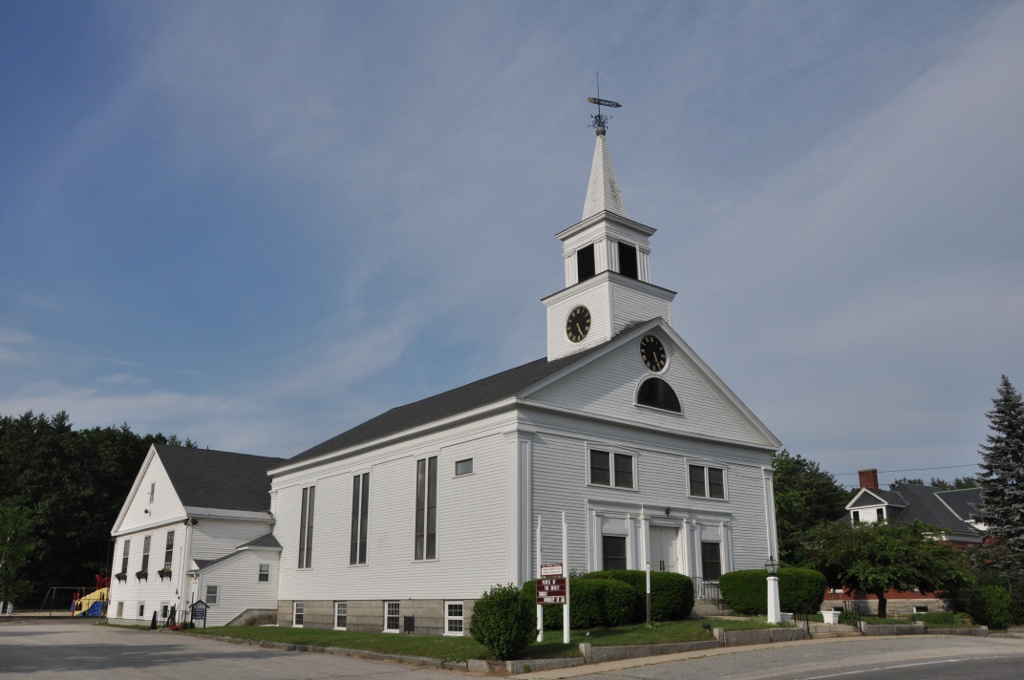
Concrete work can go wrong when the base is not addressed, when water is not directed away, or when a new slab is expected to fix structural movement. A basement slab pour does not automatically solve a foundation leak. A driveway slab does not automatically fix a failing retaining wall. A patio slab does not automatically correct a door threshold set too low. Some work falls outside a slab-pouring scope, including structural repair, drainage engineering, or changes to a road entrance. If the scope crosses those lines, the honest answer is to separate the work. We keep exterior flatwork out of a structural quote. That is not a statement about load-bearing slabs.
Access is often the first constraint. A backyard patio slab may be simple to pour if a truck can reach it and difficult if it cannot. A basement slab may require moving materials through a house or a bulkhead. A driveway slab may need to tie into an existing apron, garage floor, or road entrance. Water is another constraint. The ground around a slab must drain somewhere. Edges are a third. A new slab must meet a fixed edge, whether that is a garage door, a front step, or an existing patio. Each has a different fixed edge and desired result. Those examples show why site constraints should be measured before a method is chosen.
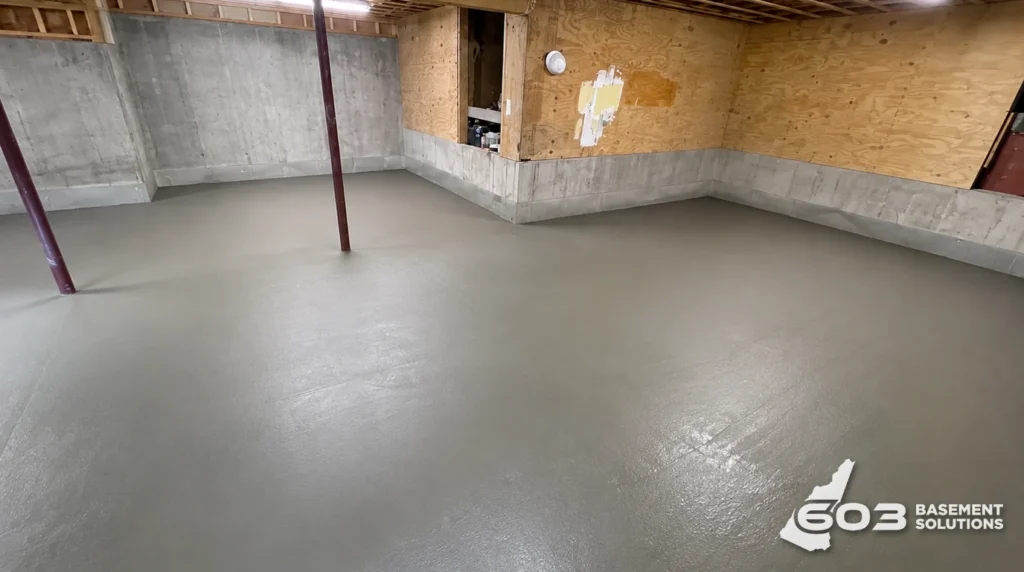
A written estimate should be specific enough that a homeowner can compare it to another. It should name the application: basement, driveway, or patio. It should describe what is removed, what is prepared, and what is poured. It should state whether the base is included, how water will be handled, and where joints are planned. It should list access limits and any work that is excluded. Measurements should reflect the actual work area, not a rough guess. Curing and use timing should be stated as job-specific questions, because they depend on the mix, weather, and application. If the estimate says leveling instead of replacement, it should explain why the existing concrete can stay. If it says replacement, it should explain what makes the existing slab unsuitable to keep.
Sometimes the right answer is no new slab. If the concrete is sound and only low, leveling may be the smaller and better choice. If a private parking pad has one settled area and the rest is intact, a full driveway reconstruction may be unnecessary. If a front step has dropped slightly and the entry still works, a smaller repair may be enough. The homeowner decision is to separate a small leveling request from an assumed reconstruction. That is not a sales position. It is a scope position. A contractor should be willing to say the existing slab can stay. If the surface is broken, hollow, or tied to a failed base, replacement may be the honest option. The decision should follow the condition, not the other way around.
Not necessarily. If the concrete is sound and only low, slab leveling may be the smaller option. That is different from replacement. A basement slab, driveway slab, and patio slab each have different fixed edges and water concerns. Check whether the concrete is cracked, hollow, or tied to a failed base. If it is intact, ask about leveling first. If it is broken, ask what replacement would include. The answer depends on the actual condition, not on a standard assumption.
Show us the concrete and we will tell you what is worth fixing, what can stay, and what still needs checking.

