



A garage-side slab and a widened street entrance are two different jobs, even if both are concrete.
A sound low panel may be worth leveling instead of demolishing.
Broken concrete or failed support may call for removal, base work, and a new slab.
A slab that carries the house needs a structural assessment before a pour is scoped.
Before anyone talks about pouring a new slab, find the actual complaint. A garage-side driveway panel that has settled often shows a gap or step at the joint by the garage door. Measure that joint first. Look for ponding, cracked edges, or a slab that moves underfoot. Those are inspection clues, not a diagnosis. If the slab is sound and the issue is a low spot, leveling may be the smaller answer. If the concrete is broken, scaled, or too far gone, replacement enters the conversation. The entrance only enters the inspection if the homeowner's complaint includes it. Keep the first visit about the slab in front of you.
Not every slab on the property has to be replaced in one visit. A sound basement slab with a cosmetic issue may stay. A driveway panel that is cracked but stable may stay if the homeowner can live with it. A patio slab that drains away from the house may stay even if the surface is worn. The decision is about function and risk, not appearance alone. If a slab is sound and low, leveling is a repair option to assess. If a slab is broken into pieces or sitting on a failed base, replacement is the honest scope. We separate what can stay from what should go, and we write that down.
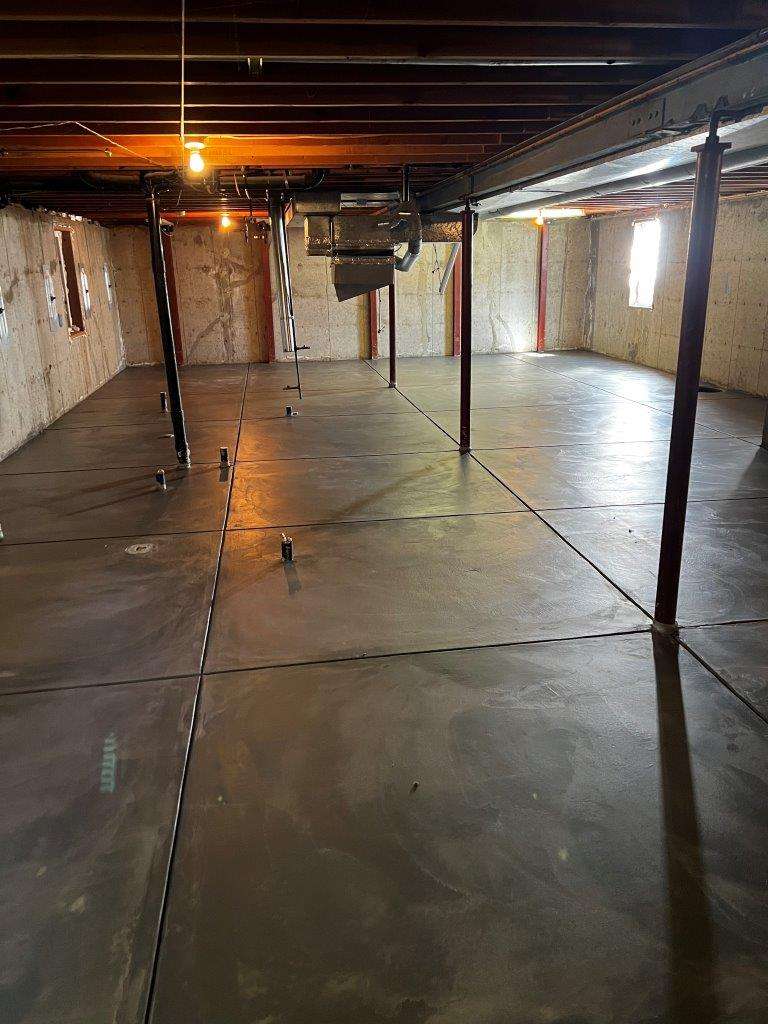
A replacement slab starts with removal limits. How much concrete comes out, and how far the removal extends, is a job-specific question. Base preparation and water management are also job-specific. The base has to support the slab, and water has to go somewhere other than under it. Access matters too. A backyard patio slab may need a different plan than a driveway panel near the street. Edges and joints are part of the plan. Joint layout is a planned part of the work, not an afterthought. Curing and use timing are questions for the written scope, because they depend on the slab and the weather. None of these are one-size answers.
NRMCA's slab-joint guidance is general technical guidance, not a specification for this house.
Rochester Public Works says construction or widening of a driveway entrance begins with an application to the City Engineer. That rule is about the road entrance, not a load-bearing slab. If a homeowner wants both a garage-side panel lifted and a wider entrance, keep those as separate scopes. The lift is a flatwork repair question. The widening is a municipal route question. Do not let one quote blur into the other, because the approval path and the work are not the same.
Read the Rochester source. We check the approval path against the proposed scope.

When a slab is sound and low, leveling may be the smaller repair. Slabjacking assessment looks at whether the slab can be raised without breaking it apart. If the concrete is sound and the base can be improved, leveling can be a reasonable path. If the slab is cracked through, settled unevenly, or sitting on a failed base, replacement may be the better scope. This is a method selection question, not a loyalty question. We do not claim leveling is always cheaper, and we do not claim replacement is always necessary. The honest answer depends on the slab. A written scope should say which method is being proposed and why, in plain language.
Some slab problems are not slab problems. Water that runs toward the house, a failed retaining edge, or a base that keeps moving may fall outside a concrete pour scope. If the slab is tied to a structure, that is a different conversation. If the driveway entrance is part of the complaint, another process may apply, and that is not a concrete method question. A structural slab does not always need piers, and we do not claim it does. The point is to name what is outside the scope before the quote, so you are not surprised later. If the work needs another trade, we will say so.
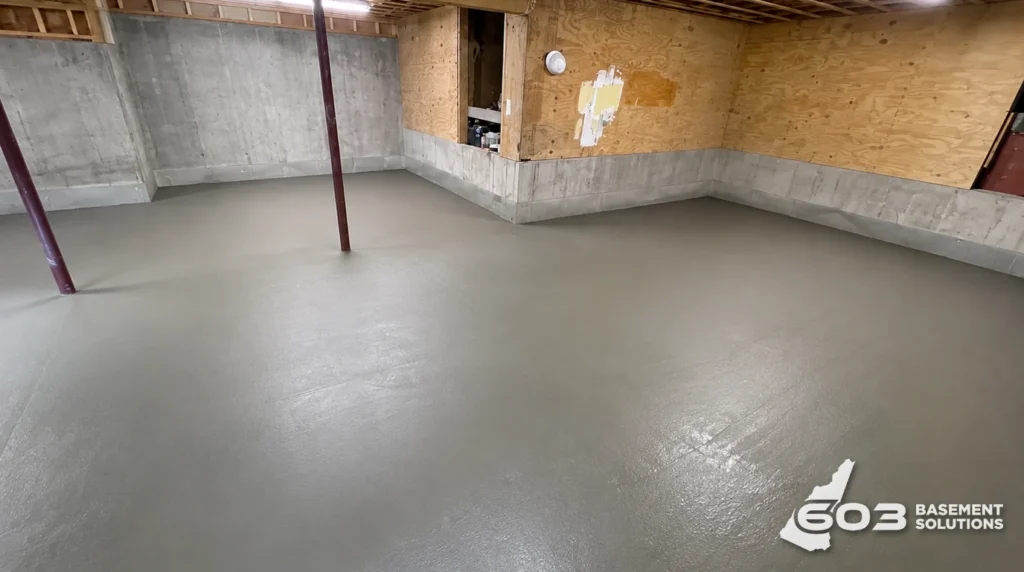
Measure before proposing. A driveway slab, a patio slab, and a basement slab each have different constraints. Access for equipment, slope, drainage, and the location of the joint by the garage door all affect the plan. The street entrance is a separate measurement if it is part of the complaint. We do not infer soil, water table, or local geology. Those are site-specific questions. A written estimate should show what was measured, what is included, and what is excluded. If the scope depends on removal depth or base condition, say that. If the homeowner wants both a lift and a widened entrance, give them separate scopes. Measurement is how the quote stays honest.
Sometimes the right answer is no work. A sound slab with a minor low spot may not need replacement. A garage-side panel that is stable may only need monitoring. A patio slab that drains correctly may not need a pour. We are willing to say the smaller scope is the better scope. That might mean leveling instead of replacement, or it might mean leaving a sound slab alone. The decision sequence is simple: inspect the joint, measure the slab, separate the scopes, and write down what is actually needed.
Not necessarily. A sound panel that is low may be a candidate for leveling rather than replacement. The first check is the joint by the garage door and whether the slab is stable. If the concrete is sound and the base can be improved, leveling may be the smaller scope. If the slab is broken or the base has failed, replacement may be the honest answer. Measure first, then decide.
Show us the concrete and we will tell you what is worth fixing, what can stay, and what still needs checking.

