



A damaged first-step edge calls for a stable tread and safe walking profile, not a cosmetic skim coat.
A broken first step or short walk edge in Groveland needs more than a smear of patch material. We check whether the step and adjoining walk are stable, where a foot lands, and whether a repaired edge would leave a safe rise. If the step itself is shifting or the slab beneath it is breaking, we will not dress up the surface and call it fixed. The proposal should say whether this is a local edge repair or a new step and walk.
Stand back far enough to see the walkway, the first step, the landing and the door. One chipped corner can be local damage. A run of cracks with different heights can point to movement. We note which surfaces are separate, whether a joint has opened, and whether water collects where people step. The decision cannot be made from an angled photo of the missing corner alone. We measure the transitions people actually use.
It matters where the injury to the concrete ends. We sound the step and nearby walk for loose areas, inspect the underside where visible, and look for a crack continuing behind the broken face. If a corner has sound material behind it, rebuilding the edge may be sensible. If the entire tread or riser is fractured, a small patch may have no stable anchor. That is where we stop and explain the replacement option.
The American Concrete Institute’s horizontal-spall repair guide calls for assessing the deterioration, removing unsound concrete and cleaning the remaining surface before repair material is placed. A first-step edge is a specific site, not an ACI-approved product recommendation. We choose preparation, material and finish after seeing the actual slab and its exposure. The estimate should show the edge being rebuilt and what support remains underneath it.

These are separate lanes. Concrete repair addresses local damage when the supporting concrete remains sound. An intact walk panel that has dropped could be a concrete leveling candidate, but a lift must be judged against the fixed step height and drainage afterward. A badly fractured step or walk may call for concrete slab pouring or replacement. A step tied to a moving foundation needs a structural and foundation repair inspection before its face is refinished.
We explain the likely appearance as well. A new edge against old concrete may show a color line. A repair might improve the walking profile without making the whole entrance look newly poured. If that appearance matters to you, say so before we scope the work. We will not make a small patch sound like full replacement.
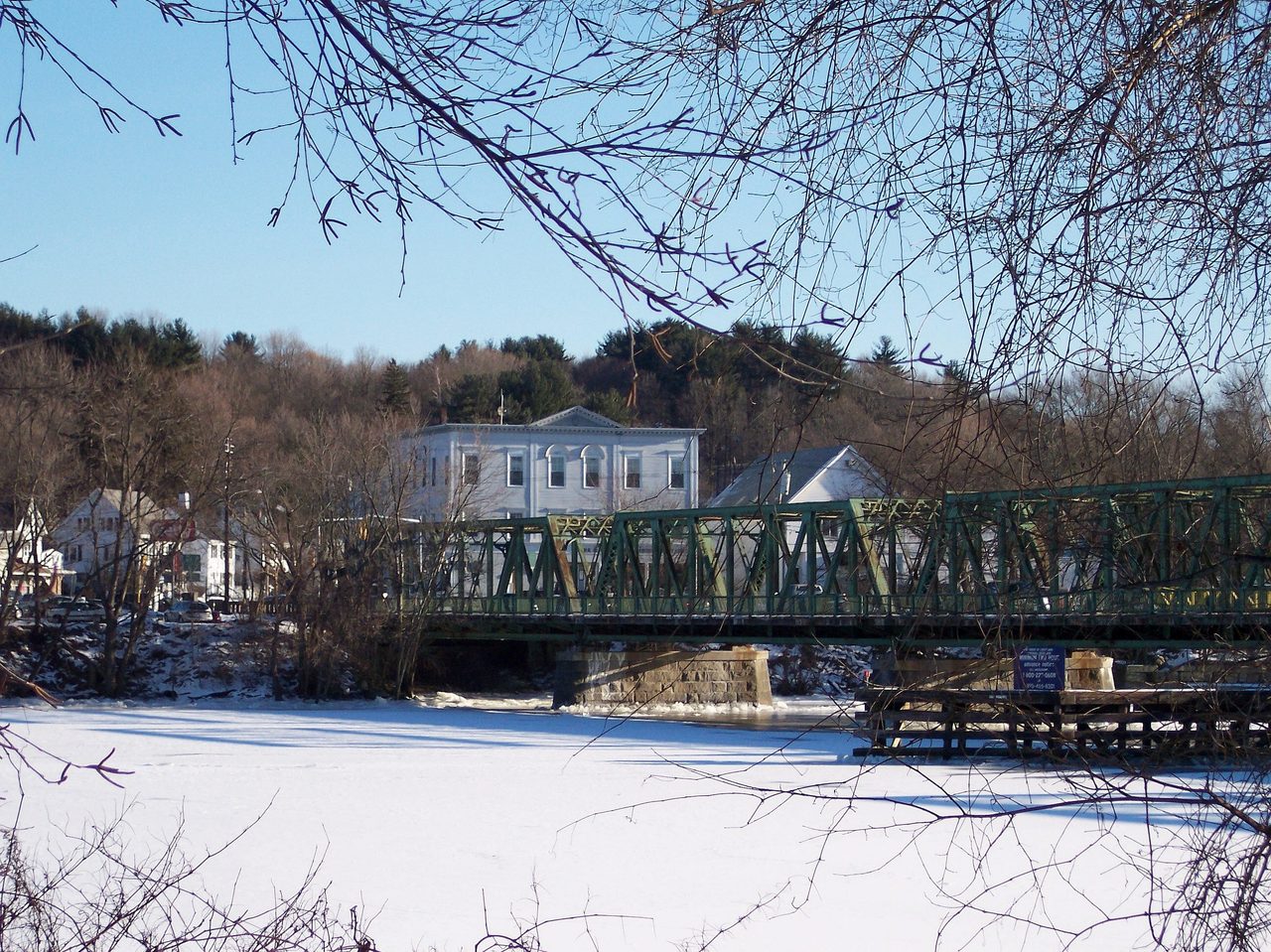
Groveland is in MassDOT Highway District 4’s listed service area. That fact does not put any particular walk or front step on a state highway. It does remind us to identify the owner of work near a state-road entrance if the damage extends toward the road. We keep the private step repair separate from a public-side walk or road-side drain. The photographed edge does not settle jurisdiction.
The walking route itself is the immediate homeowner question. Would a repaired first step leave an uneven rise to the next one? Does a patch project beyond the original step, or make the edge slippery when wet? We measure and discuss the final profile. If fixing only one corner would leave a hazardous mismatch, the scope needs to expand for a reason the homeowner can see, not because a generic package says to replace everything.


Google review · Customer experience
Mark Goulet ★★★★★
“Exceptional customer service start to finish! 603 Basement Solutions has obviously built their business by creating a culture focused on exceptional customer experiences. The whole team, from sales and execution to the business administration and a check in from one of the owners were all focused on providing value to me the customer. Thank you Liam, Angel, Jaina and Nik!”
Ask each contractor to mark the sound concrete, show the intended repair boundary and say what happens if the step has no sound material at the proposed cut. Ask how the chosen finish will handle foot traffic, weather and drainage. Return-to-use timing belongs to the actual material and conditions. Ask whether a dropped adjacent walk is included or expressly excluded, so the step repair does not get blamed for a separate movement problem.
The first tread also has an edge you can feel underfoot. We look for pieces that move when loaded and for a rough corner where a shoe could catch. Restoring the face without checking the top surface may leave the trip point. If the step itself is sound, a carefully bounded repair may solve both. If its whole front section is detached, a patch bonded to the small remaining strip is no favor to anyone using the entrance. The larger fix should be explained before demolition, not discovered in the invoice afterward.
Ask to see how the repaired step will meet the adjoining walk. If the walk is already low, building up the step may increase the mismatch. If water runs across the top and freezes near the edge, the water route deserves its own line in the discussion. We cannot promise that every winter crack is caused by one thing, but we can inspect where water goes and how the two pieces move. That is more useful than selling a standard step-patch package by the photograph.
Do not patch the first step while it continues to shift, the adjacent walk rocks, or a crack runs through the whole unit. Give us a wide view from the walk to the door and a close view of the damaged face. We can measure the route, show you the stable repair area if one exists and explain when rebuilding is the better answer.
Show us the affected concrete. We will explain what we measured, what can stay, and which scope fits the house.

