



We check the slab, its fixed edges, and the water path before recommending a lift.
If your tires hit one seam, point to that seam first. We measure its two edges and the garage threshold before talking about lifting anything. If the complaint is water by the garage, we follow the slope and ask where that water came from. Those are different jobs even when they sit on the same driveway.
The walk beside the house may also have a low panel. It deserves a separate look at the foundation-side edge and the route people use. We will not promise to make both surfaces perfectly flat. The useful target is a drive you can use and a walk that does not send water toward the building.
A garage approach is pinned by the door threshold at one end and other concrete or paving at the other. We measure the low area against both. The right lift is the amount that restores a usable transition without binding a panel or trapping rain at the garage.
If you show us a tire-catching seam, we focus on that seam. If the complaint is a puddle at the garage, we map its drainage. These are different finish goals even when they happen on the same driveway. A proposal should tell you which one we are trying to solve.

Injection can support an intact panel. It cannot fuse loose corners into a new slab. The ACI slabjacking guide warns against forcing movement where a panel is bound and says heavily distressed concrete may need replacement. We look for cracked edges, a worn top, and resistance from nearby surfaces before recommending a lift.
A foundation wall or footing that is moving needs its own diagnosis. We do not disguise that as driveway work. If the door sticks and the indoor floor has changed too, the building gets a separate inspection before a concrete-only estimate.
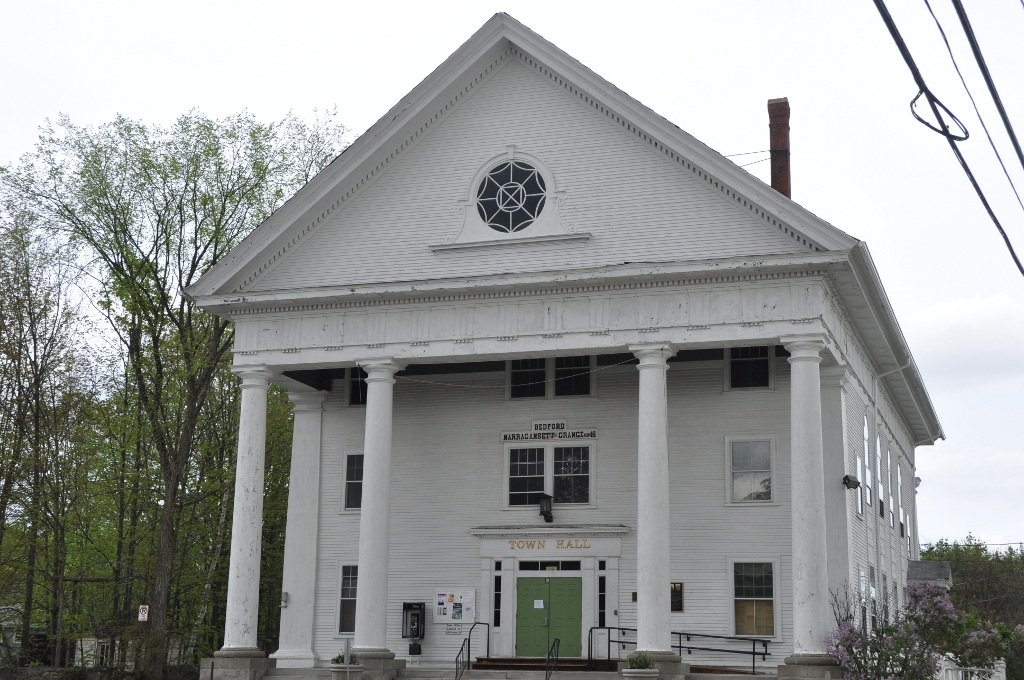
Bedford's road-construction standards say a residential driveway in the town right-of-way cannot divert or interrupt ditch-line runoff. A lift near the street cannot be planned just by making the slab look flat. The water path along the road edge and the private drive must still work after any height change.
Read the Bedford source. We confirm any approval question against the actual proposed work.
The written Bedford proposal should name the affected panels and show whether the work stays on private concrete or reaches the right-of-way. It should say how the target height relates to the garage door and to roadside drainage. If town approval is needed for a road-side change, that question belongs up front.
We also list what stays visible: old cracks, surface wear, or patches. Price depends on the slab condition, access, and amount of useful movement. We inspect free and write a quote for those conditions, not a generic square-foot number borrowed from a national pricing site.
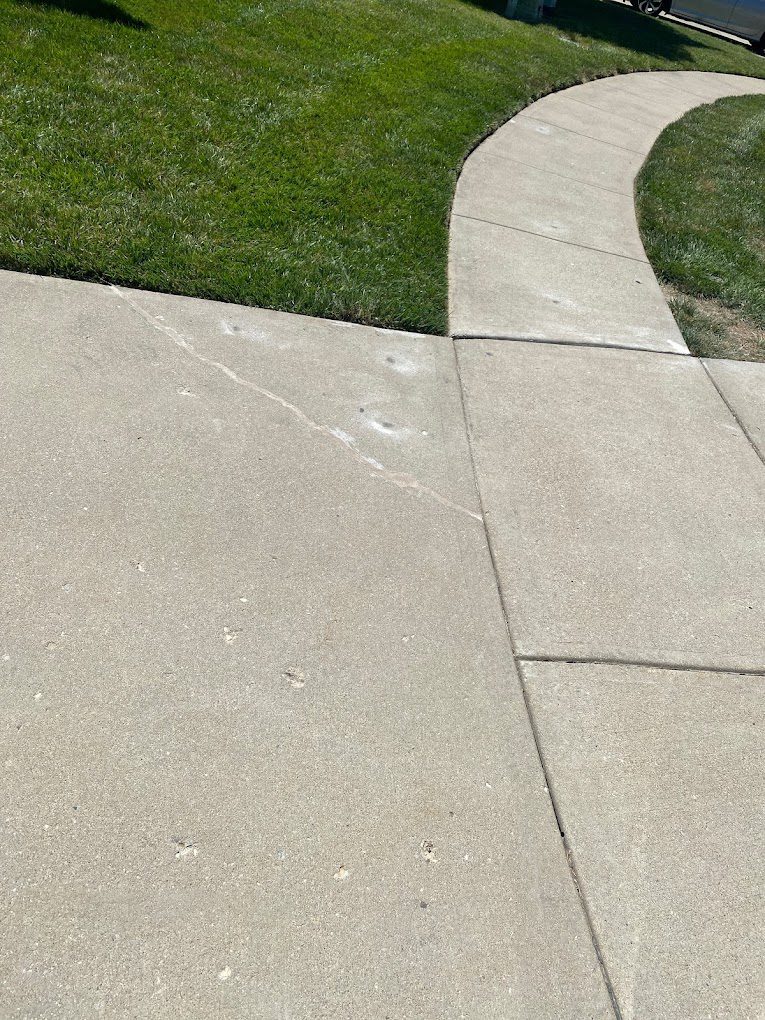
Mark the joint that bothered you. Compare it with the same photograph after repair. Then open the garage door and watch where a hose test or the next rain sends water. The result is not just a nicer-looking driveway; it has to work with the building and the road edge.
If the best safe lift is less than the original target because the panel binds, the crew should stop and explain that. Pushing harder can turn a repairable slab into a broken one. We would rather be plain about the limit.
Compare concrete leveling with a new pour for the driveway approach. For surface damage without settlement, compare concrete repair before paying for a lift. If the adjacent wall is moving, that belongs in a separate foundation assessment.
We will check the driveway approach and walkway beside the house as separate surfaces before writing a repair scope.
Show us the driveway approach in Bedford. We will explain the useful repair limit.

