



We check the slab, its fixed edges, and the water path before recommending a lift.
A driveway seam can catch a tire while the patio behind the house holds rain at the door. Both are concrete, but the goal is not the same. We mark the seam that bothers you, check each panel for cracks, and compare both with the parts that cannot move: the garage, the door threshold, and neighboring slabs.
If the patio is badly broken, lifting it will not give you a fresh surface. If the drive panel is sound, removing the whole thing may be needless. We will compare a lift, a surface repair, and a new pour where each actually fits. The estimate should tell you what remains visible after the work, including old cracks.
A patio panel can settle toward a wall. If you lift it, the finished slope should carry water away from the house without making the edge awkward at the door. We check the threshold and the next panel, not just the low corner. The repair goal is dry, usable space outside the door.
A visible crack may still be there afterward. Lifting changes support and position; it does not erase wear. We will say whether the crack needs its own repair or whether replacement gives you a better surface.

This is the first technical question. ACI's slabjacking guidance describes raising slabs, but it also cautions that poor support and severe distress matter. We inspect the top and edges, and we look for a void or loose fill below. If the concrete is breaking apart, forcing it upward is not a bargain.
If a foundation wall is cracked or an indoor floor is also sloping, we take a different path. A patio lift cannot stabilize a settling footing. We can inspect both concerns and separate them on paper so you do not pay for the wrong fix.
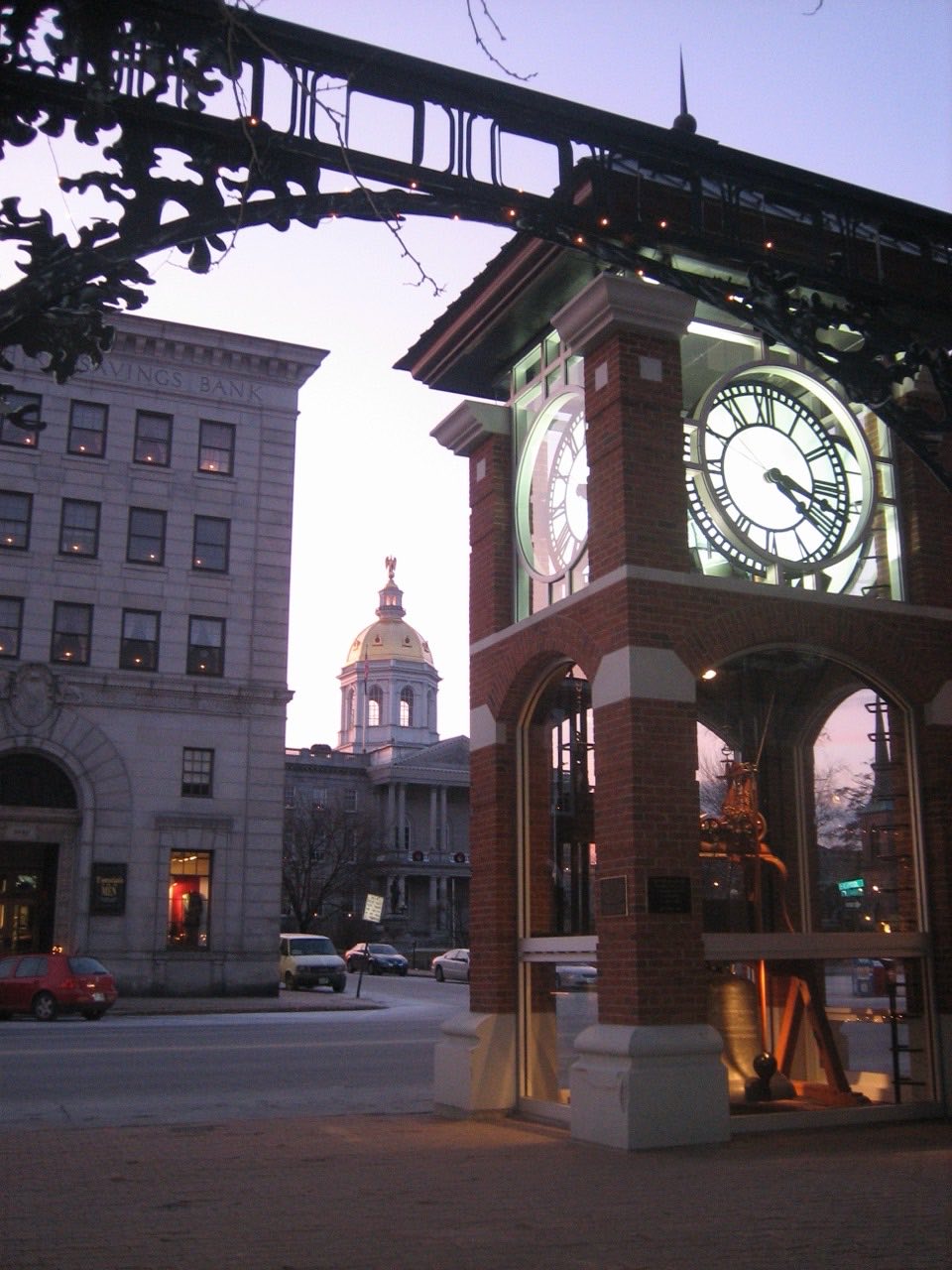
Concord Engineering lists a driveway-permit route through its city system and specifically mentions new drives. A sunken private patio is not the same scope as a driveway entrance. If our inspection points to work at the street connection, the estimate should call that boundary out instead of burying it in a generic concrete price; the city can confirm the permit route for the actual work.
Read the Concord source. We confirm any approval question against the actual proposed work.
It should name the driveway or patio panels, show the target edge, and say what happens to visible cracks. It should state whether water, a downspout, or the road-side boundary changes the recommendation. If the city entrance is involved, that belongs as a separate permission question, not a sentence hidden in fine print.
We price after seeing the slab. A small joint correction is not the same job as removing several broken panels. The free inspection is where we make that call and show you both options when both are viable.
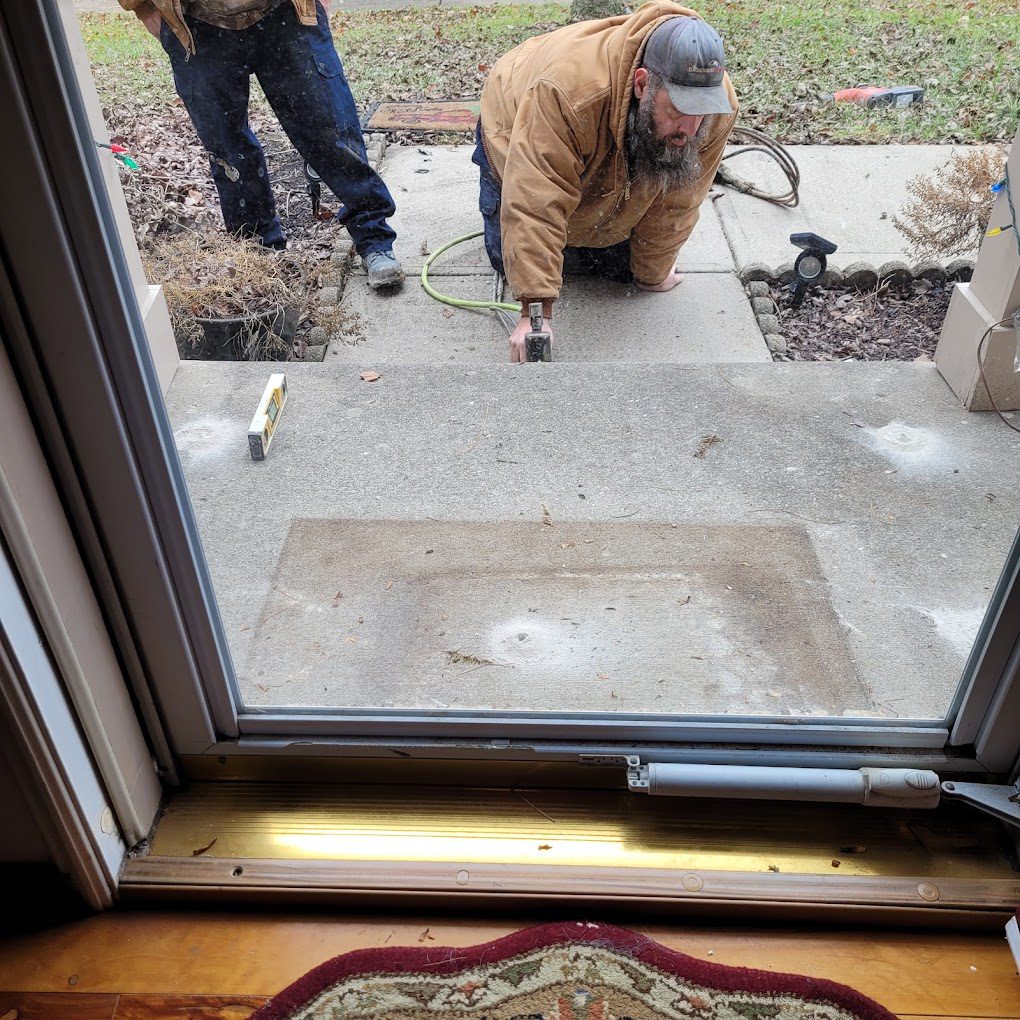
Photograph the problem from a fixed point, perhaps the garage door or the patio threshold. Take the same view afterward. Is the trip edge smaller? Does the door work? Does water still collect against the wall? Those questions matter more than whether every panel looks ruler-flat from the street.
We should also leave you knowing what remains. Old stains and cracks do not vanish because the panel moved. If the appearance is the chief concern, a new pour may be the right conversation from the start.
Compare concrete leveling with a new pour for the driveway seam. For surface damage without settlement, compare concrete repair before paying for a lift. If the adjacent wall is moving, that belongs in a separate foundation assessment.
We will check the driveway seam and patio panel as separate surfaces before writing a repair scope.
Show us the driveway seam in Concord. We will explain the useful repair limit.

