



A useful patio lift preserves the water route as well as the walking edge.
A settled Lunenburg patio or driveway panel may be worth lifting if it is intact, but a cleaner-looking joint is not enough. 603 Basement Solutions would measure where rainwater goes before and after the proposed rise. A lift that removes a trip edge while tilting water toward a door, basement wall or neighbor is not a successful repair. Lunenburg’s stormwater guidance names driveways among possible runoff sources and asks residents to watch erosion and water leaving property. That public guidance does not diagnose settlement on any particular lot or create a blanket permit for private leveling. It gives us a good reason to observe the actual water route rather than guess.
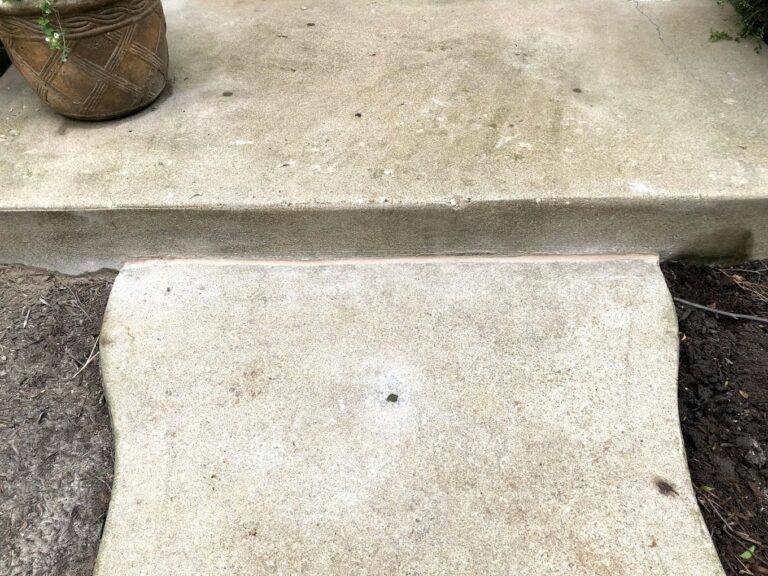
We begin by identifying the concrete piece that appears low. A coherent panel surrounded by working joints may be raised; a slab broken into loose sections may not be. We measure the height difference at each edge, tilt across the panel, the level of fixed door or stair thresholds and the nearest surfaces that will not move. Then we sketch a plausible finished plane. A one-inch change at the visible joint can matter much more at the opposite edge. The homeowner should be able to see what problem is solved and what new transition might be created.
Water is observed, not inferred from a town page. We ask for photographs during or after rain, look for actual ponding marks, check downspout outlets and measure existing slope. Some properties may have no drainage concern at the low panel; others may have a route that depends on its current height. We do not claim that runoff caused the settlement without evidence. The purpose of the water review is narrower and more useful: will the proposed lift make the post-repair path better or worse?
Technical evaluation is separate from a sales promise. ACI RAP-11 describes assessing a suitable settled slab and raising it in controlled steps. It does not supply a fixed injection-hole map for this property or prove what is underneath the concrete. A sound panel may rise smoothly; if one corner binds or a crack opens, the crew needs a stop condition. The estimate should name retained concrete, target elevations, likely access holes and any drainage item outside the lift. A quote that simply says “poly level patio” leaves too much of the outcome undefined.
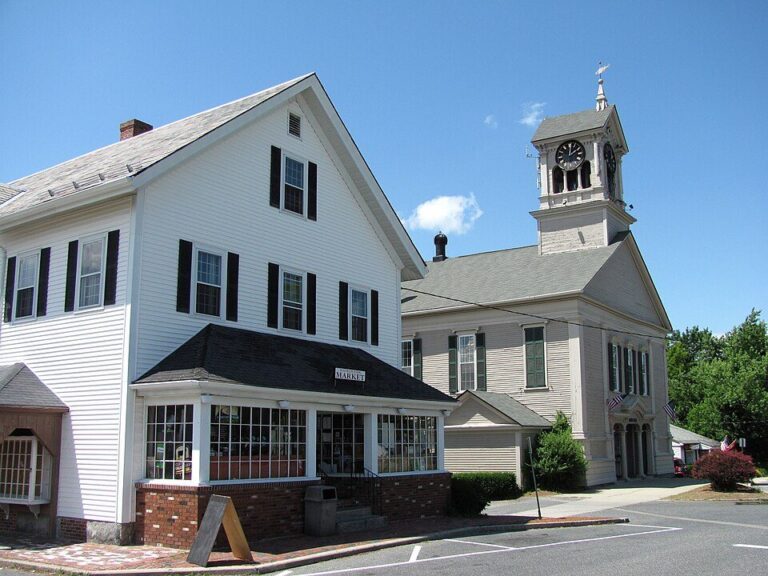
Lunenburg’s Stormwater Management page explains runoff and lists driveways among surfaces that can carry pollution. It encourages residents to monitor erosion and water leaving property by a drive. That advice applies to observation; it does not establish that this slab drains to a specific street basin, that a private patio needs town stormwater approval, or that every low panel resulted from erosion. The town page includes an old program timeline, which we do not use as a current project date or local-condition claim.
For a driveway panel, we would follow the grade from the garage or parking area to the road edge. For a patio, we would follow it from the house toward the yard or drain. The intended finish elevation must preserve a sensible route. If lifting one edge sends water across a neighbor’s line or toward a foundation, we should adjust the scope, discuss independent drainage work, or stop. In some cases, the slab can only move a small amount while maintaining the existing water direction. A visible lip may remain and replacement with new geometry may be a better long-term decision.
We also identify whether the work stays private. A road-facing driveway change can raise ownership or access questions unrelated to a backyard patio. We will not infer the public boundary from pavement appearance or apply a stormwater education page as a permit rule. A written scope can show exactly which panel is being lifted and whether any apron, curb or public-side surface is untouched. If work expands into that area, the current town process needs to be checked separately.
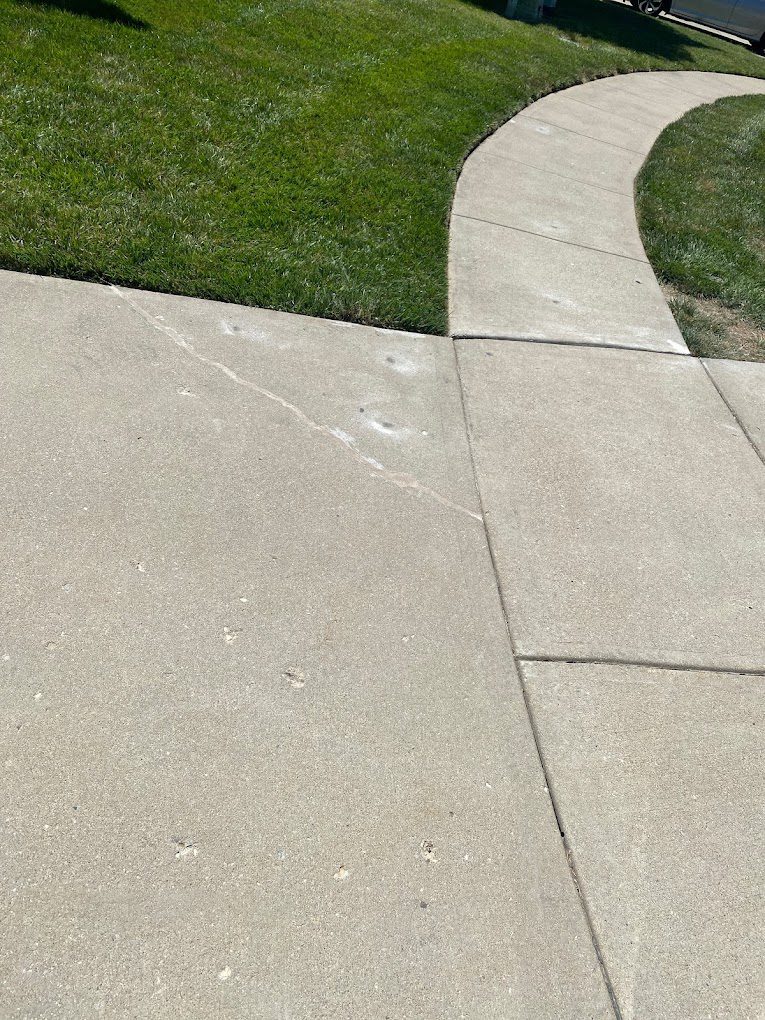
If a slab has local chips but is at a useful height, concrete repair may treat its material loss. If it remains sound but has settled as a piece, concrete leveling may preserve it. If it has fractured, the base needs reconstruction, or the fixed edges and water route cannot be reconciled by lifting, concrete slab pouring allows new geometry. Replacement is more intrusive and involves base preparation, joints and curing, but it can be the right choice when the existing piece cannot deliver a safe plane.
An exterior panel is not a substitute for structural and foundation repair. If the moving surface is a bearing floor, attached stoop or symptom of a changing foundation wall, the building load path comes first. We would explain why the chosen service matches the observed condition and what evidence would reverse that choice. A homeowner should not have to buy an injection treatment to learn that their actual problem requires a different investigation.
Send a wide view of the whole patio or drive with the house and far edge visible, then close photos of each joint and crack. If water collects or runs visibly, photograph it while that is happening. Note any downspout, drain or utility cover nearby, without assuming it is the cause. A ruler at the uneven joint helps us see magnitude, but we will still measure slopes and fixed thresholds on site. Ask the estimator to show the expected finished water path and to state which drainage changes are, or are not, included.

Google review · Customer experience
Ricky Breton ★★★★★
“Amazing experience from start to finish! 603 basement solutions replaced all of my Lally columns. The whole crew was respectful efficient and professional. Very happy with the job and I would highly recommend them to anyone who cares about professionalism”
Do not lift concrete that cannot move together as one sound piece. Do not erase a trip lip by sending water toward a door, house wall or neighboring property. Do not treat Lunenburg’s general stormwater guidance as proof that your driveway drains to a town basin or that a private patio requires a new permit. If the grade conflict cannot be solved within the existing slab, compare replacement geometry instead. If the house itself is moving, investigate the structure before adjusting an exterior surface.
We will inspect the affected panel, explain what can be kept, and put a useful scope in writing.

