



Locate the private panel and curb boundary before setting a driveway lift height.
For a Saugus driveway with a dropped concrete panel near the street, the first decision is where the private repair stops. A sound private panel may be liftable, but its new elevation has to meet the existing apron without a new vehicle bump or a runoff path toward the house. Work on a curb, public sidewalk, or right-of-way is a separate scope. We measure the low panel and its fixed boundaries before recommending injection. Broken concrete may need replacement; movement in the house foundation needs structural attention.
The joint a driver feels is not always the lowest point on the panel. A slab can tilt along its length and cross-slope, making one tire path worse than the other. We check both wheel tracks, the garage-side end, and the approach at the street. A full-panel lift chosen from one photograph may improve the left side and create a ridge on the right. The intended finished height should be stated at more than one edge.
Stand at the street and look toward the garage, then reverse the view. Note where rain travels along the joints and whether a low spot sits beside a fixed curb or another concrete panel. A scrape from the vehicle undercarriage is useful information, but it does not diagnose what is beneath the slab. We separate the observable elevation problem from any assumed cause. Our inspection checks the panel condition and whether visible drainage or voiding suggests further investigation.

An intact panel with a clean joint may move more predictably than a slab fragmented by several through-cracks. We check for loose sections, heavy spalling, and binding against fixed surfaces. The American Concrete Institute’s slabjacking guide says injected material can align a settled slab, but it does not correct poor supporting soil. The guide also warns that binding can prevent the desired lift and that distressed slabs should be compared with removal and replacement. A contractor cannot honestly infer a permanent fix or a specific lift tolerance from the town name.
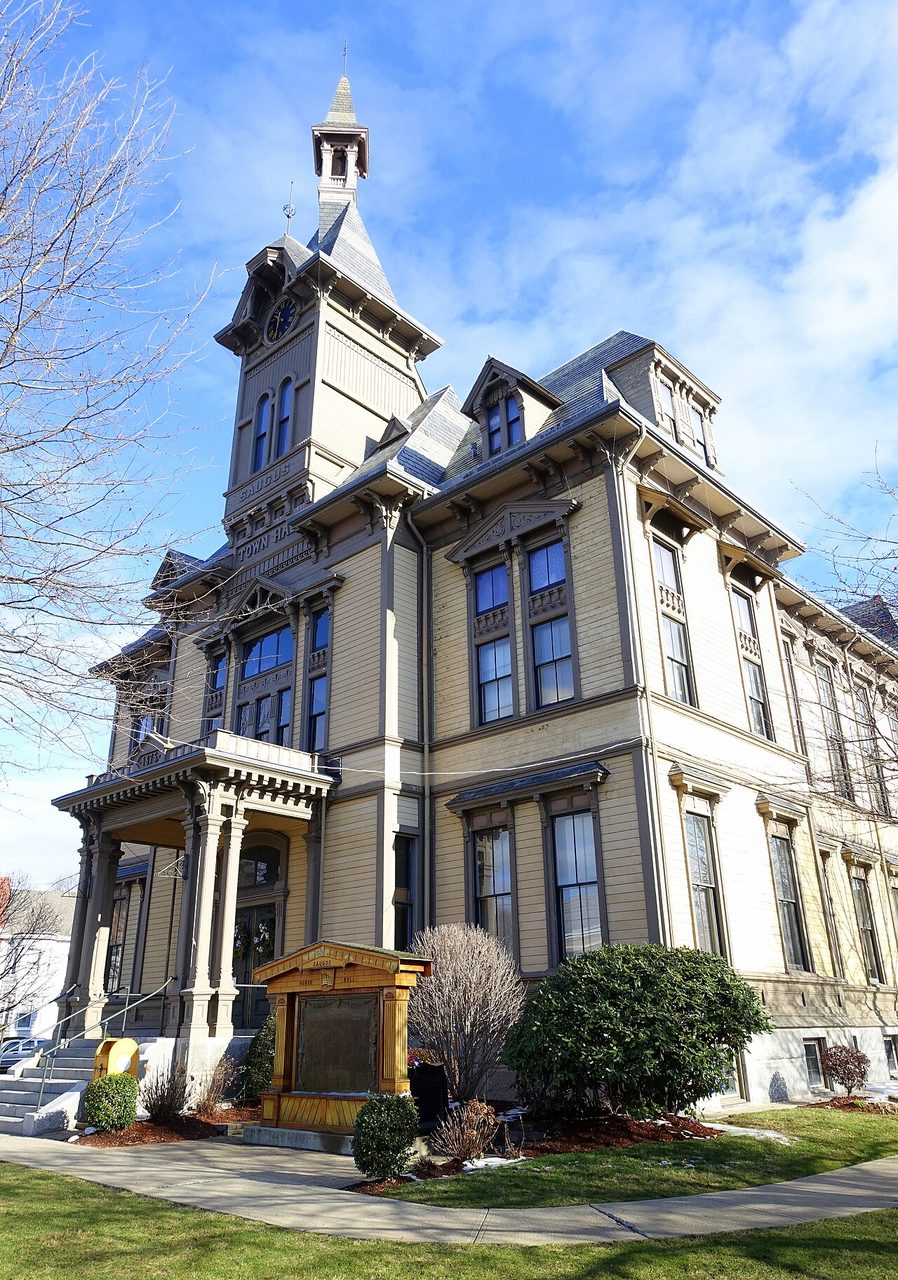
Saugus DPW’s street-opening, right-of-way and curb-cut form distinguishes work on the public right-of-way, sidewalk, driveway, and curb. The form is relevant if a proposed scope crosses into those areas. It is not evidence that a private panel lift automatically needs a street-opening permit. We need to mark the property-side concrete, adjoining apron, and curb separately before quoting or planning equipment access.
That distinction affects the repair itself. Raising a private slab to meet a fixed curb line may be impossible without creating a sharp slope through the remaining private approach. Conversely, replacing a curb or public sidewalk is not a casual add-on to a homeowner’s driveway injection quote. If the only acceptable height requires changing a public-side surface, we should stop and define that as a different project with the right authority before work is sold.
The written estimate should name the exact panel, whether any apron or curb work is excluded, and how the intended grade will handle both water and tires. It should also identify any staging assumptions. A seemingly small lift can become a different job if it depends on access to the public way, so confirming the boundary early protects the homeowner from a surprise mid-project.
Concrete leveling retains and repositions a sound existing slab-on-ground. A worn surface at an acceptable elevation is a concrete repair question. A panel with failing material or an unusable overall layout may call for concrete slab pouring instead. Those services are related but not synonyms. Injection will not rebuild a crumbling corner; a thin patch will not realign the entire panel; a fresh pour is more work than necessary if the current piece can be kept and the final grade works.
If cracks or movement continue into a wall, footing, or building floor, start with Structural & Foundation Repair. An exterior driveway panel does not carry the same load as the house foundation. Fixing one does not prove the other is stable. We would document the concern and explain which specialist assessment belongs before any cosmetic exterior decision.

Google review · Customer experience
Aimee Workum ★★★★★
“The initial inspection was extremely thorough. Liam took the time to inspect not only our basement, but the entire house. He was very knowledgeable and provided helpful feedback on additional items we should keep an eye on.
The Phase 1 support installation went smoothly. The lead installer was also highly knowledgeable and took the time to answer all of our questions, including those beyond the scope of the installation and related to Phase 2.
Overall, we are very pleased with 603 Basement Solutions and plan to use them again for Phase 2 in the future.”
We would not recommend a lift if the panel is too damaged to move as a unit, if the curb or adjoining concrete prevents a safe transition, or if the proposed grade sends water toward the garage or a neighbor. We would also hold off if an active loss of support is suspected and the cause has not been considered. ACI explicitly distinguishes restoring slab elevation from correcting poor soil. A surface that immediately settles again is not a successful decision just because it looked level on completion day.
Sometimes the responsible choice is to monitor. Measure the step, take dated photographs, and compare after use and rain if the lip is small and no safety or drainage issue is present. If the problem is a trip edge or vehicle strike, the inspection should focus on that consequence rather than sell a generic number of injection points. Old concrete remains old; visible patches, stains, and previous cracks can remain after a lift.

Bring photos that include the street-to-garage route, both wheel tracks, and a ruler at the worst joint. Tell us whether rain stands anywhere and whether the curb, apron, or sidewalk appears involved. We will check the surface, its fixed boundaries, and the private/public work limit. A useful proposal states the panel to keep or replace, target transitions, runoff objective, access needs, and exclusions. If no lift can make the full route better, we should say so plainly.
Ask how we will judge completion before approving a method. A single photograph from the street can hide a new ridge near the garage; a photograph from the garage can hide a bad approach at the curb. The estimate should identify the edge or edges that matter, whether the existing cracks remain, and how injection holes will be finished. If the vehicle transition and runoff cannot both be improved within the private scope, that should appear as a limitation in writing. A measured answer is more valuable than the broad promise that the driveway will be “level.”
We will inspect the affected panel, explain what can be kept, and put a useful scope in writing.

