



A low slab, a broken edge, and a moving crack are three different repair decisions.
Sound surrounding concrete with a limited damaged edge may support a focused repair.
A sound but low slab belongs in a concrete-leveling assessment.
Broken pieces may need a new pour. Movement tied to the building needs a structural check.
Before we talk about repair, figure out what the concrete is doing. A sound but low patio slab or entry walk is a flatwork issue. A broken edge or a surface crack that has not moved is often a repair candidate. A slab cracked into separate pieces that move underfoot is a replacement conversation. A crack that follows a wall or runs through a foundation area may be tied to building movement, and that is not the same job. Note whether water stands against the house or the slab simply has an uneven joint. The cause changes what we should price. We look at the whole slab, not only the crack you called about.
Not every slab needs to come out. A sound panel that is low can sometimes be lifted or left alone if drainage is fine. A chipped edge or a shallow surface defect can be repaired without replacing the whole pour. A slab that is cracked into loose pieces, sinking unevenly, or holding water against the house is usually a removal and re-pour candidate. The decision comes down to whether the slab is still one piece, whether it is still supported, and whether water is going where it should. We will tell you when removal is the honest answer and when it is overkill.
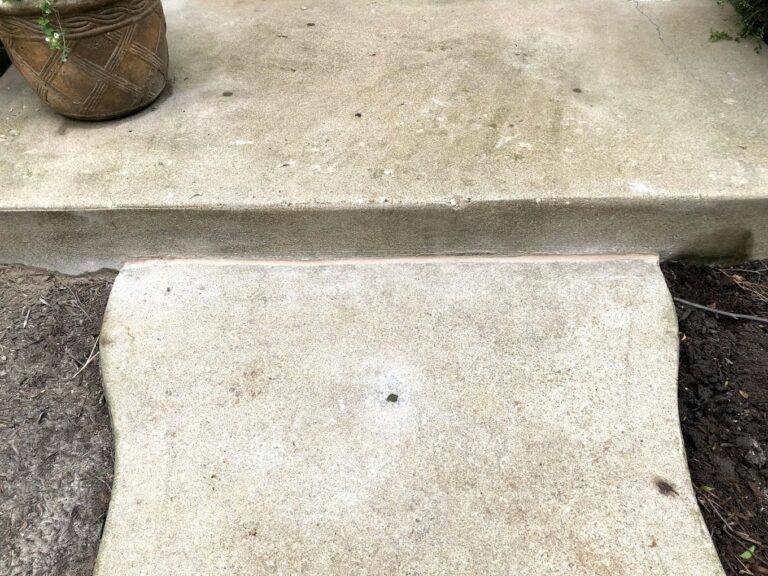
Concrete repair is not one method. A low but sound slab may be a candidate for slabjacking, where material is injected under the panel to raise it. A broken edge or surface spall may call for cleaning and patching. A slab that has failed structurally may need removal and a new pour. A crack tied to building movement needs an assessment of the movement first, because patching a moving crack is a temporary fix. We choose based on what we find.
ACI's horizontal repair guide is general technical guidance, not a specification for this house.
Milford Community Development directs residents and contractors to its online permitting system for permit questions and applications. That does not mean every private slab lift needs a permit. We can document the proposed concrete scope and ask the town only when the work touches an area or activity it regulates.
Read the Milford source. We check the approval path against the proposed scope.
Concrete repair has limits. We do not fix the source of building movement, and we do not pretend a crack is only cosmetic when it is not. If a slab is tied to a foundation problem, that is a different scope. If water is standing against the house because of grading, the concrete may not be the real issue. If a repair is outside what we can document and price clearly, we will say so. We also will not claim a structural slab always needs piers or that leveling is always cheaper. Those are job-specific calls. The honest answer is sometimes that the concrete is not the main problem.
We look at how the slab drains, how close it sits to the house, and whether the work area is accessible. A patio slab or entry walk may be straightforward, but we still check for water standing against the house or an uneven joint. Those details change the scope and the price. You decide whether the repair is worth doing now or later. We explain what we find and what each option involves, so you can weigh the cost against the benefit. If the slab is settling or a joint has shifted, we can discuss whether lifting makes sense for your situation. You get a clear picture before you commit to any work.

A written estimate should say what is being repaired, what is being removed, and what is being left alone. We measure the slab, note the crack pattern, and record where water stands. If the scope is a lift, the estimate says so. If the scope is a patch, the estimate says so. If the scope is removal and re-pour, the estimate says that too. We do not price from a photo alone when the cause is unclear. The estimate is a document you can compare, not a verbal guess. If the scope changes after we open it up, we tell you before we proceed.
Sometimes the right answer is no work. A sound slab with an uneven joint that drains fine may not need anything. A hairline crack that has not moved may be a monitor-it item. A patio slab that is low but stable and not holding water against the house may be left alone. We will tell you when a repair is not worth the money. If you are not sure, note whether water stands against the house or the slab simply has an uneven joint. That one detail often decides whether we price a repair or tell you to wait.
Look at whether the slab is still one piece and whether water stands against the house. A sound but low slab may be a lift candidate. A broken edge or surface crack may be repairable. A slab cracked into moving pieces is usually a removal and re-pour. A crack tied to building movement needs a different assessment. We inspect and give you a written scope before any work.
Show us the concrete and we will tell you what is worth fixing, what can stay, and what still needs checking.

