



A parking-pad spall deserves a sound-edge check before resurfacing or curb work is considered.
A spall on a Nahant home’s private parking pad can be repaired only if the concrete around it is sound enough to retain and the finished grade still drains sensibly. We would test the damaged area, look for a moving crack or unsupported edge, and distinguish a limited patch from resurfacing the entire driveway or changing its curb cut. Nahant’s own FAQ makes that distinction relevant, but a town-wide rule does not tell us what condition exists at your address. We would not assume salt damage, flood exposure or a permit result from the town name alone.
The first question is whether the missing surface is a small bounded defect or a sign of a panel failing beneath vehicle load. We would photograph the pad from the road and from the parking position, mark where tires turn, and inspect the nearest joints. We would tap and probe beyond the visible break to locate firm concrete. A small area of scaling may leave a useful slab; a larger zone that sounds hollow, rocks or has through-cracks deserves a different discussion. We would measure a lip or depression rather than labeling it settlement without evidence.
Water is part of the inspection. The finished patch must not produce a hump that sends runoff toward the house, another property or an awkward standing-water pocket. We would observe existing slope and ask for rain-time observations if dry-weather inspection is inconclusive. A wet surface alone does not prove what caused deterioration. We would also look for an old patch; its failure may be due to weak preparation, ongoing movement or another condition that has to be tested rather than guessed.
Take a close-up with a ruler, one view that shows the whole pad and driveway opening, and a low-angle view across any step. Tell us whether vehicles strike the defect, whether the panel moves, and whether rainwater crosses the same edge. Do not stand in the road for the image. These clues focus the visit but cannot prove depth, ownership or cure requirements. We would check the panel in person before turning them into a recommendation.

ACI RAP-7 explains horizontal spall repair as removal of unsound material, proper substrate preparation, appropriate repair-system selection and placement, and protected curing. We would mark what will be removed and identify where sound concrete remains. If a supposed small repair becomes a broad area of weak material once prepared, we would stop and show the homeowner the finding before changing the job. A skim over loose concrete is not a substitute for this inspection.
The selected system depends on depth, exposure, traffic and its manufacturer instructions. Existing joints should remain functional, and the repair should not alter a safe driving plane. We cannot promise a universal reopening time or a color match to weathered concrete. A parking pad may need to be kept free of vehicles during cure; we would plan that disruption before scheduling. If the owner cannot safely park elsewhere, staging is a real project constraint, not a footnote.
We would explain whether a bounded repair is economically sensible relative to replacing a failed panel. Several separate weak areas may make repeated patching less attractive than one properly planned replacement. A single small sound-edged spall need not trigger whole-pad reconstruction. The estimate should make that reasoning visible so the homeowner can judge the value, not just the lowest price.
The parking layout can change that choice. If a wheel turns directly over a narrow corner every day, the finished detail needs a reliable edge, not a fragile wedge placed for appearance. We would mark the tire path and joint geometry on the site sketch. If the defect is away from normal traffic and remains stable, monitoring may be enough. This is why a useful inspection includes how the space is used, not just the square inches missing from a photo.
We would not infer that all outdoor concrete in Nahant has the same exposure. A particular pad’s shade, drainage, use and repair history are measurable; generic coastal assumptions are not. If the owner reports deicing product use or repeated wetting, we can document it, but we should not silently make it the diagnosis. The preparation and product choice must follow the observed condition.
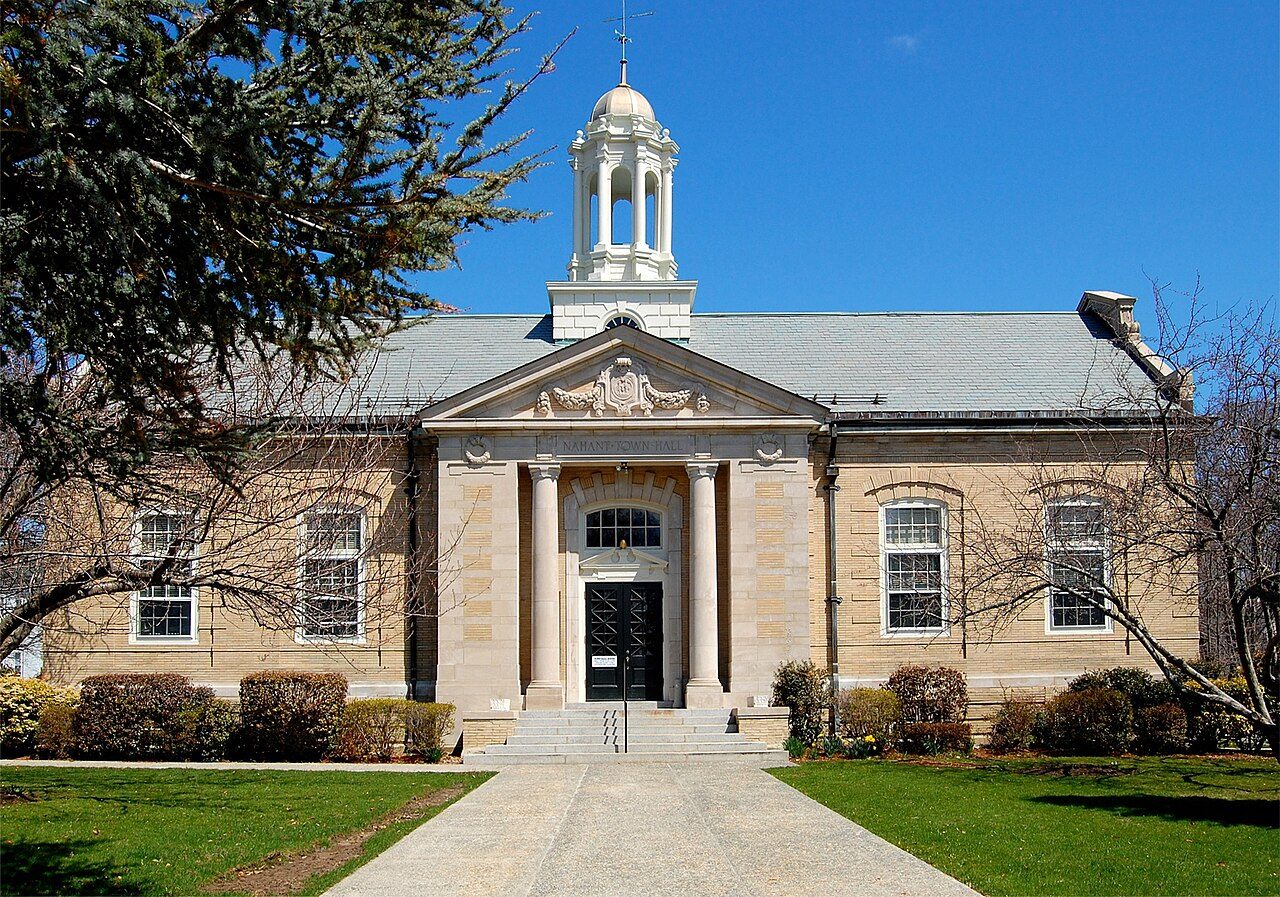
Nahant’s municipal FAQ says a permit to resurface a driveway is needed only if a curb cut or other street opening is required, and directs residents to DPW. A limited concrete patch is not automatically the same as full resurfacing. We would mark the actual work area and ask whether the existing curb opening or street is being changed. If the scope reaches that point, the town should confirm current requirements. If it stays on a private panel, the FAQ is context, not a reason to invent a curb-cut project.
The public/private line matters for a second reason: an estimate should not promise to repair town pavement as though it were part of a homeowner’s parking pad. If ownership is uncertain, we would seek records or a survey rather than infer it from the visible pavement seam. That can prevent a small surface repair from becoming a dispute over the wrong concrete.


Google review · Customer experience
Mark Goulet ★★★★★
“Exceptional customer service start to finish! 603 Basement Solutions has obviously built their business by creating a culture focused on exceptional customer experiences. The whole team, from sales and execution to the business administration and a check in from one of the owners were all focused on providing value to me the customer. Thank you Liam, Angel, Jaina and Nik!”
If the panel is sound but low, assess concrete leveling after measuring the step, support and water path; a patch will not lift it. If the panel is fractured through or unsupported, compare concrete slab pouring after planning base, grade and joints. Evidence of movement in a building’s load path calls for structural and foundation repair assessment, not a parking-pad patch. A harmless color change on a safe stable slab may not be worth purchasing any concrete work yet.
We would give a Nahant homeowner the measured defect, what sound concrete can stay, what the patch would include, how parking access is handled and what observation would change the recommendation. That is a stronger basis for a decision than assuming every blemish on a seaside-town driveway has the same cause.
Show us the affected concrete. We will explain what we measured, what can stay, and which scope fits the house.

