



A private walk edge should be scoped separately from a town sidewalk or roadway panel.
A broken edge on a Natick home’s private walk or driveway panel may be repairable when the remaining slab is sound and supported. The practical question is whether the defect is truly on the owner’s concrete or part of a town sidewalk or roadway interface. We would verify the work limit, measure a trip step, test the depth of loose material and check the water route. We would not quote a private patch as if it authorizes work on a town-maintained surface. Nor would we call a dropped panel a surface-repair problem.
The same visible chip can have different consequences depending on where a person walks or a tire crosses. We would start with a wide view showing the house route, driveway, sidewalk and road, then examine the damage close up. Is the edge a shallow spall, a joint with a height difference, or a through-crack across a panel? Does the neighboring piece rock? Is there a sharp edge where a foot lands? These observations tell us whether a limited repair will improve actual use rather than just appearance.
We would probe to sound concrete and mark the proposed removal. If the damage continues beneath the surface, a small cosmetic cap may separate. We would inspect an existing joint before deciding whether it must remain open; filling a moving seam rigidly may shift the crack. If the finished patch would create a new raised lip, the repair design needs to change. Measurements and the intended finished plane belong in the estimate.
Send one close-up with a ruler and two wide views, one from the house and one from the road side. Note whether the step changes seasonally, whether an earlier patch came loose and where water runs after rain. If ownership of a panel is uncertain, property records or a survey may be needed; photographs do not establish the line. These clues help us ask the right questions, not give a remote guarantee about support or permit status.

ACI RAP-7 describes a horizontal spall-repair sequence: remove unsound concrete, prepare the substrate, choose a suitable repair system, place it correctly and protect curing. We would state which steps apply to the actual defect and where sound material begins. If preparation exposes a larger weak area, we would document it and seek approval before expanding the scope. A thin patch over unstable material is not the same as a designed repair.
Material and cure must fit depth, exposure, pedestrian or vehicle traffic and the manufacturer’s directions. A small walk repair may temporarily close the usual path. We would plan an alternate route when needed, preserve safe grade and avoid diverting water toward the entrance. New repair material may contrast with older concrete, and no single reopening time fits every job. The homeowner should hear those limits before deciding whether saving the slab is worth the disruption.
If the owner expects to replace the full panel soon, a durable-looking isolated patch could be wasted spending unless there is a current safety issue. We would make a temporary hazard response separate from a final repair. Conversely, if the slab is sound and only one edge is lost, replacing every adjacent panel could be unnecessary. A written comparison should explain both sides.
The estimate should also identify who will protect the adjoining surface while removing unsound concrete. A small repair near a sidewalk joint can chip an otherwise sound edge if the removal boundary is not planned. We would photograph the preexisting condition, mark the work limit and discuss cleanup and pedestrian access. Those details matter because an owner may reasonably expect the finished transition, not just the patch itself, to be safe. The quote should say what is included if the adjoining panel also proves weak.
A homeowner may have an upcoming driveway or landscape project. We would ask about that schedule before prescribing a standalone repair. The least disruptive plan may be to coordinate scopes if sound concrete can be kept safe in the meantime. If a loose edge is an immediate trip concern, a temporary measure should be named honestly. This protects the owner from paying for a patch that will be demolished by the next planned job.
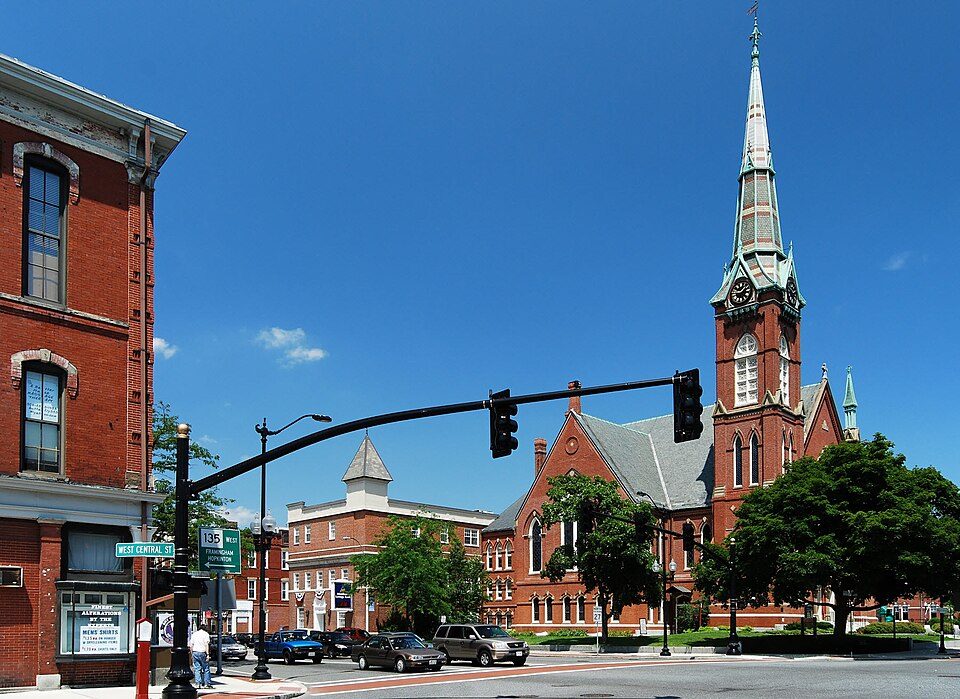
The Natick Department of Public Works administers the town’s roadways and sidewalks. Its construction standards cover roadway infrastructure installations. That tells us town infrastructure has its own process, not that every concrete panel near the street belongs to the town. We would establish the actual work boundary before promising to alter a sidewalk or curb. If the project reaches public infrastructure, Natick should clarify applicable requirements for that location and plan.
If the repair stays on a private walk, we should not inflate it into a roadway job. If it includes a public panel, we should not hide that inside a private repair quote. This distinction affects access, staging, liability and the quality of the finished transition. The homeowner should know which concrete we will touch and who is responsible for the adjoining surface.


Google review · Customer experience
Brian McCurley ★★★★★
“Liam and his team did a great job. Very informative consultation before I needed to make a decision which I appreciated.”
A sound low panel may call for concrete leveling evaluation; surface material cannot lift it. A panel fractured through or moving on failed support is a candidate for comparing concrete slab pouring with repair. Independent evidence that the building load path is moving warrants structural and foundation repair investigation. A stable, safe, superficial mark may only need monitoring. We would not sell a patch simply because concrete has aged.
The Natick homeowner should receive a written finding naming the damaged edge, sound boundary, route affected, owner/work limit, proposed preparation, appearance and access limits, and the condition that would change our recommendation. That is a decision tool, not a list of unrelated services.
Show us the affected concrete. We will explain what we measured, what can stay, and which scope fits the house.

