



A garage-threshold chip can be patched only if the edge and driveway panel remain sound.
A Wilmington garage-threshold edge that is chipping may need a well-prepared local patch, but first 603 Basement Solutions checks whether the concrete underneath is sound and whether the driveway panel is moving. A patch bonded to loose material will fail even if it looks clean on day one. If the whole panel has dropped, the choice may be concrete leveling or replacement rather than a surface-only repair. If the garage wall or slab support is changing, cosmetic patching is not the first answer. We put the affected element and the limit of a repair in writing.
We look at the garage door seal, floor edge and driveway joint. Is the missing concrete only a shallow chip where tires cross, or does a crack run through the panel? We probe for loose and hollow-sounding material, note exposed aggregate or reinforcement where present, and measure any vertical offset across the joint. An edge can break because it took impact, because water entered and froze, or because a moving panel keeps striking a fixed surface. Those causes require different scopes. The shape of a chip alone cannot prove which one applies.
We ask when the damage began, whether it grows each season, and whether vehicles scrape at the doorway. Photos from before a recent patch can be useful. If there is a step between the driveway and garage, we measure it on both sides. A patch can restore an edge profile, but it cannot lift an entire low panel. We also check water pooling at the doorway and the path away from the house. A neat new edge that still traps rainwater is not a complete result.
The proposed repair has to reach stable concrete. We identify what must be removed, how dust and loose particles will be cleared, and whether moisture conditions suit the selected repair material. We do not give a universal patch depth or cure interval from a city page. Product choice, exposure and access matter. If opening the edge reveals broader deterioration, the homeowner should have a decision point before the scope grows. The estimate should say what evidence would cause us to stop patching and discuss replacement instead.

ACI RAP-7 emphasizes removing unsound material and preparing a sound horizontal-concrete substrate before spall repair. It does not certify this Wilmington threshold from a photo or tell us the exact material to use. A local repair can rebuild an intact edge and improve a tire transition where the surrounding slab is stable. It cannot stabilize a moving garage wall, replace a lost base beneath the driveway, or make a shattered panel act as one slab.
If the panel is sound but has settled, concrete leveling may address the elevation before any edge finish. If the driveway section is extensively broken or the base has failed, concrete slab pouring may be a better long-term choice. If there is evidence that a foundation or bearing wall is moving, structural and foundation repair needs separate evaluation. We do not use a patch estimate to imply that those more serious conditions have been ruled out when they have not been inspected.
We also separate functional goals. The homeowner may want a smoother tire crossing, a sealed joint or a less visible chip. Those are related but not identical. A repair may improve the edge while an old color difference remains visible. We explain the likely finish and any joint treatment before starting, rather than promising new-concrete appearance from a small repair.
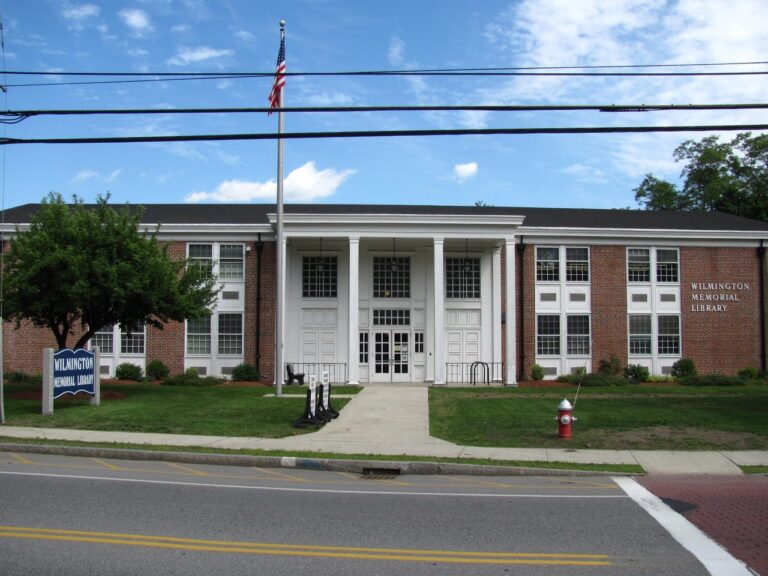
The Wilmington DPW Highway Division is responsible for town roads, sidewalks and drainage systems. A private garage threshold is not automatically a town project. If the damaged area extends down the drive to the sidewalk or road edge, we locate the public/private boundary and confirm what the town requires for any work there. That source does not determine who owns an unseen panel or whether a garage-side patch needs a permit.
The water route deserves attention even when the damage is near the house rather than the street. We ask whether a downspout, driveway slope or garage door joint concentrates water at the broken edge. A repair that does not address repeated wetting and movement may be short-lived. We do not casually redirect water to a municipal catch basin or neighboring property. If a drainage change is needed, it is a separate line in the plan.


Google review · Customer experience
Aimee Workum ★★★★★
“The initial inspection was extremely thorough. Liam took the time to inspect not only our basement, but the entire house. He was very knowledgeable and provided helpful feedback on additional items we should keep an eye on.
The Phase 1 support installation went smoothly. The lead installer was also highly knowledgeable and took the time to answer all of our questions, including those beyond the scope of the installation and related to Phase 2.
Overall, we are very pleased with 603 Basement Solutions and plan to use them again for Phase 2 in the future.”
The proposal should show the limits of removal, the stable substrate that must remain, the repaired edge profile and how the joint will behave afterward. It should state whether the driveway panel will be lifted, remain at its present height or be replaced. Those are different projects and should not be hidden under the label “concrete repair.” If the garage door or wall is affected, we note who needs to evaluate it. The owner should know what part of the symptom this job solves.
We also discuss access during the work. A garage used daily may need an alternative parking plan, but the actual return-to-use timing depends on the selected material and conditions. We will provide that project-specific guidance in the scope. A generic promise that every threshold patch can carry a vehicle after the same number of hours would be unreliable.
Do not buy a surface patch when the driveway panel keeps dropping, the concrete beneath is loose, or the garage wall is moving. A patch may be appropriate when damage is local and sound material remains. A lift, new pour, drainage correction or structural evaluation may be the better first step in other cases. Send 603 wide photos of the whole garage approach, both ends of the threshold and any dated views showing change. We will identify what can be repaired and what cannot.
Show us the affected concrete. We will explain what we measured, what can stay, and which scope fits the house.

