



A new slab is mostly won before the first truck arrives: base, water, access, and edges decide the pour.
A sound low panel may be worth leveling instead of demolishing.
Broken concrete or failed support may call for removal, base work, and a new slab.
A slab that carries the house needs a structural assessment before a pour is scoped.
Before pricing a new slab, decide what is failing. A driveway entrance or garage floor might show cracks, settlement, or surface wear. Some cracks are structural, some are cosmetic, and some point to a base or water problem. We walk the slab, check how it drains, and ask what changed. If the concrete is sound and low, leveling may be the better path. If it is broken, hollow, or tied to poor base, replacement enters the conversation. This diagnosis step keeps the estimate honest and prevents selling a pour that does not solve the actual problem.
Removal limits drive cost. A driveway slab may come out in sections while edges, aprons, or adjacent walks stay. A basement slab might be removed only where needed, leaving sound perimeter concrete. A patio may keep its border if that border is stable. We mark what stays and what goes before demolition. Thickened edges, steps, and utility penetrations change the plan. If the existing base is reusable, that can reduce hauling. If it is contaminated or soft, it comes out. The written scope should name the removal boundary, not only the new square footage.
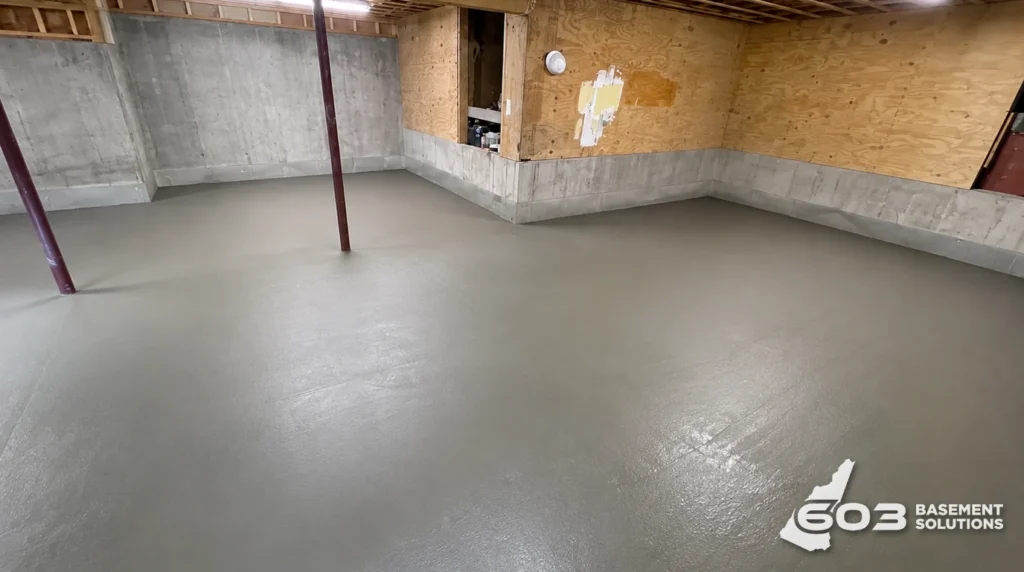
Not every low slab needs replacement. If the concrete is sound and the goal is to correct a trip edge or restore pitch, slabjacking or mudjacking may be worth assessing. ACI RAP-11 discusses slabjacking assessment, and ACI RAP-7 covers horizontal repair preparation. If the slab is cracked through, settled unevenly, or has a failed base, leveling may not hold. We compare the two paths by condition, not by habit. The homeowner should hear why one option fits and the other does not.
NRMCA's slab-joint guidance is general technical guidance, not a specification for this house.
Dover's construction guide notes that a driveway modification affecting grade or elevation can require a driveway permit where it connects to a city-controlled right-of-way. That makes the proposed lift height at the road end worth checking early. We can measure and price private concrete, but will flag a city-side grade change for Community Services before work starts.
Read the Dover source. We check the approval path against the proposed scope.
Concrete work has limits. We cannot promise a specific cure time or that a repair will match existing color. Buried utilities, poor drainage, or a failing foundation can sit outside a slab quote. Structural cracks may need an engineer, not a pour. If the new slab meets an older wall or drain, those connections need to be named before placement. A fresh surface cannot correct leakage at the floor wall joint. We list exclusions in writing so you know what the price does and does not cover. You decide whether to proceed once you see those limits.
Access decides method. A backyard patio may need a pump or wheelbarrow run if a truck cannot reach. A basement slab needs a path for removal and placement. Water should move away from the slab, not sit under it. Fixed edges matter: a driveway approach meets the road and the garage door, and those two points can limit how far a panel should move. Compare the approach with the road and garage door before layout. If the proposed lift height changes the city side, that is a flag for Community Services, not a private concrete decision.
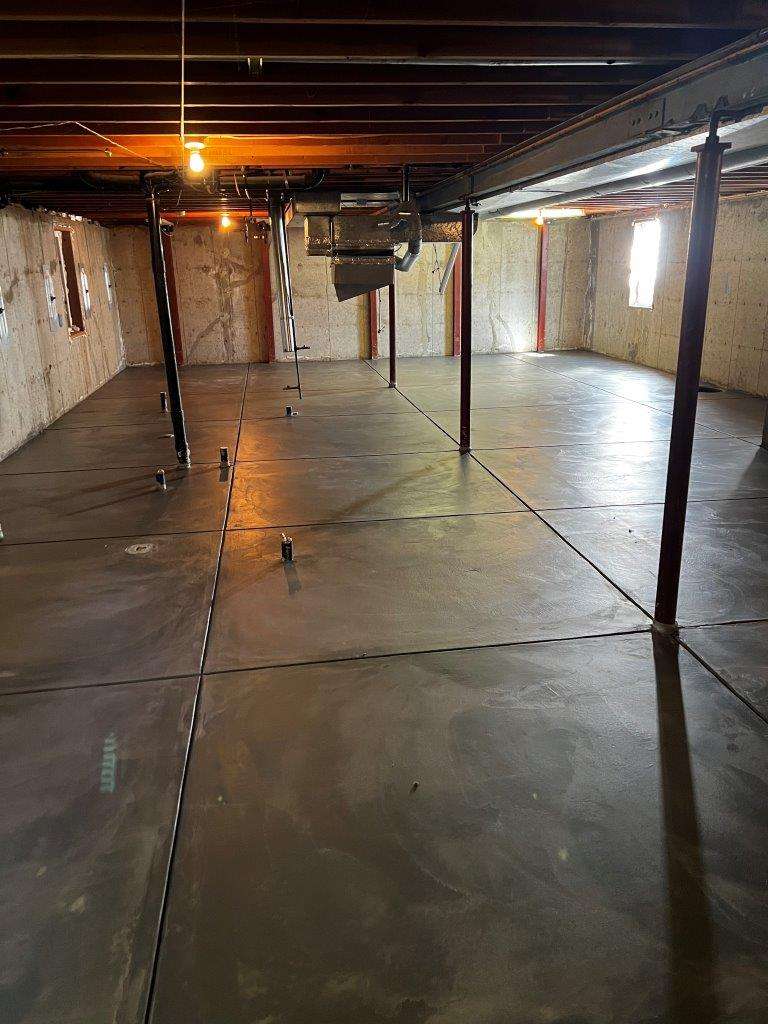
A useful estimate starts with measurements, not a phone guess. We measure length, width, and thickness transitions, then note removal limits, base prep, drainage, and access. Joint layout should be planned, not improvised. The written scope should separate removal, base, concrete, joints, and finishing. It should state what is excluded. If a city-side grade change is possible, we flag it before work starts. The homeowner should be able to compare two bids on the same scope.
Sometimes the best answer is no new slab. If the concrete is sound and low, leveling may be enough. If a patio only has a minor trip edge, grinding or a small patch may work. If a basement slab is dry and stable, a full replacement may not pay back. We will say when the scope can shrink. That is not a sales tactic. It is how a trade should work. The homeowner should leave the conversation knowing whether the problem is cosmetic, functional, or structural, and what the next honest step is.
What we can do depends on the work and how it connects to the public way. We do not handle approvals or promise an outcome. We can measure and price private concrete work, such as a slab, and flag any grade change near the public way before work starts. If your project touches that area, you may need to handle that part separately. We keep our scope to the private side and tell you what we see. That way you can decide how to proceed before any concrete is placed.
Show us the concrete and we will tell you what is worth fixing, what can stay, and what still needs checking.

