



A low patio is one job; a slab that reaches the sidewalk edge is a different conversation.
A sound low panel may be worth leveling instead of demolishing.
Broken concrete or failed support may call for removal, base work, and a new slab.
A slab that carries the house needs a structural assessment before a pour is scoped.
Diagnosis starts with how the slab is failing, not with a default repair. A basement slab that is sound but low may be a leveling question. A driveway or patio slab with broken edges, wide cracks, or movement at the joints may point toward removal and replacement. Look at the patio's slope away from the house and at the road-side boundary, without assuming every nearby concrete surface shares one repair plan. We ask what changed, when it changed, and whether water sits on the slab or drains. ACI RAP-11 discusses slabjacking assessment, and ACI RAP-7 discusses horizontal concrete repair preparation. The goal is to match the repair to the actual condition.
Not every slab needs to come out. If a basement slab is sound and the issue is a low spot, leveling may be the smaller, cleaner answer. If a patio outside the door is low but intact, we can talk about whether lifting it makes sense before we talk about breaking it out. If a walk near the road is the concern, the boundary matters more than the crack pattern. Keeping a slab means the base, edges, and joints still have to be evaluated. ACI RAP-11 discusses slabjacking assessment as a way to judge whether lifting is appropriate. The honest question is whether the slab is sound enough to stay.
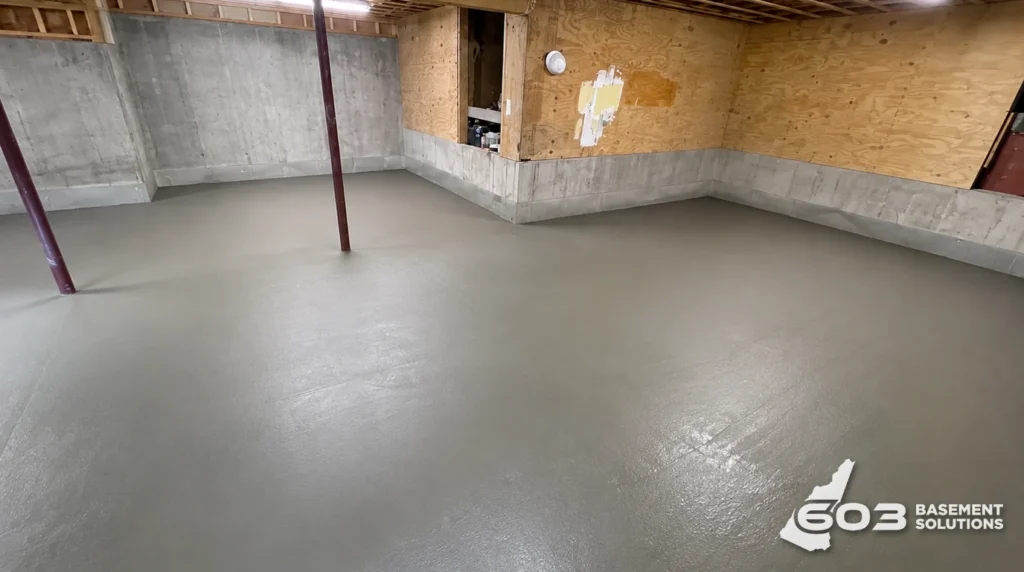
When replacement is the direction, removal limits come first. How much concrete comes out, how it is hauled, and whether the base stays or gets rebuilt are job-specific questions. Base and water are linked: a slab that sits on poor drainage will not improve just because it is new. We ask where water goes now and where it should go after. Edges and joints are part of the same conversation. NRMCA CIP6 discusses planned slab joints, and ACI RAP-7 discusses horizontal concrete repair preparation. We do not prescribe thickness, mix, or reinforcement on this page. Those are decisions for the written scope after we see the site.
NRMCA's slab-joint guidance is general technical guidance, not a specification for this house.
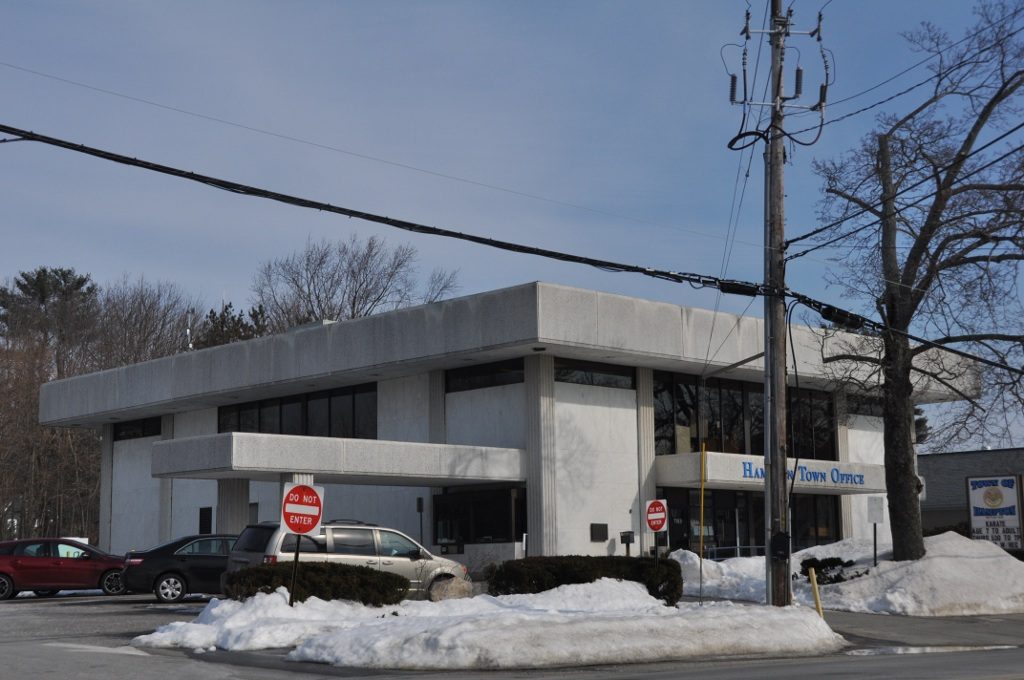
Hampton Public Works lists a driveway permit separately from its excavation permit. That does not establish the permit status of a private patio or basement pour. If the replacement reaches the driveway connection or public edge, we mark that boundary in the scope and confirm the applicable town process before work starts. A new patio behind the house is a different project from replacing concrete at the road entrance.
Read the Hampton source. We check the approval path against the proposed scope.
Access decides what equipment and how much labor a slab job needs. A backyard patio behind a narrow gate is a different job from a driveway a truck can reach. Edges matter too: a slab meeting a sidewalk edge, a garage apron, or a step must be detailed so the transition works. Curing and use timing are job-specific questions. How long before you park on it or set furniture on it depends on the mix, the weather, and the slab. We do not promise a fixed number here. If a repair reaches the sidewalk edge, we mark that boundary so you can raise any public-side question before booking work. That is a scope question.
A sound, low slab is often a leveling candidate. That is true for a basement slab that has settled without cracking apart, and for a patio outside the door that is intact but pitched wrong. Leveling is not always cheaper, and it is not always right. If the concrete is broken, if the base is failing, or if water has nowhere to go, replacement may be the more durable path. ACI RAP-11 discusses slabjacking assessment, and ACI RAP-1 discusses structural concrete cracks. We will tell you when the smaller work is the better work, and when it is not.
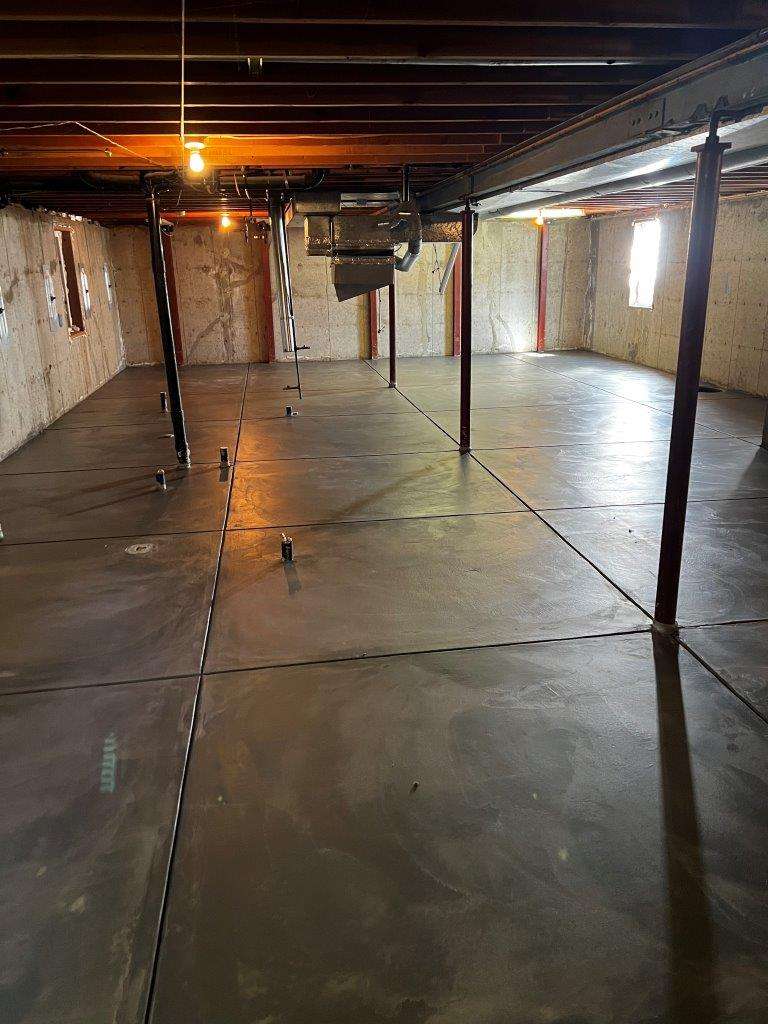
A written estimate should show the work boundary, not only a price. It should name what is removed, what stays, how the base and water are handled, and where the new edges and joints fall. It should also say what is excluded: landscaping, railings, drainage upgrades, or anything outside the slab. Measurement matters because a driveway, a basement slab, and a patio are measured differently. We put the scope in writing so you can compare it to any other quote you receive.
Sometimes the right answer is no work. A hairline crack in a basement slab that is not moving may not need repair. A patio outside the door that drains away from the house may only need monitoring. A walk near the road may be the town's side of the line, not yours. If a slab is sound and low, leveling may be the smaller work. If it is broken and wet, replacement may be the honest answer. We will say so. The decision sequence is simple: look at the slab, look at the water, look at the boundary, then decide. You may not need a repair at all, and that is a valid outcome.
Start with condition, not age. If the slab is sound but low, leveling may be the smaller work. If it is broken, moving, or holding water, replacement may be the better path. Look at the patio's slope away from the house and at the road-side boundary. We mark the scope so you can ask the town about any public-side requirement before booking.
Show us the concrete and we will tell you what is worth fixing, what can stay, and what still needs checking.

