



A new slab is mostly what you don't see: base, water, edges, joints. Get those wrong and the surface won't save you.
A sound low panel may be worth leveling instead of demolishing.
Broken concrete or failed support may call for removal, base work, and a new slab.
A slab that carries the house needs a structural assessment before a pour is scoped.
Before pricing a pour, we separate surface symptoms from cause. Note whether water stands against the house or the slab simply has an uneven joint; the cause changes what we should price. A patio slab with one high corner may be a base issue, while a driveway slab with parallel cracks may be a joint or drainage issue. A basement slab that is dry and flat but stained is often not a replacement candidate. We look at edges, cracks, and how the slab meets the wall or garage. If the low area is sound concrete, leveling may be the smaller job. If the slab is broken, scaled, or tied to a failed base, removal and replacement enter the conversation.
Not every uneven slab needs to come out. If the concrete is sound and the low spot is isolated, slabjacking or leveling can raise it without full removal. That keeps existing edges, aprons, and plantings in place. For a basement slab, if the surface is dry and the issue is a shallow dip, a leveling compound or partial repair may be enough. For a driveway, if only one panel is settled and the rest drains, a partial replacement or lift can be the smaller scope. We check for hollow spots, crumbling edges, and whether water is moving under the slab. If the base is failing across the whole area, keeping it is false economy. The decision is condition, not age alone.
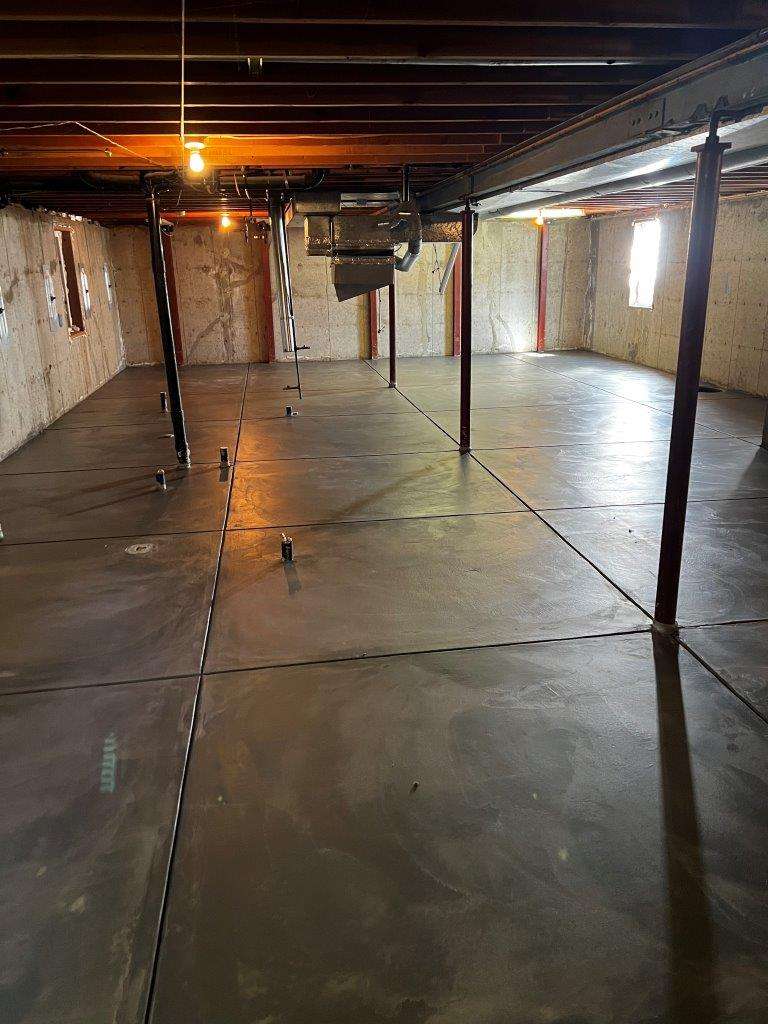
Method selection follows the diagnosis. If the slab is sound but low, leveling is often the less invasive path. If the slab is cracked through, scaled, or the base has settled unevenly, removal and a new pour may be the honest answer. For a basement slab, we also look at whether the low area holds water or just looks uneven. For a driveway, we check the apron and garage transition. For a patio, we check how it meets the house and whether water runs away. We do not prescribe thickness, mix, or reinforcement here because those are job-specific. The same surface can need different work depending on access, drainage, and what is underneath.
NRMCA's slab-joint guidance is general technical guidance, not a specification for this house.
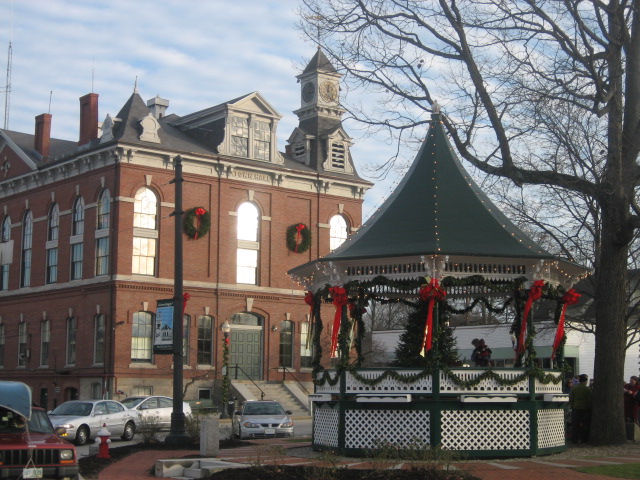
Milford Community Development directs residents and contractors to its online permitting system for permit questions and applications. That does not mean every private slab lift needs a permit. We can document the proposed concrete scope and ask the town only when the work touches an area or activity it regulates.
Read the Milford source. We check the approval path against the proposed scope.
Concrete work has limits. A new slab over a wet, uncompacted base can crack or settle again. Poor joint layout can lead to random cracking. Water that still runs toward the house after a pour is a drainage problem, not a concrete problem. Removal can expose unexpected conditions: soft spots, old fill, or utilities. Access can limit equipment and change the plan. Some work is outside a slab quote, such as foundation repair, structural piers, or regrading the whole yard. If a slab is load-bearing or tied to a structural wall, that is a different conversation. We document what we see and price the concrete scope we can control. If the cause is outside that scope, we say so before you spend.
Milford lots vary, and the slab does not exist alone. Access matters: can a truck or mixer reach the area, or will concrete need to be wheeled or pumped? Edges matter: a patio against a foundation, a driveway against a garage apron, or a basement slab against a wall all change how we form and finish. Water direction matters most. If the yard slopes toward the slab, a new pour alone may not fix the wet spot. We look at downspouts, grade, and where water leaves the area. Those are site questions, not guesses about local soil or water table.
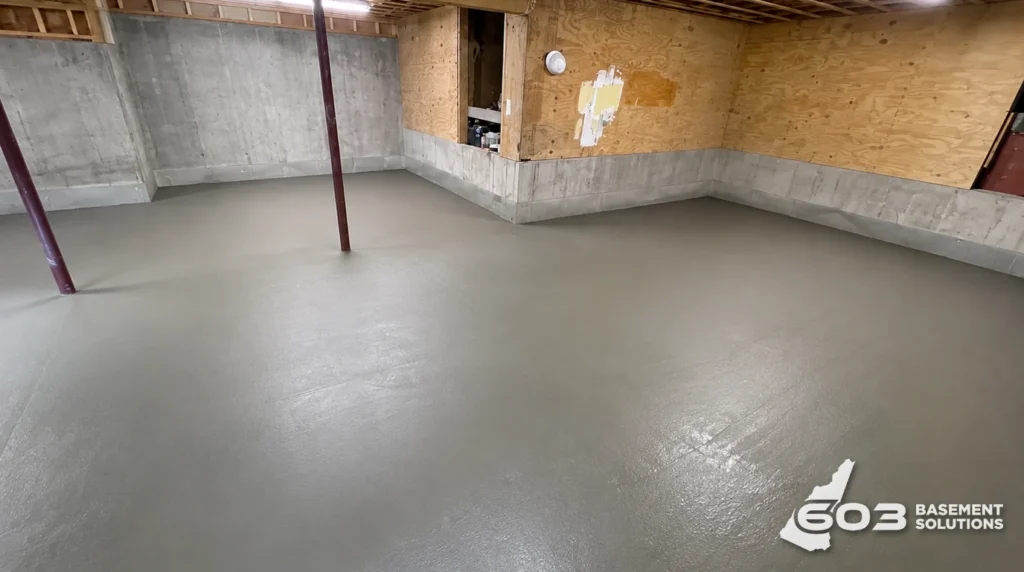
A written estimate should show the scope in plain terms: what is removed, what is poured, how edges and joints are planned, and what is excluded. We measure the actual area and note access limits. We list whether the existing slab stays or goes, and whether leveling is an option. The estimate should also state how curing and use timing will be handled as job-specific questions. That means when you can walk or drive on it depends on the pour, weather, and use. We put those expectations in writing so there are fewer surprises.
Sometimes the best answer is no work yet. If a patio slab is sound and the unevenness is minor, leveling or leaving it may be reasonable. If a basement slab is dry and flat but stained, replacement may not be needed. If a driveway has one settled panel and the rest drains well, a partial repair can be smaller and less disruptive than a full pour. We are willing to say the homeowner may not need a repair. The decision sequence is simple: identify the cause, check if the concrete is sound, then compare leveling against replacement. If water is the real problem, fix the water first. If the slab is failing structurally, that is a different scope. We price what the job actually needs.
Permit rules depend on what the work touches and how the town classifies it. We do not claim a permit answer for you.
Show us the concrete and we will tell you what is worth fixing, what can stay, and what still needs checking.

