



Before you pour a new Raymond slab, find out if part of the old one can stay put.
A sound low panel may be worth leveling instead of demolishing.
Broken concrete or failed support may call for removal, base work, and a new slab.
A slab that carries the house needs a structural assessment before a pour is scoped.
A slab problem is not always a slab replacement. On a hypothetical Raymond front landing, look for the exact joint that catches a shoe and check whether the driveway approach moves with it or is a second problem. That single observation separates a local repair from a full tear-out. Cracks, spalling, settlement, and ponding each point to different causes. The diagnosis decides whether the answer is leveling, partial removal, or a new pour.
Removal limits are set by the slab itself. If most of the concrete is sound and low, leveling may be the smaller correct answer. If the base is failing, the slab is broken into moving pieces, or the edges have lost support, patching over it rarely lasts. For a basement slab, the question is whether the problem is surface wear or a base and water issue underneath. For a driveway or patio, it is whether the movement is one area or the whole field. We mark what can stay, what must come out, and where the new work has to tie in. That keeps the quote honest.
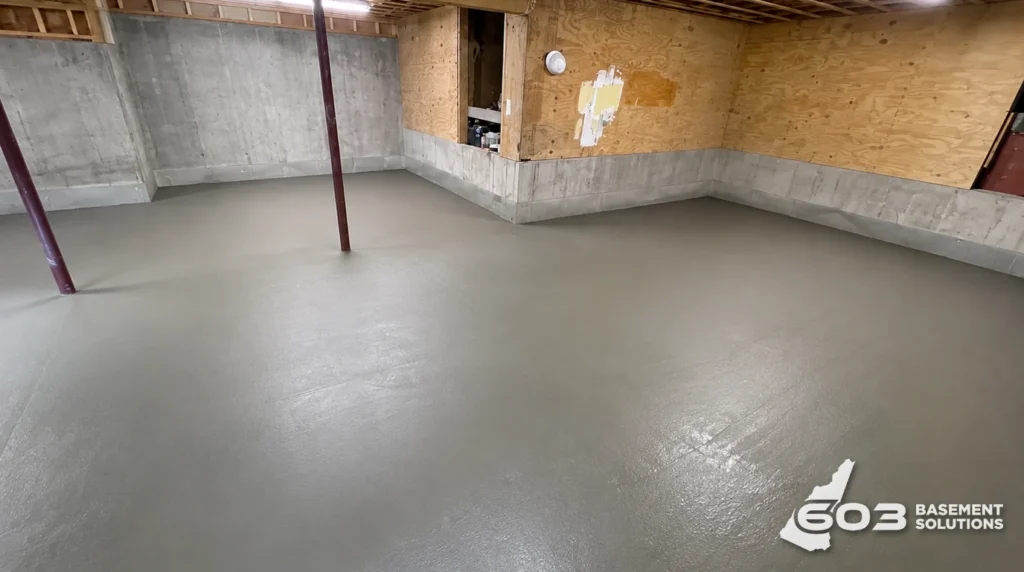
Method selection follows the diagnosis. Sound, low concrete can sometimes be leveled rather than replaced. ACI RAP-11 covers slabjacking assessment, but that document does not decide your job. If the slab is structurally cracked, badly settled, or sitting on a failed base, removal and repouring is the more durable path. For a new slab, the base and water plan matters more than the surface finish. NRMCA CIP6 discusses planned slab joints, which is why joint layout is a design question, not an afterthought. We do not prescribe thickness, mix, or reinforcement here because those depend on the slab's use and the site.
NRMCA's slab-joint guidance is general technical guidance, not a specification for this house.
Raymond's town forms page routes driveway permits to Public Works and lists a separate street-opening permit. That distinction matters here because a private entry slab is scoped differently from work that breaks into a street approach. We can handle the concrete scope first and flag any town-side question before you commit to a booking. The source does not answer slab thickness, mix, or inspection requirements, so those stay job-specific.
Read the Raymond source. We check the approval path against the proposed scope.
Some conditions push work outside a standard slab quote. Poor access for equipment, a base that needs major correction, or water with no clear path away can change the job. ACI RAP-7 discusses horizontal concrete repair preparation, but preparation needs vary by slab. If the scope grows past concrete, we say so before work is booked. The goal is to keep the concrete scope clear and flag anything that belongs to another trade.
Access decides how a slab gets removed and how new concrete gets placed. A backyard patio with a narrow gate is a different job from a driveway slab at the street. The base has to be prepared and compacted, and water has to move away from the slab. For a basement slab, water and base conditions are often the real story. For a driveway or patio, slope and drainage matter as much as the pour. We look at how equipment reaches the work, where removed concrete goes, and whether the existing grade helps or hurts. Those site facts shape the written scope more than any generic number.
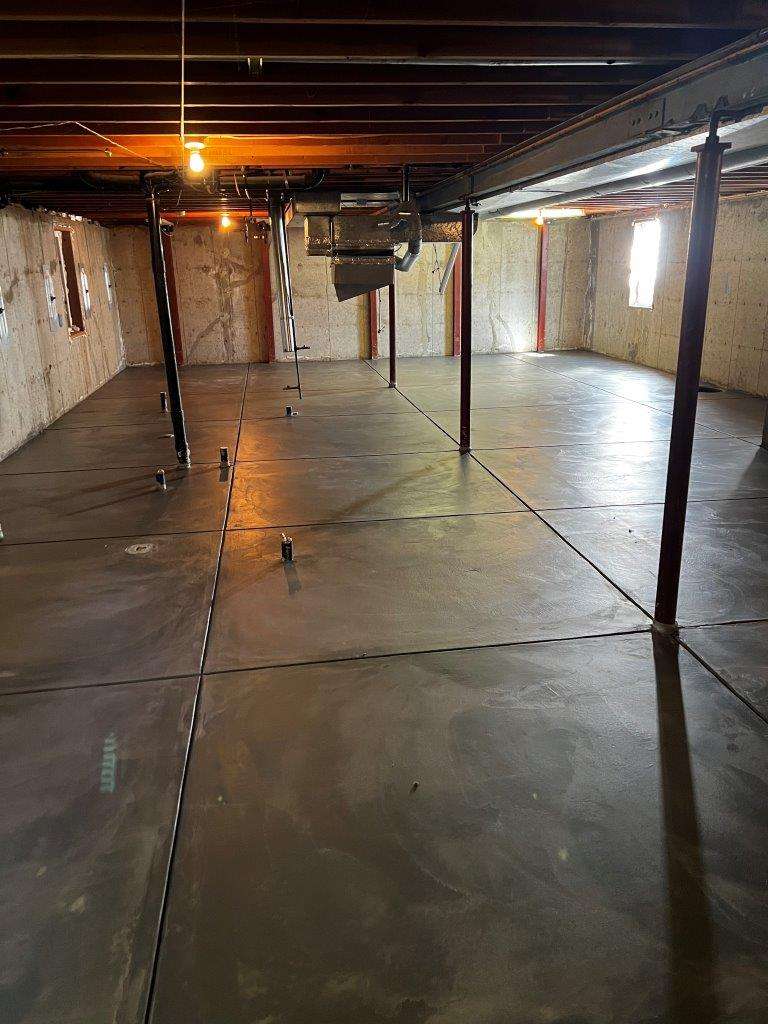
A written estimate should show the measured area, the removal limits, and what is included in the base and water work. It should separate basement, driveway, and patio scopes so you can see what each application involves. It should also state what is excluded, such as town-side permits or street-opening work. We measure the actual slab and note access, edges, and joints. Curing and use timing are job-specific questions, so the estimate should say when you can walk or drive on it rather than promise a fixed number. If the scope changes after removal, that change gets written down before more work proceeds.
Sometimes the honest answer is that you do not need a full replacement. If the slab is sound and low, leveling may solve the trip or drainage complaint for less disruption. If the problem is one joint or one settled area, a partial repair may be enough. If the concrete is performing and the issue is cosmetic, we can say so. The decision sequence is simple: diagnose, decide what can stay, then choose the smallest method that fits. A new pour is not automatically better. We would rather scope a smaller correct repair than sell a replacement the slab does not need.
It depends on the slab. If the concrete is sound and low, leveling may be the smaller correct answer. If it is cracked through, settled unevenly, or sitting on a failed base, removal and repouring may last longer. A site visit separates a basement slab, driveway, and patio scope and checks access and water. We do not promise leveling is always cheaper. The written estimate shows what can stay and what has to go.
Show us the concrete and we will tell you what is worth fixing, what can stay, and what still needs checking.

