



A new slab in Rye is mostly a drainage and access decision before it is ever a concrete decision.
A sound low panel may be worth leveling instead of demolishing.
Broken concrete or failed support may call for removal, base work, and a new slab.
A slab that carries the house needs a structural assessment before a pour is scoped.
Start with what is actually failing. A driveway slab may have settled at the garage apron, cracked along a joint, or heaved at a edge. A patio slab may pond water or rock underfoot. A basement slab may be cracked, damp, or uneven enough to matter for finishes. None of those automatically means replacement. The diagnosis should separate a surface problem from a base or water problem. If the slab is sound and low, leveling may be the smaller answer. If the base is moving, pouring over it repeats the problem.
A private walk or interior patio lift can usually stay a private slab question. You control access, drainage away from the house, and the finish. A driveway at the street is different. Changes to an existing access's alignment, grade, width, drainage, or dimensions at the road edge deserve their own review before anyone pours. Keep exterior flatwork out of a structural quote unless the two are genuinely connected. If the slab edge ties into the road entrance, the proposal should say which edges move and which do not.
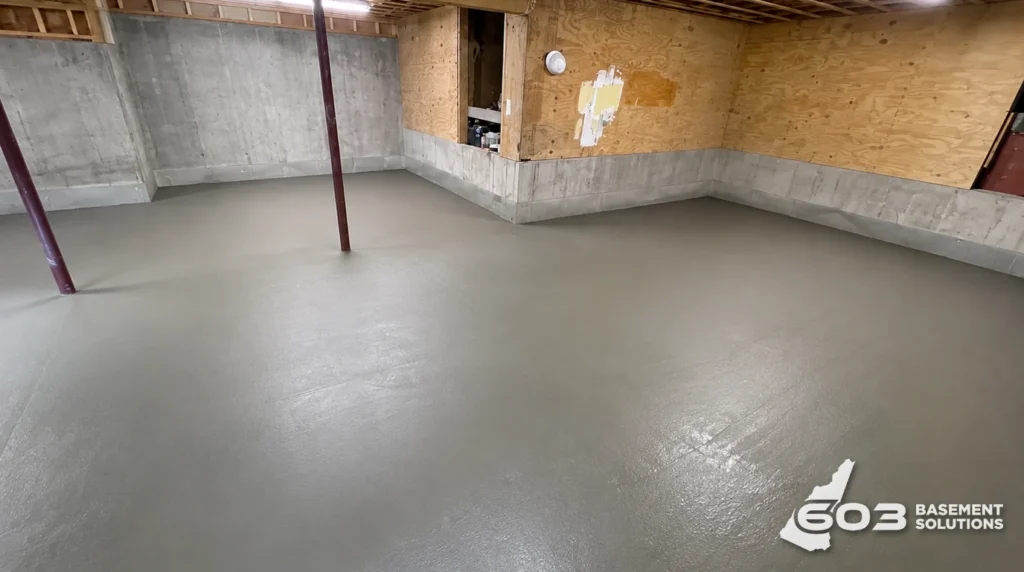
Replacement makes sense when the base is failing, the slab is broken into moving pieces, or the elevation must change. Overlay or resurfacing may fit a sound slab with surface wear, but it does not fix a bad base. Leveling may fit a sound, low slab where the goal is to lift it back toward grade. ACI RAP-7 discusses horizontal concrete repair preparation, and NRMCA CIP6 discusses planned slab joints. The selection should follow the diagnosis. If the slab is sound and low, ask whether leveling is the smaller answer. If water is running under it, fixing the water first matters more than the surface.
NRMCA's slab-joint guidance is general technical guidance, not a specification for this house.
Rye's land-development code defines driveway construction to include changes to an existing access's alignment, grade, width, drainage, or dimensions within the town right-of-way. A specific permit decision still needs town confirmation. For slab work, that means a driveway apron or road-edge change may trigger a separate review beyond the private slab itself. A private patio lift usually stays a private slab question. Keep the two scopes separate in the estimate so the homeowner knows which edges move and which do not.
Read the Rye source. We check the approval path against the proposed scope.
Removal limits are a common gap. A quote may include breaking and hauling the slab but not the ledge, roots, or unstable fill found underneath. Base and water work can grow once excavation opens the ground. Access can limit equipment size and increase hand work. Edge conditions at a garage, foundation, or road entrance may need a different trade. Curing and use timing are job-specific: weather, slab size, and finish affect when you can park or place furniture. A written scope should name what is excluded so you are not surprised by a change order.
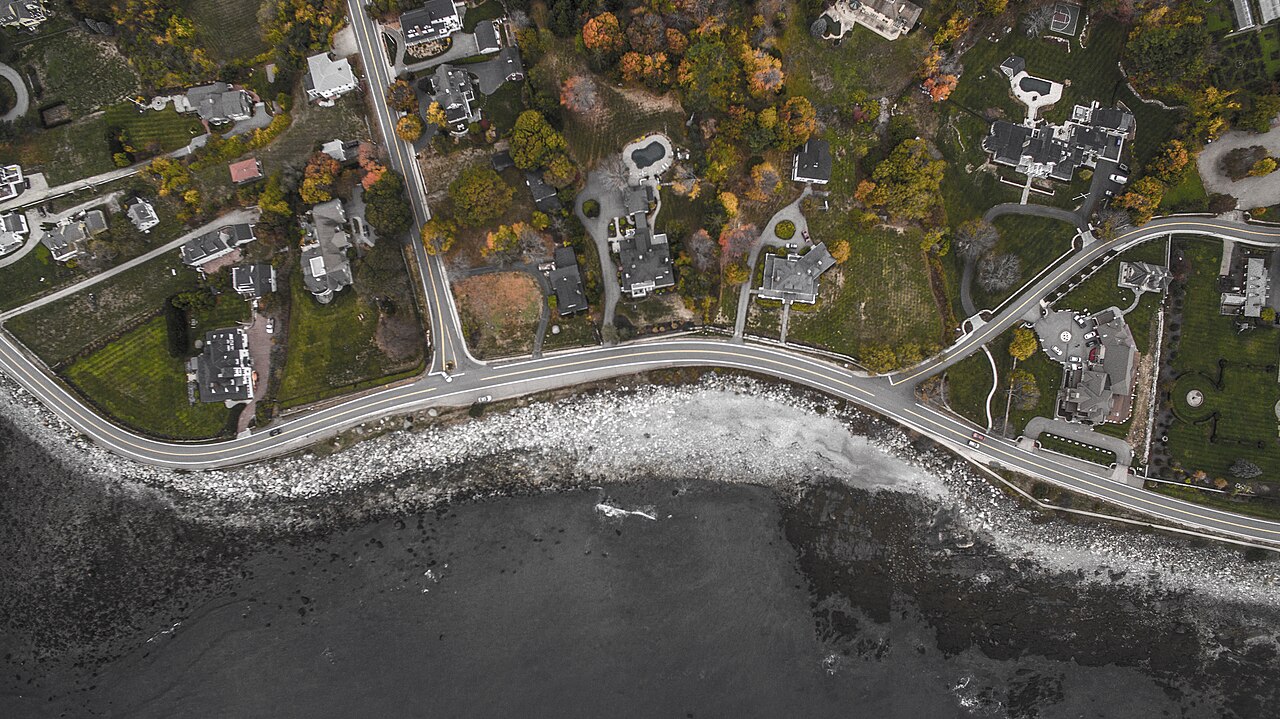
Rye properties near the coast or on sloped lots can put water at the center of a slab decision. Trace runoff from the walk and identify any slab edge tied into the road entrance. The proposal should say which edges move and which do not. Access matters too: a narrow drive or tight backyard can rule out larger equipment and change the removal plan. A basement slab has different constraints than an exterior patio or driveway. Interior work may need dust control and a path for hauling. Exterior work may need a place to stockpile base material. None of that is a town geology claim. It is a site question the estimator should answer on site.
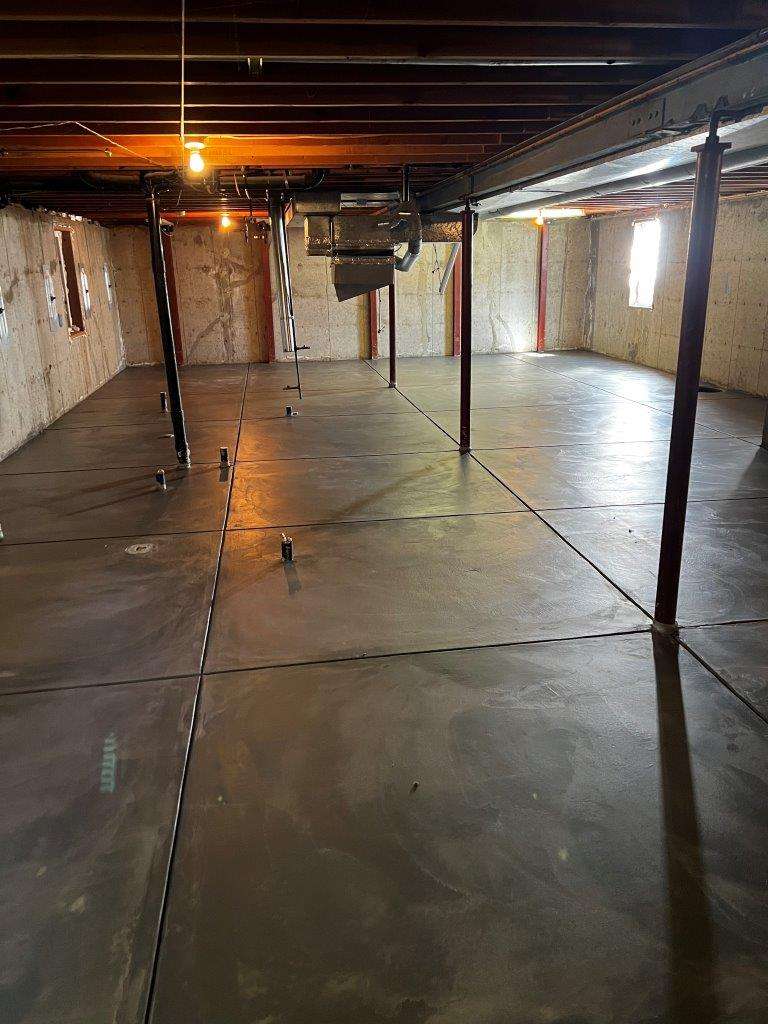
Ask for a written scope that lists the slab area, removal limits, base preparation, edge treatment, joint layout, and cure or use timing. Measurements should be taken on site, not from a photo. The estimate should separate private slab work from any road-edge item. If the proposal includes a driveway apron change, it should say so plainly. A good estimate also states what is excluded: ledge, roots, unstable fill, drainage corrections, and any structural work. Do not accept a thickness, mix, or reinforcement number as a default. Those choices belong to the job, not a template. You should know what is being poured and why.
Sometimes the right answer is no work. A sound slab with minor surface cracks may not need replacement. A low patio slab may be a leveling candidate rather than a tear-out. A basement slab that is dry and stable may only need a crack repair or a moisture test before finishes. ACI RAP-11 discusses slabjacking assessment, which is a reminder to check whether lifting is appropriate before assuming replacement. That does not mean leveling is always cheaper or always possible. If the base is moving or water is uncontrolled, leveling may be a temporary fix. The honest sequence is diagnose, then decide. If the smaller work solves the problem, take it.
That depends on what changes at the road edge. A driveway's alignment, grade, width, drainage, or dimensions can all affect how the slab is built. A private patio slab away from the road is usually a different question. Before scheduling, we separate any road-edge item from the slab work in your written scope. You decide what stays in the project and what waits. We then pour the slab to match that scope. Ask us to walk the site with you and mark the limits of the work.
Show us the concrete and we will tell you what is worth fixing, what can stay, and what still needs checking.

