



A replacement private driveway panel needs a city-crossing boundary and grade check before concrete is ordered.
Replacing a cracked Somerville driveway panel calls for more than a truck of concrete. We need to decide which private panel has failed, where the sidewalk and curb cut begin, and whether a new grade would send water toward the house or across the public walk. 603 Basement Solutions can pour residential driveway slabs. We won’t price a city crossing as though it were just another private panel. If the slab is sound but low, concrete leveling deserves a look first.
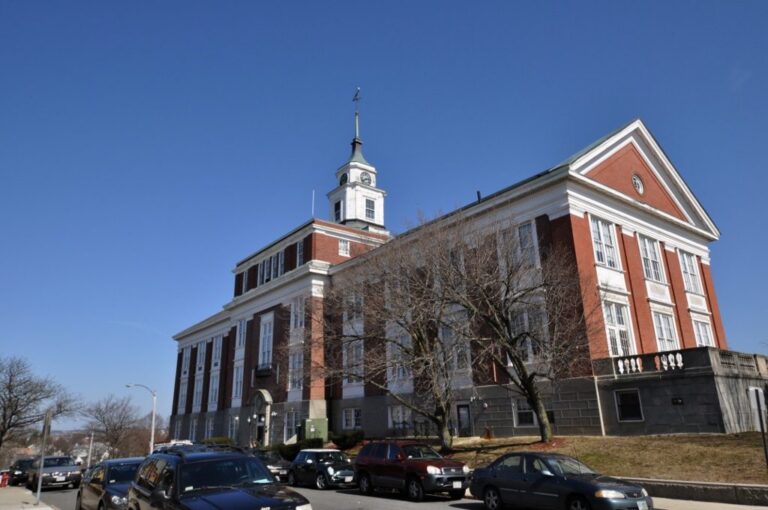
A driveway can cross a sidewalk on its way to the road. That does not make every piece of pavement one job. Somerville Engineering oversees public roadway and sidewalk infrastructure and lists driveway and curb-cut permit applications. Its page does not tell us where your property line sits or which specific permit your replacement needs. We mark the proposed cut, ask who controls the crossing, and confirm the city process if work extends there.
The distinction affects the slab we can actually quote. A private panel may be removable without changing the pedestrian crossing. In another layout, the useful new grade could require work at the curb cut. That needs a separate conversation before demolition, not an expensive surprise after the forms are set.
This is especially important when the driveway has several generations of concrete. A later patch may cross an older joint without making the two panels one piece. We look for the original control lines and ask whether each side moves on its own. The removal mark should follow sound concrete and a workable connection, not a convenient rectangle on an estimate sheet. If a utility cover or tree root occupies the work area, we document it before the crew cuts. We will not claim the cause of a crack from a street-view photo.
The new driveway must meet the existing walk without creating an abrupt lip. We measure the garage or entry end, the street end and the joints between. A fresh slab that looks smooth at one edge can still make a poor connection at the other. If the existing sidewalk is already low or broken, we should document that rather than promising that a private pour will repair public infrastructure.
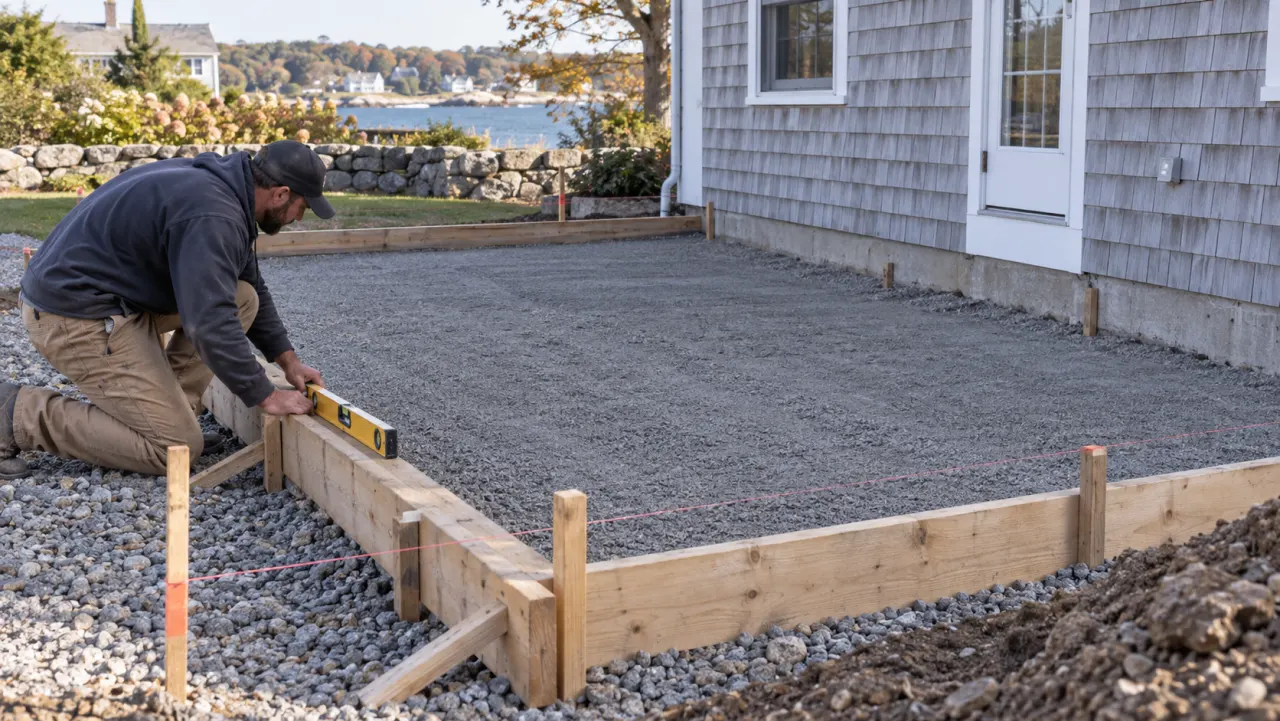
We do not tear out a sound driveway because one joint looks ugly. A local spall may fit concrete repair. A solid, separate panel that dropped could fit leveling. Replacement becomes more plausible when the concrete has fractured into independent pieces, lost sound edges, or sits on a base that cannot be corrected beneath the existing slab. We inspect those signs panel by panel.
The base matters. Once a broken panel is lifted out, we can see more of the material beneath it. If it is soft, washed out or uneven, a new surface alone does not solve the failure. The plan should say how exposed base conditions will be handled. ACI’s residential concrete guide treats slab support, placement, joints and curing as connected parts of residential construction. It is not a ready-made design for your driveway.
We ask where rain goes now and where it would go after the pour. A proposed slab must not be chosen only by how level it looks in a photo. At the house end, a raised grade can reduce the clearance under siding or send water toward a threshold. At the sidewalk end, it can leave a walking step. We measure both fixed edges and show the intended water path in the scope.
Joints need a reason, too. NRMCA’s joint guide explains that contraction joints help control where shrinkage cracks appear and isolation joints separate a slab from walls and other restraints. It does not promise crack-free concrete. We will explain where the new panel meets the existing ones and what joint treatment is proposed for this job.
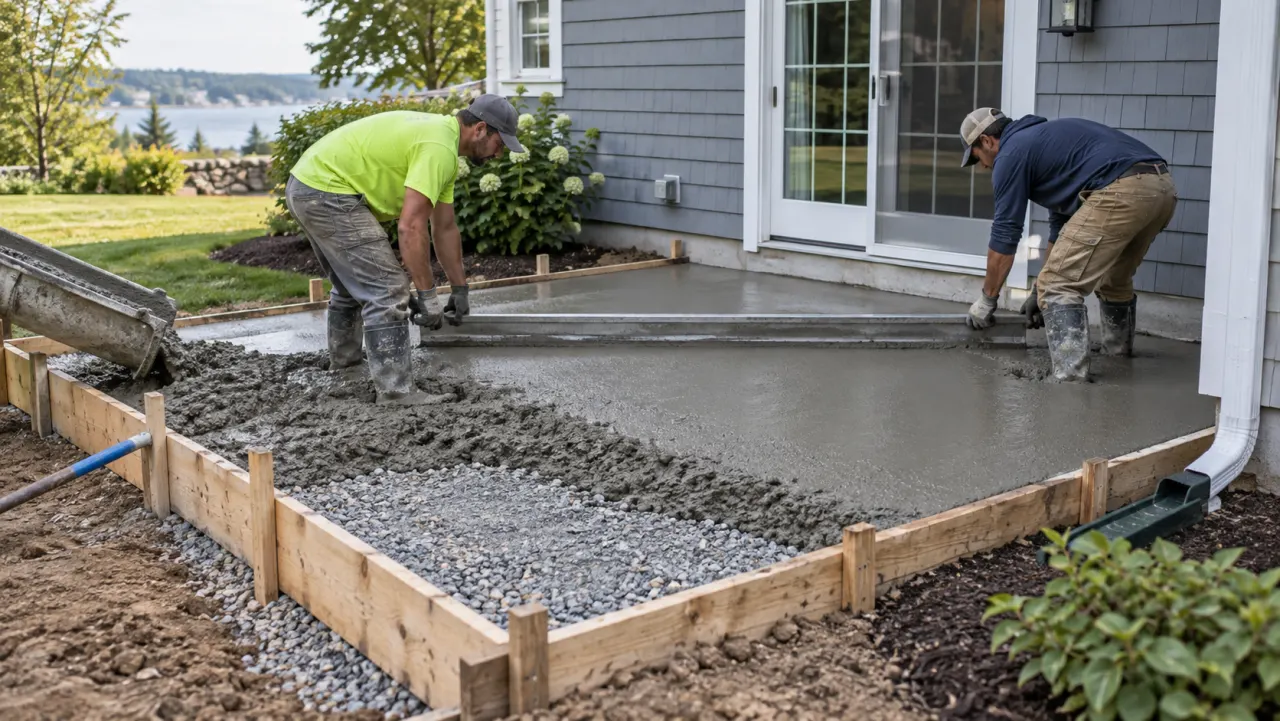
The quote should identify exactly which panels are removed, what remains, how the base is treated, the planned elevations at both ends, the surface finish and the joints. If a city-side apron or sidewalk needs work, that boundary and approval process must be explicit. We also need a plan for vehicle access while the concrete is protected. A universal drive-on date from a web article would be a guess; the job’s mix, conditions and loading govern the instruction you receive.
One more thing: new concrete may not match the color or texture of the older driveway. We would rather tell you that before the pour. Anyone promising a perfect match is selling a picture, not a slab.
An estimate should also say what happens if the exposed material differs from the initial assumption. A buried void, an old utility trench or unexpectedly weak base can change preparation after removal. Agreeing on the decision process in advance protects the homeowner from an open-ended change order. It also protects the crew from being pushed to pour before the support is ready.

Google review · Customer experience
Kaitlyn Corson ★★★★★
“The team did a great job with our basement encapsulation. They were thorough and explained things as the job was being completed. Right away we noticed a massive difference in air quality and our dehumidifier no longer runs all day now. Would highly recommend!”
Do not buy replacement when a limited repair or lift can keep sound concrete and produce a safe transition. Do not buy it as a cure for foundation movement. If a crack continues into the house wall, we investigate structural and foundation repair before treating the driveway as the cause. A slab pour can restore flatwork; it cannot carry a settling wall back into place.
Send us one wide view from house to street, close views of the cracks and the sidewalk crossing, and a photo after rain if water collects. We will use them to plan the visit. Photos cannot reveal base compaction, buried utilities or ownership of the crossing. Those are inspection and scope questions.
You should leave with a marked replacement area, a drainage direction and a clear answer on what is excluded. If the private panel can stay, we will say so. If the crossing is involved, we will not hide it in a driveway price.
Show us the affected concrete. We will explain what we measured, what can stay, and which scope fits the house.

