



A new slab is mostly what you don't see: the base, the water path, and the edges.
A sound low panel may be worth leveling instead of demolishing.
Broken concrete or failed support may call for removal, base work, and a new slab.
A slab that carries the house needs a structural assessment before a pour is scoped.
Start by deciding what the slab is doing wrong. A sound slab that has lifted or dropped in one area may be a candidate for leveling rather than removal. A slab with wide, offset cracks, crumbling edges, or movement across the whole surface usually points to a base or water problem that a new pour would inherit. Walk the slab after rain and note where water stands or runs. Check the seam that catches a tire and the walk by the foundation as hypothetical examples. If the high panel would push runoff toward a door or foundation, the target height matters as much as the repair method.
Not every slab needs to come out. If most of the concrete is sound and the problem is localized, keeping the slab and correcting the elevation can preserve the finish and reduce disruption. The base under the slab still has to drain. Edges that have crumbled or separated may need repair even when the field is intact. For a replacement, the removal limits matter. A driveway may be cut at a seam. A patio may come out in sections. A basement floor may remain around drains or columns. The written scope should say what stays, what comes out, and how the new work ties into existing edges.
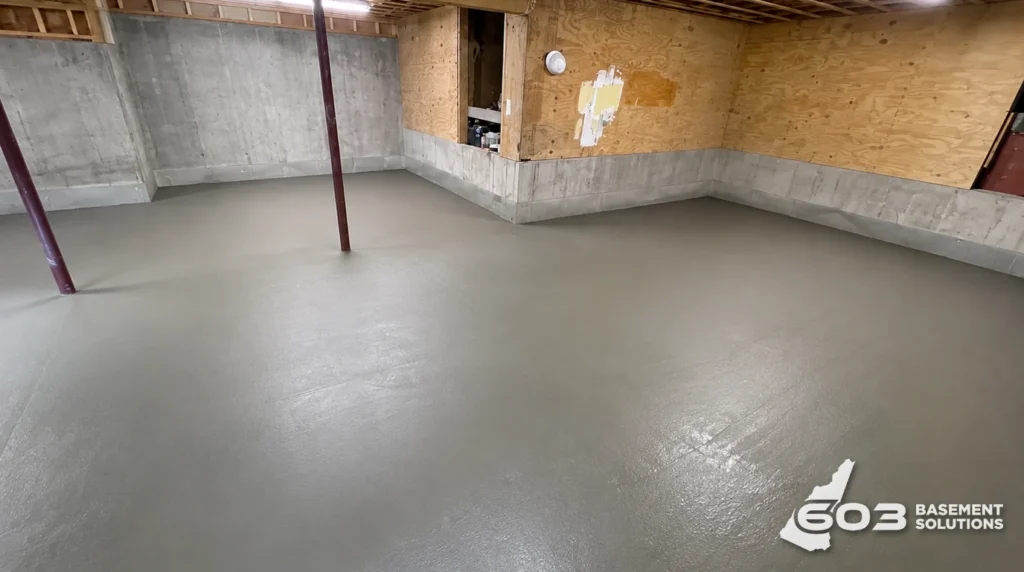
The method follows the diagnosis. A new pour makes sense when the existing slab is beyond local repair, when the base has failed, or when the layout itself is changing. Replacement means removal, base preparation, forms, joints, and curing. Leveling makes sense when the concrete is sound and the goal is to correct elevation without a full tear-out. That proposal needs to say where water will go after the slab moves. A higher panel is only useful if it does not pitch runoff against a door or foundation. If the slab is structurally cracked or the base is moving, leveling may only hide the symptom.
NRMCA's slab-joint guidance is general technical guidance, not a specification for this house.
Windham's stormwater page explains that rain and snowmelt move across hard surfaces instead of soaking into them. For a new or replacement slab, that makes the runoff path part of the layout. A driveway, patio, or basement slab that sends water toward a door, a foundation, or a low corner creates a problem the concrete itself cannot fix. The grade and the edge detail have to send water somewhere useful before the pour is scheduled.
Read the Windham source. We check the approval path against the proposed scope.
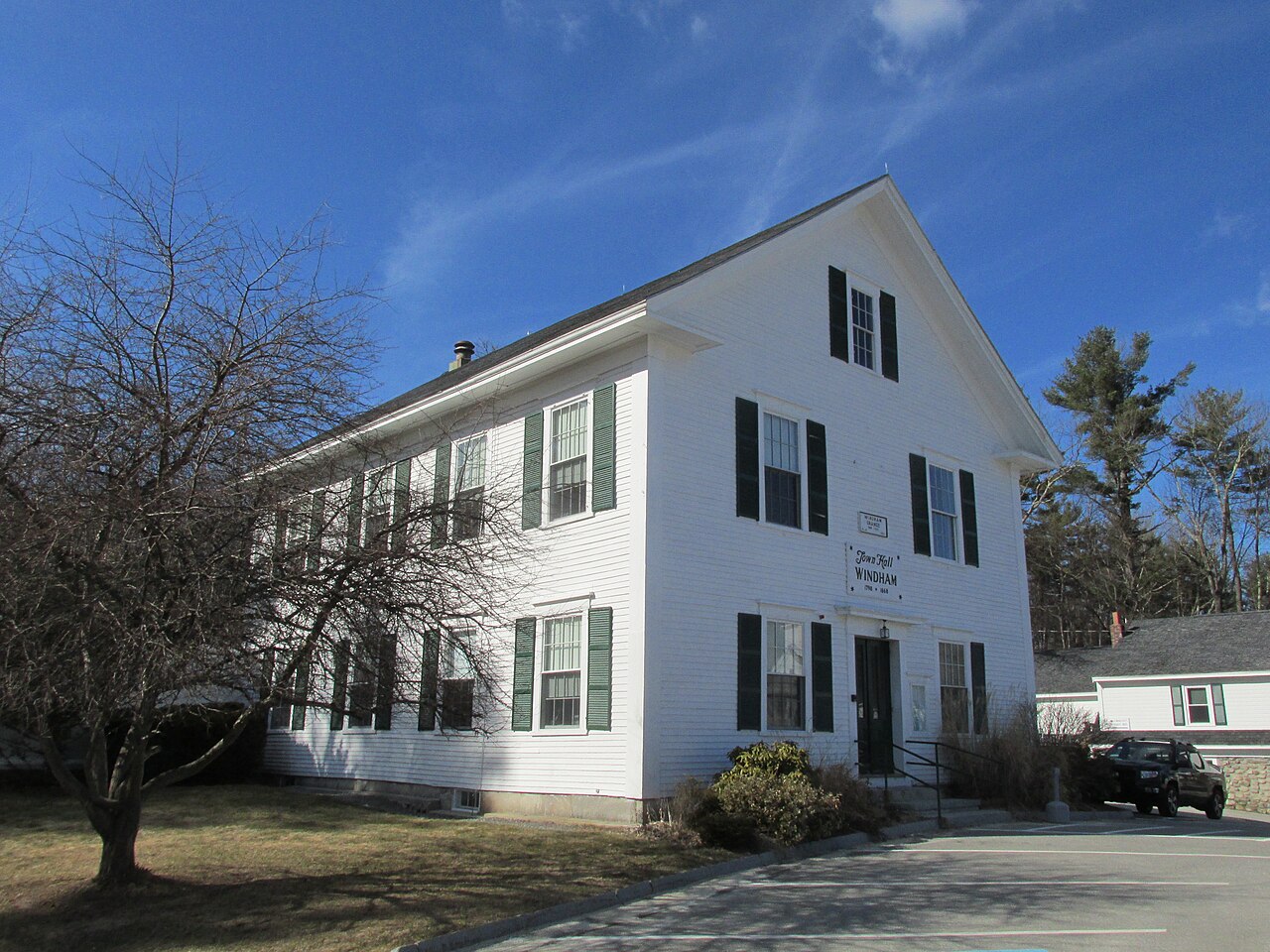
Concrete work often uncovers buried surprises. Removal may expose soft subgrade, old footings, utilities, or a drain that no longer works. Access can limit equipment: a backyard patio may need a pump or wheelbarrow route, and a basement slab may need cutting and hauling through a door. Curing and use timing are job-specific questions, not a single rule. Weather, temperature, and moisture affect when the slab can be loaded. A quote should state what is included and what is excluded. If the scope assumes a specific inspection, confirm that before work starts.
Windham lots vary, and the slab has to fit the site. A driveway pour may need a truck to reach the forms without crossing a septic area or a soft lawn. A patio may sit against a slope that sends water toward the house. A basement slab may be the lowest point and depend on a sump or drain that has to stay clear. The stormwater point matters here: hard surfaces shed rain and snowmelt, so the finished grade has to move that water away from the foundation and doors. Access, slope, and drainage often decide the method before thickness or finish is discussed.
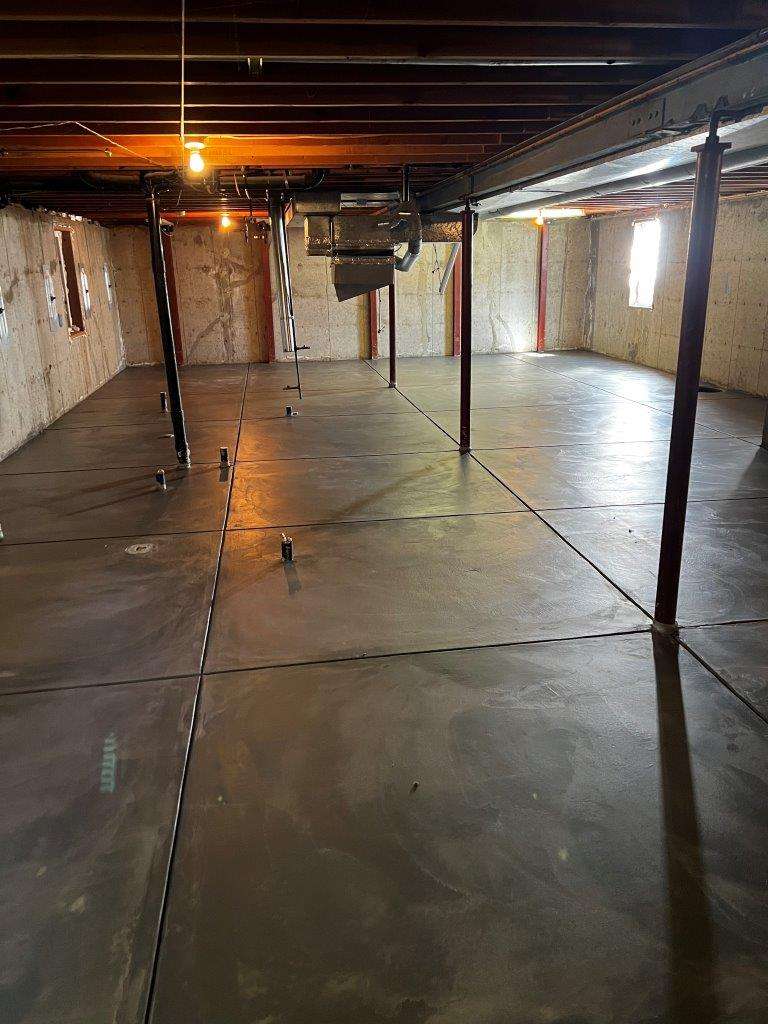
A useful estimate starts with measurements and a sketch. It should show the slab limits, the removal limits, the base preparation, and where joints are planned. Joints control where cracks are likely to appear, so their layout belongs in the conversation before the pour. The estimate should also state how the slab will be finished, how edges will be formed, and what curing method is expected. Use timing is a question to answer in writing: when can a car park, when can furniture go back, and when can the basement be used. If those answers are vague, the homeowner cannot plan around the work.
Sometimes the right answer is not a new slab. If the concrete is sound and the problem is a single low spot, a smaller repair or leveling may be enough. If water is the real issue, a drainage correction may solve more than a pour. If the slab is stable and the unevenness does not affect drainage, safety, or use, monitoring may be reasonable. The homeowner should ask what happens if nothing is done this year. A contractor who can explain the smaller option is easier to trust with the larger one. The goal is a slab that works, not a project for its own sake.
It depends on why the slab moved. If the concrete is sound but low in one area, leveling may be a smaller option. If it is cracked through, crumbling, or the base has failed, replacement may be the honest path. The proposal should show where water will go after any slab movement. A raised panel must not pitch runoff against a door or foundation.
Show us the concrete and we will tell you what is worth fixing, what can stay, and what still needs checking.

