

Quick Answer
A fieldstone wall can look rough and still be doing its job. The concern is change: mortar turning to sand, stones loosening or shifting, a section moving inward, or water repeatedly washing through the same joints. Those signs do not all get the same repair. 603 Basement Solutions checks the stone, mortar, wall shape, bearing above, and moisture path before deciding whether the wall needs joint work, water management, added support, or structural repair. Schedule an inspection when deterioration is active or the wall shape has changed.
What Crumbling Fieldstone Foundations Look Like
Old stone is irregular by design. Fresh debris and new movement matter more than a wall that has never been flat.
Sandy mortar on the floor
Material is leaving the joints instead of staying packed between stones.
Loose or displaced stone
A stone moves by hand or no longer bears the way the surrounding wall does.
A wet path through the same joints
Water keeps carrying fine material out of one area.
A local bulge or lean
One section has changed relative to the wall above, below, or beside it.

How Serious Is This Problem?
The age of the wall is not the deciding factor. Active material loss, movement, and bearing conditions are.
An irregular but firm wall with intact bearing, no fresh debris, and no change may simply be documented and watched.
Book an inspection when mortar keeps falling out, a stone feels loose, moisture returns through one section, or prior patches are separating.
Move promptly when stones are displaced, a section is leaning or bulging, bearing wood is damaged, or the wall is shedding material quickly.
Common Causes
Mortar deterioration
The joint material can weather, wash out, or fail long before the stone itself.
Repeated moisture
Water moving through the wall can carry fine material out and keep the surrounding wood damp.
Incompatible prior repairs
A hard or poorly bonded patch can separate from older masonry and hide the joint condition behind it.
Movement or changed loading
A local support, footing, wall section, or structure above may change how load passes through the stone.
When This May Not Be a Foundation Problem
- Fieldstone walls are not supposed to look like new poured concrete. Texture and irregular joints are normal.
- White mineral deposits point to moisture movement, but they do not prove the wall is structurally failing.
- A thin surface coating may crumble while the stone and deeper joints remain sound.
How 603 Diagnoses the Problem
Old stone needs a different eye. We check what is carrying load before deciding what should be removed, filled, supported, or left alone.
- Ask where debris, dampness, or movement appears and how long it has been changing.
- Probe the joint condition without treating every soft surface as a failed wall.
- Inspect the wall shape, corners, openings, and the sill or beam bearing above.
- Trace roof water, grade, seepage, and drainage around the affected area.
- Separate joint deterioration from a moving wall or failing support.
- Write the repair around the condition found instead of forcing modern-wall assumptions onto old stone.
What the Pattern Can Point To
| What you see | What it can indicate | What 603 may inspect | Possible next step / repair path |
|---|---|---|---|
| Loose surface mortar | Weathered joints or an old coating | Depth and condition of sound material | Monitor or compatible joint work |
| Recurring damp joints | A moisture path through or around the wall | Grade, discharge, drainage, and interior water path | Water management plus masonry work |
| Loose stone or local bulge | Loss of bond or wall movement | Wall shape, bearing, and connected construction | Structural masonry evaluation |
| Soft sill or beam above | Moisture-related wood deterioration | Sound bearing and the full load path | Sill, beam, or support repair |
Possible Repair Options
Old stone can need joint work, water control, wood repair, structural masonry work, or a combination. These pages explain the routes 603 actually performs.
Structural and foundation repair
A moving or locally failing wall needs a plan based on sound bearing and the construction above it.
Foundation crack repair
Crack work may fit a stable opening, but old masonry joints require material-specific judgment.
Sill replacement
Sill or beam work may be needed when moisture has damaged the wood bearing on the stone.
Basement waterproofing
Water management may be part of the job when repeated seepage is driving deterioration.
What Happens If You Ignore It?
Active mortar loss can leave stones with less bearing and give water a wider path. If the wall or wood above is also moving, the job can grow beyond joint repair. An old wall that is firm and unchanged does not need to be made cosmetically perfect. Fix the condition, not the age.
Real Experience with 603
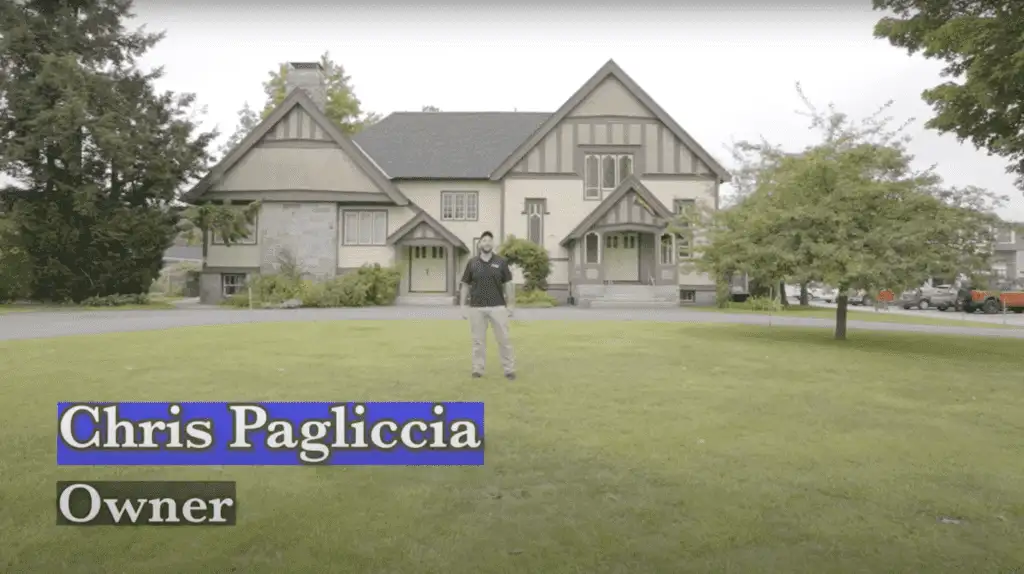
Chris describes a crumbling fieldstone corner, settlement, repair, and a lally column in his own home. That is customer-reported project evidence, not a diagnosis for every stone wall.
Questions Homeowners Ask
Are fieldstone foundations bad?
No. Many old fieldstone walls continue to carry a house well. The decision depends on active deterioration, movement, moisture, and bearing, not age alone.
Why is mortar falling out of my stone foundation?
The joint material may be weathered, repeatedly wet, poorly patched, or affected by movement. The depth of sound material and the wall condition determine the next step.
Can I cover a fieldstone wall with new cement?
A surface coat can hide joints without fixing moisture or movement. Older masonry also needs compatible materials, so inspect the wall before applying a broad patch.
Does a damp fieldstone wall mean it is failing?
No. Moisture and structural movement are related in some homes and separate in others. Both should be checked, but dampness alone is not proof of failure.
Can a crumbling fieldstone wall be repaired?
Often, yes. The repair may involve joint work, water management, added support, or structural masonry work. The remaining sound wall decides what is practical.
Have the Stone, Mortar, and Bearing Checked
We will separate normal old-wall texture from active deterioration, moisture, movement, and damaged support above.