



A crack by a bearing wall deserves a different inspection from a stable floor crack.
A basement floor within another foundation may not carry the building.
Connected wall, door, and floor changes deserve measurement of the load path.
A dropped patio or drive belongs in concrete repair unless the house also moved.
We measure the same points across the slab and at its wall connection. The crack width matters more when it changes or lines up with a shifting door, stair or bearing wall. A single old crack may need no support work. If a slab edge drops while the wall above separates, we stop treating it as a cosmetic floor job. The inspection must establish whether the movement is active and what carries the house.
Not every slab symptom needs a repair. If measurements show the movement is small, old, and stable, monitoring can be a reasonable decision. That means marking crack ends, recording elevations at fixed points, and checking again after a heating season or a wet period. Cosmetic leveling and support repair are different jobs. A floor that is only uneven but still carries load may be a finish problem. A slab that has lost support under a bearing wall is a structural question. The honest answer may be that you do not need work now. If you do proceed, the scope should say what is being monitored, what is being repaired, and what is left alone.

Method selection starts with what is failing. A support problem under a load-bearing slab is not solved by the same approach as a cosmetic dip in a nonstructural floor. ACI RAP-11 discusses slabjacking assessment, and ACI RAP-7 discusses horizontal concrete repair preparation, but those references do not prove what 603 uses on your job. They are assessment frameworks, not a product promise. The real decision is whether the slab needs support, whether the surface needs repair, or whether both are separate scopes. A written estimate should name the repair area, the access needed, and what is excluded. If a contractor jumps to a method before measurements, the scope is not ready. No method should be promised before the cause is understood.
ACI’s structural-slab distinction is general technical guidance, not a specification for this house.
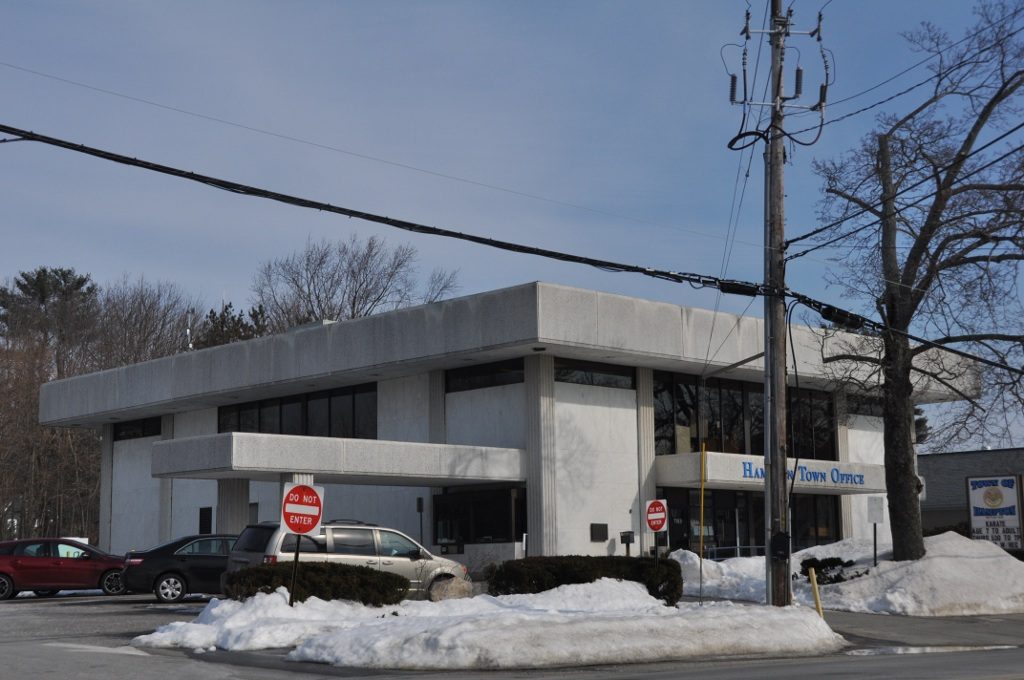
Hampton’s Building Department FAQ lists repairs and renovations among the projects for which a building permit may be needed. That broad list is not a diagnosis. We separate a stable interior floor crack from work that changes support at a wall, column, or footing. Once the scope is clear, we can ask the department about the correct route for that Hampton address.
Read the Hampton source. We check the approval path against the proposed scope.
Water management, a moving footing or a damaged wall may be driving the floor symptoms. Covering the crack will not correct those causes. We put the related findings and exclusions in writing so the repair does not promise more than it can deliver. A separate outdoor concrete problem can be priced separately. The decision inside the house is whether support has changed, not whether every nearby surface looks level.
Tile, carpet or a finished basement wall may cover the crack end or the floor wall joint. We need to identify what can be measured without opening finishes and what remains unknown. If a column base or bearing wall is involved, the support detail takes priority over a smooth floor. We also trace any moisture path. That is a better basis for a Hampton repair scope than judging the floor from a photo alone.
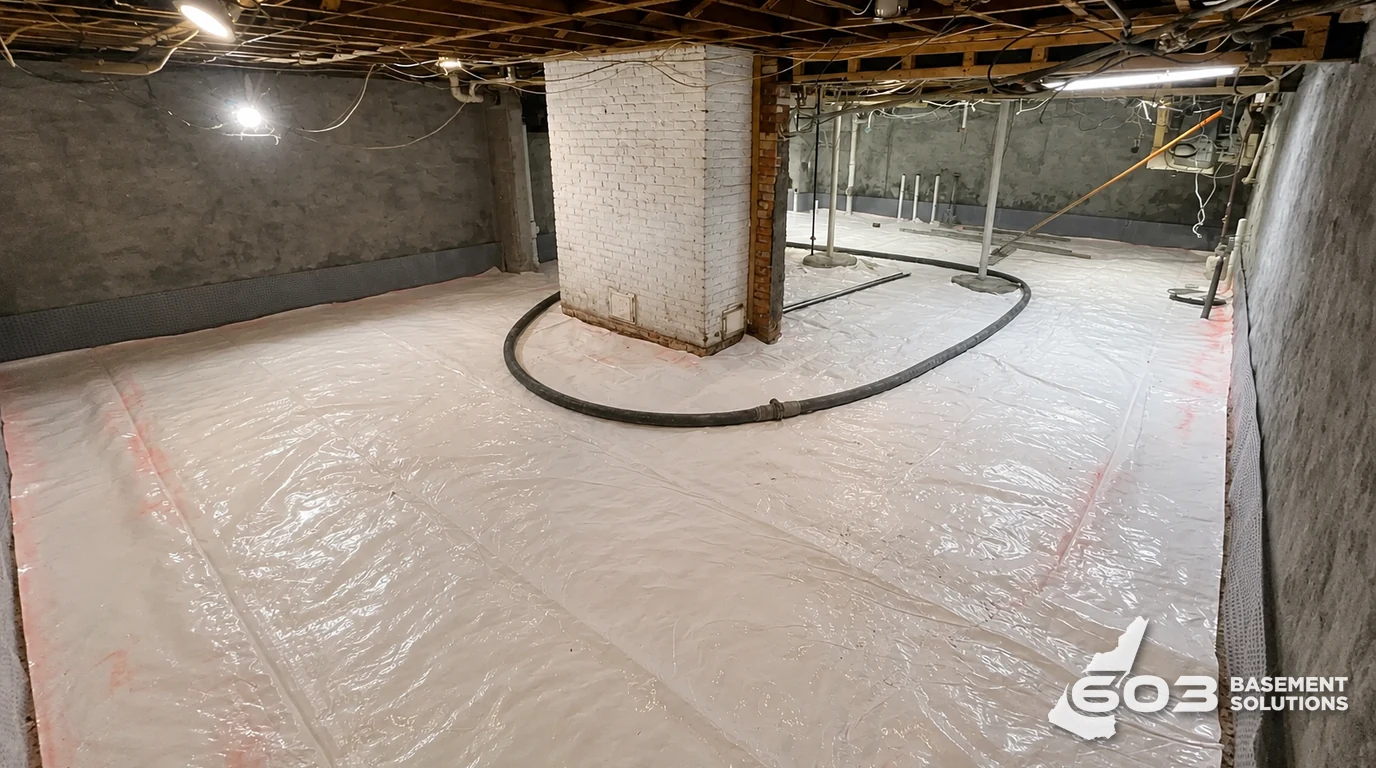
A useful estimate for a load-bearing slab is a measurement document, not a sales sheet. Ask for elevations at marked points, crack locations and widths, and a clear statement of what is structural and what is cosmetic. The scope should separate the slab from any nonstructural basement floor and from outdoor flatwork. It should name access, disposal, and what is excluded. The estimate should let you compare monitoring, limited repair, and no work on the same page.
If repeat measurements stay stable and the wall, stairs and doors show no connected change, monitoring may be the right answer. Keep photos with dates and mark the same crack ends for comparison. A separate floor finish can be repaired later if it bothers you. If the movement becomes active or reaches a bearing point, pause any cosmetic work and obtain a structural assessment before choosing a method.
Compare dated measurements at the same crack ends and the nearby wall. A door that starts binding or a wall gap that grows raises the stakes. A stable floor crack may call for monitoring. If support appears involved, stop before a surface patch and get the load path assessed. A photograph alone cannot make that decision.
Show us the concrete and we will tell you what is worth fixing, what can stay, and what still needs checking.

