
A slab that moved is not the same as a floor that looks uneven. Here is how to tell.
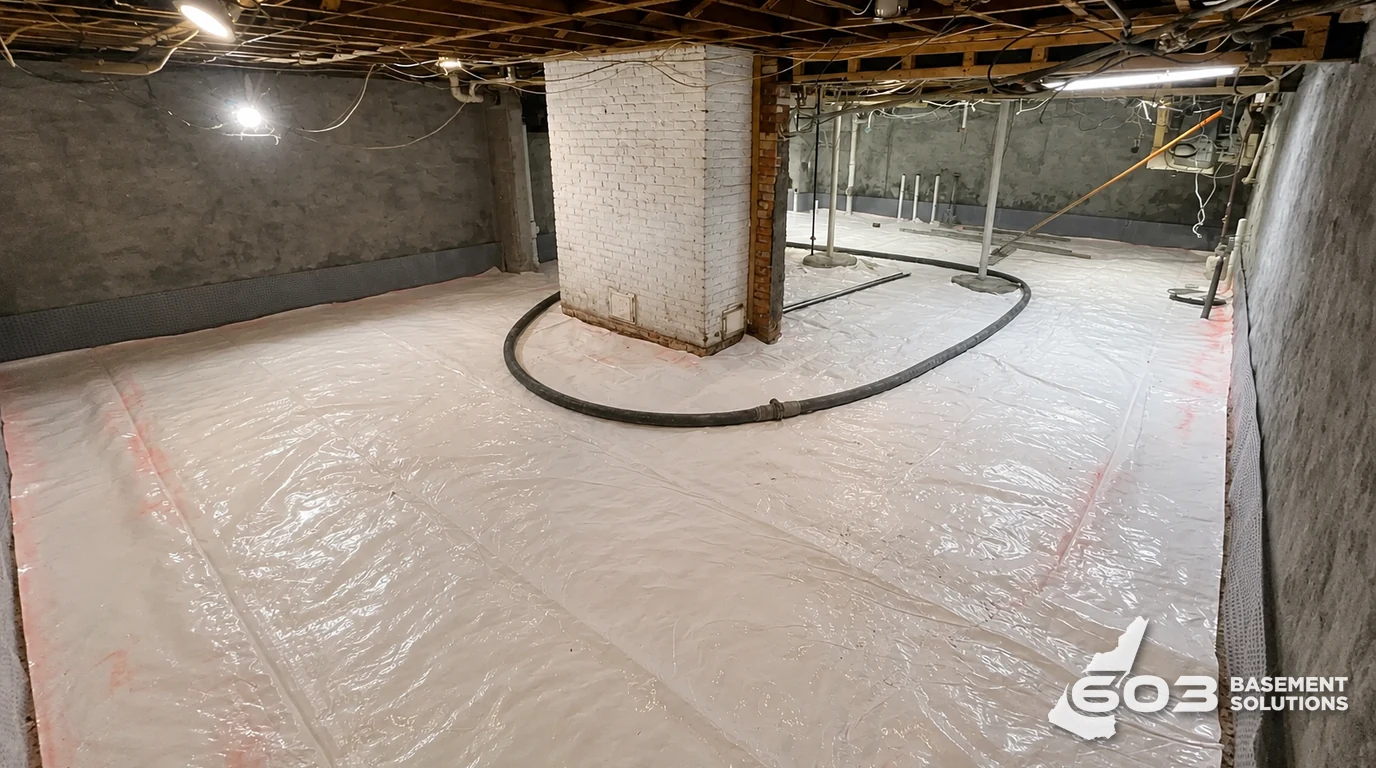
A basement floor within another foundation may not carry the building.
Connected wall, door, and floor changes deserve measurement of the load path.
A dropped patio or drive belongs in concrete repair unless the house also moved.
Start with what the slab carries. A load-bearing slab or foundation system transfers building loads into the ground. A separate basement floor can carry normal room loads without supporting the house. Those are different problems with different repair paths. Useful measurements include elevation readings across the slab, crack width and direction, and whether cracks are stable or opening. Connected symptoms matter too: sticking doors, wall cracks that track toward the slab, gaps at the sill, or a floor that slopes toward a drain. ACI RAP-1 discusses structural concrete cracks, and ACI RAP-11 discusses slabjacking assessment. The goal is evidence, not a sales conclusion.
Not every uneven slab needs structural work. If the slab is not carrying the house and the only complaint is appearance or a small trip edge, cosmetic leveling or a partial replacement may be enough. If the slab carries load, the question changes: is it still bearing, or is it moving away from what it supports? A basement floor that is not structural can often stay if it is stable and dry. A load-bearing slab that has dropped at a post or wall is a different conversation. The written scope should say which one you have. If the estimate does not name what the slab supports, it is not a structural estimate yet.

Method follows diagnosis. If the slab is stable and only off level, cosmetic leveling may be reasonable. If the slab is moving and carrying load, support may need to be restored before any surface work. ACI RAP-7 discusses horizontal concrete repair preparation, and ACI RAP-11 discusses slabjacking assessment. NRMCA CIP6 discusses planned slab joints, which helps explain why some cracks are expected and some are not. The estimate should state what is being repaired, what is being monitored, and what is excluded. Do not accept a method that skips the support question because the surface looks flat after work.
ACI’s structural-slab distinction is general technical guidance, not a specification for this house.
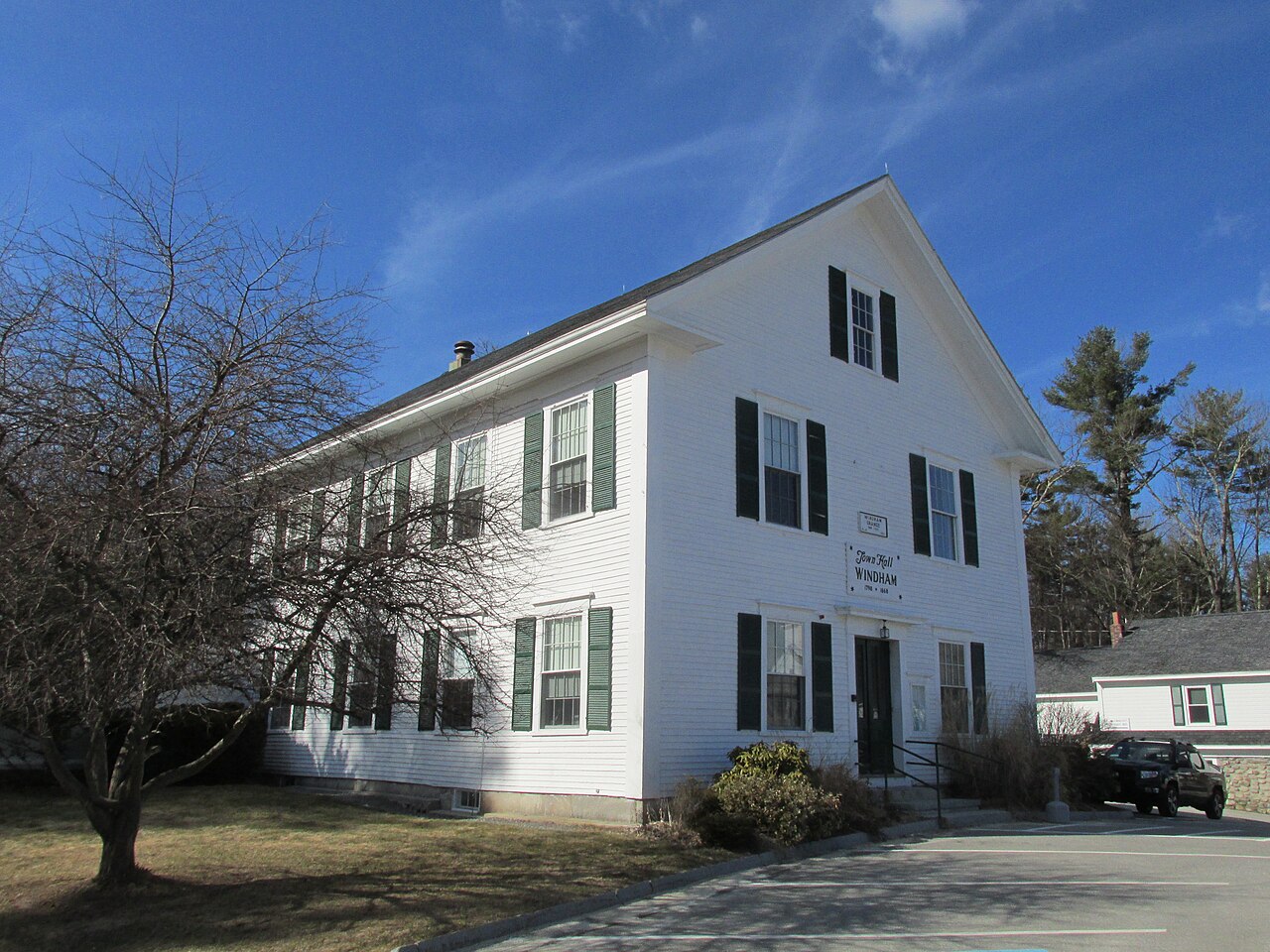
Windham’s Building Safety Division provides the town’s building-permit process. For a proposed slab-foundation repair, the useful submission question is what actually bears the house: a slab, footing, wall, or separate floor. We document load-bearing points and measured movement before checking the appropriate review path with the town. Windham’s stormwater information is useful for drainage, but it cannot establish that an uneven interior slab needs leveling or structural support.
Read the Windham source. We check the approval path against the proposed scope.
Some conditions fall outside a slab repair scope. Drainage that still sends water under the slab, a failed foundation drain, or a roof leader discharging at the wall can undo good work. ACI RAP-1 discusses structural concrete cracks, but a crack that keeps opening may point to a soil or water problem, not a concrete problem. Rain and snowmelt move across hard surfaces instead of soaking into them. That is a reason to keep exterior flatwork out of a structural quote unless the scope says otherwise. If the estimate does not address where water goes, the repair may be incomplete. When the cause is not clear, a design professional may be needed.
On a Windham inspection we would look for bearing walls or posts, record the slab elevations around them, and map the route of any water entering the area. Concealed utilities and access under finished rooms can alter the repair plan. A wet floor may need drainage work while a moving bearing element needs structural assessment; one should not be sold as the cure for the other. The estimate should keep those scopes distinct.
Ask for a written estimate that lists the measurements taken, the symptoms observed, and the limits of the scope. Elevation readings, crack widths, and door or wall symptoms should be in the record. The estimate should identify the supported element, distinguish a bearing slab from a separate floor, and name what is excluded. If water is entering, the drainage question deserves its own scope; if support is uncertain, say whether a design professional must review it. A proposal that only promises a flatter surface does not explain how the building load will be carried.
Sometimes the right answer is no work yet. If cracks are stable, doors still operate, and the slab is not carrying load, monitoring may be reasonable. Mark the crack, date it, and check it after a wet season. If the movement is slow and the water path is controlled, a smaller repair may be enough. If the slab carries load and the movement is active, that is when a design professional may be needed. 603 Basement Solutions repairs load-bearing slab and foundation systems, but we should be willing to say when the evidence does not support a repair. A written monitoring plan is a real deliverable. Ask us for one if the diagnosis is not clear.
Look at what the slab supports. If it transfers weight from bearing walls or structural posts into the ground, it may be part of the foundation. A separate floor slab can carry normal room loads without supporting the house. Measurements, crack patterns, and door or wall symptoms help confirm which one you have. Ask for a written scope that names the slab type, the measurements taken, and what is excluded. If the evidence is unclear, monitoring may be the honest first step.
Show us the concrete and we will tell you what is worth fixing, what can stay, and what still needs checking.