
Is a bedroom average radon level of 2 pCi/L safe, or should I look into mitigation?
RadonA bedroom reading of 2 pCi/L is below the EPA’s action level of 4.0 pCi/L, so you are not in the “fix it now” zone, but it is not zero risk either. The EPA puts 2 to 4 pCi/L in the “consider fixing” range, because no amount of radon is fully safe and a bedroom is a room you breathe in for eight hours a night. The plain read: you don’t have an emergency, but you do have a number worth watching and worth knocking down if you can.
Here is what that 2 means and what we’d tell a neighbor here in New Hampshire.
What the number actually means
Radon is a gas you can’t see or smell. It comes up out of the ground and seeps into a house through the slab, the floor wall joint, sump pits, and any crack or gap. It builds up indoors, especially in lower rooms and tight, well-sealed homes.
The EPA’s action level is 4.0 pCi/L. At or above that, they say fix it. In the 2 to 4 band they say consider fixing, because the risk doesn’t switch off at the line, it just gets lower as the number gets lower. Your 2 sits right in that consider band (see epa.gov/radon for the full guidance).
New Hampshire matters here too. A lot of our ground is granite, and granite country tends to run higher on radon, so plenty of NH homes test above 4. A 2 is a fine spot to be in around here. It just isn’t a number we’d ignore forever.
Should you fix it at 2?
You don’t need to panic, and you don’t need to fix a 2 tomorrow. A lot of families sit at 2 and leave it.
What we’d weigh is the room. It’s a bedroom, the room you spend the most still hours in. If that’s a kid’s room, or someone in the house is a smoker (radon and smoking together is the bigger danger), we’d lean toward dropping the number. If it’s a guest room nobody sleeps in, we’d worry less. Mitigation isn’t only about clearing the action line, it’s about getting the number as low as can reasonably be done. A good system can often pull a 2 down close to the floor.
First, retest before you spend a dime
One reading is a snapshot. Radon swings with the season, the weather, even whether the windows have been shut, and winter usually reads higher than summer because the house is closed up. So before you call anyone, do a longer test, ideally a 90-day or longer one, in that bedroom and in the lowest lived-in level of the house. If the long test still sits around 2, you’ve got a real picture. If it jumps toward 4, the decision makes itself.
The NH DHHS radon program has guidance on testing and approved test methods for New Hampshire homes. That’s a good neutral place to start.
What a fix looks like, and what it runs
If you decide to bring the number down, the standard fix is an active sub-slab mitigation system. We seal up the obvious entry points, then run a pipe and a quiet fan that pulls the radon out from under the slab and vents it up and out above the roofline, before it ever gets into the room. If your low level is a dirt or fieldstone crawl instead of a poured slab, the fix is a sub-membrane version that pulls from under a sealed floor barrier. We install both.
A radon mitigation system runs $900 to $6,000, and most homes land around $1,950 to $2,250, and the radon test itself runs $50, credited toward the job if you move ahead. We back the mitigation system for 10 years. One note to be clear on: the warranty covers the system, not a guaranteed radon number, unless we put a specific number in writing. Radon comes out of the ground, and the ground is the ground.
Our radon guy is Branden, “B-Radon,” and we’re state radon certified (RMS-113966), licensed and insured. See the 603 Guarantee for the full terms.
What to do next
Retest the bedroom with a long-term test first. If it still reads in that 2 to 4 band and it’s a room someone sleeps in every night, getting a system in is a reasonable call, and not an expensive one as home repairs go. If it reads near zero, you’ve got your answer and you can let it go.
If you’re in New Hampshire, Maine, or northern Massachusetts and want a set of eyes on it, call us at 603-610-1770 or book your free inspection. We’ll tell you whether a 2 is worth fixing in your house, or whether you can leave it be.
Related questions
Is there a safe level of radon? Not really. The EPA’s action level is 4.0 pCi/L, but the agency is clear that no level is risk-free. Lower is always better, which is why 2 to 4 is a “consider fixing” range and not a green light.
Does radon come from the basement or the crawl space? Both. It rises from the soil under the house, so it gets in through a slab, the floor wall joint, a sump pit, or an open dirt crawl. A crawl with a bare dirt floor is a common pathway.
Does fixing my water problem fix radon too? No, they’re separate systems. Basement waterproofing keeps water out; a radon system pulls gas out from under the slab. Sealing things up can help a little, but a real radon number needs a real radon fix.
How long does a radon test take? A short-term test runs a few days. A long-term test runs 90 days or more and gives a truer average, which is what you want before deciding on a 2.
More: Radon Mitigation · Crawl Space Services · Basement Waterproofing
More answers: See all 31 radon questions →
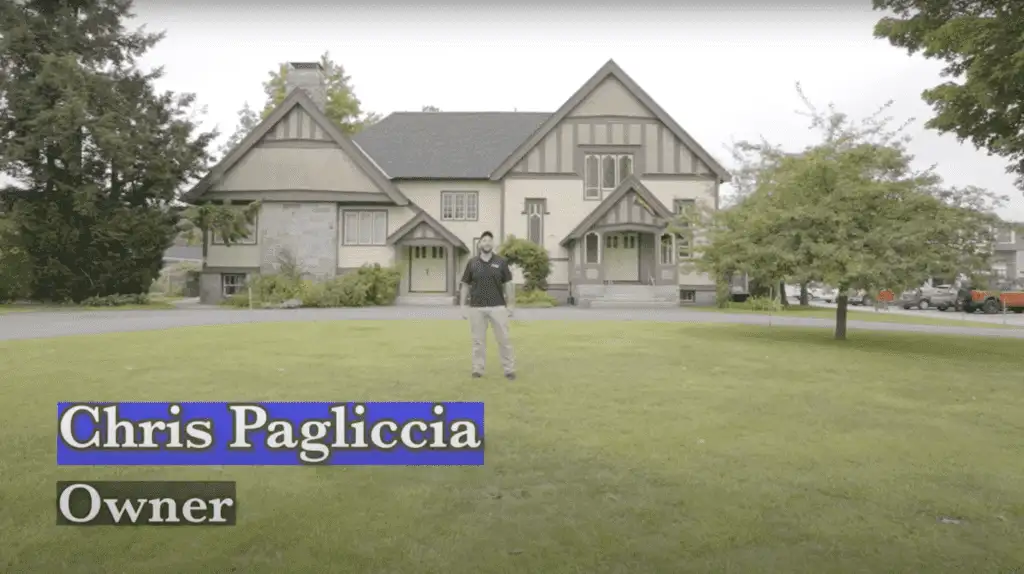
Byline: Chris Pagliccia, 603 Basement Solutions
More questions like this
- How much does a typical radon mitigation system cost?
- How much radon is dangerous if I’m going to live in the basement of a house?
- How quickly do radon levels change?
- I have a radon mitigation system that blows air out of my house. Is that normal?
- I sleep in the basement. Should I be scared of radon?
- If a basement’s concrete cracks, will radon get into the air inside the house?
- If our radon test came back above 12, will a mitigation system really get our home to a safe level?
- My house’s radon mitigation system’s fan is getting louder. Is that a problem, and what should I do?