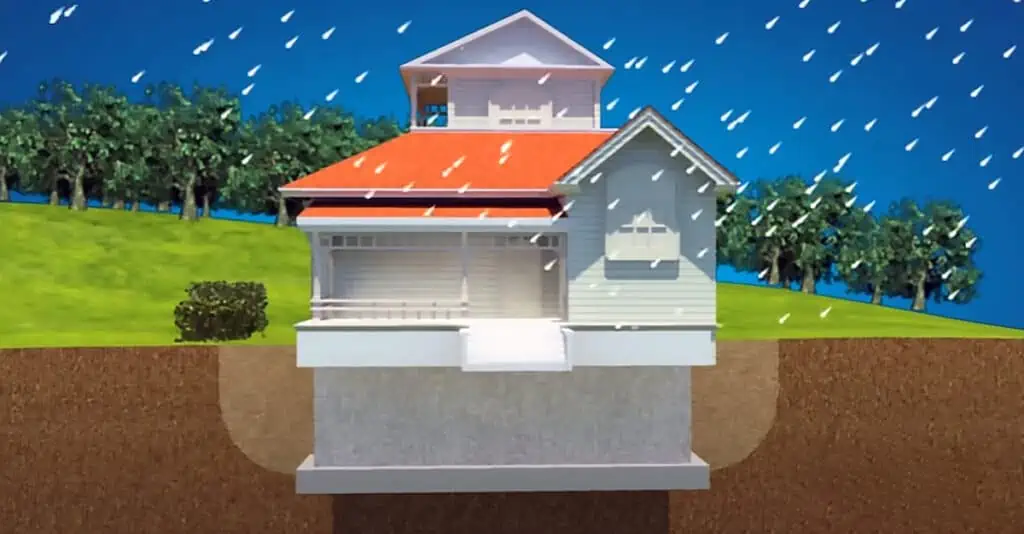
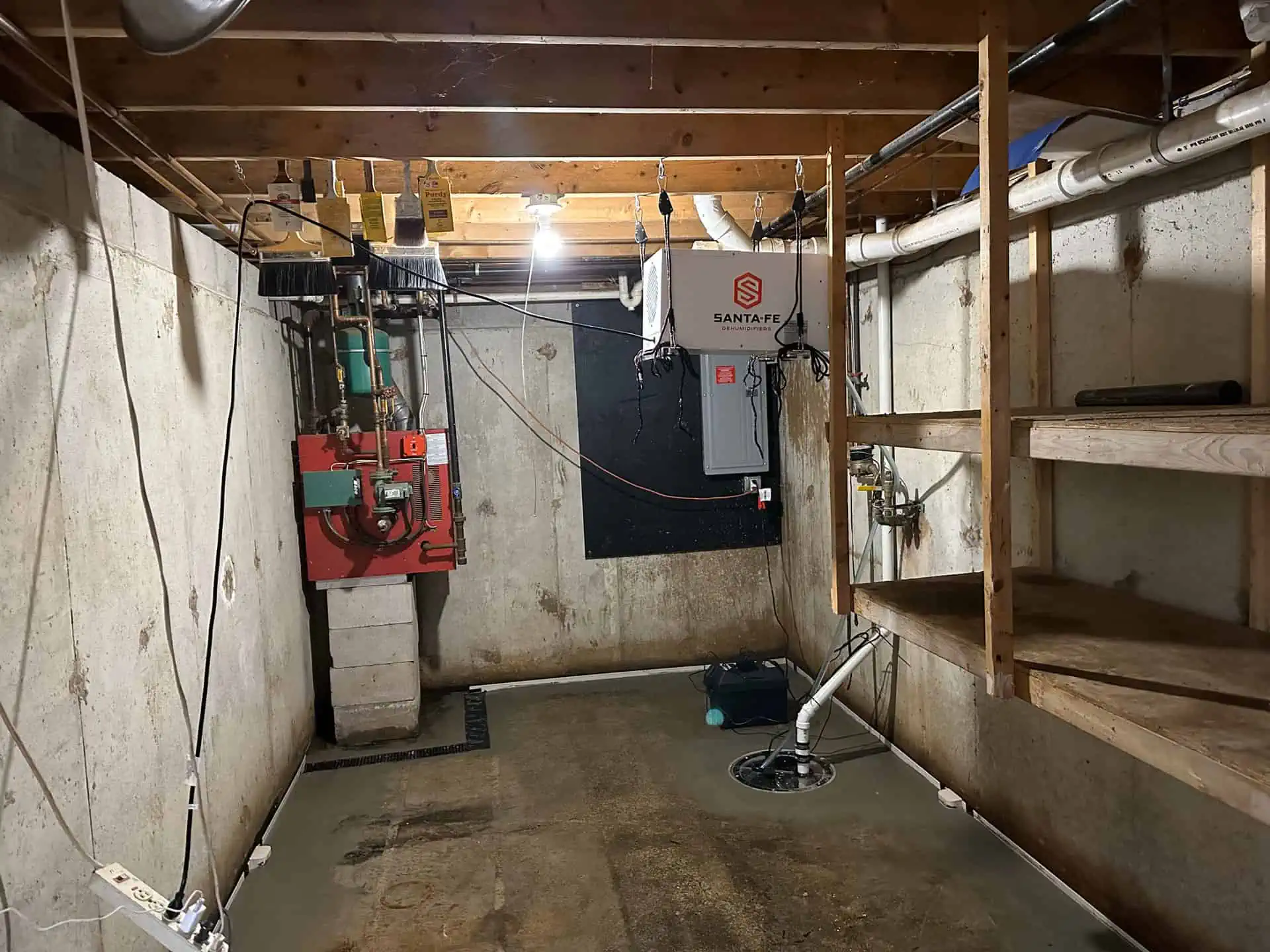
Basement waterproofing is crucial for homeowners in Atkinson, NH. The area’s climate, with heavy rain and snowfall, makes basements susceptible to water intrusion. Protecting your basement from moisture is essential to prevent mold growth, structural damage, and maintain a healthy living environment.
Understanding the Need for Basement Waterproofing
Waterproofing your basement is not just about preventing leaks; it’s about protecting your home. Moisture can lead to severe issues like foundation cracks, wood rot, and unhealthy air quality. Waterproofing ensures your basement stays dry, preventing long-term damage and costly repairs.
- Prevents structural damage: Protects the foundation from cracks and shifting.
- Improves indoor air quality: Reduces mold and mildew growth.
- Increases home value: A dry basement adds to the property value.
Our Comprehensive Basement Waterproofing Solutions
At 603 Basement Solutions, we offer a range of waterproofing services tailored to the unique needs of Atkinson homes. We utilize advanced techniques and high-quality materials to ensure effective and long-lasting results.
- Interior Waterproofing Solutions: Involves sealing walls and floors to keep water out.
- Exterior Waterproofing Solutions: Protects your basement from outside water intrusion.
- Sump Pump Installation and Maintenance: Removes accumulated water, keeping your basement dry.
Interior Waterproofing Solutions
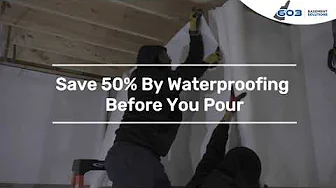
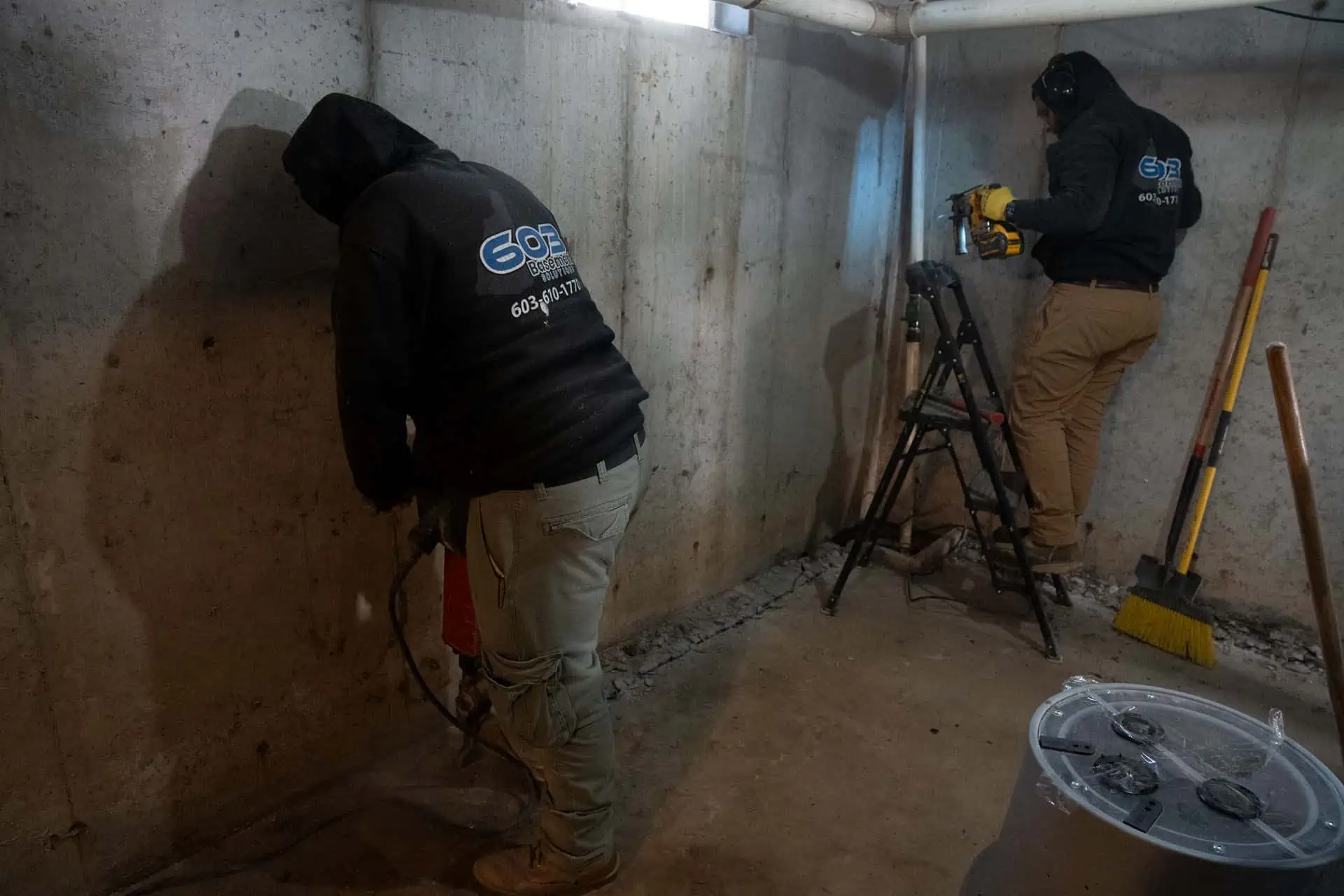
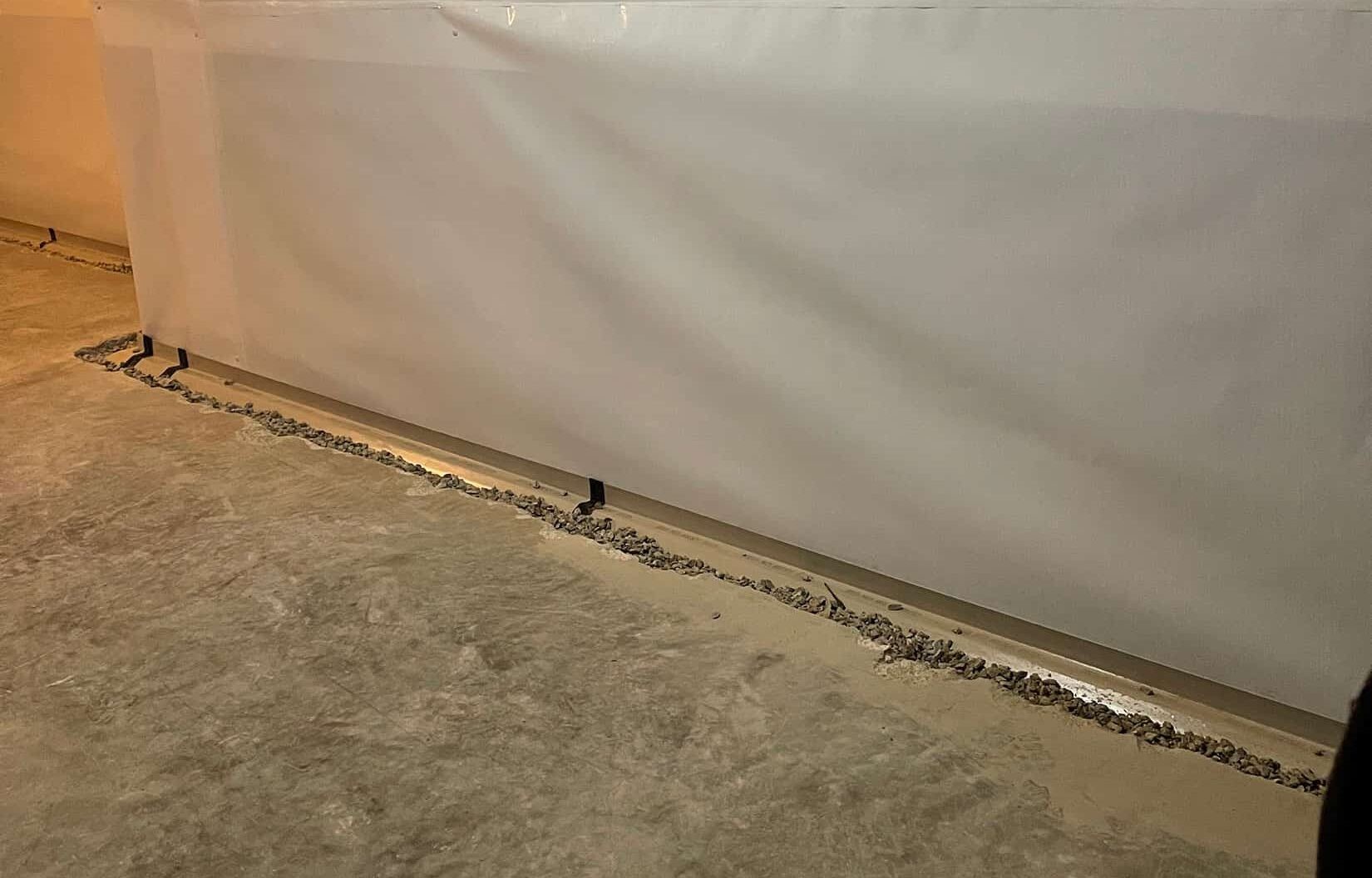
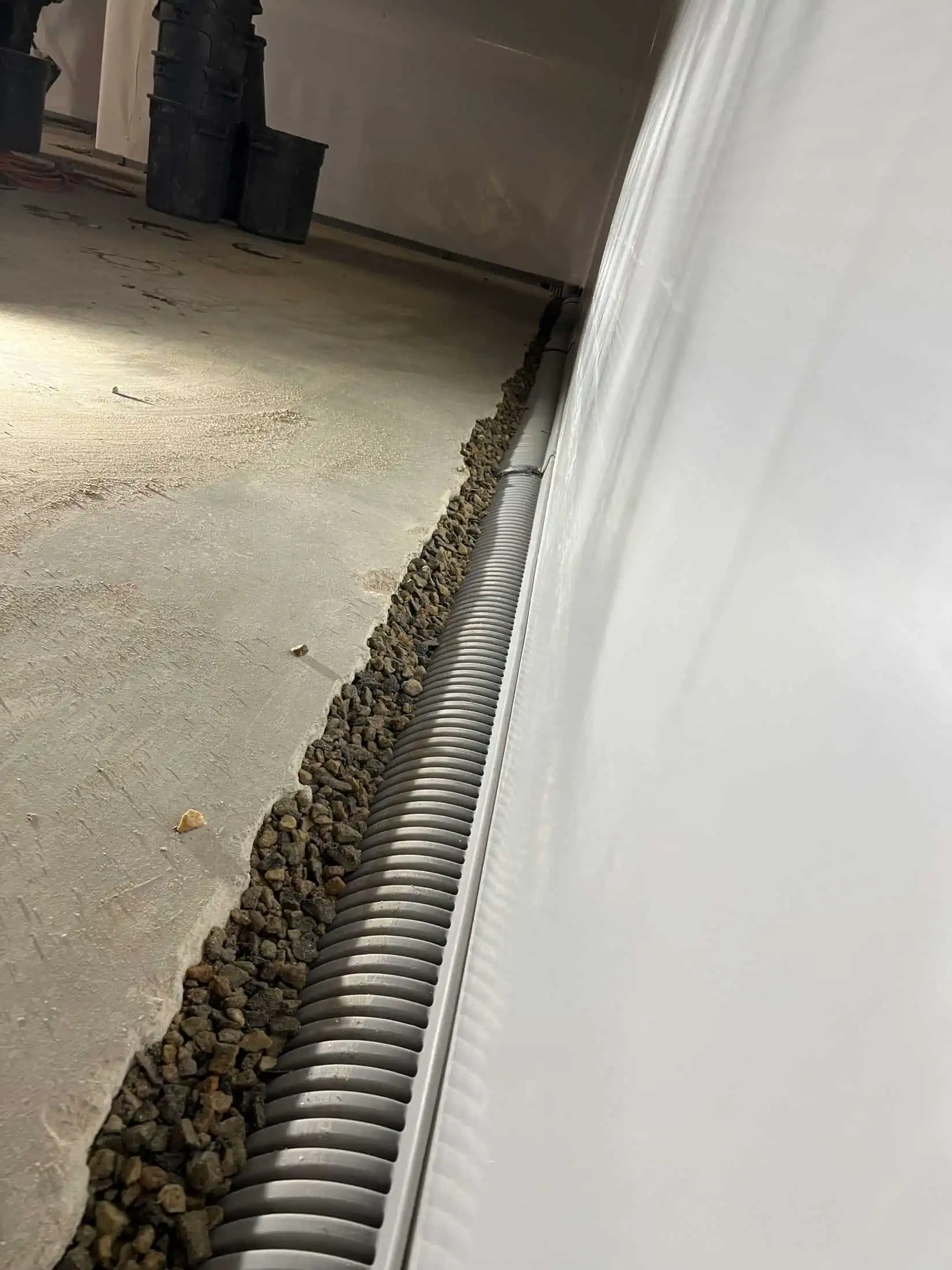
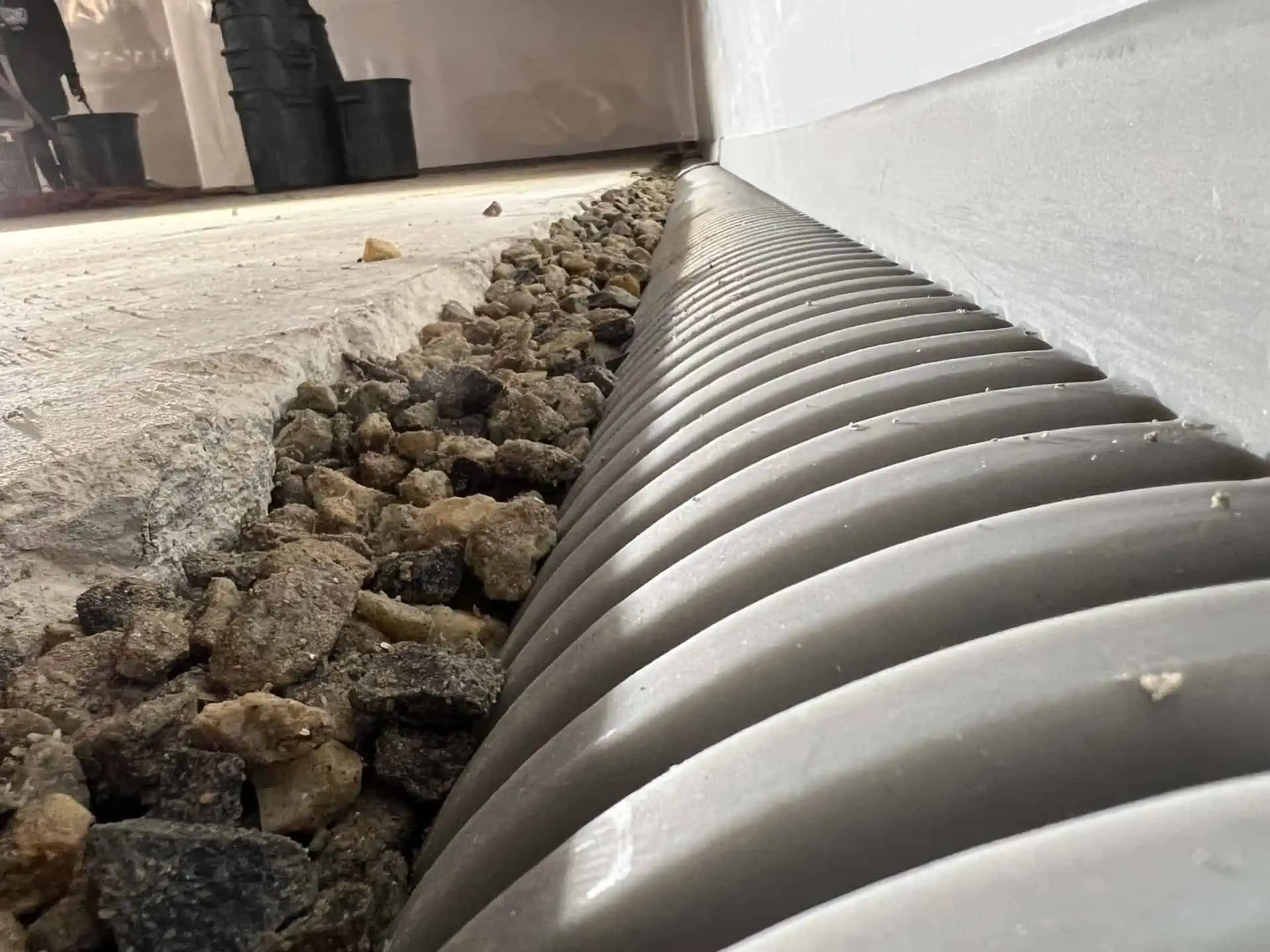
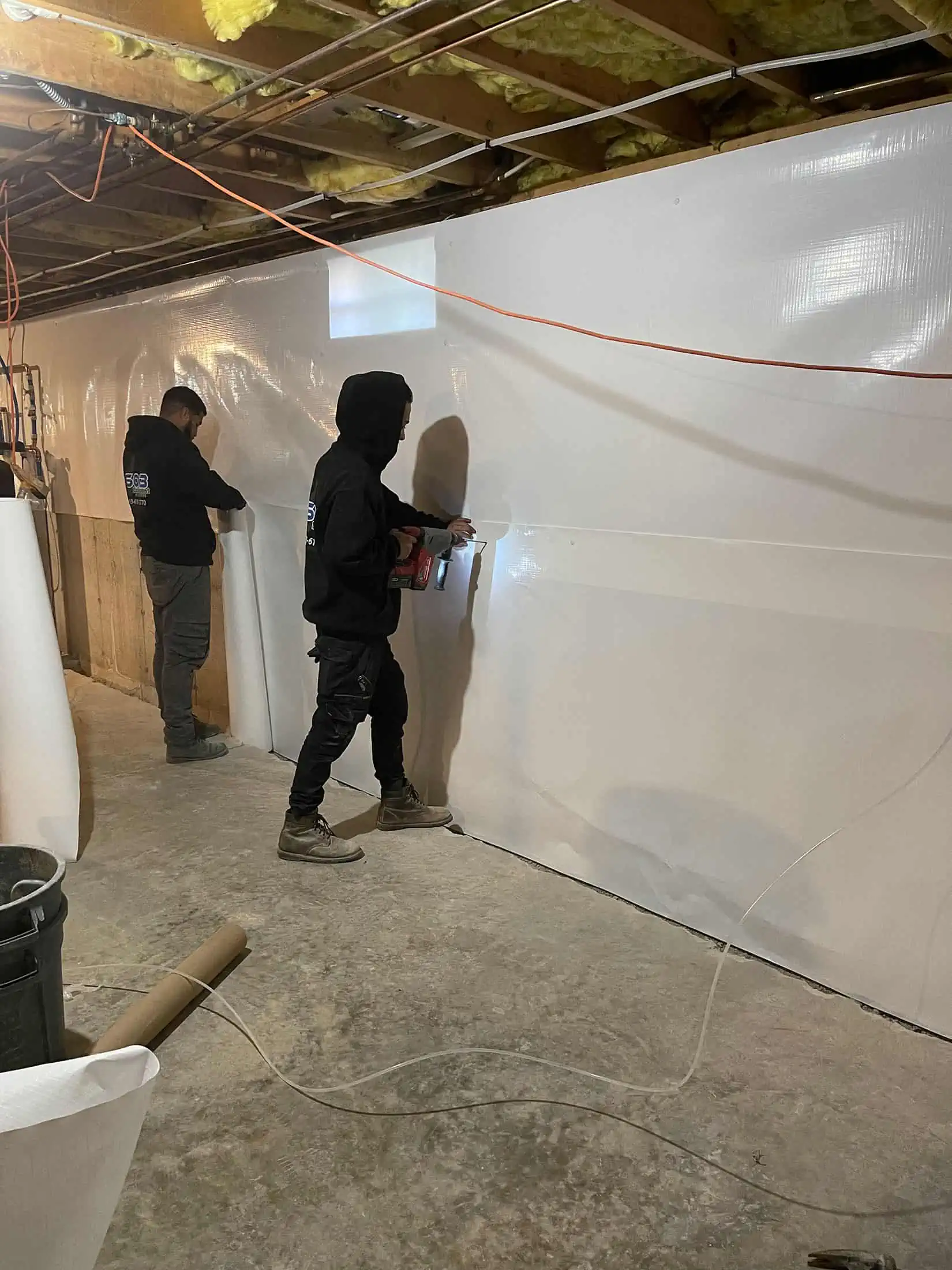
Interior waterproofing focuses on managing water from inside the basement. This method includes installing vapor barriers, sealing cracks, and using drainage systems. It is ideal for preventing water seepage through walls and floors. Interior solutions are cost-effective and provide immediate relief from water problems.
Exterior Waterproofing Solutions
Exterior waterproofing is a proactive approach to keeping water out of your basement. This method involves excavating around the foundation, applying a waterproof membrane, and installing drainage systems. Exterior solutions are more comprehensive, protecting against groundwater and surface water infiltration. They are essential for homes in areas prone to heavy rainfall.
Sump Pump Installation and Maintenance
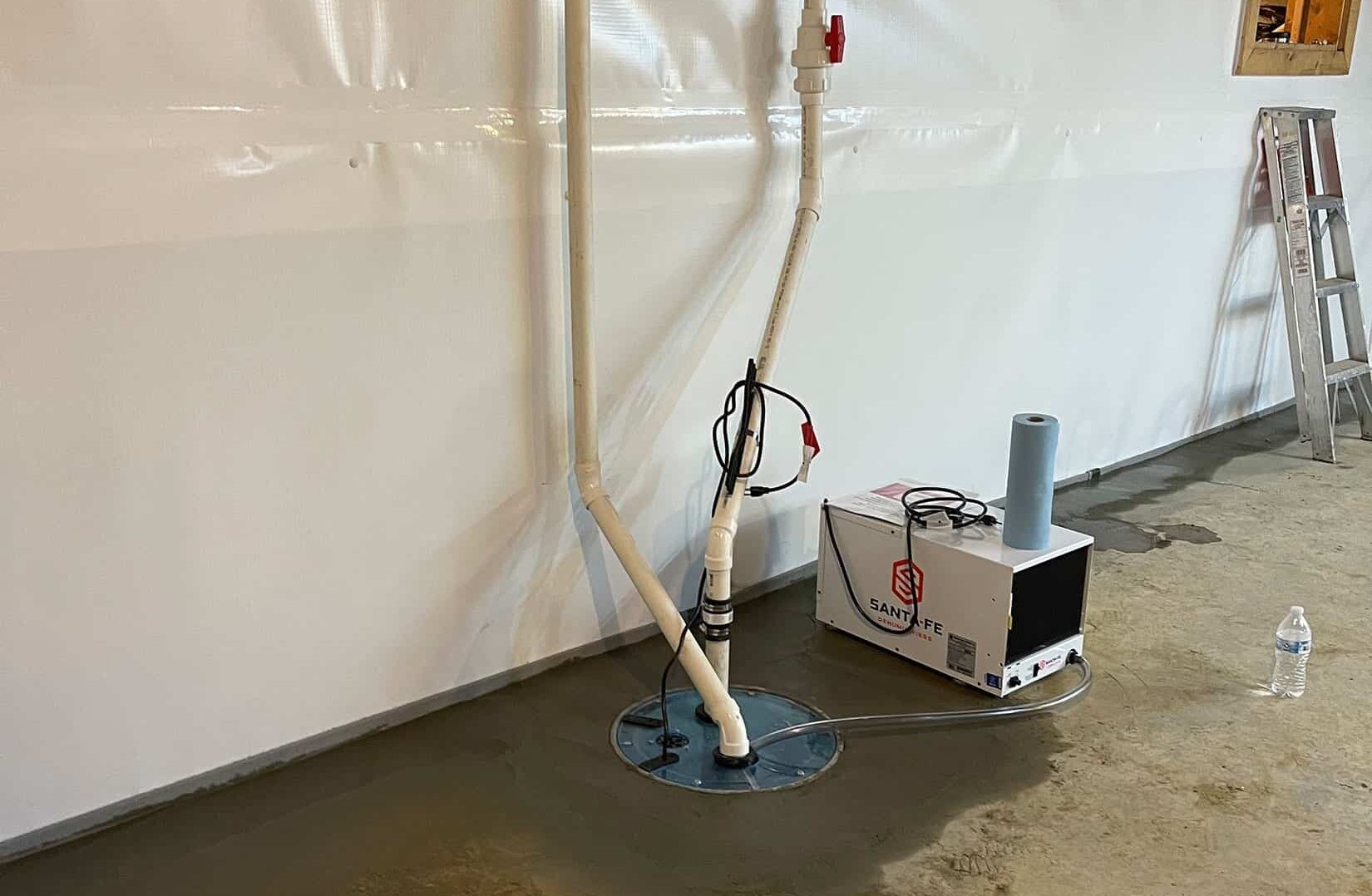
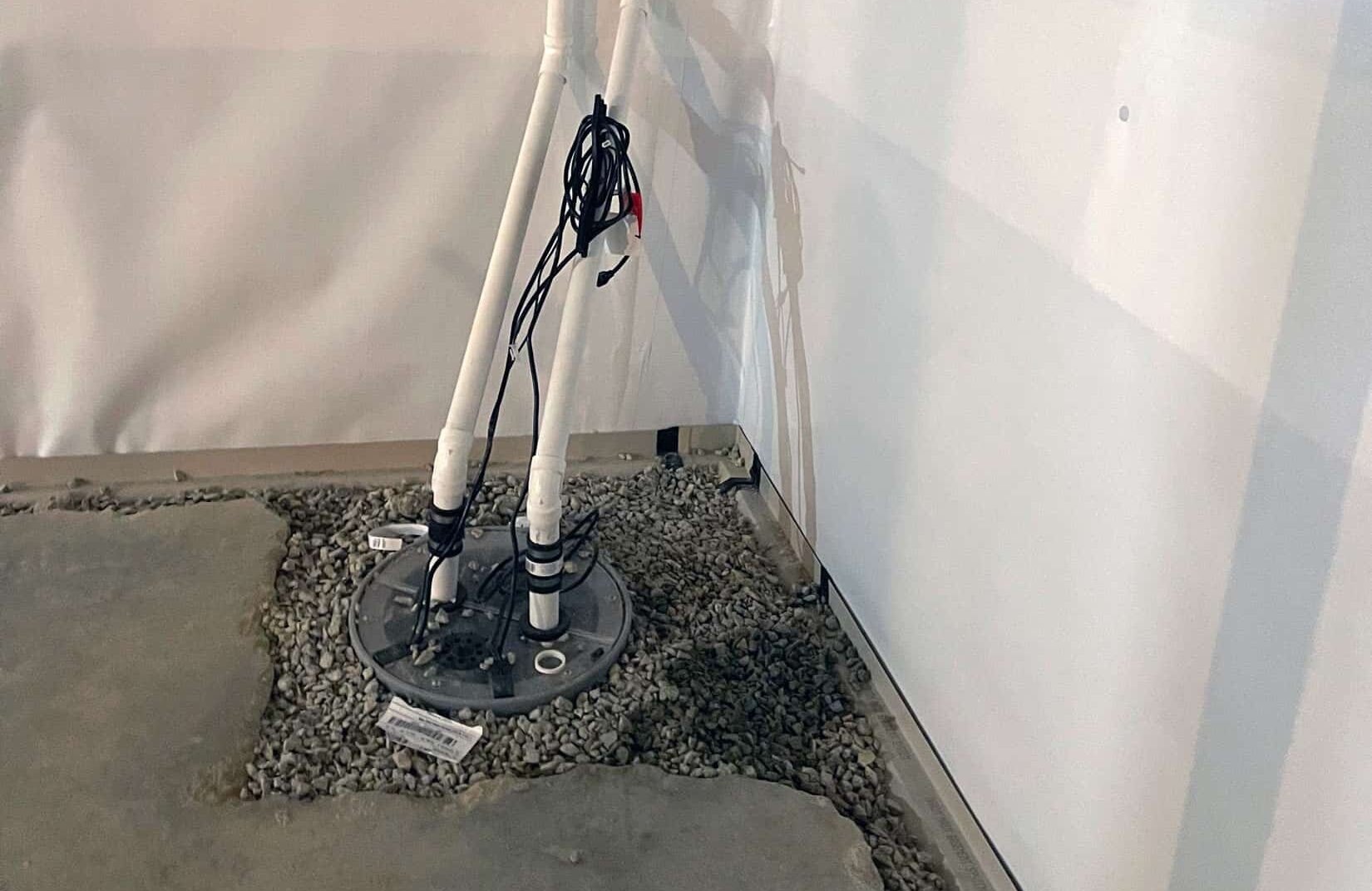
Sump pumps are crucial for keeping basements dry, especially in areas with a high water table. We install and maintain sump pumps to ensure they function efficiently. Regular maintenance checks and backups are recommended to avoid failures during storms or power outages.
The Forever Dry System™: A Unique Solution
The Forever Dry System™ is our signature solution for waterproofing. This patented system combines multiple methods to create a comprehensive barrier against water intrusion. It includes interior and exterior waterproofing techniques, ensuring maximum protection for your basement.
- Long-lasting results: Designed to withstand harsh weather conditions.
- Customizable: Tailored to meet the specific needs of each home.
- Eco-friendly materials: Uses sustainable and non-toxic materials for a safe living environment.
How We Work: Our Process
Our process is designed to provide the best waterproofing solutions for Atkinson homes. We start with a thorough inspection, followed by a customized plan and professional installation.
- Initial Inspection and Assessment: We conduct a detailed inspection of your basement to identify the source of water intrusion.
- Customized Waterproofing Plan: Based on our findings, we develop a tailored plan that addresses your specific needs.
- Implementation and Quality Assurance: Our team of experts installs the chosen waterproofing solutions, ensuring high-quality workmanship and materials.
Initial Inspection and Assessment
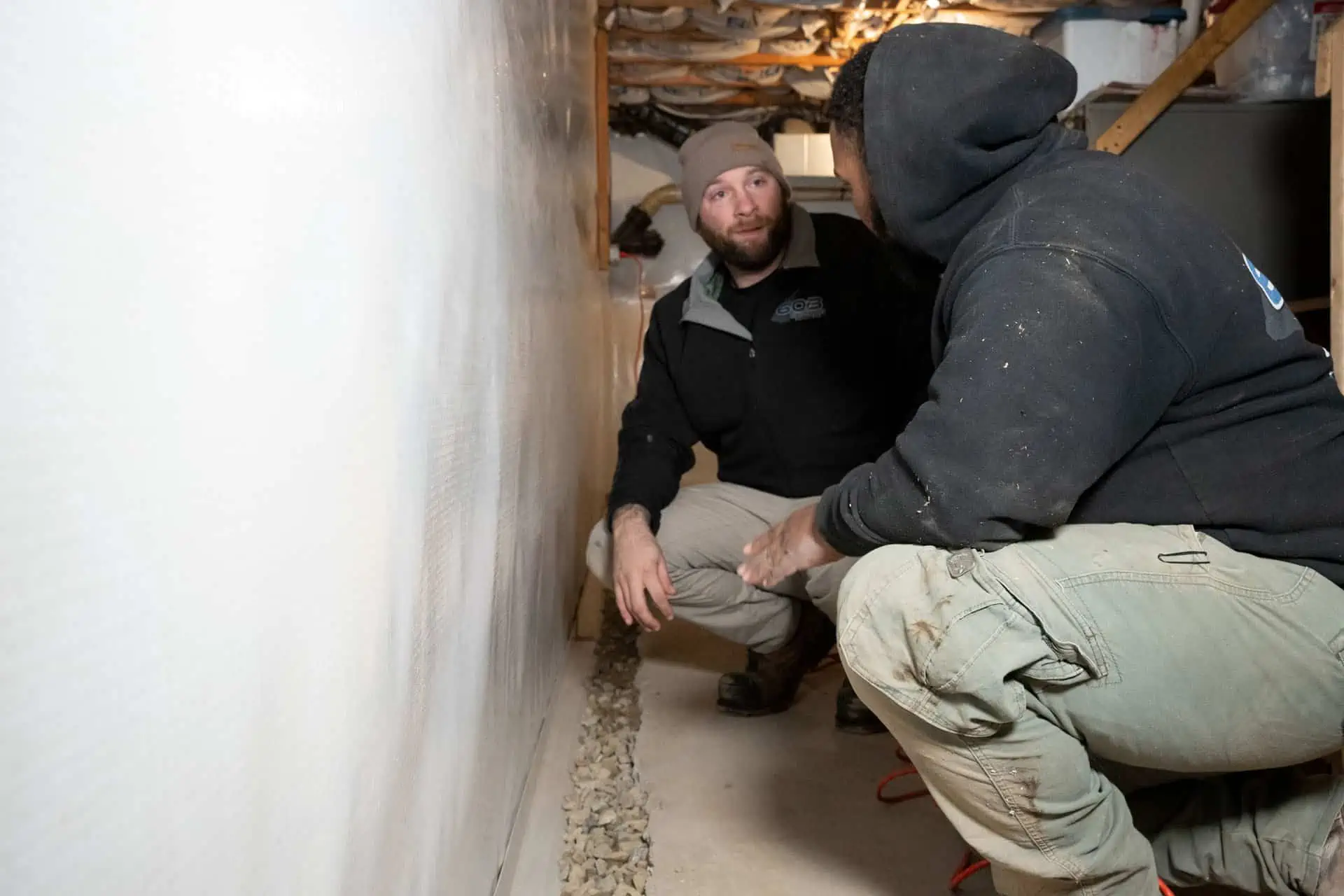
We begin with a comprehensive inspection of your basement, checking for cracks, water stains, and other signs of moisture. This step helps us understand the extent of the problem and determine the best course of action.
Customized Waterproofing Plan
Every home is different, which is why we create a unique waterproofing plan for each client. Our experts consider various factors, such as the age of the home, type of foundation, and existing damage, to design the most effective solution.
Implementation and Quality Assurance
Once the plan is approved, our team begins the installation process. We use only the best materials and techniques to ensure long-lasting results. After installation, we perform quality checks to guarantee customer satisfaction.
Common Basement Waterproofing Problems in Atkinson Homes
Atkinson homes often face specific waterproofing challenges due to the region’s climate and soil conditions. Common issues include:
- Foundation Cracks: Caused by water pressure and shifting soil.
- Mold and Mildew: Resulting from persistent moisture.
- Water Seepage: Often due to inadequate drainage around the home.
Understanding these problems helps homeowners take preventive measures and seek professional help when necessary.
Why Choose 603 Basement Solutions for Waterproofing?
Choosing the right contractor is essential for effective basement waterproofing. At 603 Basement Solutions, we pride ourselves on our expertise, quality of work, and commitment to customer satisfaction.
Expert Team
Our team consists of highly trained professionals with years of experience in basement waterproofing. We stay updated with the latest techniques and technologies to provide the best solutions for our clients.
5-Star Customer Ratings
We are proud of our reputation for delivering excellent service. Our customers consistently rate us highly for our professionalism, reliability, and quality of work.
Lifetime Warranty and Guarantees
We believe in the quality of our work and offer lifetime warranties on our waterproofing solutions. This commitment ensures our clients receive long-lasting protection for their homes.
Serving the Atkinson Community
603 Basement Solutions is committed to serving the Atkinson community with dedication and excellence. We understand the unique needs of local homeowners and strive to provide solutions that offer peace of mind and long-term protection.
Additional Services by 603 Basement Solutions
Beyond basement waterproofing, we offer a range of services to enhance the safety and functionality of your home.
Crawl Space Encapsulation
Crawl Space encapsulation involves sealing off crawl spaces from outside moisture and pests. This process helps improve indoor air quality and energy efficiency.
Radon Mitigation Systems
Radon is a hazardous gas that can accumulate in basements. Our radon mitigation systems effectively reduce radon levels, ensuring a safe and healthy home environment.
Tips for Homeowners in Atkinson to Maintain a Dry Basement
Maintaining a dry basement requires ongoing effort and awareness. Here are some tips to help keep your basement dry:
- Regular Inspections: Check for signs of moisture or damage regularly.
- Proper Landscaping: Ensure that your landscaping slopes away from the foundation.
- Clean Gutters and Downspouts: Keep gutters and downspouts clear to prevent water buildup near the foundation.
Contact Us
Don’t wait for a small leak to turn into a big problem. Schedule a free inspection with 603 Basement Solutions to assess your basement’s waterproofing needs. Our experts are ready to provide a comprehensive evaluation and recommend the best solutions for your home.
Keep your basement dry and your home safe with 603 Basement Solutions—the trusted name in basement waterproofing in Atkinson, NH.