Basement waterproofing is crucial for homeowners in Wells, ME, where the weather can be unpredictable, and water tables are often high. Protecting your basement from water damage is not just about maintaining your home’s value; it’s about ensuring a safe, healthy living environment. At 603 Basement Solutions, we specialize in providing comprehensive waterproofing services tailored to the unique needs of Wells residents.
Why Choose Basement Waterproofing in Wells, ME?
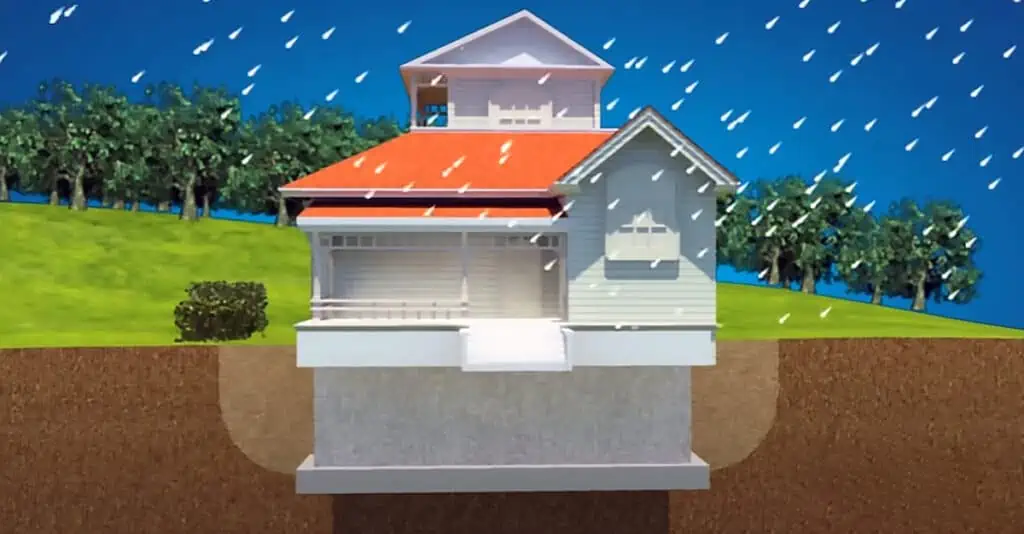
Wells, ME, is known for its scenic beauty and coastal charm. However, the area’s unique weather patterns, including heavy rains and occasional flooding, can pose significant challenges to homeowners. Basements in Wells are particularly vulnerable to water infiltration, which can lead to mold growth, structural damage, and other costly issues.
Investing in professional basement waterproofing offers several benefits:
- Prevents structural damage: Water can weaken your foundation over time.
- Enhances property value: A dry basement adds to your home’s resale value.
- Reduces health risks: Prevents mold and mildew growth.
- Lowers energy costs: Keeps your basement dry, reducing humidity and heating costs.
Comprehensive Basement Waterproofing Services by 603 Basement Solutions
At 603 Basement Solutions, we offer a range of waterproofing services designed to protect your home from water damage. Our team understands the specific challenges faced by Wells homeowners and provides customized solutions to meet your needs.
Interior Basement Waterproofing
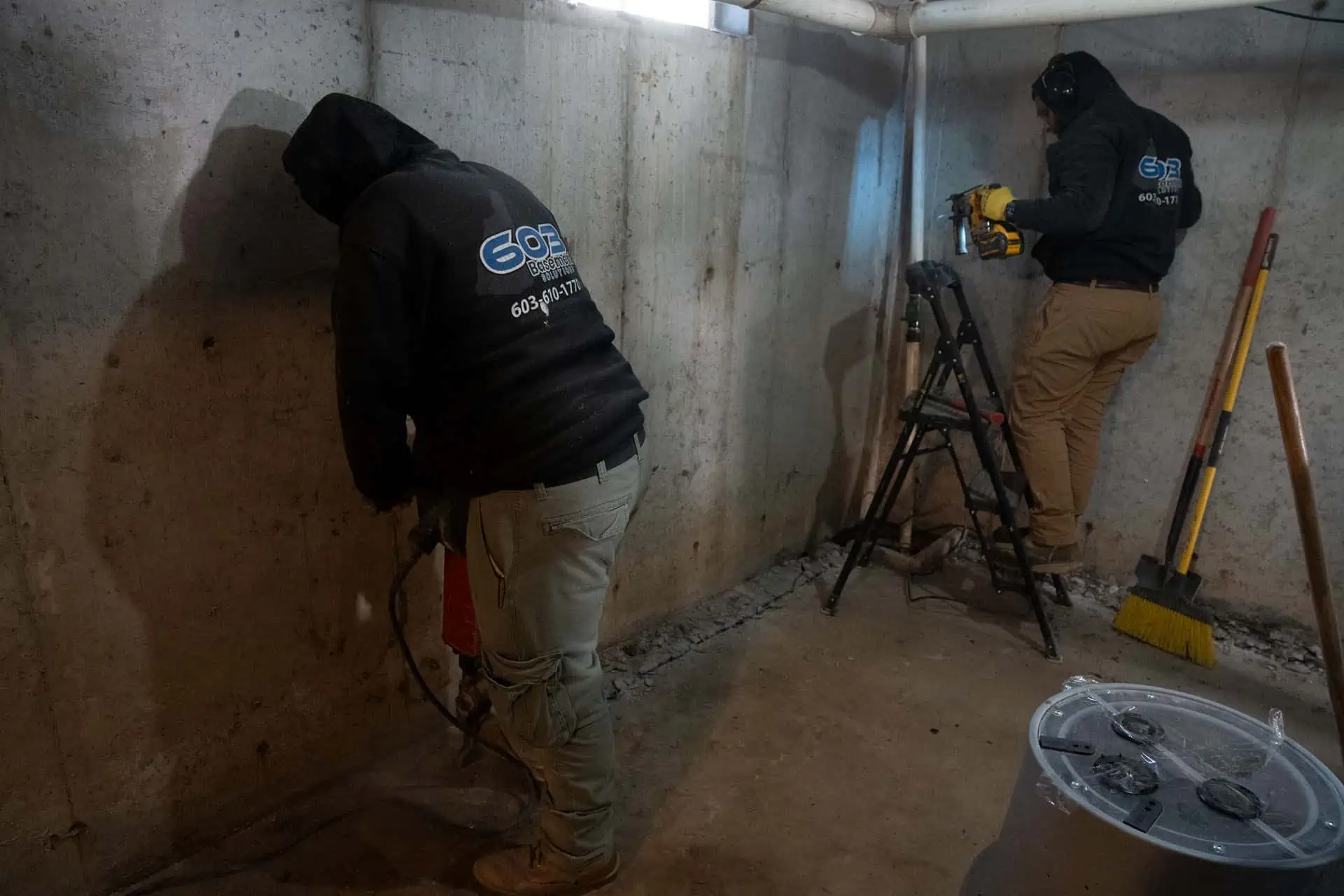
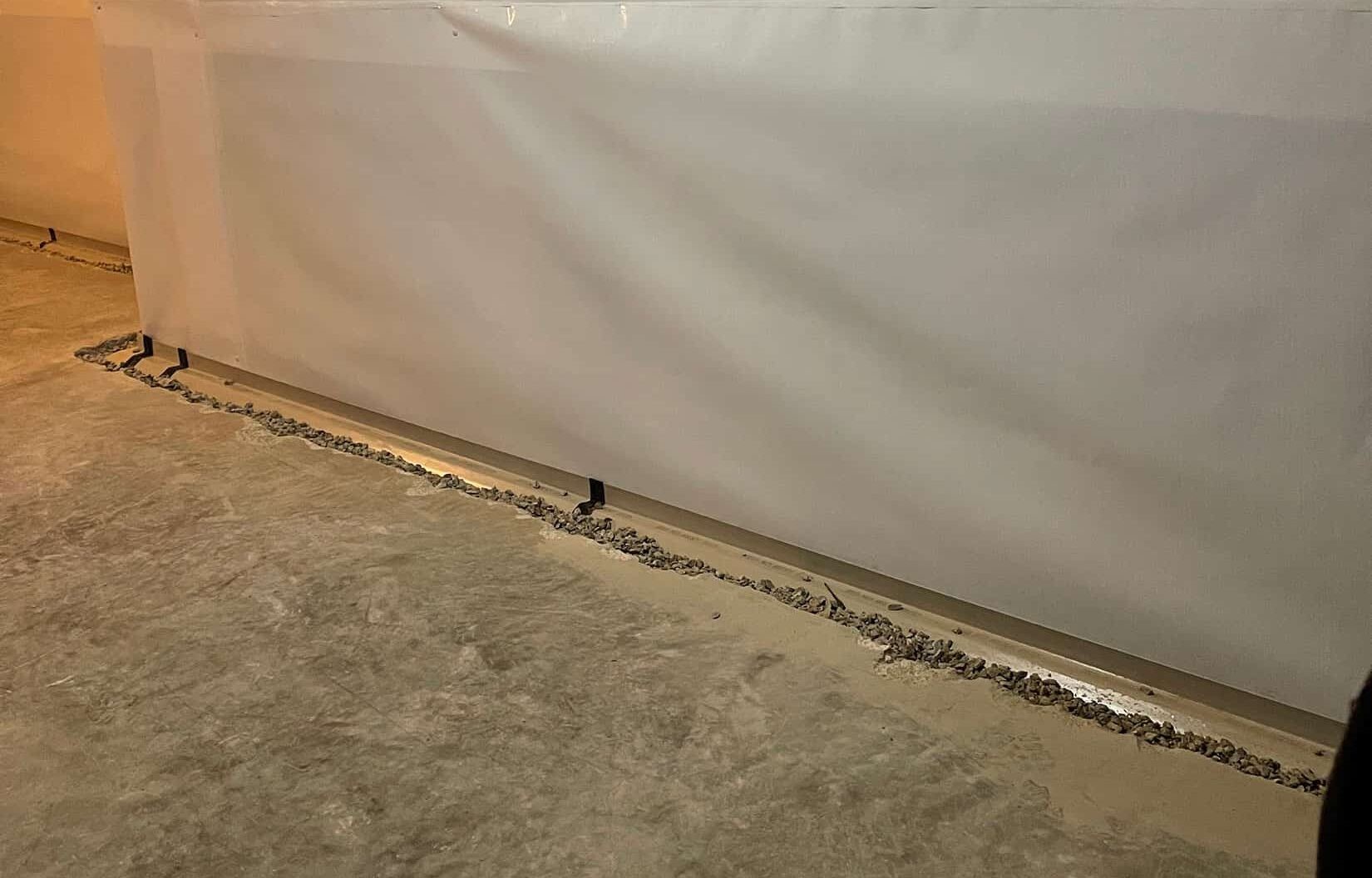
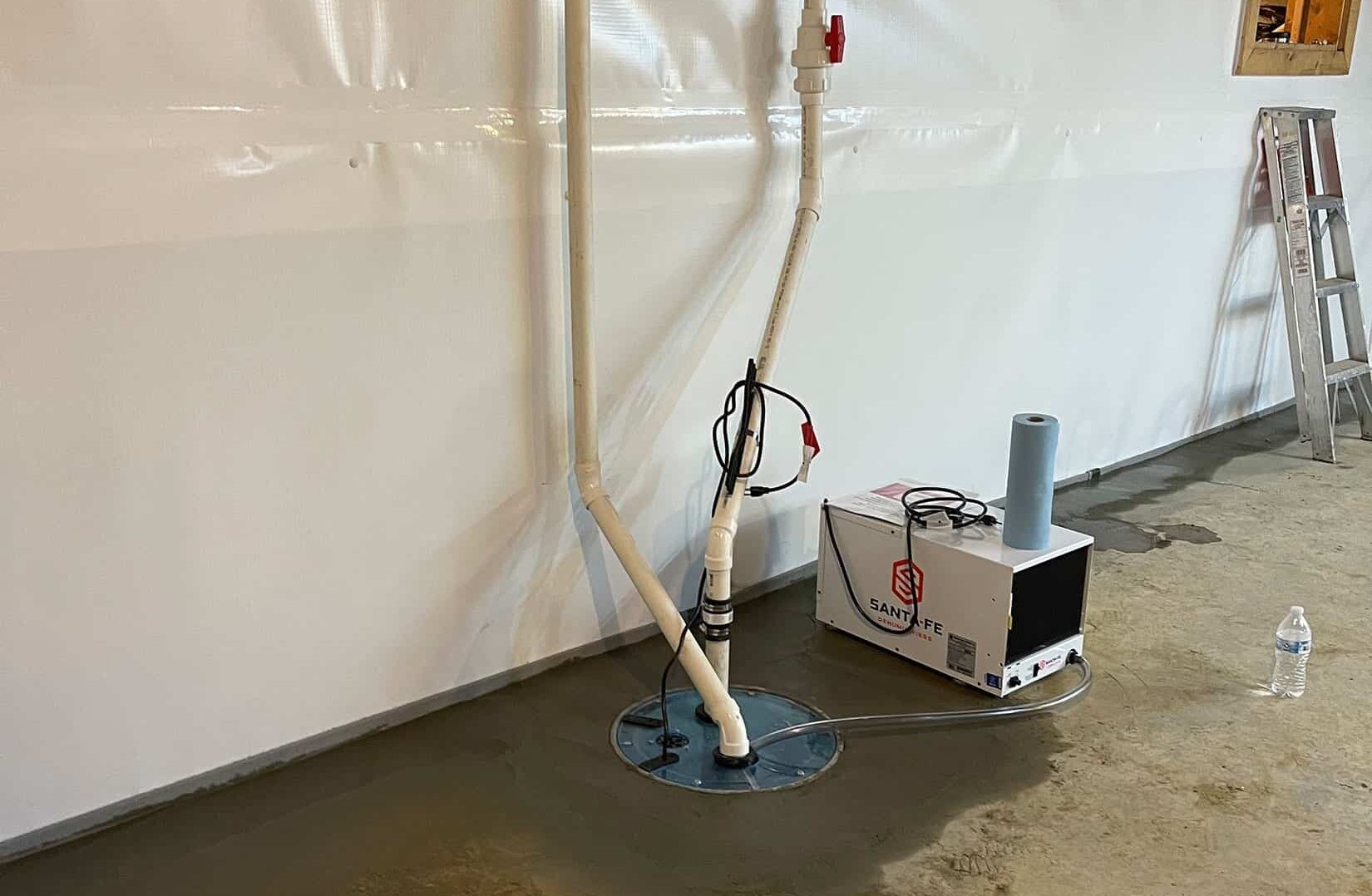
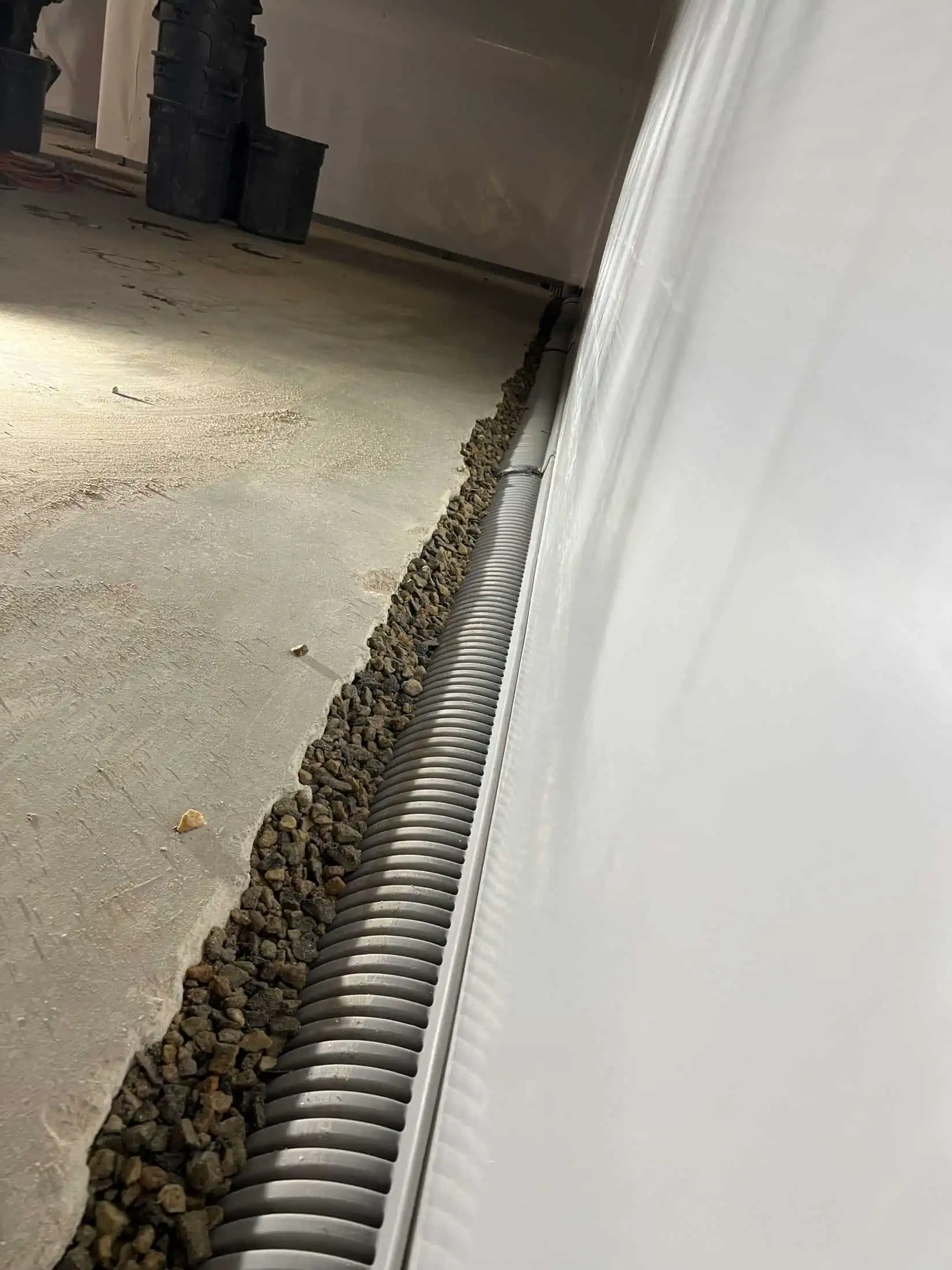
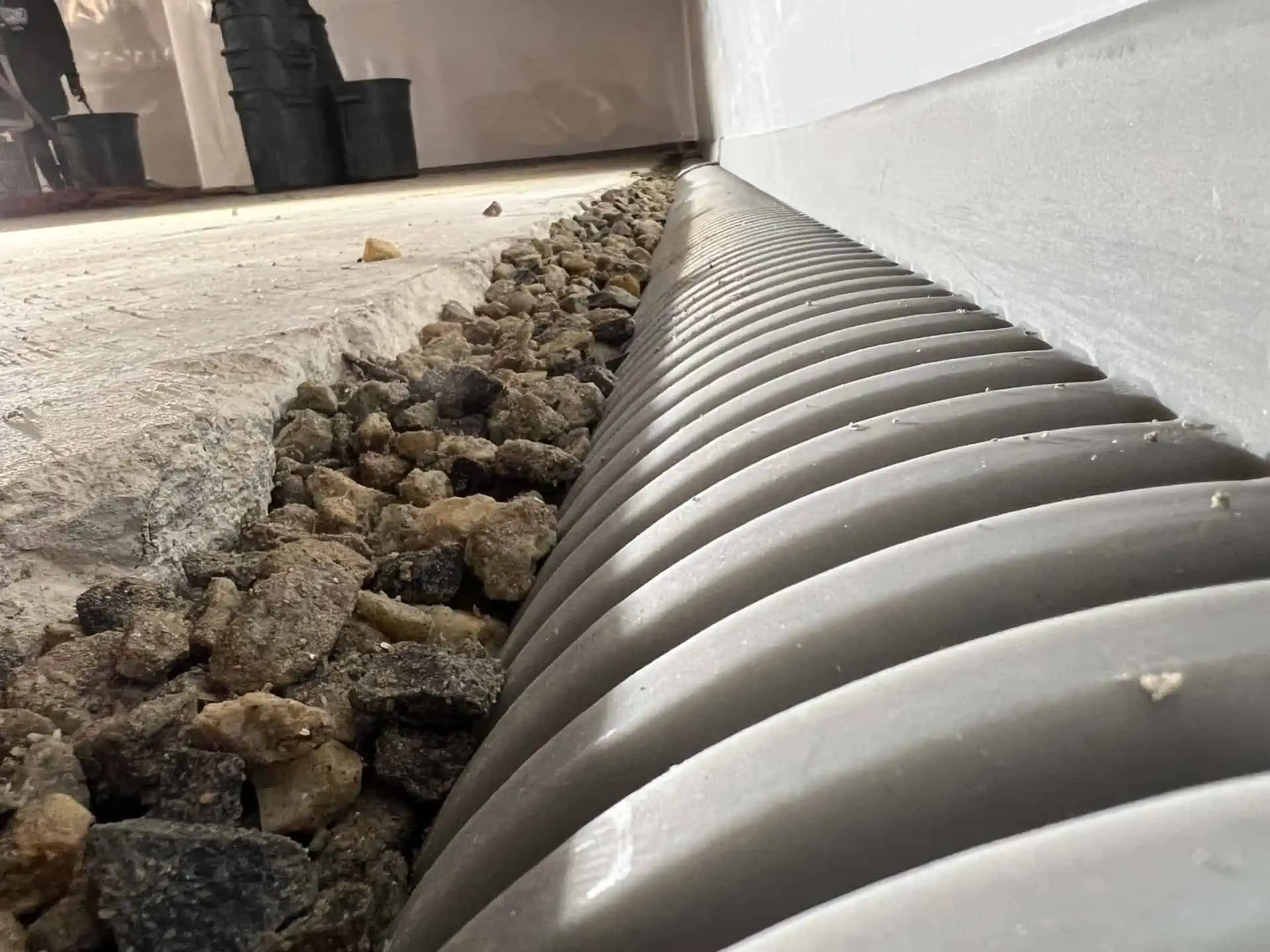
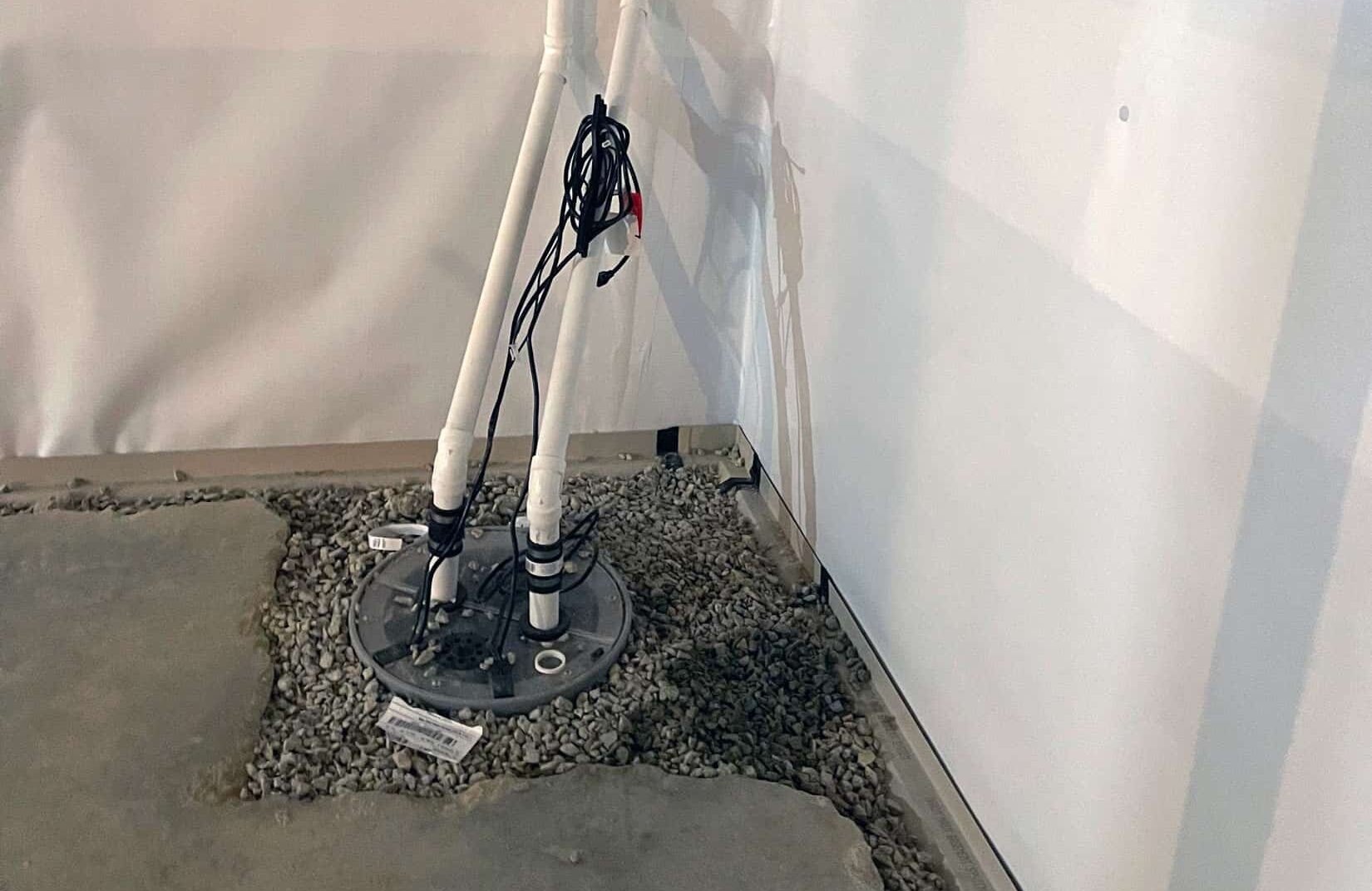
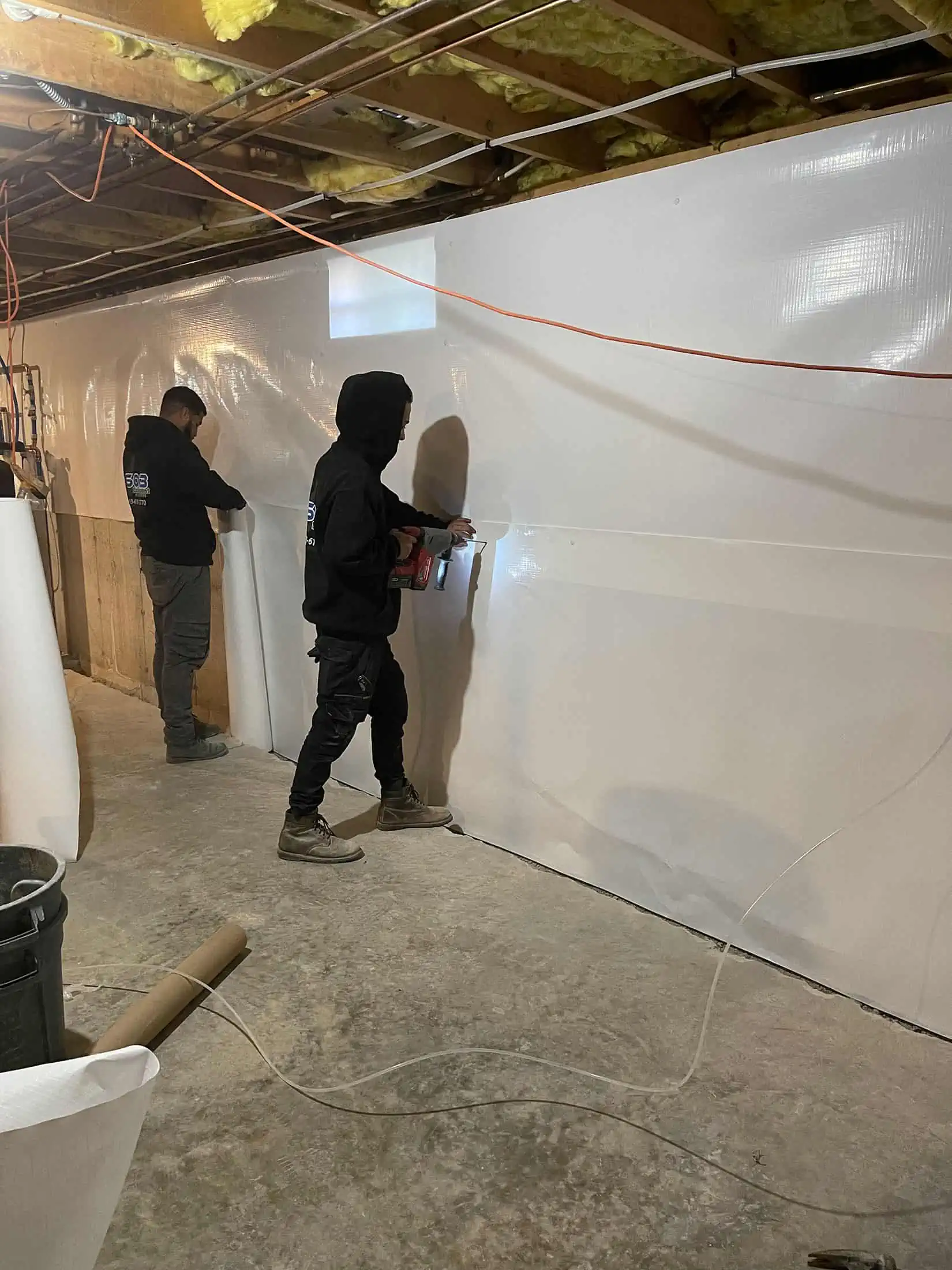
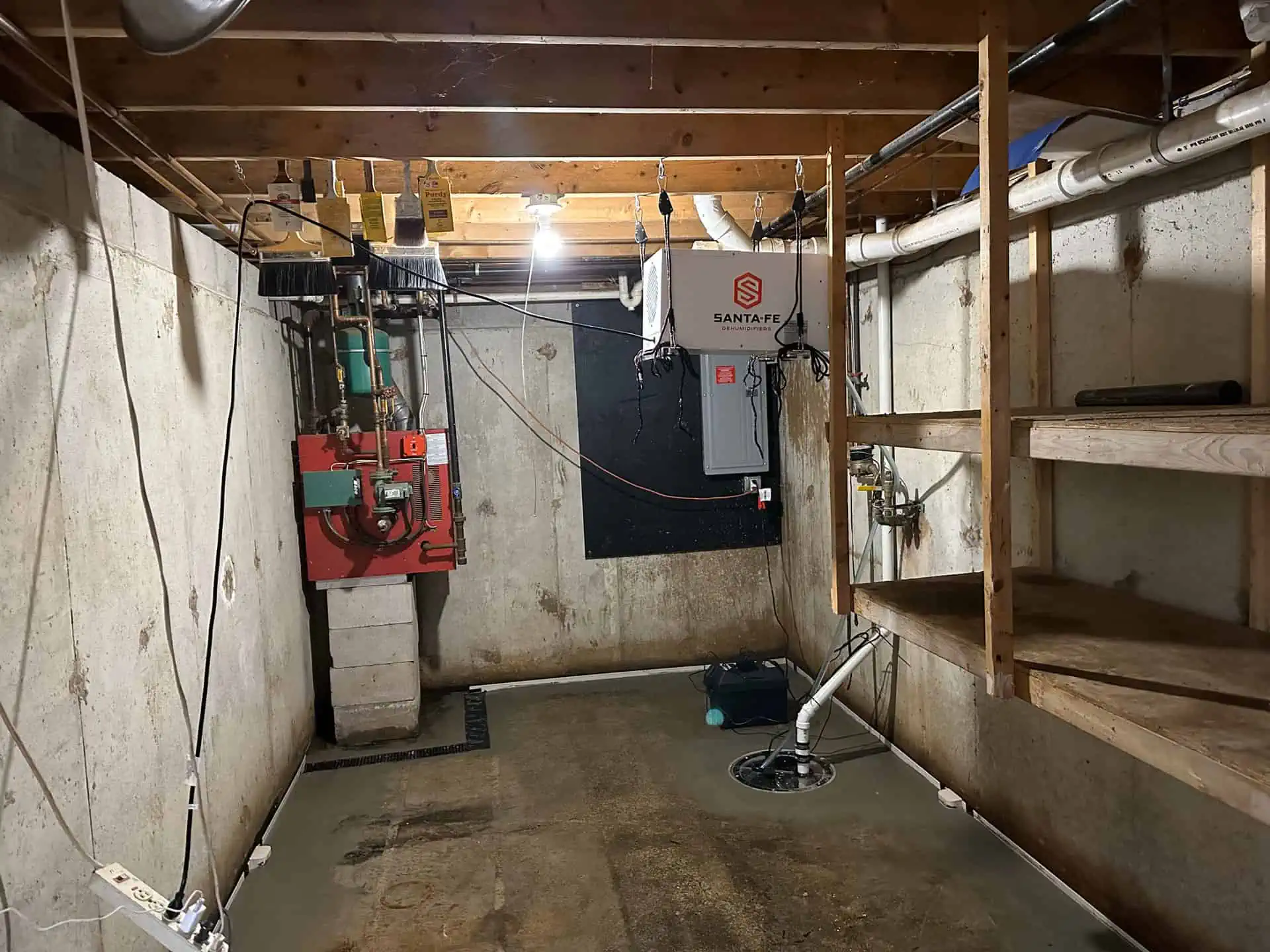
Interior basement waterproofing focuses on keeping water out from the inside. This method includes installing interior drainage systems, sump pumps, and vapor barriers. These solutions help manage water that has already penetrated your basement, guiding it away from your home.
Benefits of interior basement waterproofing include:
- Effective water management.
- Protection against mold and mildew.
- Cost-effective solutions for existing water issues.
Exterior Basement Waterproofing
Exterior waterproofing involves protecting your basement from outside elements. This method includes excavation around the foundation, applying a waterproof coating, and installing exterior drainage systems. It creates a barrier that prevents water from entering your home.
Benefits of exterior basement waterproofing include:
- Long-lasting protection.
- Prevents water from penetrating the foundation.
- Ideal for homes with severe water issues.
Crawl Space Encapsulation
Crawl space encapsulation involves sealing the crawl space with a vapor barrier to keep moisture out. This service is essential for preventing mold, mildew, and structural damage. Encapsulation also improves indoor air quality and reduces energy costs.
Advantages of crawl space encapsulation:
- Protects against moisture and pests.
- Enhances home comfort and air quality.
- Increases the lifespan of your home’s foundation.
Basement Dehumidification
Dehumidification is an essential part of maintaining a dry basement. Installing a dehumidifier helps reduce humidity levels, preventing mold growth and protecting your belongings. At 603 Basement Solutions, we offer high-quality dehumidification systems tailored to your basement’s needs.
Benefits of basement dehumidification:
- Controls humidity levels.
- Prevents mold and mildew.
- Protects furniture and stored items from moisture damage.
Understanding the Waterproofing Process
The waterproofing process at 603 Basement Solutions is thorough and tailored to each client’s needs. Here’s how we ensure your basement stays dry and safe:
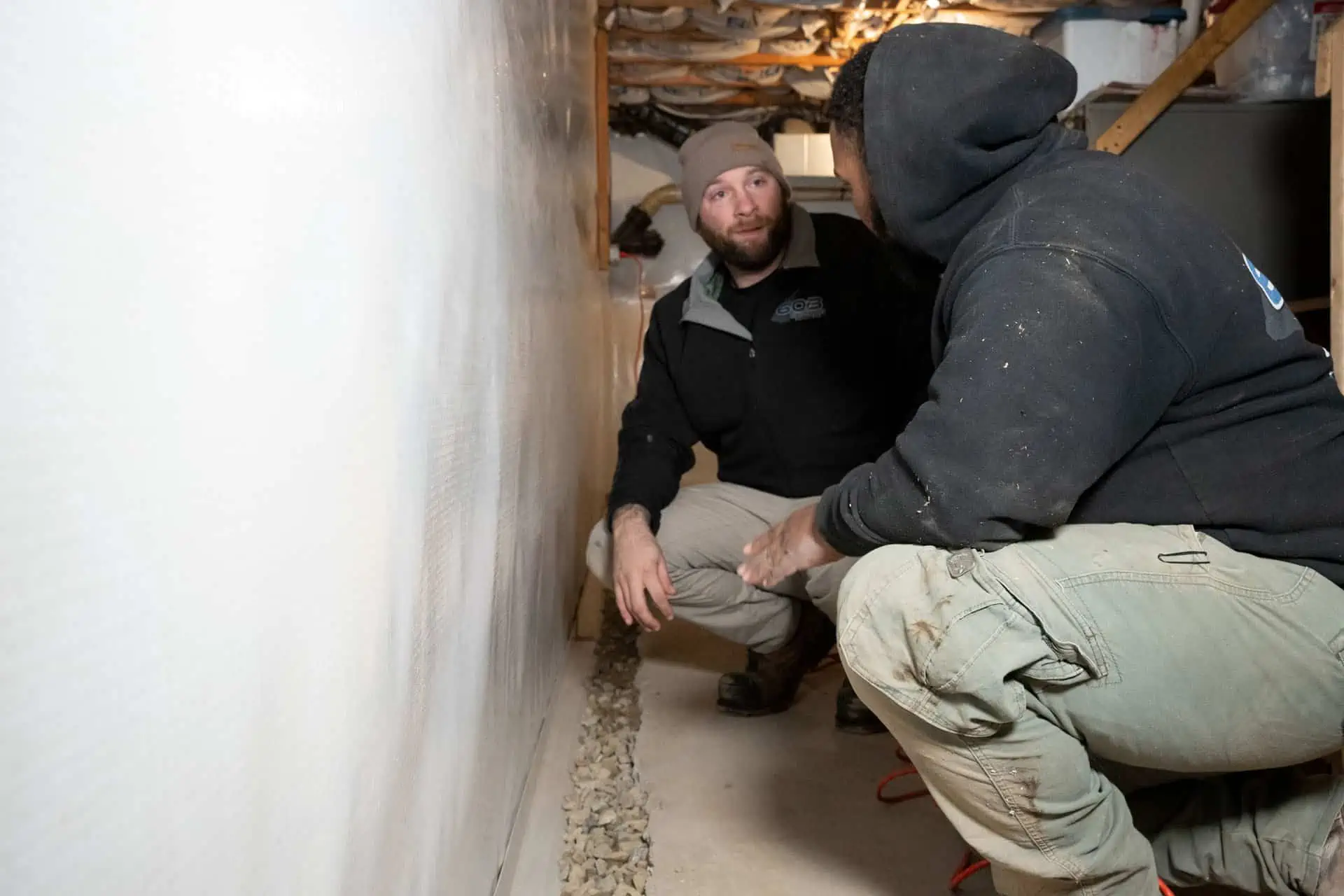
- Free Inspection and Consultation: We start with a comprehensive inspection to identify problem areas and assess your basement’s condition.
- Customized Solution Design: Based on the inspection, we create a tailored waterproofing plan to address your specific needs.
- Professional Installation: Our skilled technicians install the necessary waterproofing systems with precision and care.
- Follow-up and Maintenance: We provide follow-up services to ensure your waterproofing system remains effective and efficient.
The Importance of Professional Basement Waterproofing
While some homeowners may consider DIY solutions, professional waterproofing offers long-term benefits that are hard to match. 603 Basement Solutions provides expertise, experience, and the latest technology to ensure your basement stays dry.
Professional waterproofing protects against water damage, saves you money on repairs, and enhances your home’s value. It also ensures a healthier living environment by preventing mold and mildew growth.
Advantages of professional waterproofing include:
- Durable and reliable solutions.
- Expert installation and maintenance.
- Peace of mind knowing your home is protected.
Local Expertise in Wells, ME
603 Basement Solutions has extensive experience working with homeowners in Wells, ME. Our team understands the unique challenges posed by the local climate and geography, which allows us to provide tailored solutions that work.
Understanding Wells, ME’s Unique Challenges
Wells, ME, has a diverse landscape that includes coastal areas, wetlands, and rocky terrain. These features, combined with variable weather conditions, create unique challenges for basement waterproofing. Our local expertise ensures that we use the most effective methods to address these issues.
Supporting the Wells Community
We are proud to be a part of the Wells community and are committed to providing top-notch services to our neighbors. Our team is involved in local events and initiatives, supporting the community in various ways.
Common Signs You Need Basement Waterproofing
It’s essential to know when your basement might need waterproofing. Early detection of water issues can save you time, money, and stress. Here are some common signs that indicate you need basement waterproofing:
- Persistent dampness: If your basement floor or walls are constantly damp, it may be a sign of water infiltration.
- Water stains: Yellow or brown stains on walls and floors are indicators of water damage.
- Musty odors: A musty smell is often a sign of mold and mildew.
- Visible mold: Any visible mold growth requires immediate attention.
- Cracks in walls or floors: Cracks can allow water to seep into your basement.
- Rusty metal fixtures: Excess moisture can cause rust on metal objects.
How To Maintain a Waterproofed Basement
Maintaining a waterproofed basement involves regular inspections, prompt repairs, and ongoing maintenance. At 603 Basement Solutions, we provide comprehensive maintenance services to ensure your basement stays dry.
Seasonal Maintenance Tips
Seasonal maintenance is crucial for keeping your basement waterproofing in good condition. In Wells, ME, where seasons can vary greatly, it’s essential to prepare your basement for each season:
- Spring: Check for any new cracks or leaks that may have developed over the winter.
- Summer: Ensure your dehumidifier is working correctly to control humidity levels.
- Fall: Clean out gutters and downspouts to prevent water buildup near your foundation.
- Winter: Ensure any exterior waterproofing measures are still effective against snow and ice.
The Role of Regular Inspections
Regular inspections help detect potential issues early before they become major problems. We recommend having your basement waterproofing system inspected at least once a year.
Contact Us
Protecting your home from water damage is essential for maintaining its value and ensuring a healthy living environment. At 603 Basement Solutions, we offer expert basement waterproofing services tailored to the needs of Wells, ME residents.
Don’t wait for water damage to affect your home. Reach out to 603 Basement Solutions today to learn more about our services and how we can help keep your basement dry and safe.