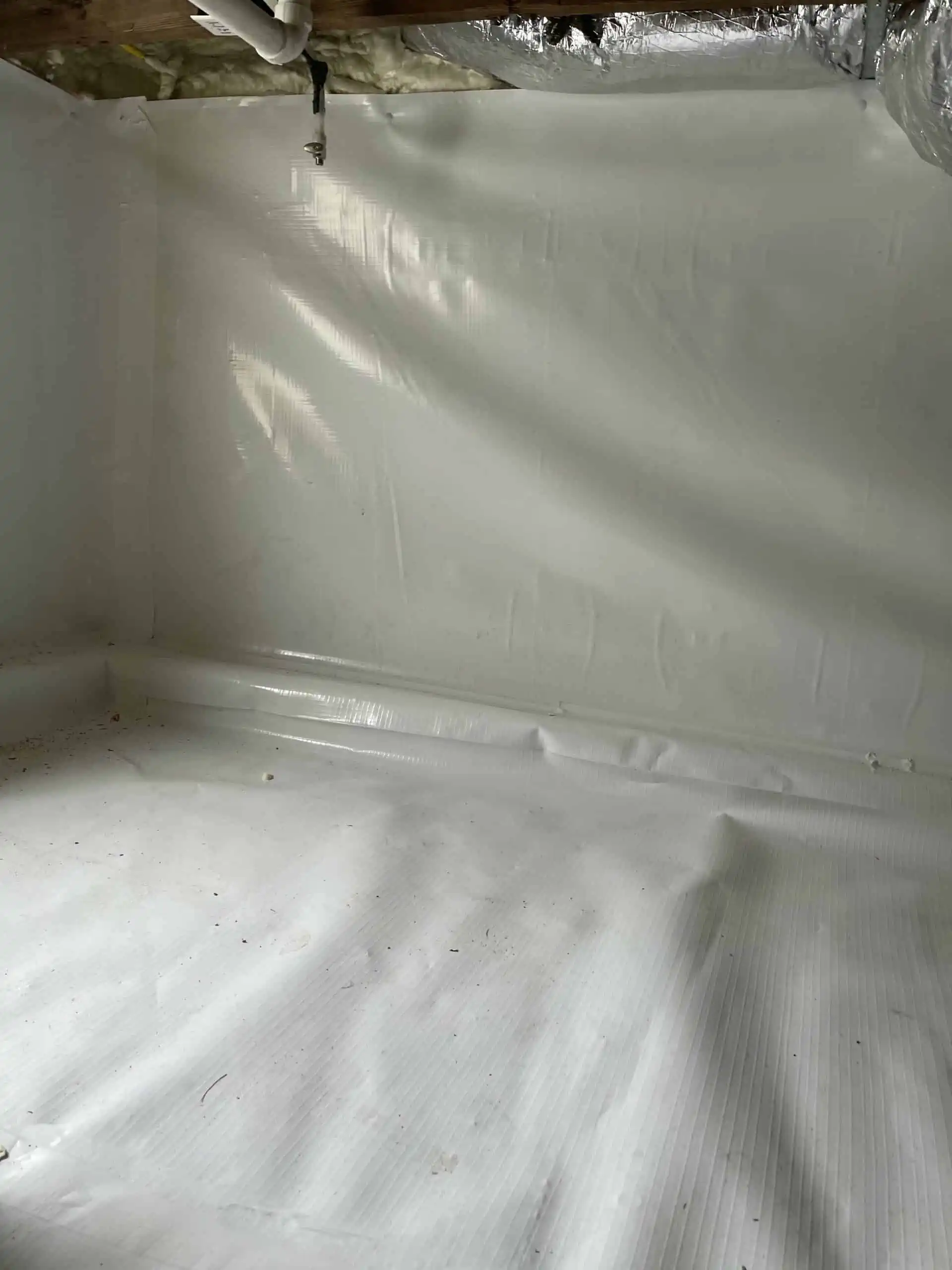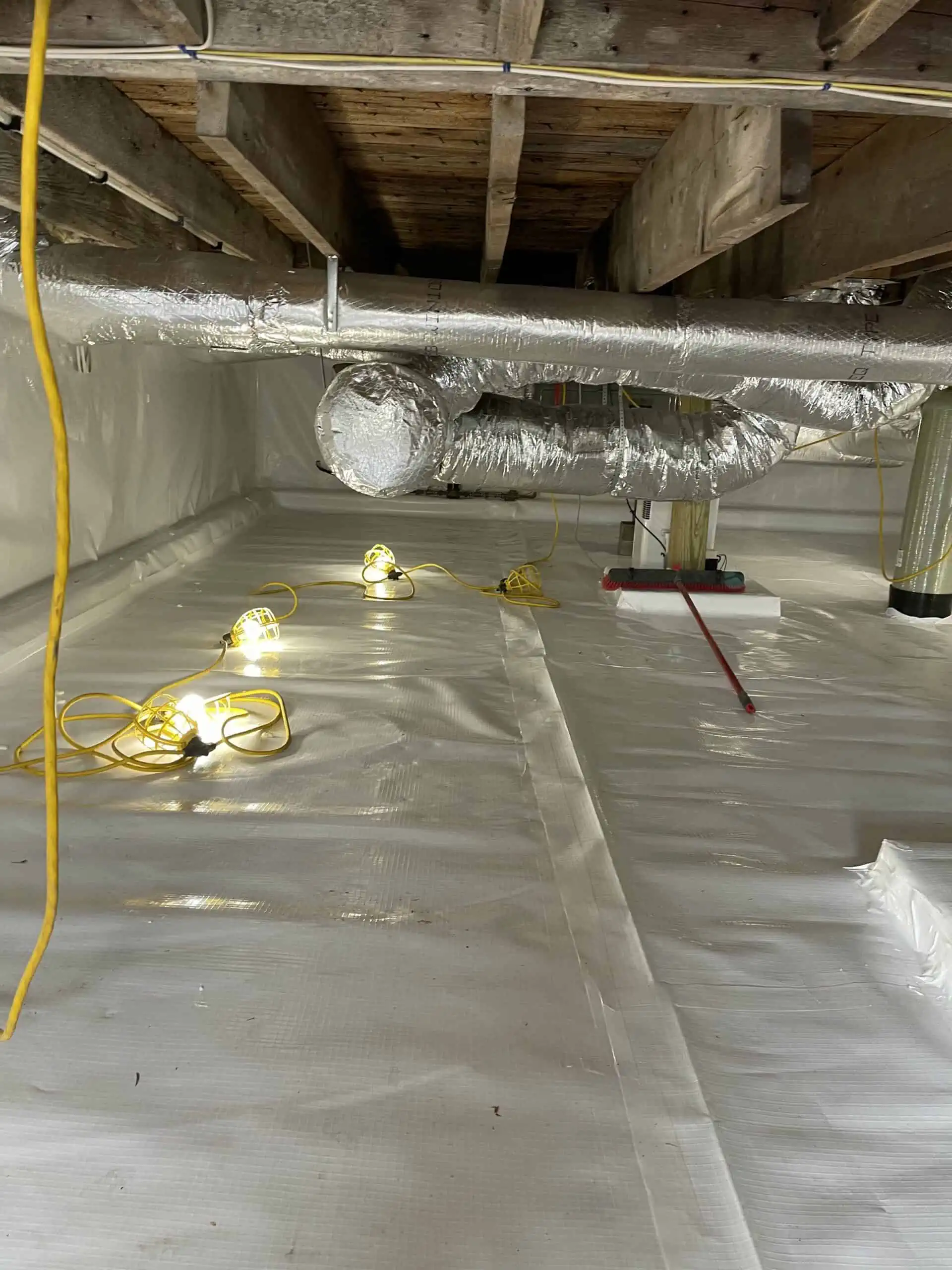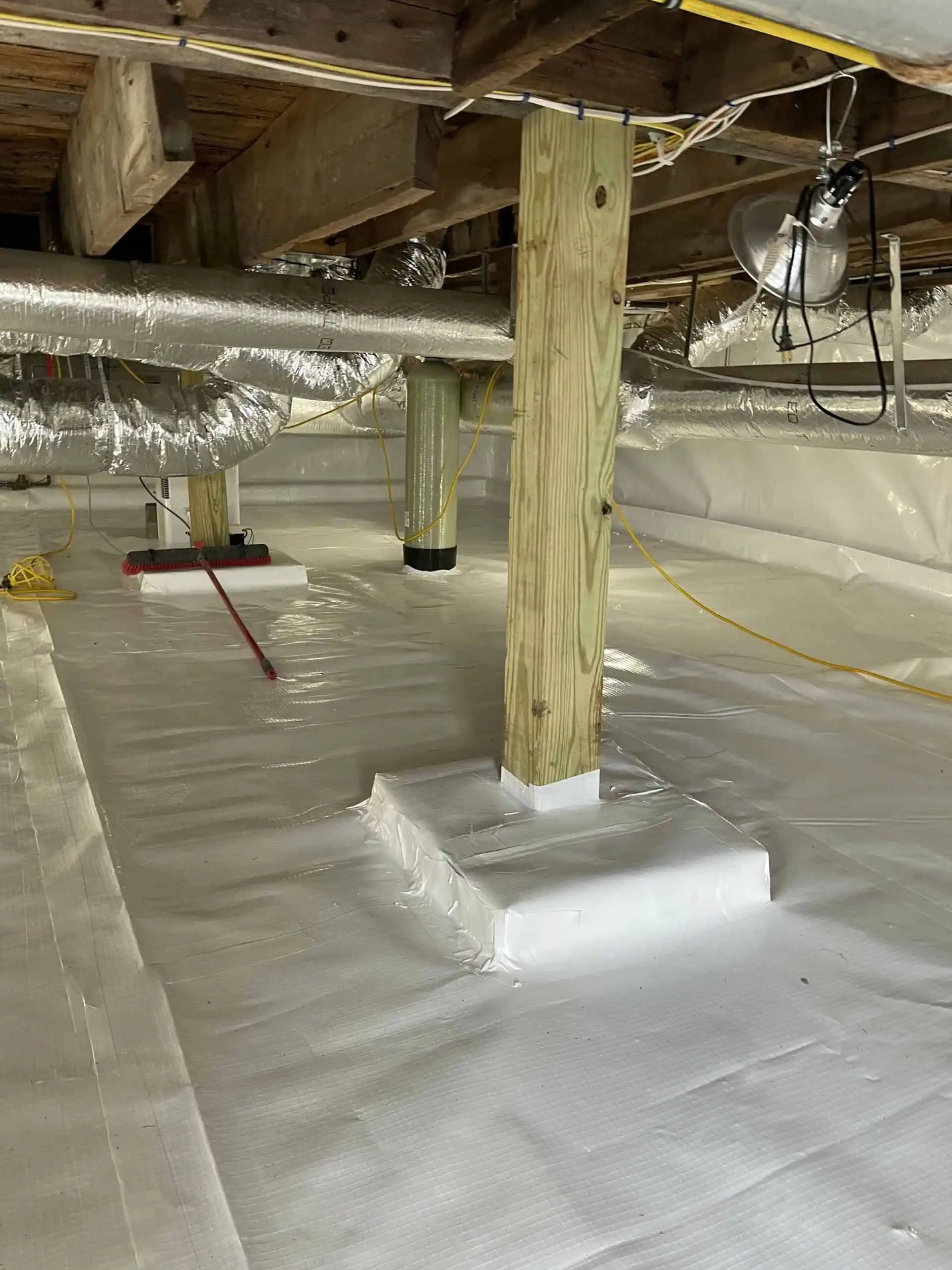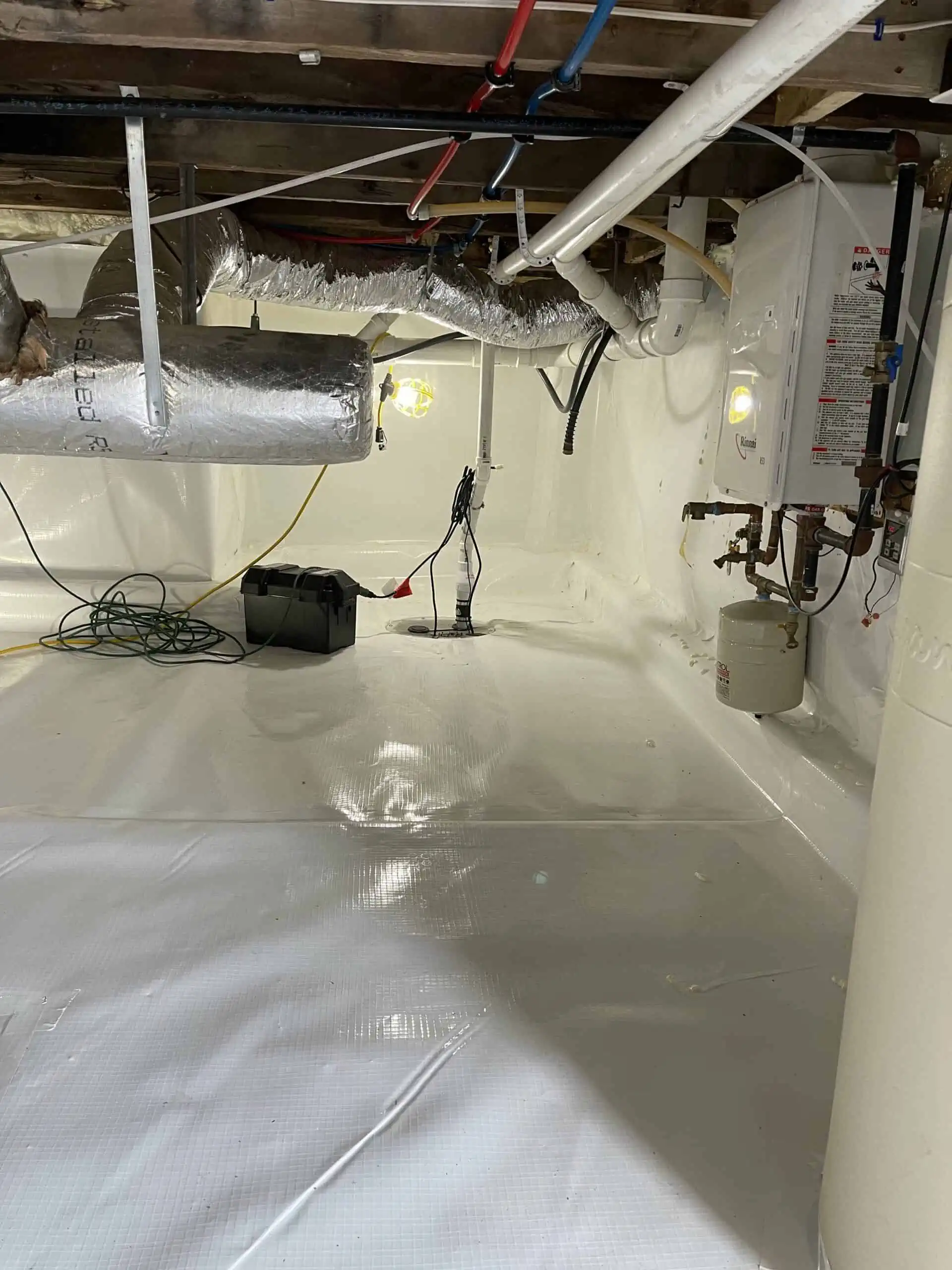




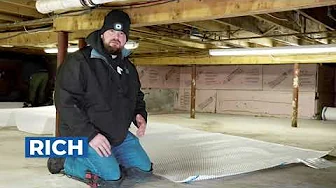
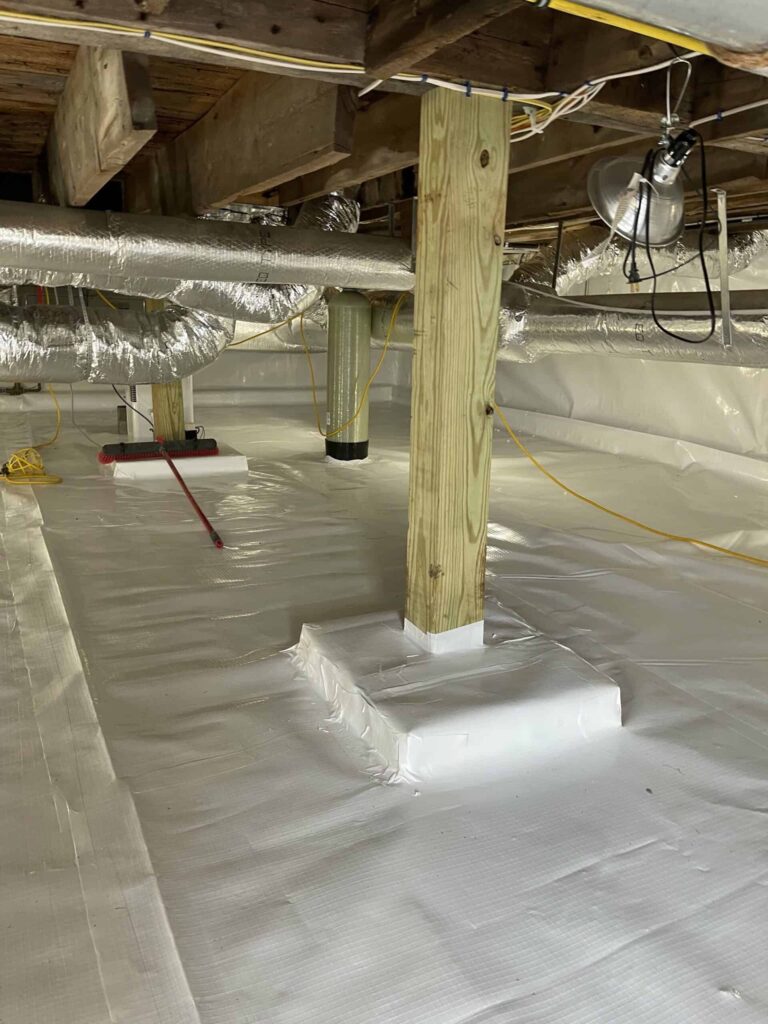
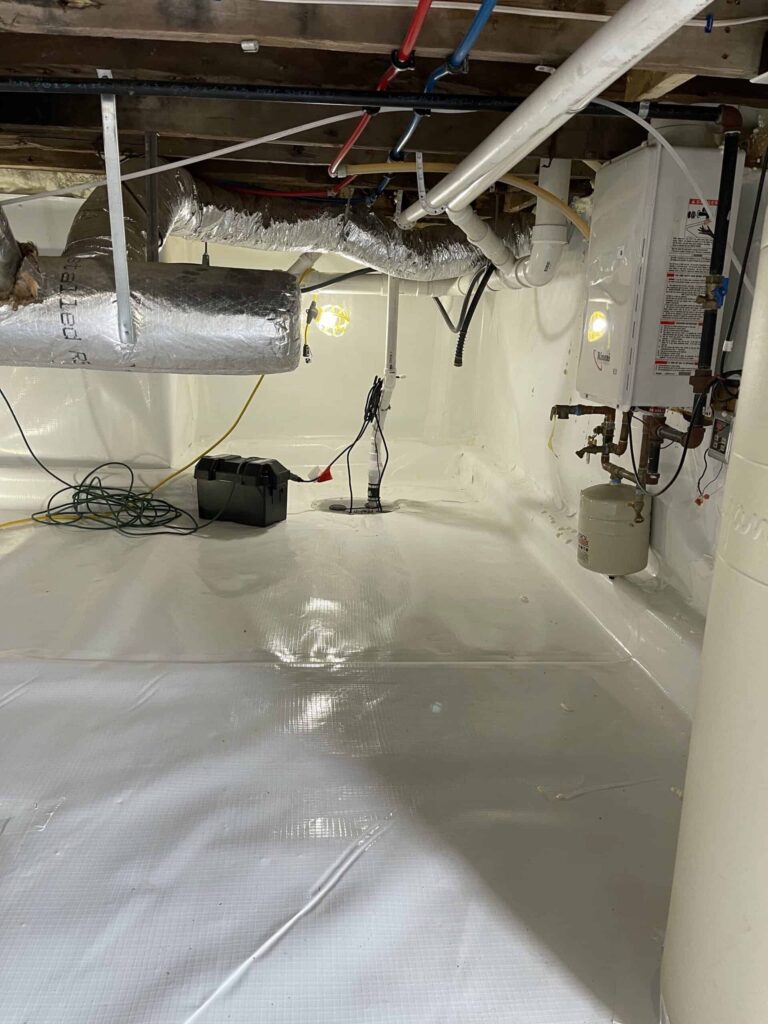
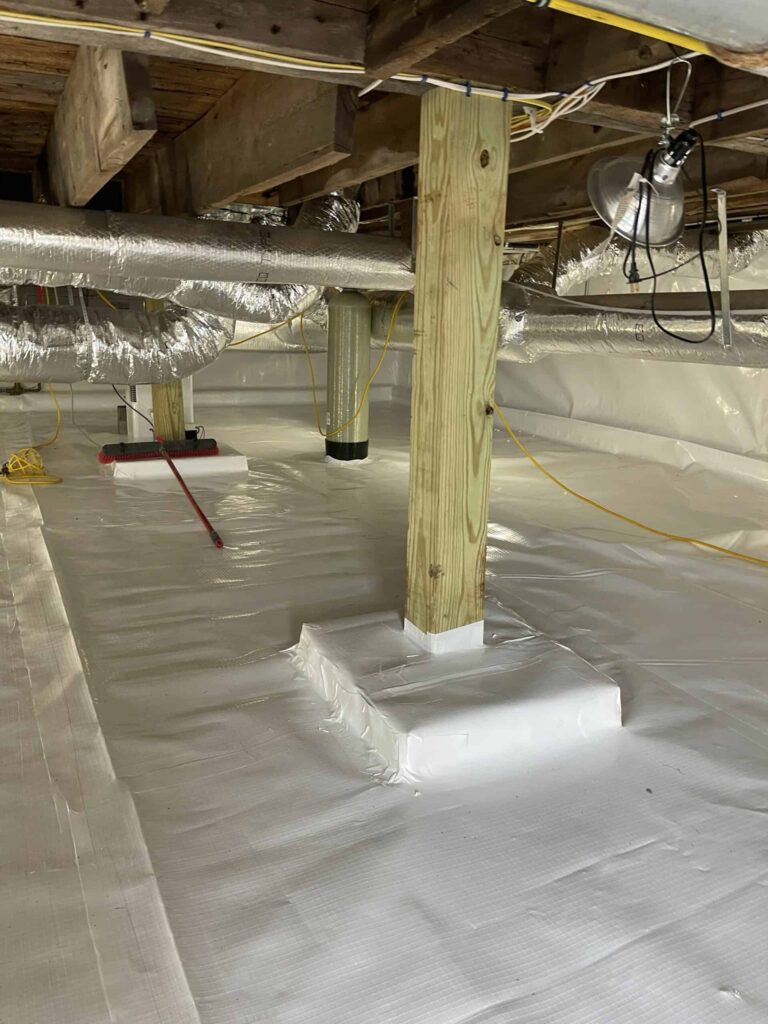
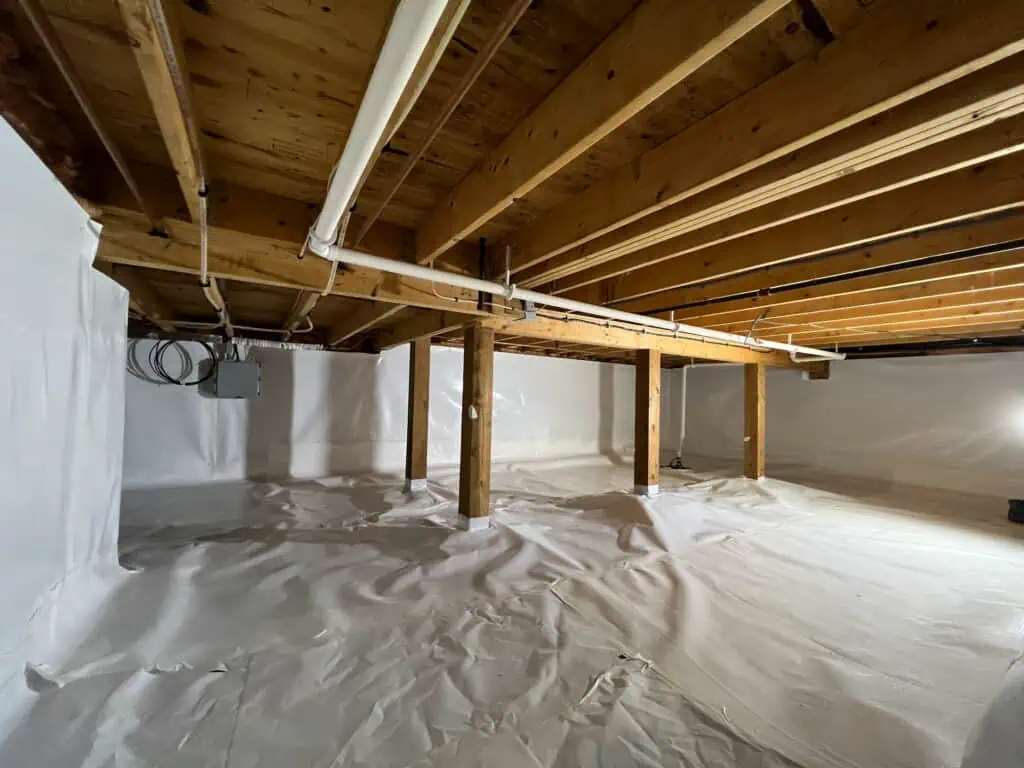
A Kittery owner may see damp soil after an ordinary rain or water entering during a larger event. Those are not interchangeable. Check the map for address-level flood context, but use observed entry points to design crawl-space work.
See Kittery's FEMA map information for local context, then inspect this address. A persistently damp earth floor can justify vapor control if bulk water has been dealt with. Repeated standing water needs a drainage and discharge plan. A leaning wall or damaged beam belongs in a structural scope, not beneath a new barrier.
603 customer feedback, not presented as a Kittery project. Read the original Google review.
603 basement solutions was a great company to work with. They provided me with multiple different options to keep water out of my crawl space and optimize my discharge area in the back yard. Other companies came in trying to sell me $25,000+ worth of services, whereas Corey from 603 walked me through multiple options starting with a minimum viable option for what I was trying to accomplish, rather than saying I need to spend $25,000 for the full suite of services etc. Angel and his crew on install day were extremely respectful and professional walking me through everything and agreeing on the plan before they started. Angel kept me updated throughout the day and was a pleasure to work with. Would recommend 603 basement solutions to anyone who is in need of basement / crawlspace services!
No. A flood map is address-level risk information, not evidence of water at a particular foundation. A sump decision depends on observed bulk-water entry and a safe discharge route.
No. A moving wall needs structural assessment. Moisture control can be considered after the load-bearing problem is understood.
The first wet point, roof runoff, plumbing, exposed ground, existing drainage, humidity, and wood condition. The written plan should separate source correction, vapor control, and any structural or flood-risk work.