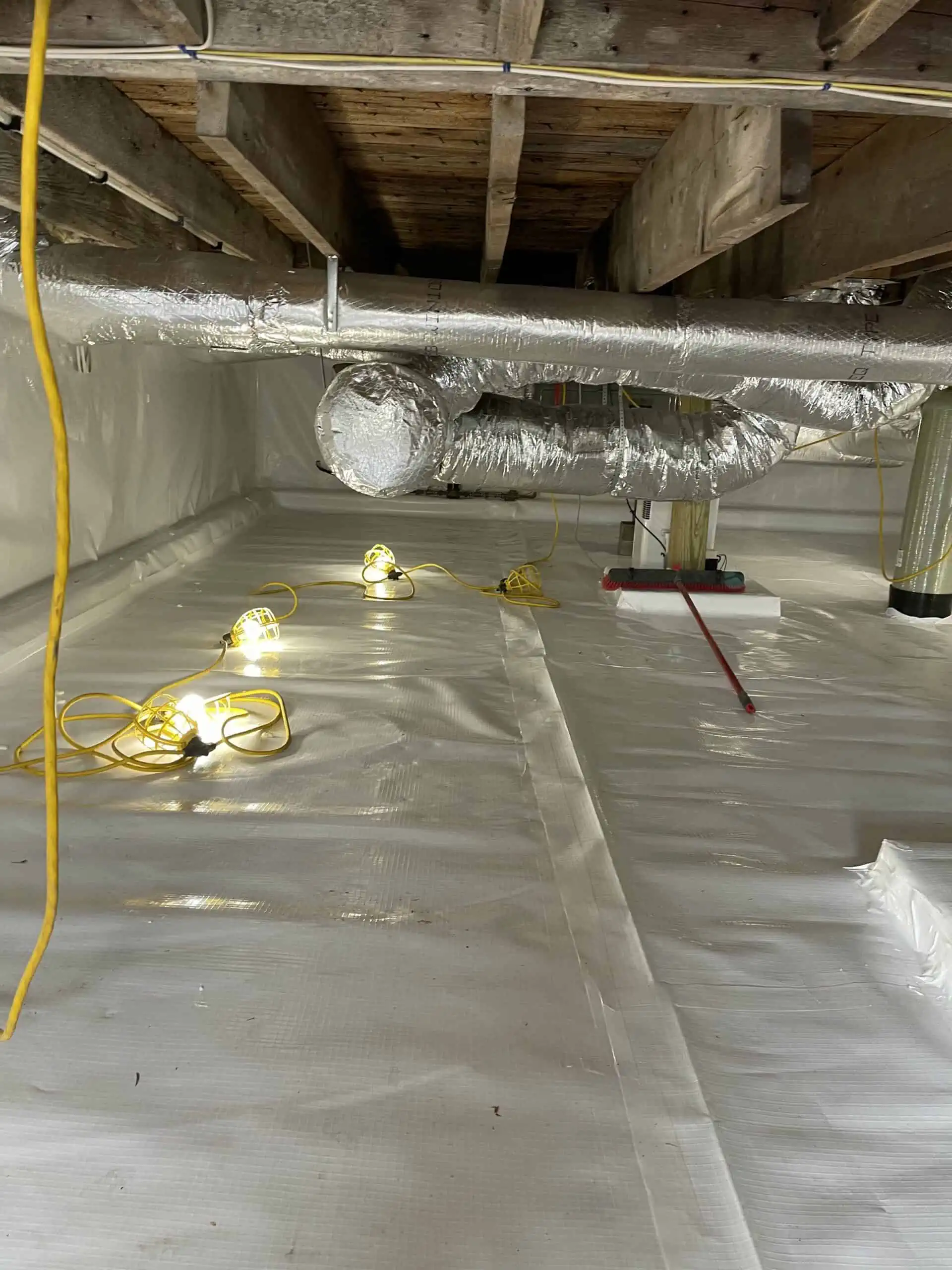
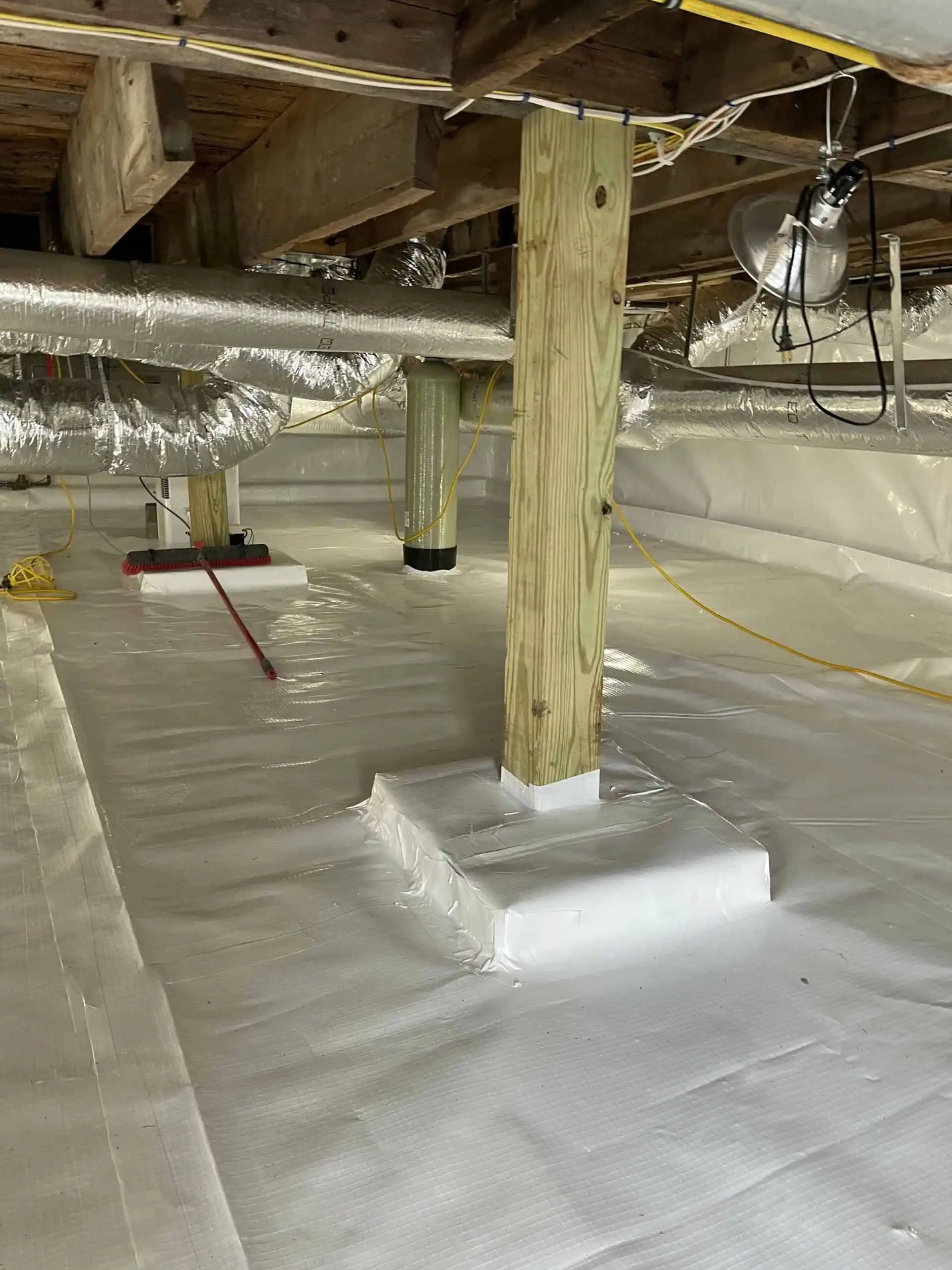
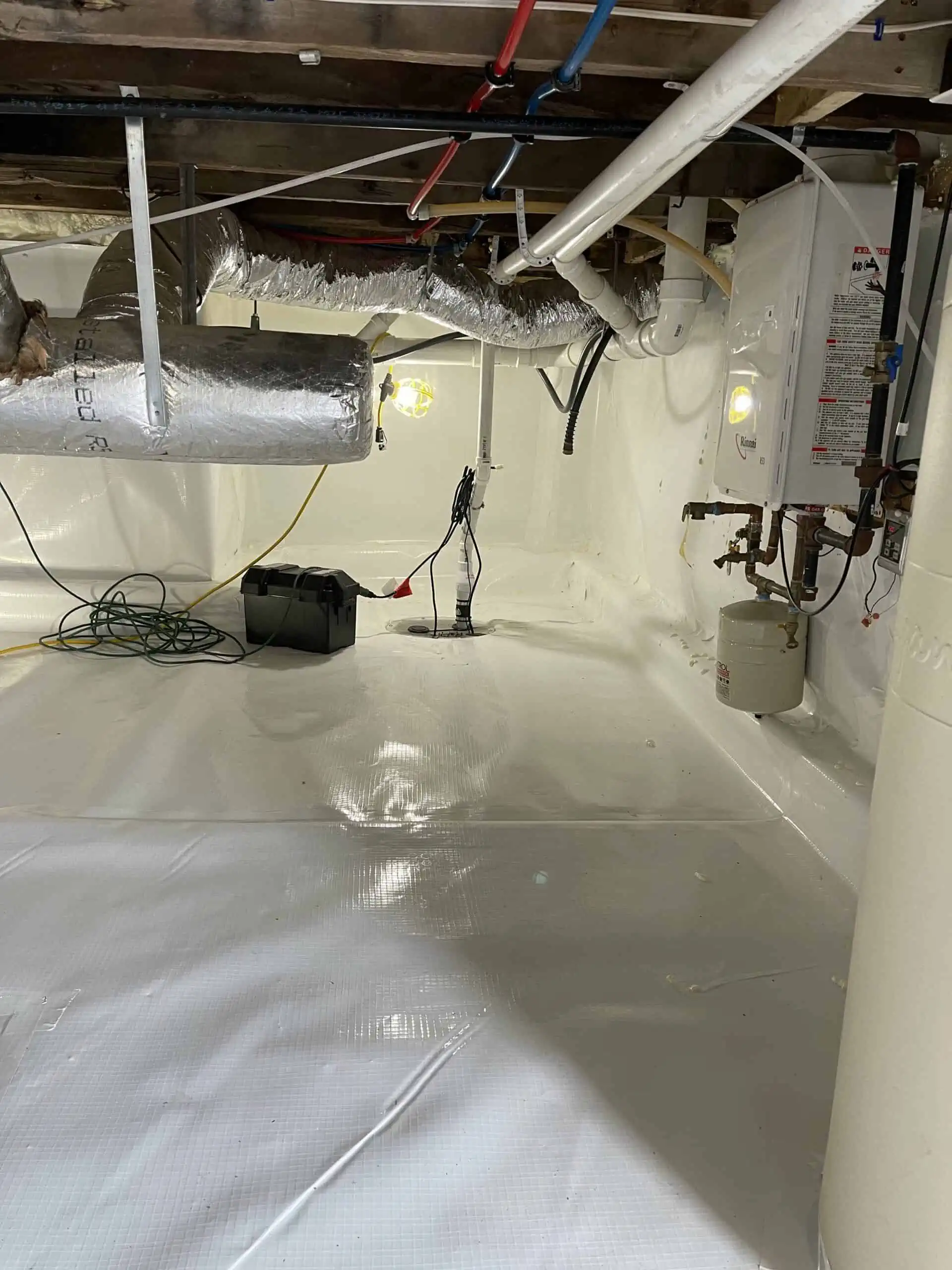
Crawl space encapsulation is essential for homeowners in Lexington, MA, who want to protect their homes from moisture, mold, and other harmful elements. Encapsulation involves sealing off the crawl space to create a dry, clean environment, which can enhance the overall health and safety of a home. At 603 Basement Solutions, we specialize in providing top-quality crawl space encapsulation services tailored to meet the unique needs of Lexington residents.
Why Choose Crawl Space Encapsulation?
Crawl spaces are often neglected areas of the home, but they play a crucial role in maintaining a healthy living environment. Without proper encapsulation, crawl spaces can become breeding grounds for mold, mildew, and pests. Encapsulation offers several benefits, including:
- Improved Air Quality: By preventing moisture and mold growth, encapsulation helps improve indoor air quality, reducing allergens and respiratory issues.
- Enhanced Energy Efficiency: Sealing the crawl space reduces drafts and helps maintain a consistent temperature, which can lower heating and cooling costs.
- Structural Integrity: Encapsulation protects the foundation from moisture damage, helping to prevent structural issues over time.
Our Crawl Space Encapsulation Process
At 603 Basement Solutions, we follow a meticulous process to ensure that each crawl space is properly encapsulated. Our process includes:
Inspection and Assessment
Before starting any encapsulation project, we conduct a thorough inspection of the crawl space. This step allows us to identify any existing issues, such as mold, pests, or water damage. We then develop a customized plan to address these problems and prepare the space for encapsulation.
Sealing and Insulating
The next step involves sealing off all entry points to prevent moisture and pests from entering the crawl space. We use high-quality insulation materials to line the walls and floors, creating a barrier that keeps out moisture and helps regulate temperature.
Moisture Barrier Installation
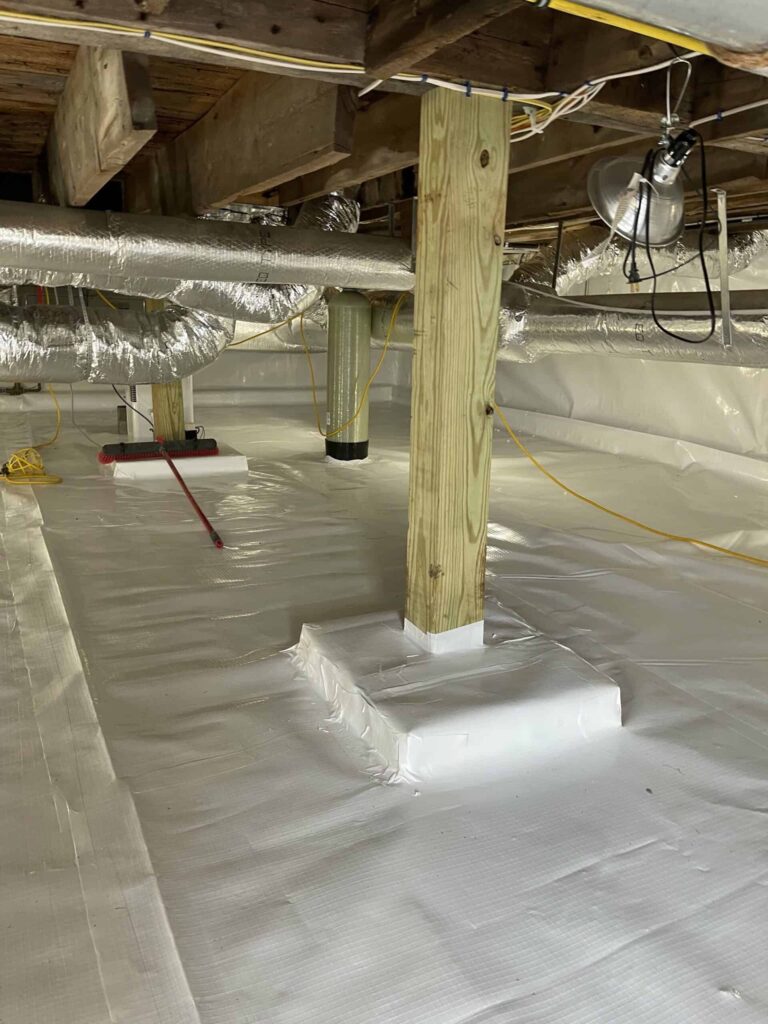
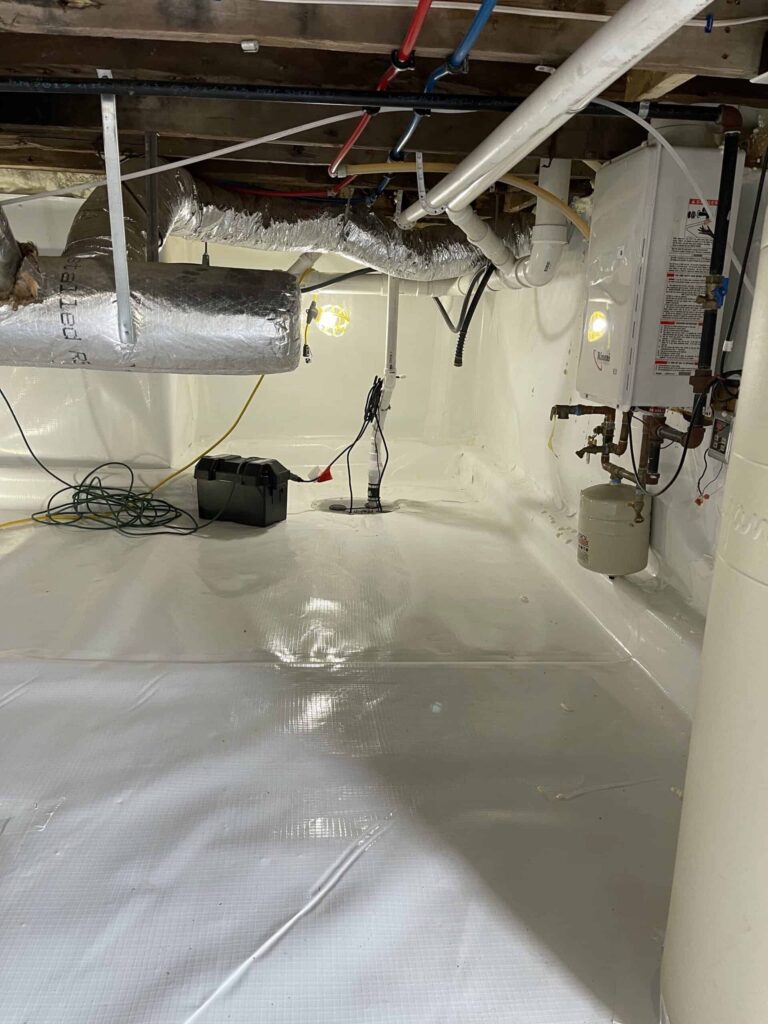
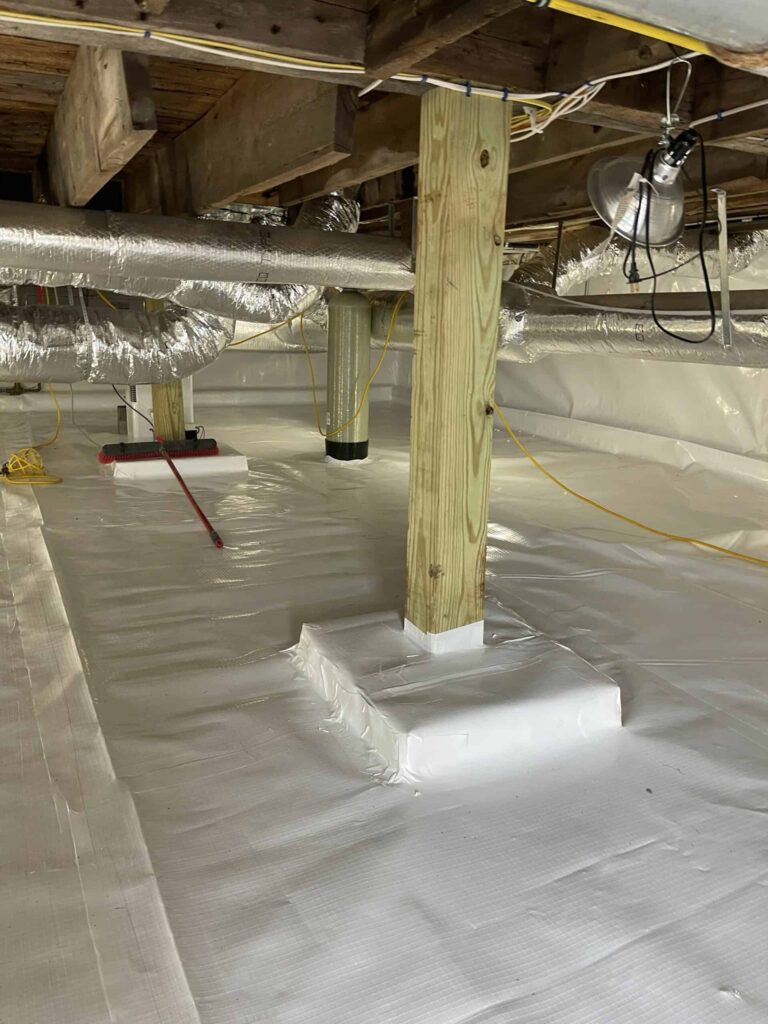
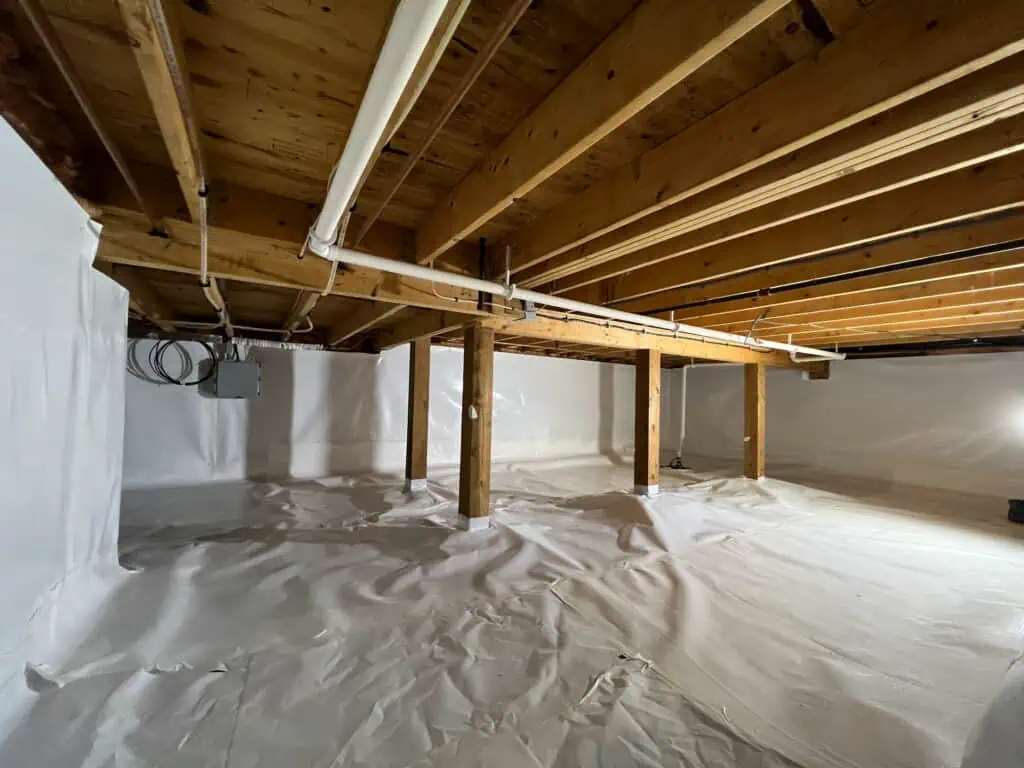
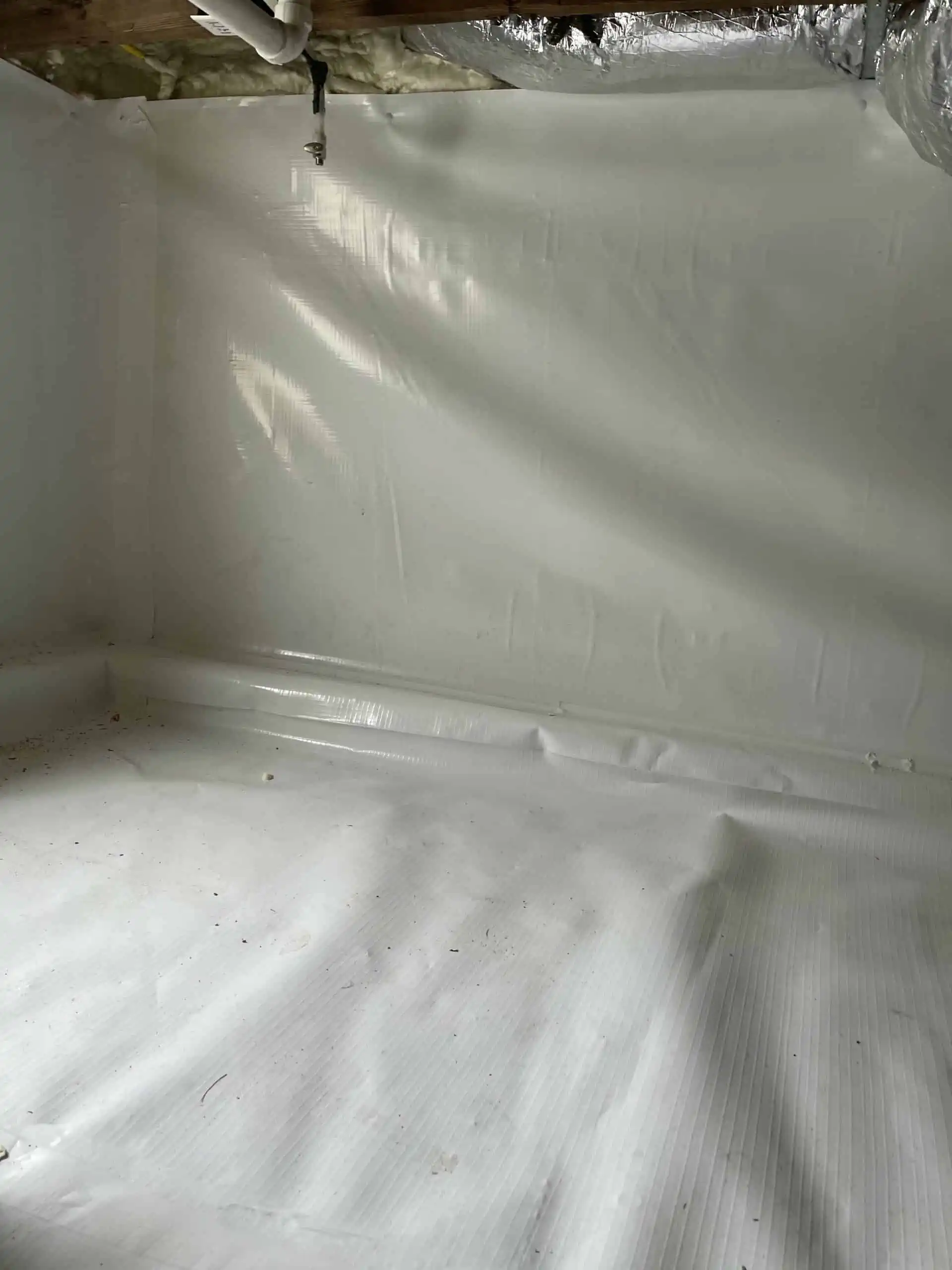
A key component of crawl space encapsulation is the installation of a moisture barrier. This barrier, typically made from a thick plastic sheet, is laid across the ground and up the walls to prevent moisture from seeping into the crawl space. This step is crucial for preventing mold growth and maintaining a dry environment.
Dehumidification Solutions
Even after sealing and insulating, some crawl spaces may still be prone to humidity. To address this, we install dehumidifiers that work to maintain optimal humidity levels, ensuring that the crawl space remains dry and mold-free.
Benefits of Crawl Space Encapsulation in Lexington, MA
Encapsulating your crawl space offers several advantages, particularly for homes in Lexington, MA. These benefits include:
- Health Benefits: By reducing the risk of mold and mildew, encapsulation helps to create a healthier living environment. This is especially beneficial for those with allergies or respiratory conditions.
- Financial Benefits: Encapsulation can help reduce energy costs by improving the efficiency of your heating and cooling systems. Additionally, it can prevent costly repairs by protecting your home’s foundation from moisture damage.
- Environmental Benefits: Encapsulation contributes to a more sustainable home by reducing energy consumption and preventing environmental hazards like mold and pest infestations.
Why 603 Basement Solutions is the Best Choice
Choosing the right company for crawl space encapsulation is crucial to ensuring the job is done correctly. At 603 Basement Solutions, we stand out because of our:
Expertise and Experience
With over five years of experience in crawl space encapsulation, our team has the knowledge and skills to handle any challenge. We have successfully encapsulated numerous crawl spaces throughout Lexington, earning a reputation for quality and reliability.
Quality Materials and Equipment
We use only the highest quality materials and state-of-the-art equipment for our encapsulation projects. This commitment to quality ensures that our work is durable and long-lasting, providing peace of mind to our clients.
Customer-Centric Approach
Our focus is always on the customer. We work closely with homeowners to understand their needs and provide tailored solutions that fit their specific situation. Our goal is to exceed expectations and deliver a service that improves the comfort and safety of every home.
Local Expertise in Lexington, MA
Understanding the unique needs of Lexington homeowners is one of our strengths. The local climate and soil conditions can significantly impact the state of crawl spaces. Our team is well-versed in these factors and applies this knowledge to provide the most effective encapsulation solutions. Being a trusted local service provider, we are familiar with the common crawl space issues faced by homes in this area.
Common Crawl Space Problems in Lexington Homes
Homes in Lexington, MA, often face specific crawl space challenges due to the region’s climate and soil conditions. Common problems include:
Moisture and Humidity Issues
The humid climate in Massachusetts can lead to excess moisture in crawl spaces, promoting mold and mildew growth. High humidity levels create a damp environment, which is ideal for mold to thrive, potentially affecting the air quality throughout the home.
Pest Infestations
Unsealed crawl spaces can become entry points for pests like rodents and insects, leading to potential damage and health risks. These pests often seek shelter in damp areas, and a poorly sealed crawl space provides them with the perfect habitat.
Structural Concerns
Moisture can weaken the foundation, leading to cracks and other structural issues over time. Prolonged exposure to water can deteriorate building materials, making your home vulnerable to foundational shifts and structural failures.
Enhancing Home Comfort and Value With Encapsulation
Encapsulating your crawl space does more than just protect your home—it also enhances its overall comfort and value. By creating a dry, insulated environment, encapsulation helps regulate indoor temperatures, making your home more comfortable year-round. Additionally, it can increase the resale value of your home by demonstrating a commitment to maintaining the property.
Contact Us
If you’re ready to protect your home and improve its comfort, consider crawl space encapsulation with 603 Basement Solutions. Our team is ready to provide a thorough inspection and recommend the best solutions for your needs.
Encapsulation is a smart investment that offers long-term benefits, from improved air quality to lower energy costs. Get in touch with us today to learn more about our services and how we can help safeguard your home.