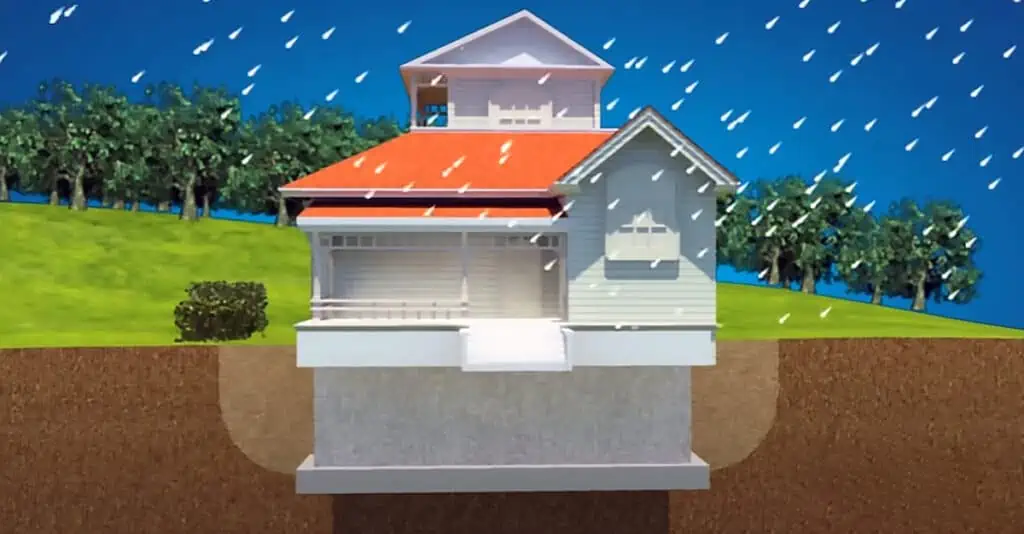
Water damage is a common concern for homeowners in South Duxbury, MA. The local climate and soil conditions can make basements vulnerable to moisture infiltration, which can lead to serious structural damage, mold growth, and health issues.
Effective basement waterproofing is essential for maintaining the safety, value, and comfort of your home. At 603 Basement Solutions, we specialize in providing comprehensive waterproofing services tailored to the unique needs of South Duxbury homes.
Understanding Basement Waterproofing Needs in South Duxbury, MA
South Duxbury’s climate, characterized by its humid summers and wet winters, can pose a significant challenge for basement waterproofing. The soil in this region is prone to retaining moisture, which can seep into basements through cracks in the foundation, windows, or walls.
Additionally, the high water table in many areas of South Duxbury increases the risk of water accumulation in basements. These factors make it crucial for homeowners to invest in effective waterproofing solutions that prevent water intrusion and protect the integrity of their homes.
Proper basement waterproofing can prevent problems such as:
- Structural damage to the foundation.
- Growth of mold and mildew.
- Damage to stored belongings.
- Health issues from poor indoor air quality.
Our Proven Waterproofing Solutions
At 603 Basement Solutions, we offer a range of interior and exterior waterproofing solutions to suit every homeowner’s needs. Our approach is thorough and customized, ensuring optimal results for each property.
Interior Waterproofing Solutions
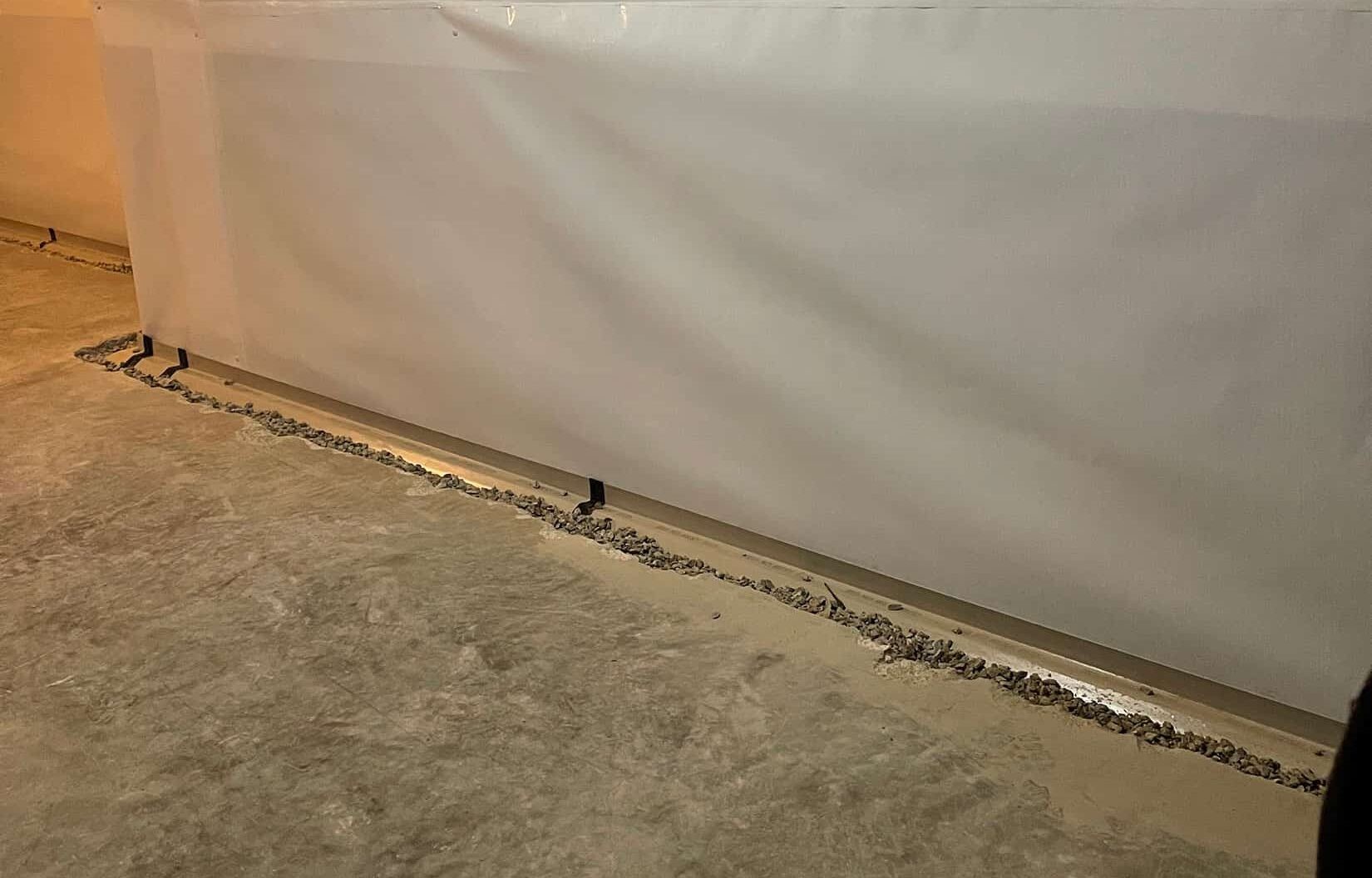
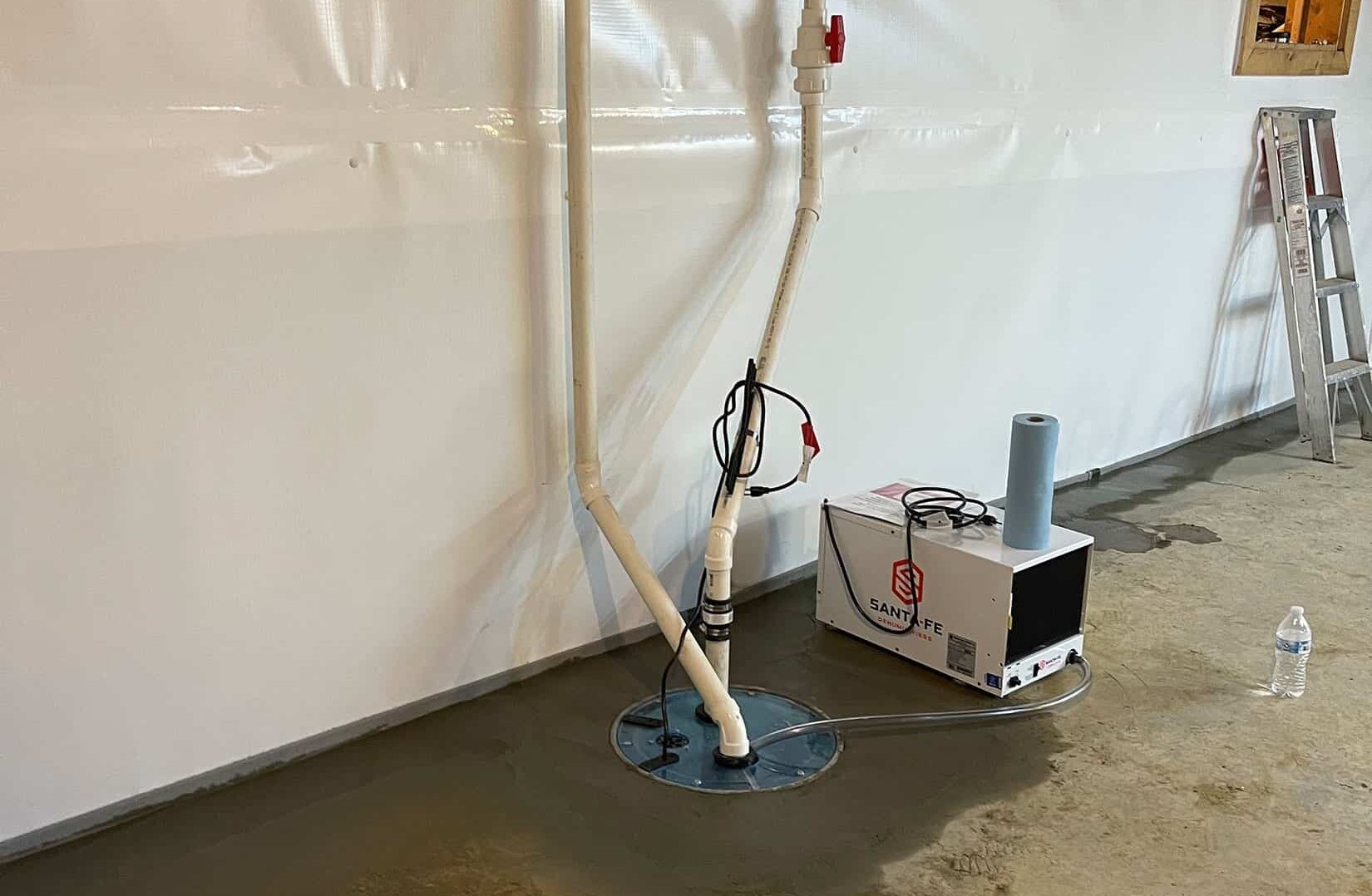
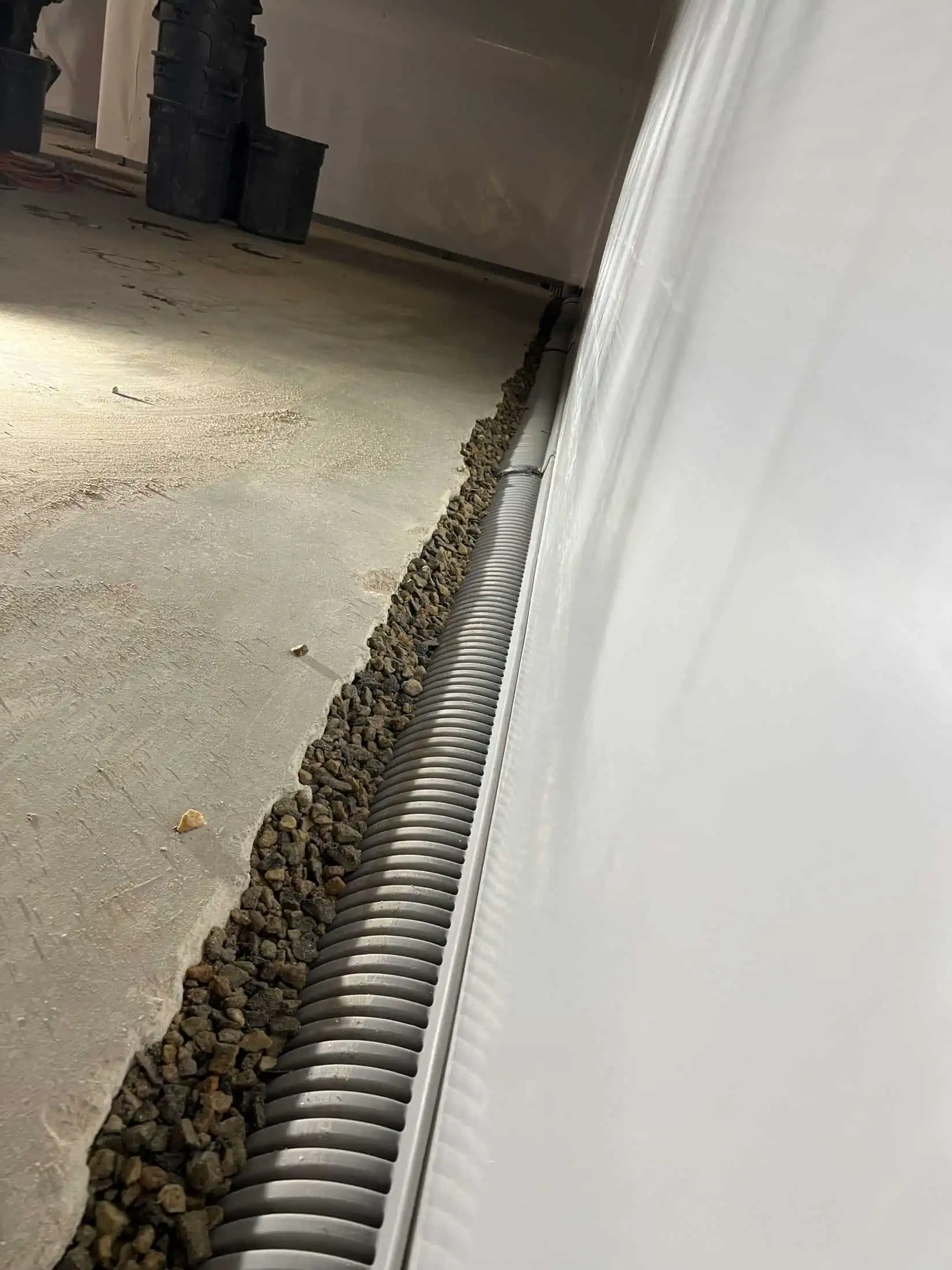
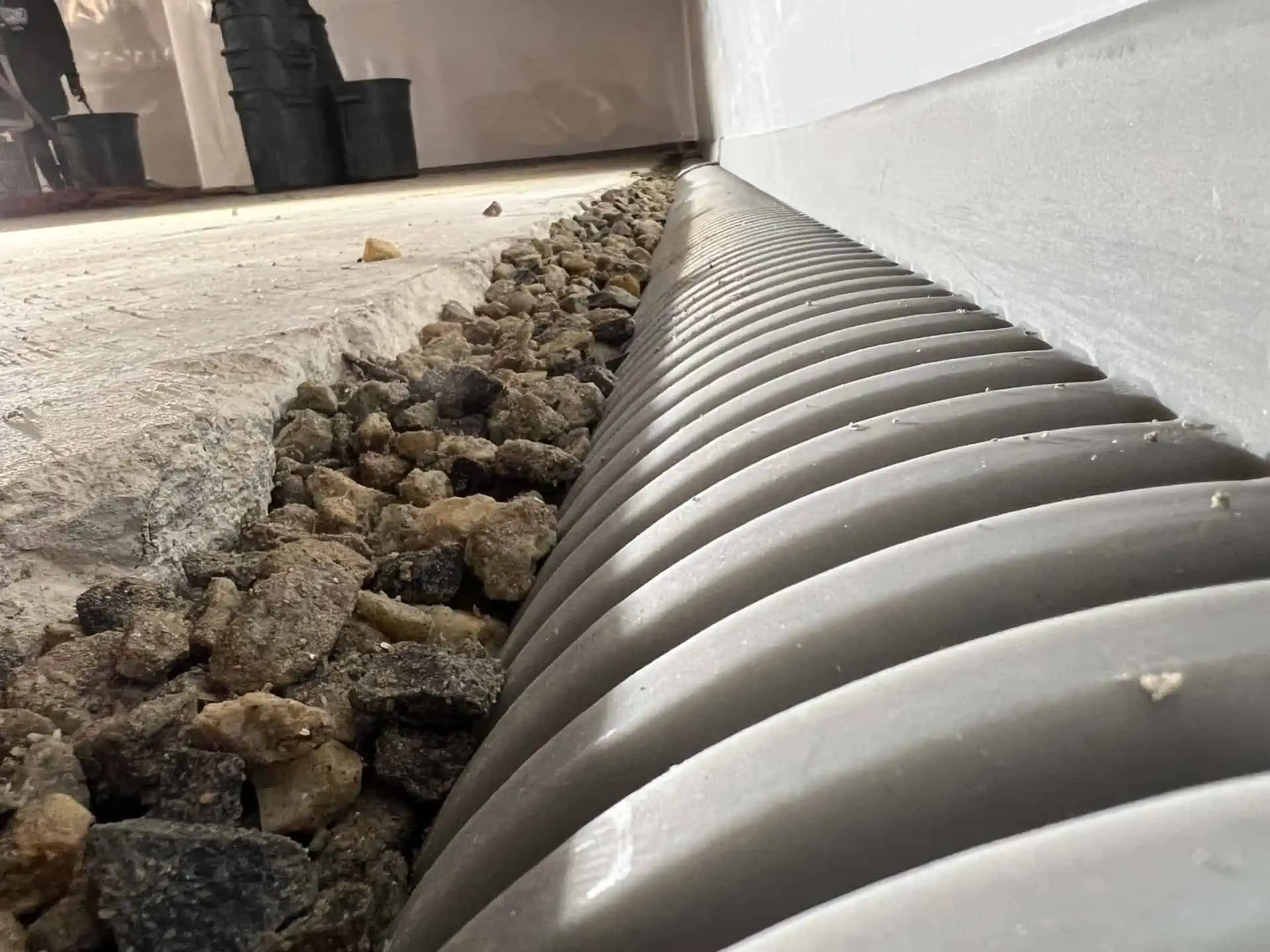
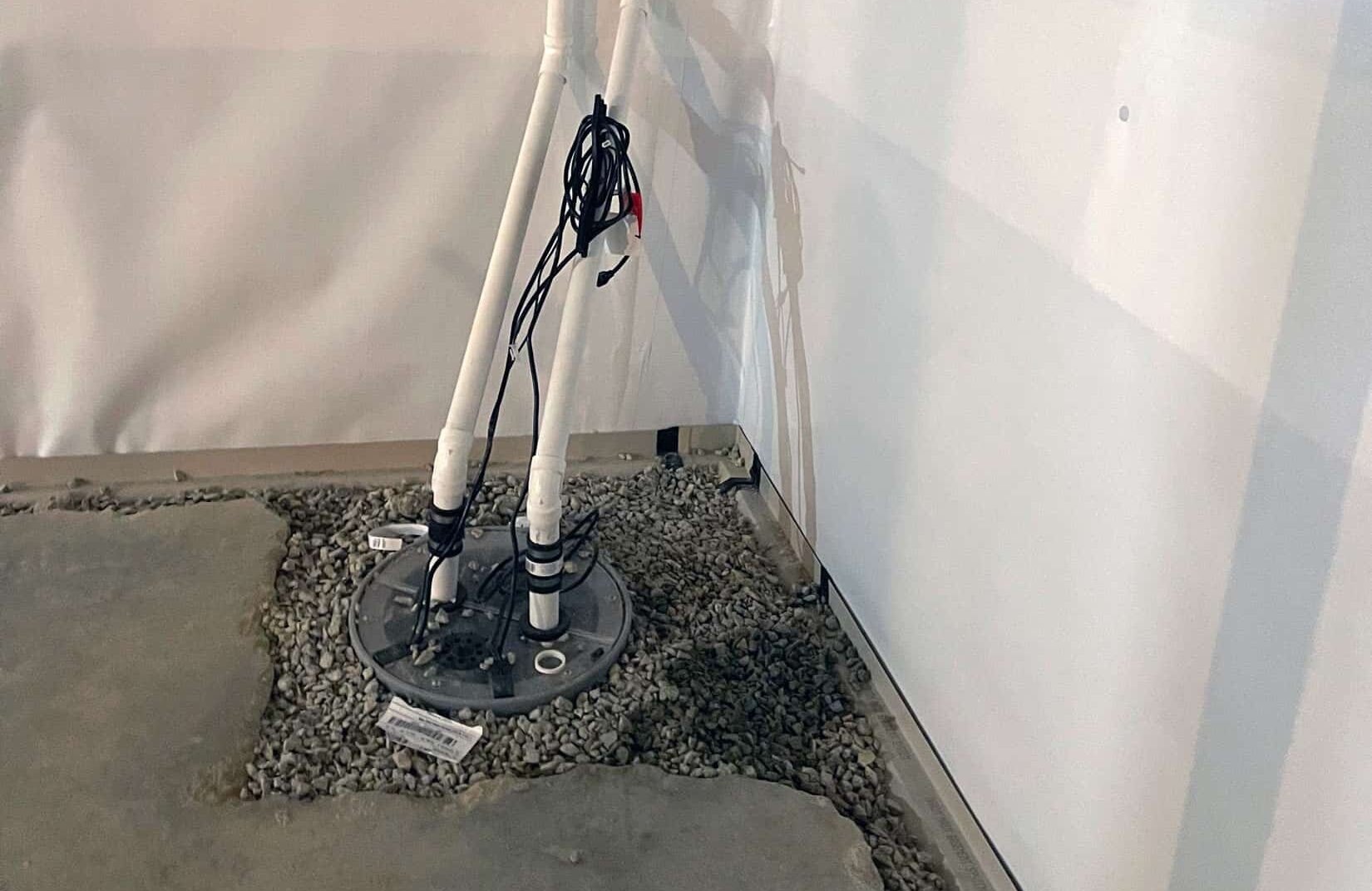
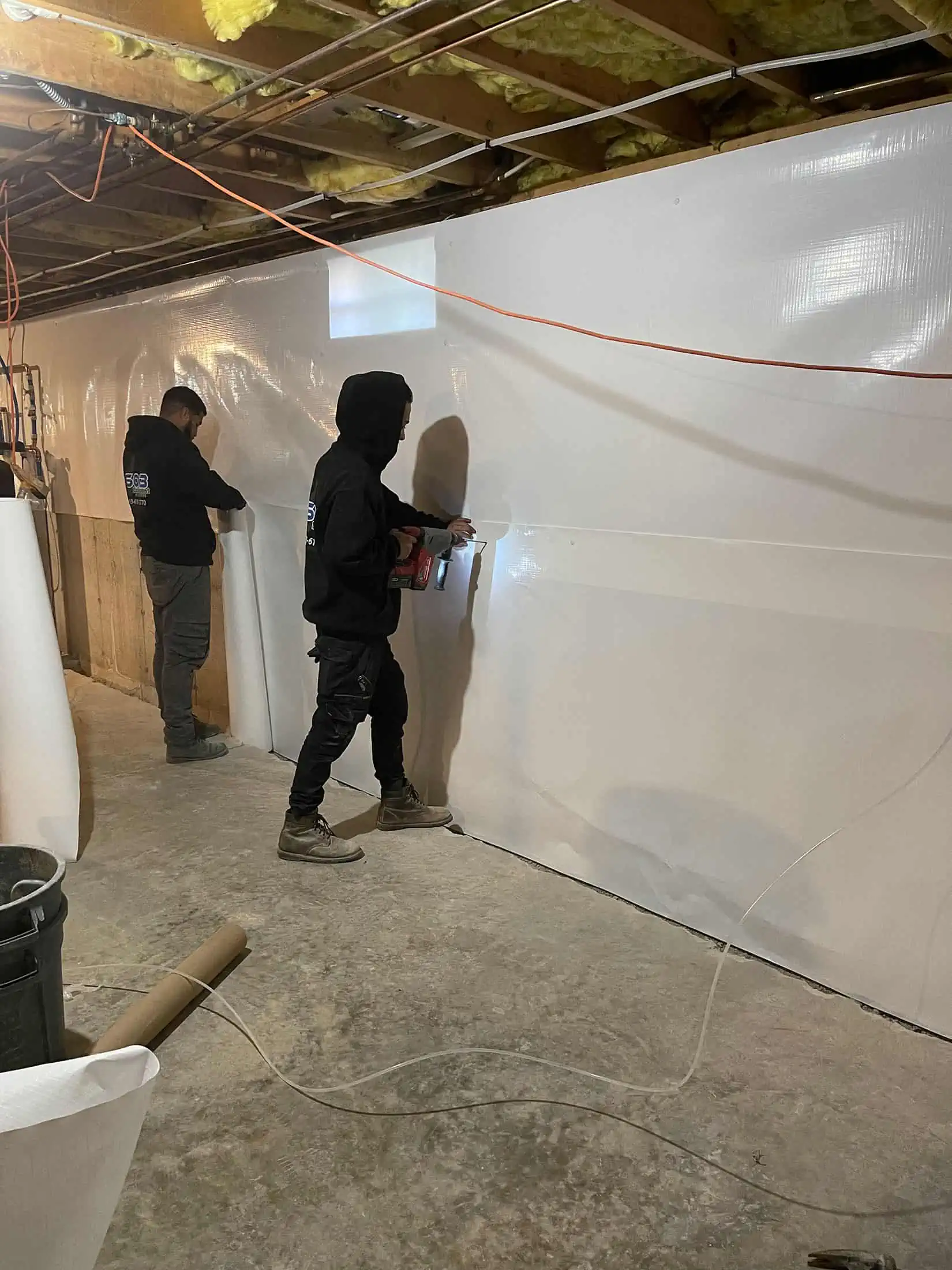
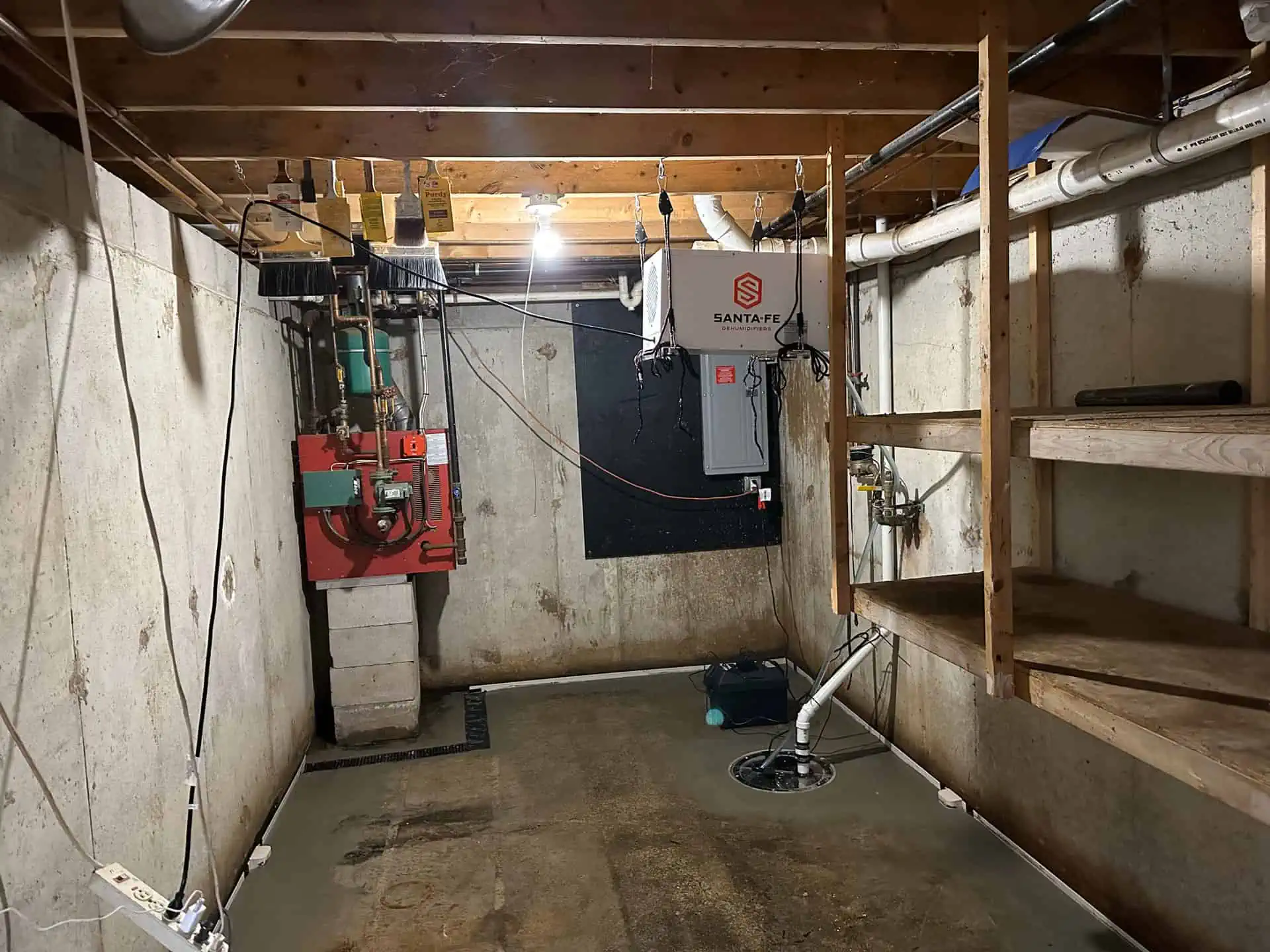
Interior waterproofing focuses on managing water that has already entered the basement or preventing it from causing damage. This includes installing sump pumps, which efficiently remove accumulated water, and interior drainage systems, which direct water away from the foundation. Our Forever Dry System is a popular choice among homeowners, providing a durable and effective solution to keep basements dry.
Key features of interior waterproofing include:
- Sump Pump Installation: Removes water quickly and effectively.
- Interior Drainage Systems: Redirects water away from the basement.
- Vapor Barriers: Prevents moisture from entering the basement.
Exterior Waterproofing Solutions
Exterior waterproofing aims to stop water from entering the home in the first place. This method involves excavating around the foundation, applying a waterproof sealant, and installing drainage systems to keep water away from the foundation. Exterior waterproofing is ideal for homes that experience frequent flooding or have a high water table.
Key benefits of exterior waterproofing include:
- Prevents water from penetrating the foundation.
- Reduces hydrostatic pressure against foundation walls.
- Enhances the overall structural integrity of the home.
The Basement Waterproofing Process at 603 Basement Solutions
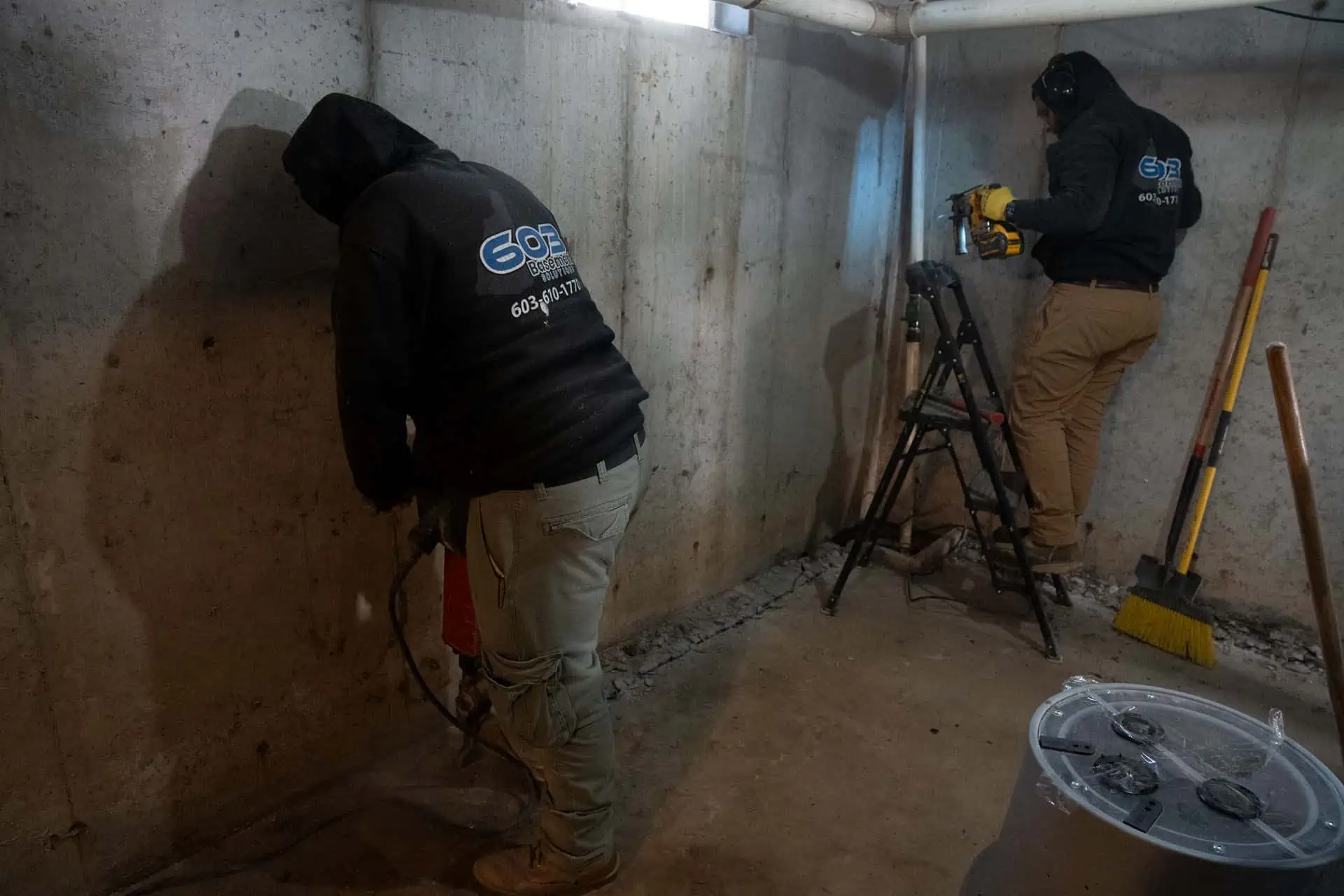
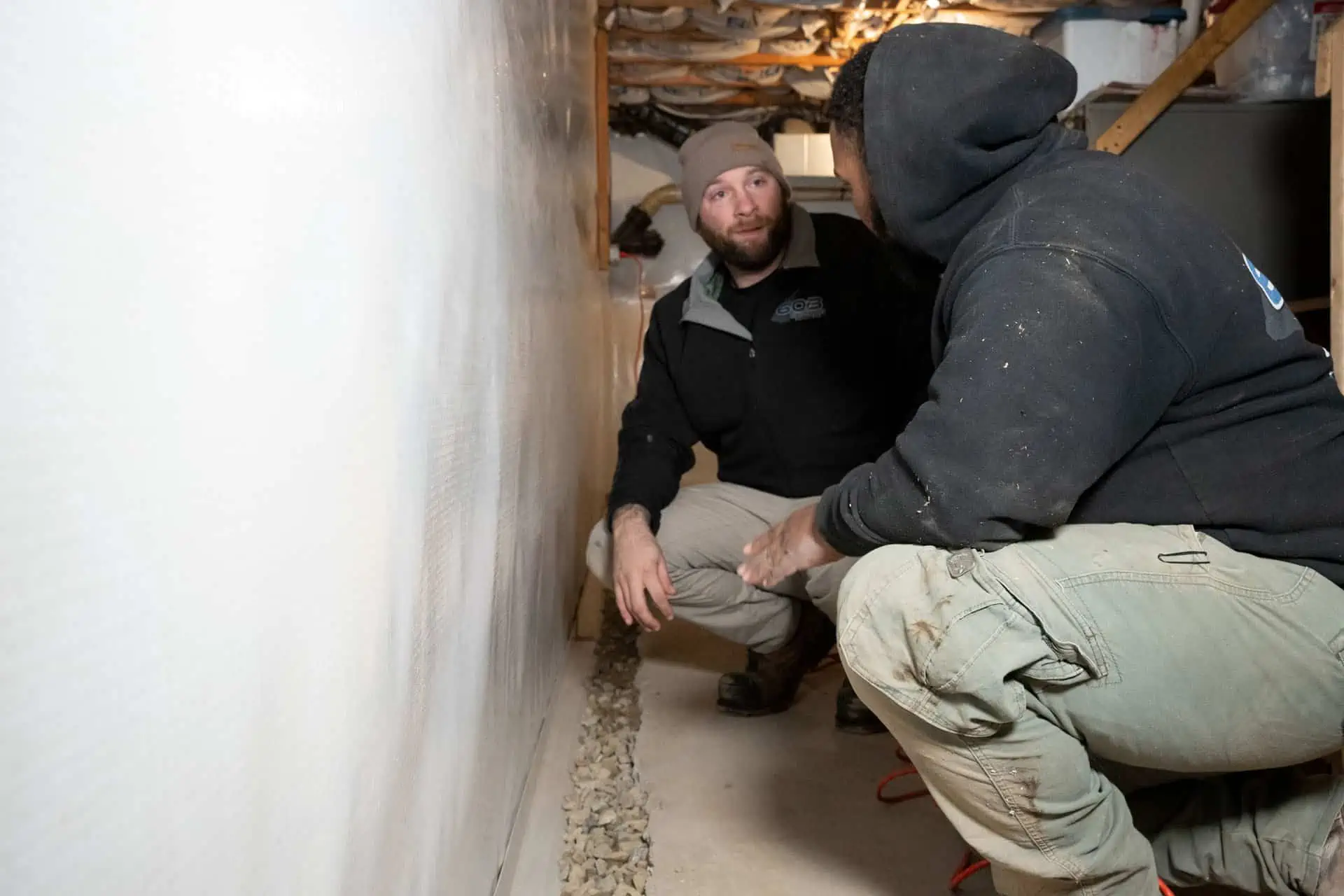
Our basement waterproofing process is designed to provide comprehensive protection against water intrusion. It begins with a thorough inspection to identify the source of water entry and assess the extent of the damage. Based on the findings, we develop a customized waterproofing solution tailored to the specific needs of your basement.
Steps in our waterproofing process:
- Initial Inspection: Identify water entry points and assess damage.
- Custom Solution Design: Develop a tailored plan to address specific issues.
- Installation: Implement the chosen waterproofing method using high-quality materials and skilled technicians.
- Follow-Up: Conduct a final inspection to ensure the effectiveness of the solution.
Why Choose 603 Basement Solutions for Your Waterproofing Needs?
603 Basement Solutions is a trusted name in South Duxbury for basement waterproofing. Our team of experienced and certified technicians is dedicated to providing the highest quality service. We use state-of-the-art equipment and the latest techniques to ensure your basement remains dry and safe.
Reasons to choose us:
- Experienced Technicians: Our team has extensive experience in basement waterproofing.
- High-Quality Materials: We use only the best products to ensure lasting results.
- Customer Satisfaction: Our focus is on delivering excellent service and ensuring customer satisfaction.
Addressing Common Basement Issues in South Duxbury Homes
Basements in South Duxbury are susceptible to several issues due to the region’s unique environmental conditions. Understanding these problems and their solutions can help homeowners maintain a dry and healthy basement.
Mold and Mildew Prevention
Mold and mildew thrive in damp environments and can pose serious health risks. In basements, mold can develop due to high humidity levels and water leaks. To prevent mold growth, we offer solutions such as dehumidifiers, vapor barriers, and proper ventilation systems.
Key solutions for mold prevention:
- Dehumidifiers: Control humidity levels in the basement.
- Vapor Barriers: Prevent moisture from seeping through walls and floors.
- Ventilation Systems: Improve air circulation to reduce moisture buildup.
Foundation Crack Repair
Cracks in the foundation are a common issue in South Duxbury basements. These cracks can occur due to soil movement, hydrostatic pressure, or natural settling. Our team specializes in repairing these cracks and reinforcing the foundation to prevent future damage.
Methods for foundation crack repair:
- Epoxy Injections: Seal cracks and prevent water intrusion.
- Carbon Fiber Straps: Strengthen foundation walls and prevent further cracking.
- Hydraulic Cement: Fill and seal larger cracks.
Benefits of Waterproofing Your Basement
Investing in basement waterproofing offers several benefits, not just for the structural integrity of your home but also for your overall comfort and peace of mind.
Advantages of waterproofing your basement:
- Enhanced Property Value: A dry, well-maintained basement adds to your home’s market value.
- Improved Indoor Air Quality: Prevents mold and mildew, contributing to healthier air.
- Prevention of Future Repairs: Avoids costly repairs associated with water damage.
Local Expertise You Can Trust
603 Basement Solutions has a strong reputation in South Duxbury for providing reliable and effective waterproofing services. Our local expertise allows us to understand the specific challenges faced by homeowners in the area and offer customized solutions that deliver long-lasting results.
We proudly serve the following areas in Massachusetts:
- South Duxbury
- Marshfield
- Kingston
- And surrounding regions
How To Get Started With 603 Basement Solutions
Getting started with our basement waterproofing services is easy. We offer a free, no-obligation inspection to assess your needs and provide a detailed estimate. Our team will work with you every step of the way to ensure your basement remains dry and protected from water damage.
To schedule your free inspection:
- Contact our team via phone or email.
- Fill out the online form on our website.
- Receive a detailed estimate and plan of action.
Contact Us
If you’re experiencing water problems in your basement, don’t wait for the damage to worsen. Contact 603 Basement Solutions today to schedule a free consultation and take the first step towards a dry, safe, and healthy home.
By following this comprehensive guide, you can ensure your basement remains dry and protected from water damage. With 603 Basement Solutions, you’re choosing a trusted partner committed to quality and customer satisfaction.