Basement waterproofing is a critical service for homeowners in Lexington, MA. The region’s weather patterns and soil conditions can lead to frequent water intrusion, which may cause structural damage and health hazards due to mold and mildew. Ensuring your basement is properly waterproofed protects your home and maintains its value.
Why Basement Waterproofing Is Essential in Lexington, MA
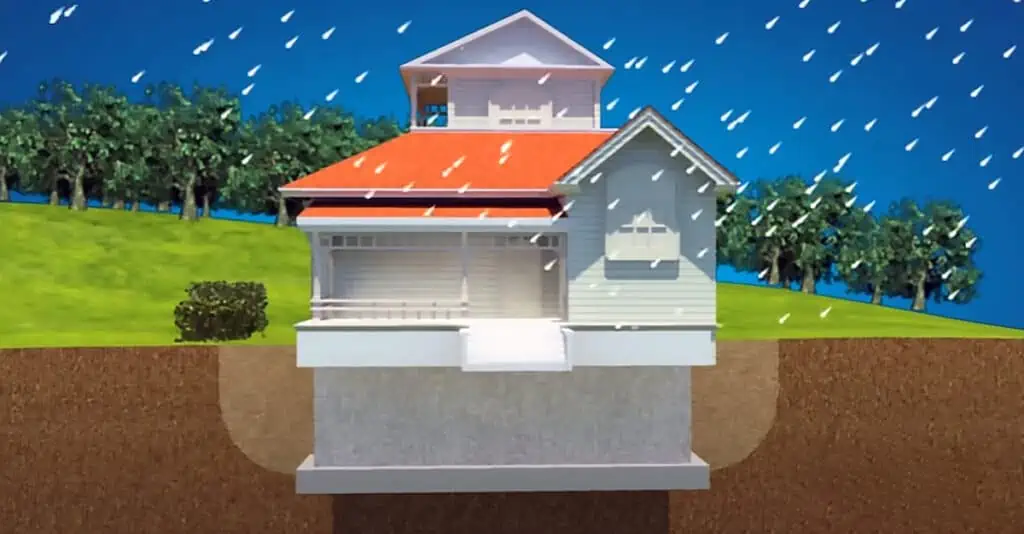
Lexington, MA, experiences a mix of heavy rains, snow, and humidity throughout the year. These conditions make basements particularly vulnerable to water infiltration. Without proper waterproofing, water can seep through foundation cracks, window wells, and other vulnerable points, causing extensive damage.
Water damage can lead to mold growth, which poses serious health risks to residents, including respiratory issues and allergies. Basement waterproofing acts as a barrier against these threats, ensuring a safe, dry, and healthy living environment.
Our Comprehensive Basement Waterproofing Solutions
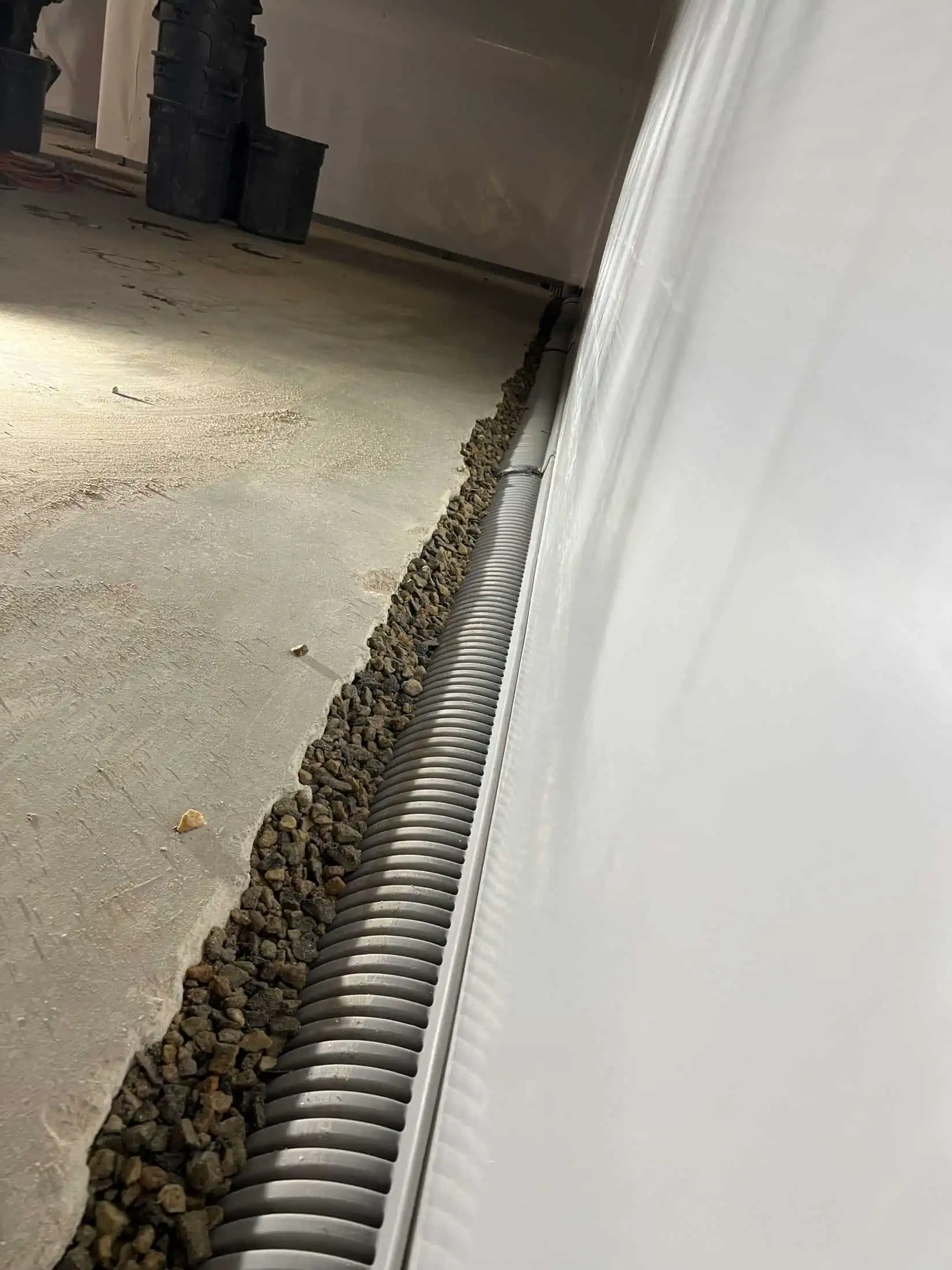
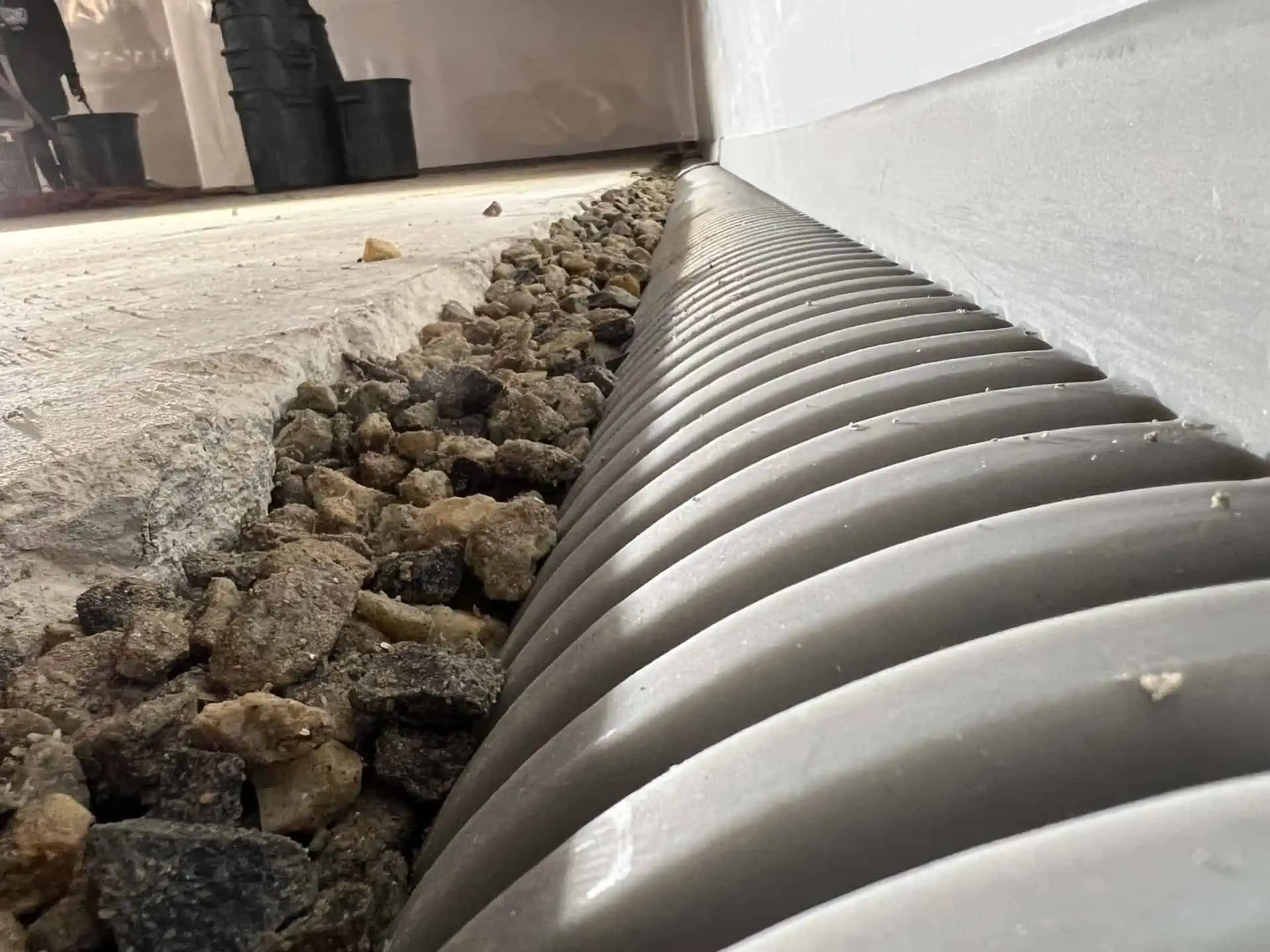
At 603 Basement Solutions, we offer a range of basement waterproofing services tailored to the unique needs of Lexington homeowners. Our services include interior and exterior waterproofing, sump pump installation, and advanced dehumidification systems. Each solution is designed to address specific problems, ensuring comprehensive protection for your home.
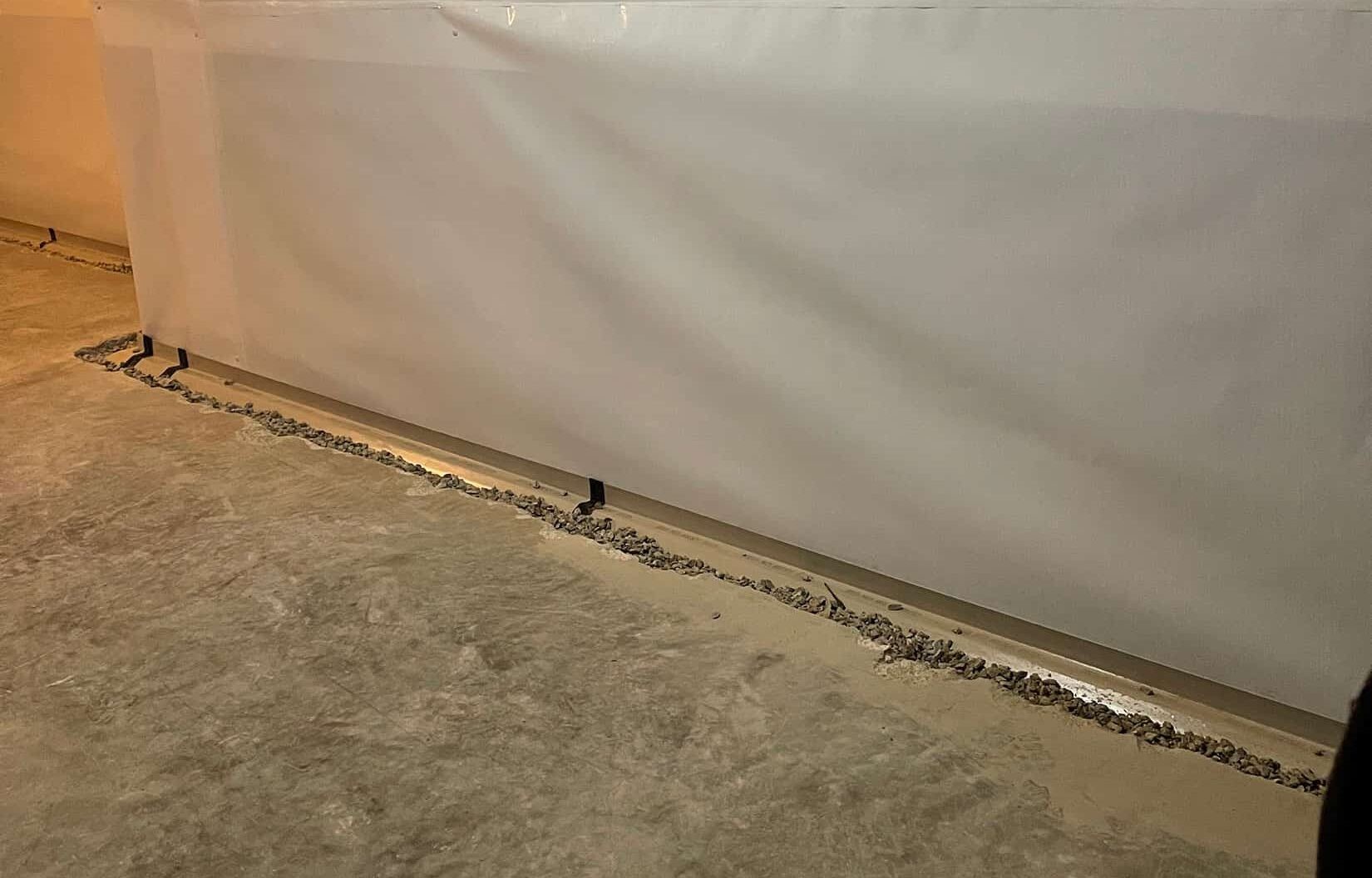
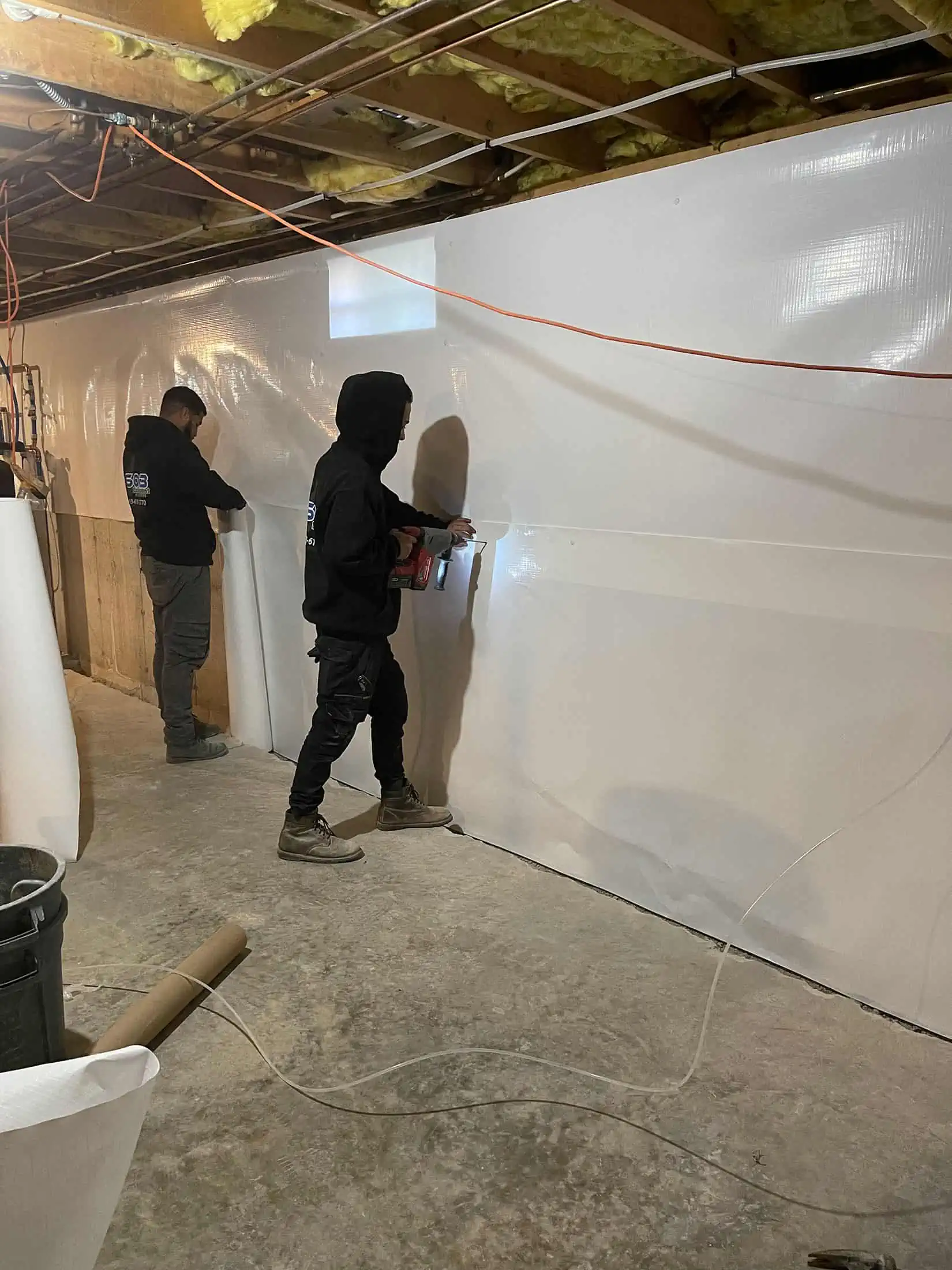
- Interior Waterproofing: This involves sealing the walls and floors from the inside to prevent water penetration. We use high-quality sealants and vapor barriers to keep moisture out.
- Exterior Waterproofing: This method focuses on preventing water from entering the basement from the outside. It includes excavation around the foundation, applying waterproof membranes, and installing drainage systems to divert water away.
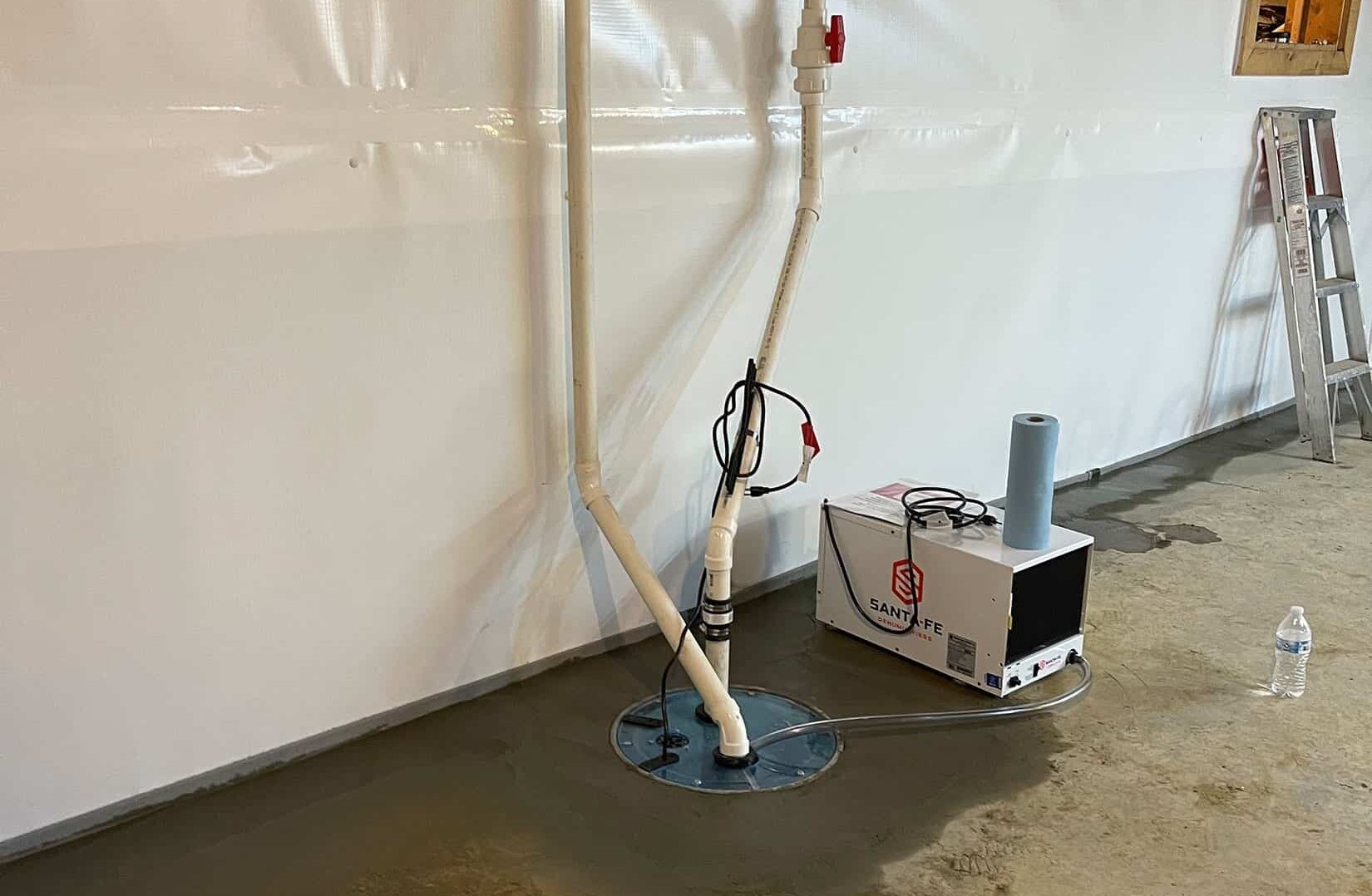
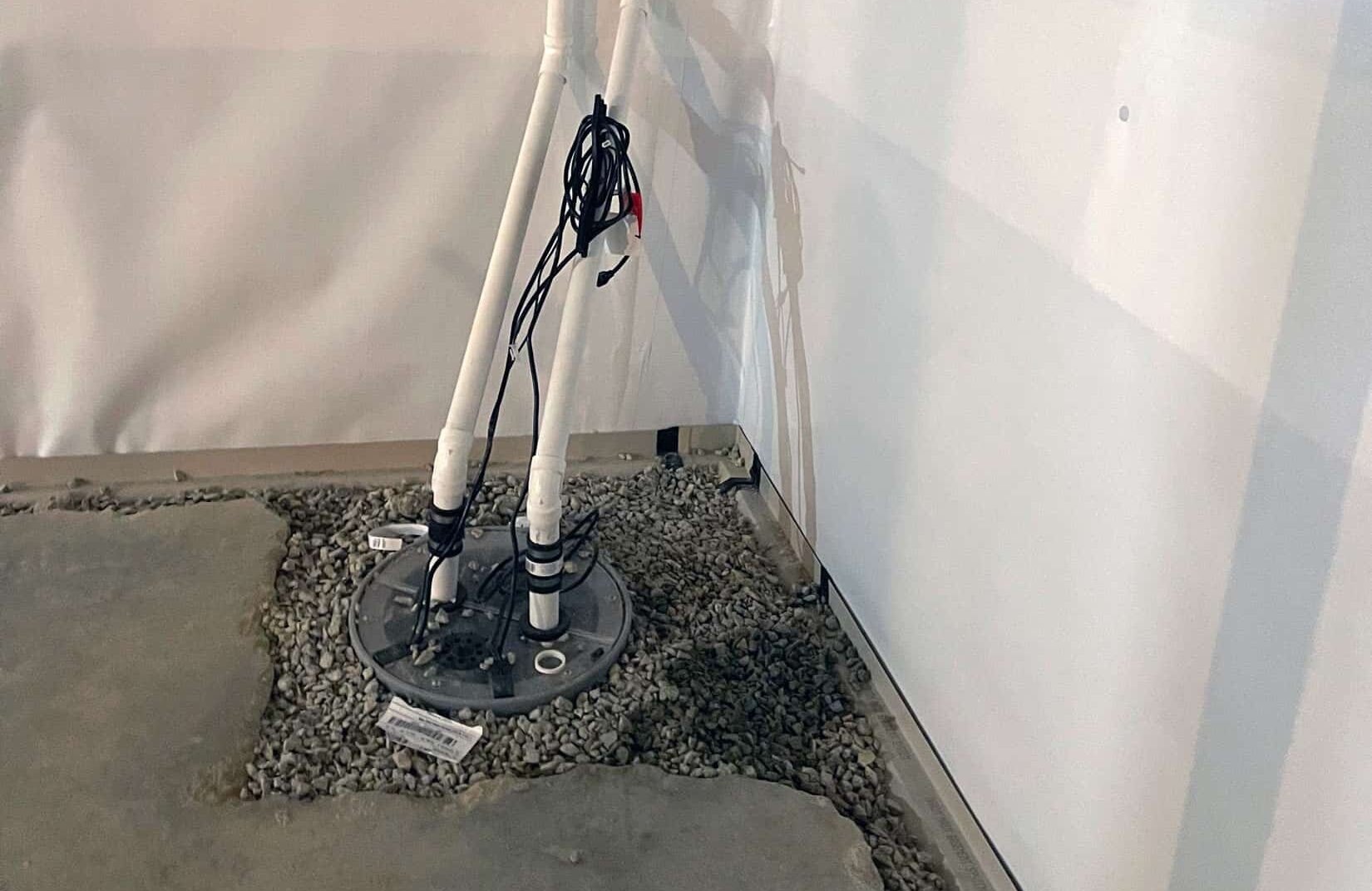
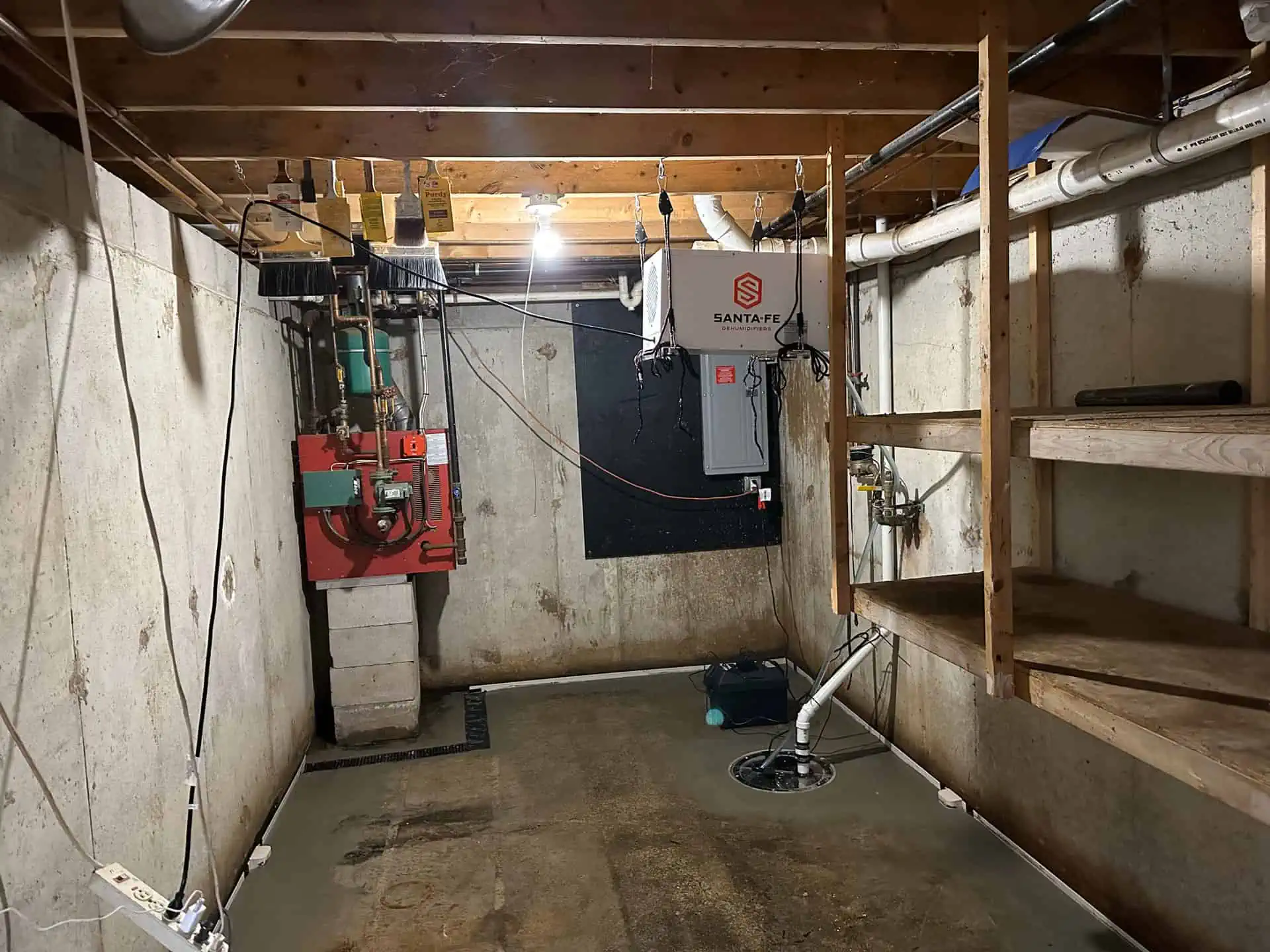
- Sump Pump Installation: Sump pumps are essential for removing accumulated water from your basement. We install reliable sump pumps with battery backup options to ensure your basement remains dry even during power outages.
- Dehumidification Systems: Excess moisture can lead to mold growth and damage to your belongings. Our advanced dehumidification systems maintain optimal humidity levels, preventing mold and ensuring a comfortable environment.
Understanding the Causes of Basement Water Problems
Several factors contribute to basement water problems in Lexington, MA. The most common causes include:
- Poor Drainage and Grading: Improper drainage around your home can lead to water pooling near the foundation, eventually seeping into the basement. Ensuring the ground slopes away from your home is crucial in preventing water issues.
- Foundation Cracks and Leaks: Cracks in the foundation walls or floor can allow water to enter the basement. These cracks may result from natural settling, hydrostatic pressure, or poor construction practices.
- High Water Table and Soil Conditions: Lexington’s high water table and expansive clay soil can exacerbate basement water problems. When the water table rises, especially after heavy rains, water pressure builds up against the foundation, leading to leaks and seepage.
Our Proven Process for Basement Waterproofing
At 603 Basement Solutions, we follow a meticulous process to ensure effective waterproofing for your basement. Our approach includes:
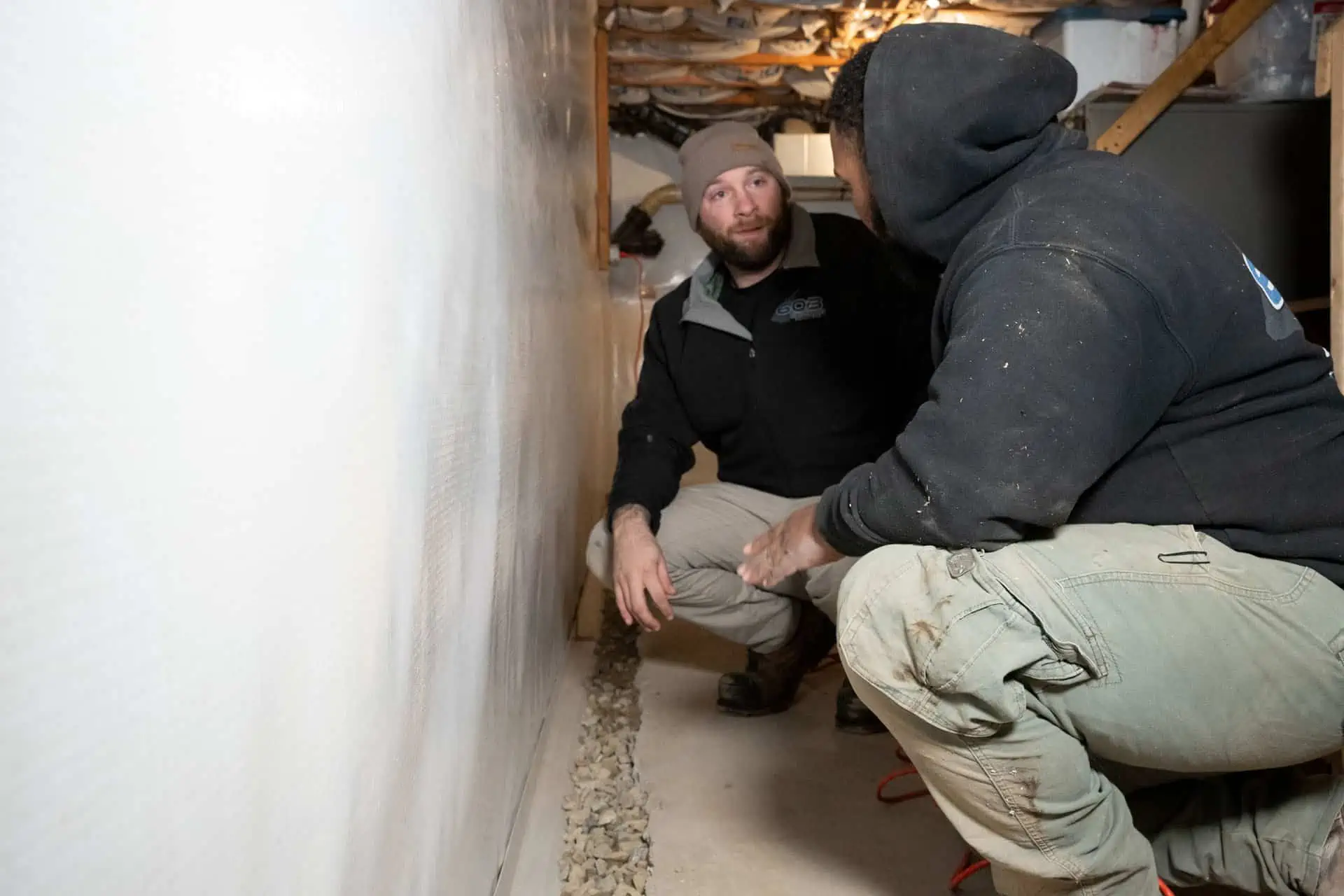
- Inspection and Diagnosis: Our team begins with a thorough inspection of your basement and surrounding areas to identify the sources of water intrusion. We assess the condition of your foundation, walls, floors, and existing drainage systems.
- Tailored Solutions: Based on the inspection results, we develop a customized waterproofing plan that addresses your home’s specific needs. Whether it’s interior sealing, exterior waterproofing, or sump pump installation, we provide solutions that guarantee long-term protection.
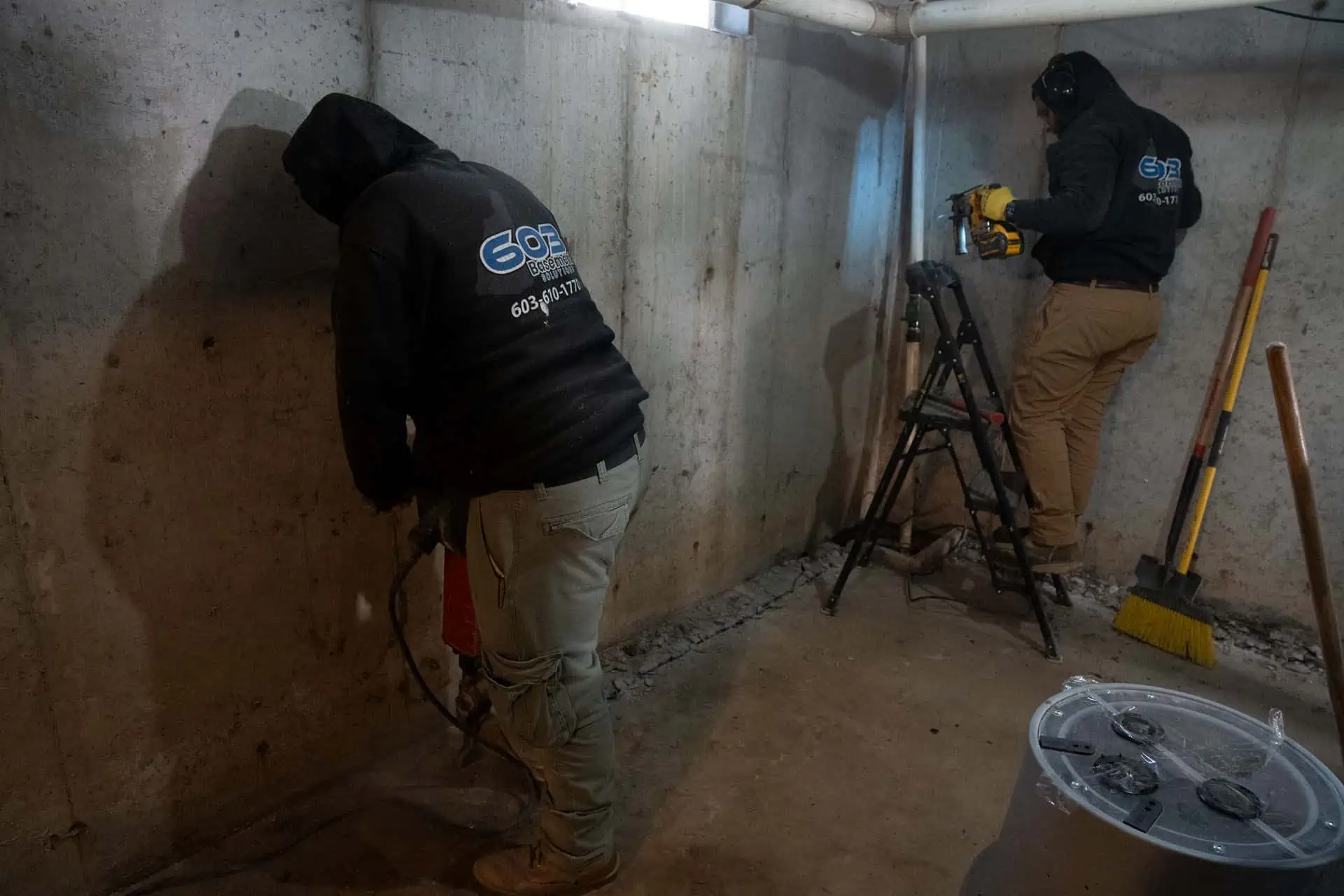
- Implementation: Our skilled technicians use state-of-the-art equipment and high-quality materials to execute the waterproofing plan. We ensure that all work complies with local building codes and safety standards.
- Follow-Up and Maintenance: After completing the waterproofing, we conduct a final inspection to ensure everything is in place and functioning correctly. We also offer maintenance services to keep your basement dry and protected over the years.
Advantages of Choosing 603 Basement Solutions
Choosing 603 Basement Solutions for your waterproofing needs offers several advantages:
- Local Expertise: As a local company, we understand Lexington’s unique climate and soil conditions. Our experience allows us to provide solutions specifically designed for the area.
- Customer Satisfaction: We pride ourselves on delivering exceptional customer service. Our team is dedicated to ensuring your complete satisfaction with our work, from initial consultation to project completion.
- Transferable Lifetime Warranty: Our waterproofing solutions come with a transferable lifetime warranty, providing peace of mind and adding value to your property.
Our Team of Experts
Our team comprises highly trained and experienced professionals committed to delivering quality workmanship. Each member of our team is certified in basement waterproofing techniques and uses the latest tools and technology to ensure optimal results. We believe in clear communication, keeping you informed throughout the process and addressing any concerns you may have.
Safety and Compliance in Basement Waterproofing
Safety and compliance are at the forefront of our services. We adhere strictly to local building codes and regulations, ensuring all waterproofing work is safe and compliant. Our commitment to safety extends beyond the construction site to your home, where we take every precaution to protect your property during the waterproofing process.
Cost Considerations and Financing Options
Basement waterproofing is a worthwhile investment in your home’s safety and value. We offer transparent pricing with detailed estimates so you know exactly what to expect. To make the process more accessible, we provide flexible financing options to suit your budget, ensuring you get the protection your home needs without financial strain.
Schedule Your Free Inspection Today
Protecting your basement from water damage starts with a free inspection. Our team will assess your home’s needs and recommend the best waterproofing solutions. Don’t wait for water damage to compromise your home’s safety and value—schedule your free inspection today to take the first step towards a dry, secure basement.
Call to Action
Secure your home’s foundation and protect your investment with expert basement waterproofing services from 603 Basement Solutions. Our team is ready to help you create a safer, healthier living environment. Contact us to learn more about our services and schedule your free inspection. Act now to prevent costly water damage and maintain your property’s value for years to come.
By incorporating these comprehensive, well-organized sections, the location page will effectively communicate the importance of basement waterproofing and the expertise of 603 Basement Solutions in delivering top-notch services.