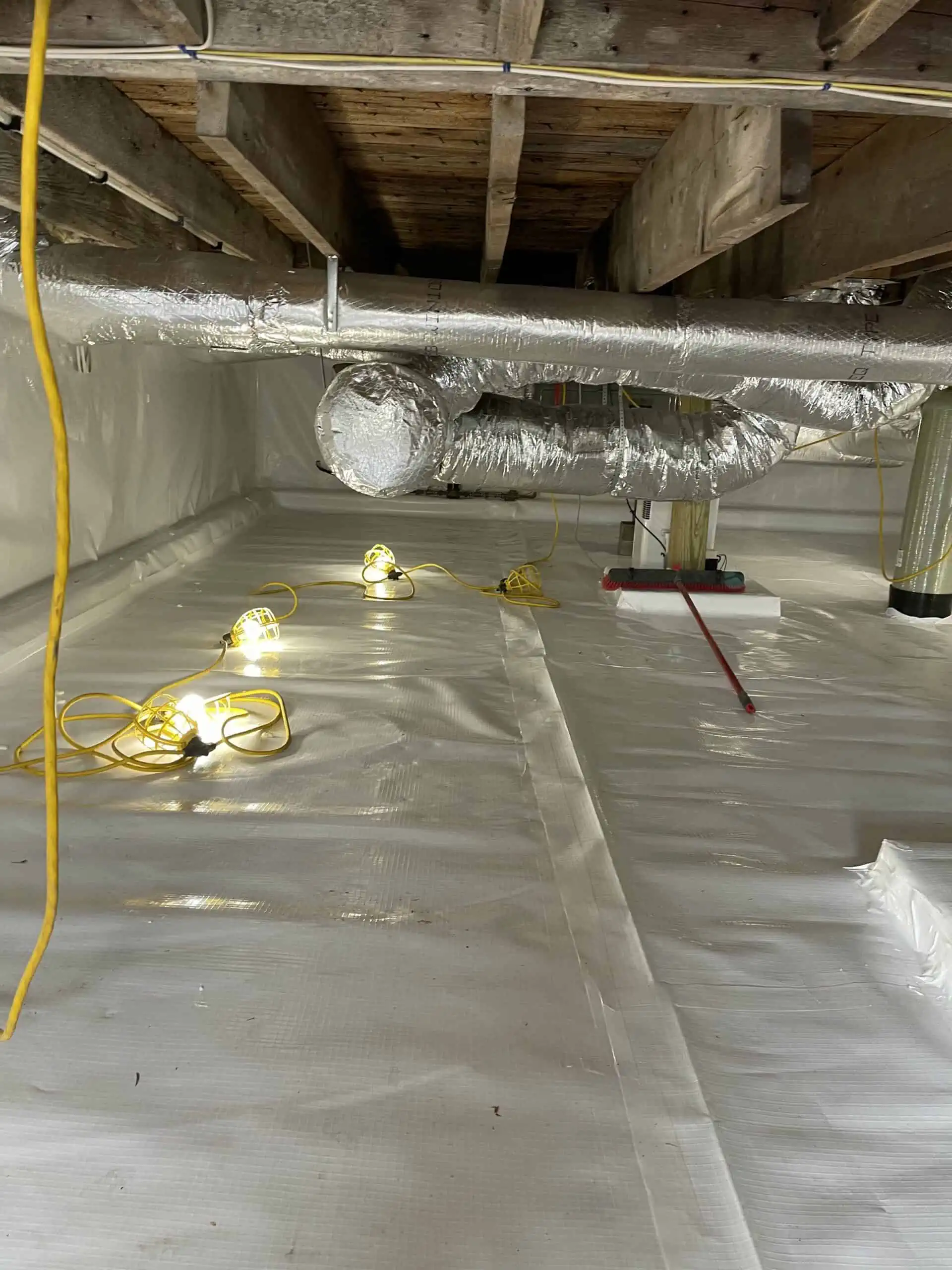
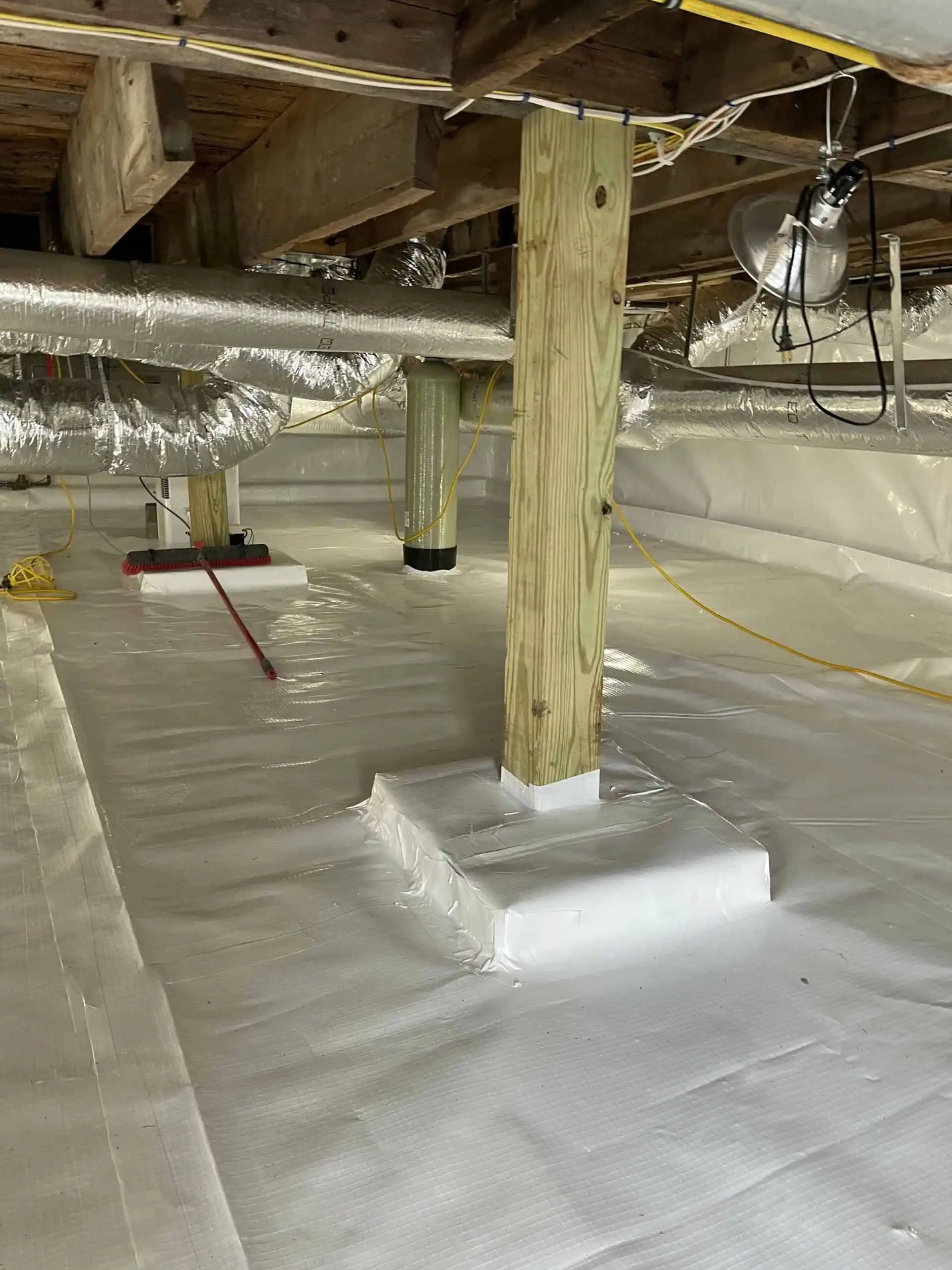
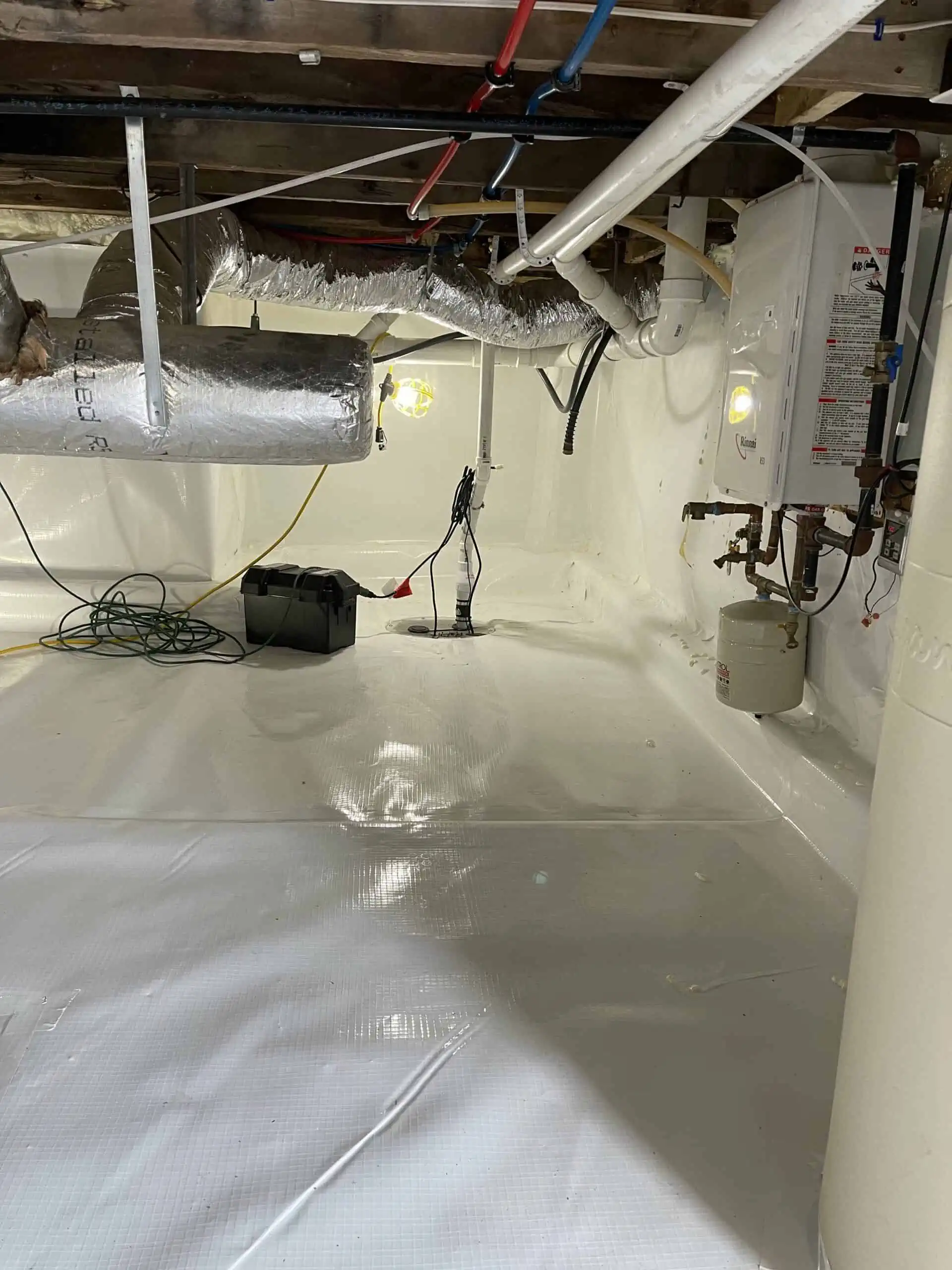
Crawl space encapsulation is a crucial process for homeowners in Berwick, ME, aimed at maintaining a dry, clean, and healthy environment beneath their homes. The climate in Berwick, characterized by humid summers and cold, snowy winters, poses unique challenges to crawl space maintenance. Encapsulation helps protect against moisture, mold, pests, and structural damage, ultimately contributing to a healthier living environment and increased home value.
What Is Crawl Space Encapsulation?
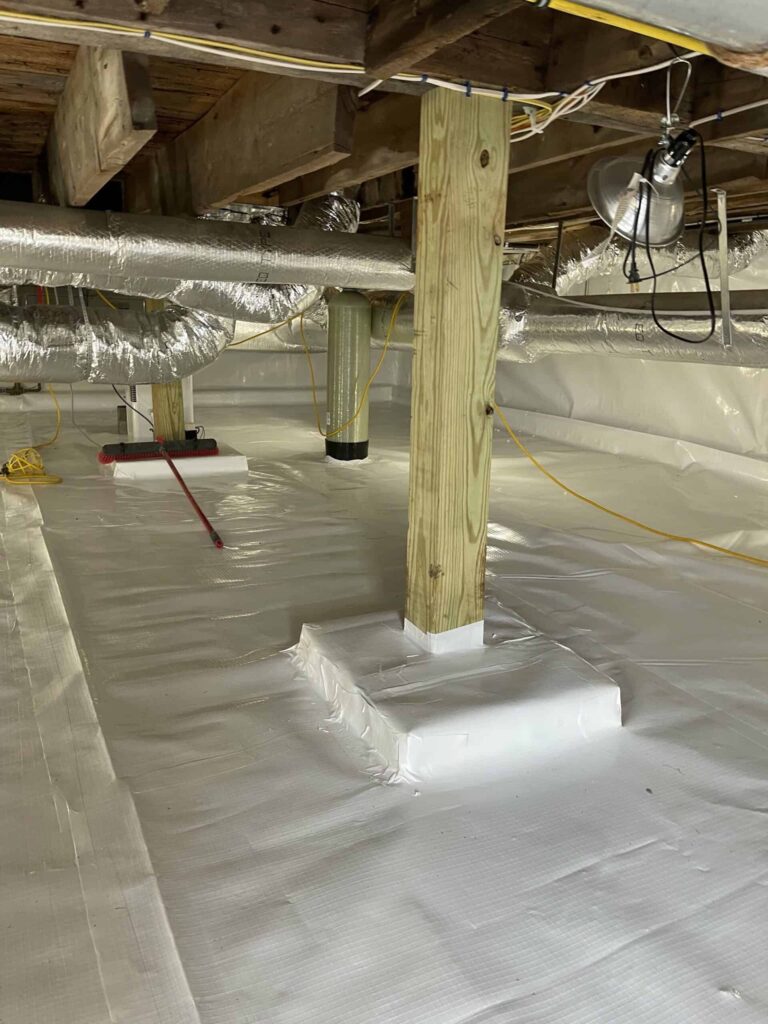
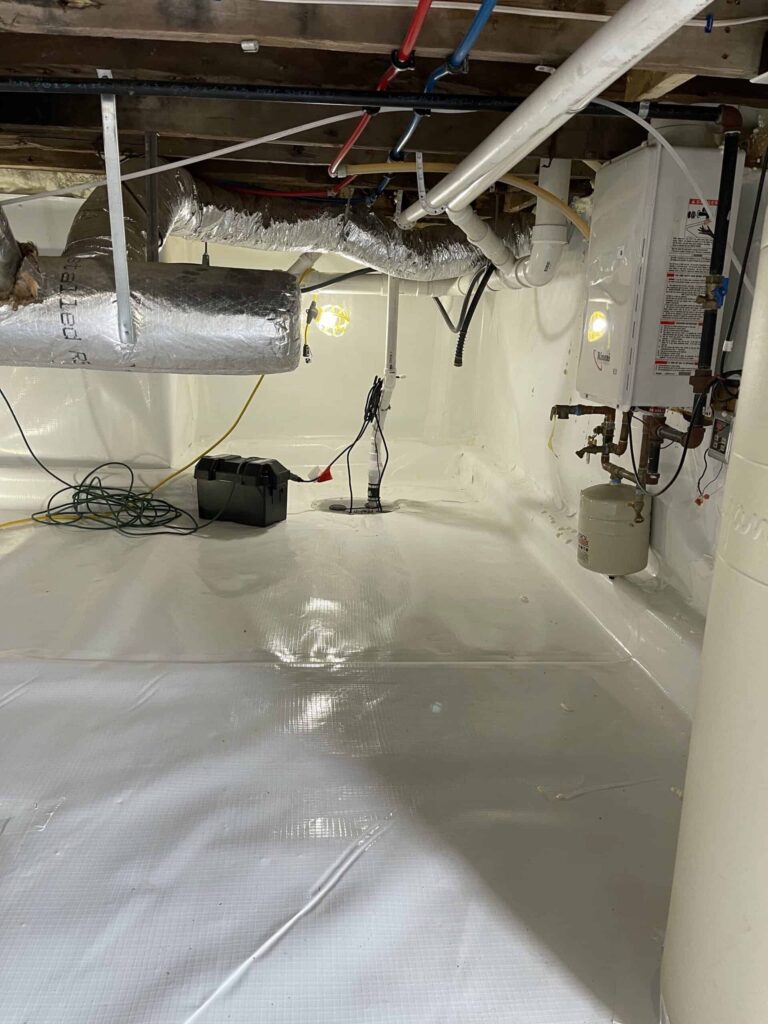
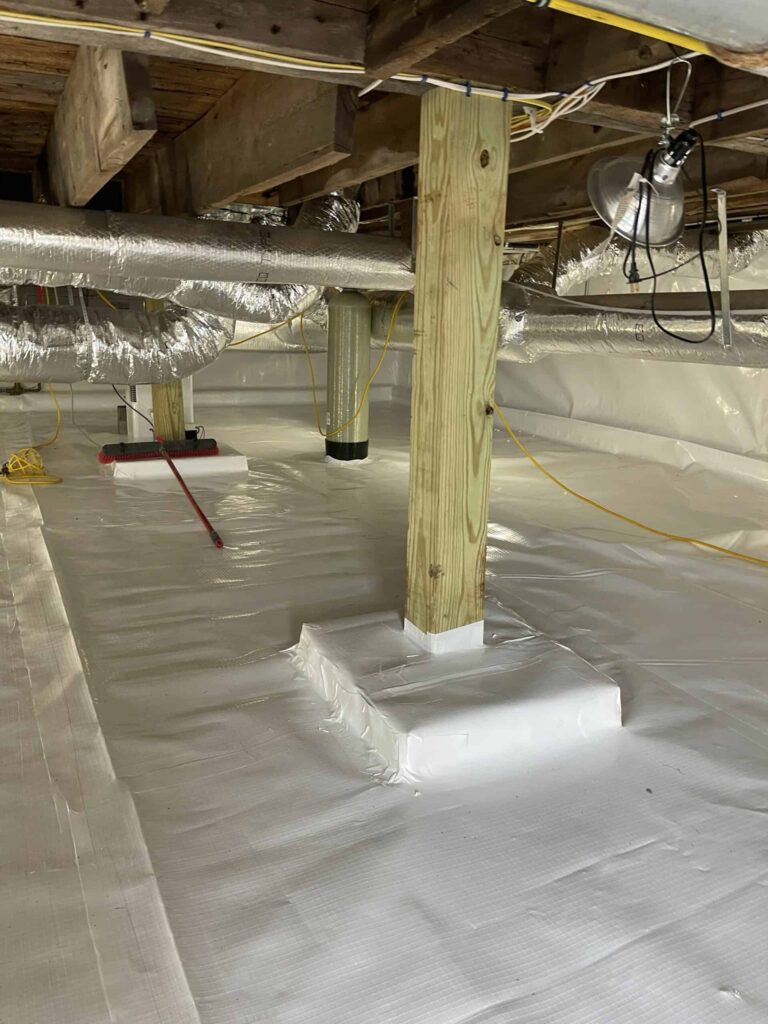
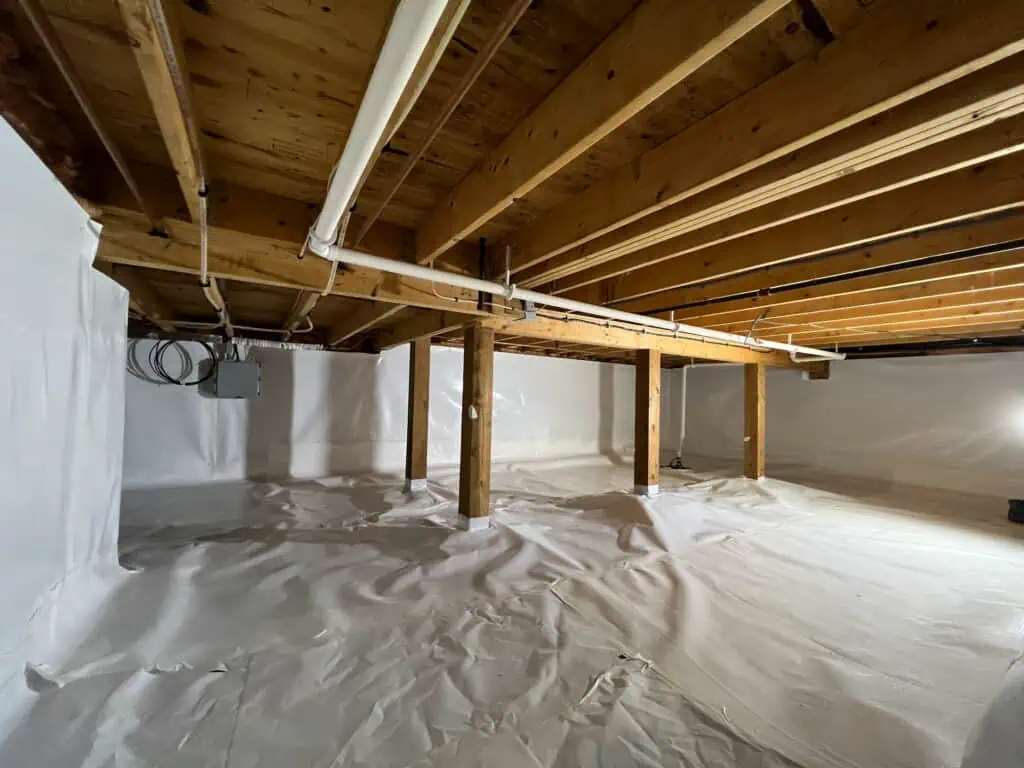
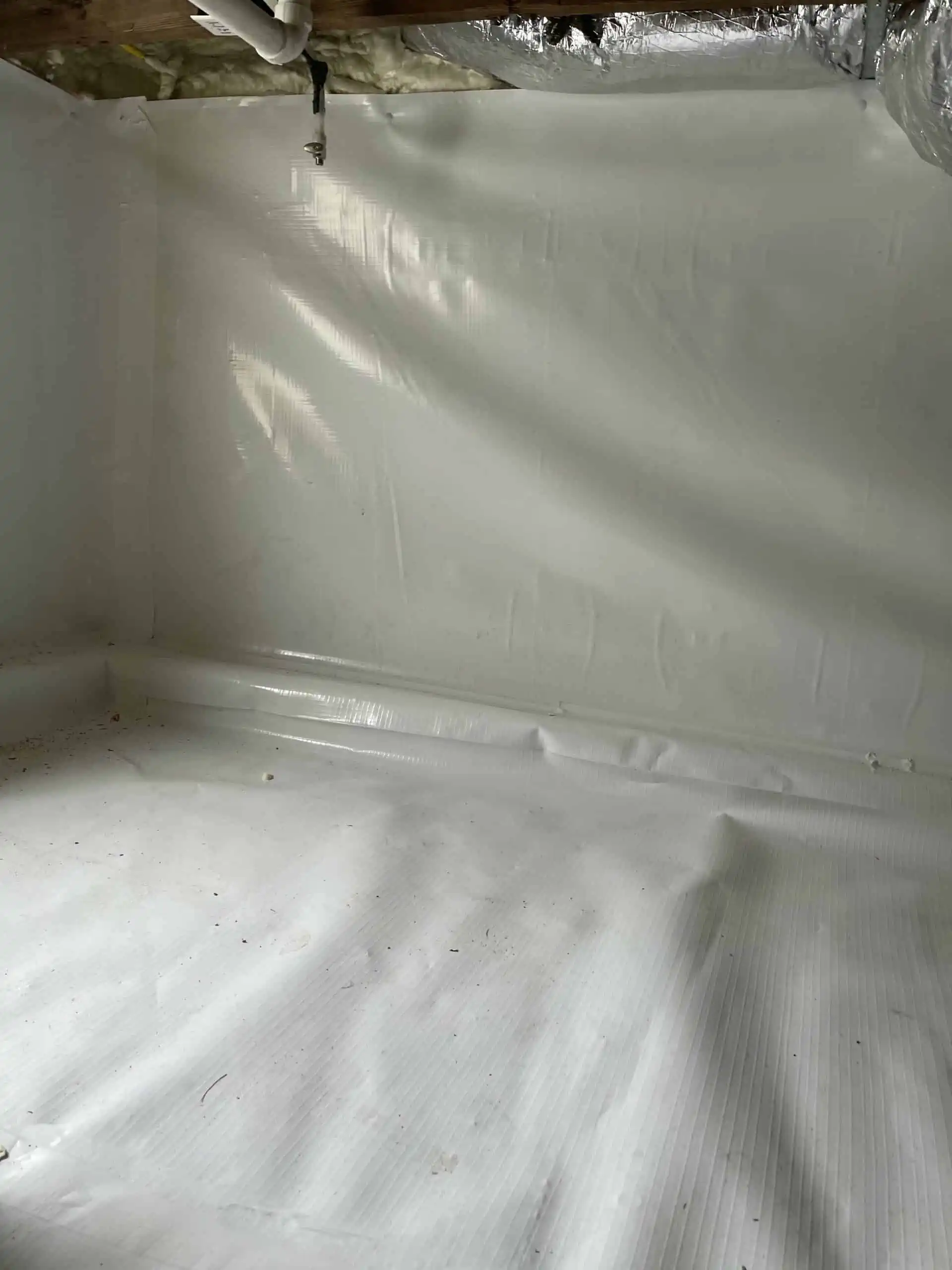
Crawl space encapsulation involves sealing the crawl space with a durable vapor barrier and insulation materials to prevent moisture, pests, and outdoor air from entering. This process includes addressing existing issues such as standing water, mold, or pest infestations before sealing the space. By encapsulating the crawl space, homeowners can prevent a variety of problems that affect the home’s structure and indoor air quality.
Benefits of Crawl Space Encapsulation
Encapsulating your crawl space offers several significant benefits that enhance both your home’s value and your family’s health:
- Improved Air Quality: Encapsulation reduces the entry of allergens and pollutants from the crawl space into your home.
- Prevention of Mold and Mildew: By controlling moisture levels, the growth of mold and mildew is significantly reduced.
- Energy Efficiency: Encapsulation can reduce energy costs by preventing cold air from entering the home in winter and hot, humid air in summer.
- Increased Home Value: Homes with properly encapsulated crawl spaces are more attractive to potential buyers.
Detailed Benefits in Berwick, ME’s Climate
Berwick, ME, with its seasonal humidity and occasional heavy rains, often leads to moisture accumulation in crawl spaces. Encapsulation helps manage these specific climate-related issues by:
- Preventing water intrusion from heavy rains or snowmelt.
- Reducing humidity levels during the humid summer months, preventing dampness.
- Providing an added layer of insulation against cold winter drafts, improving indoor comfort.
Our Encapsulation Process
At 603 Basement Solutions, we have developed a comprehensive crawl space encapsulation process to ensure optimal results:
- Inspection and Assessment: Our team thoroughly inspects the crawl space to identify any existing issues, such as mold or structural damage.
- Moisture Control: We address any water intrusion problems by installing drainage solutions and sump pumps if necessary.
- Vapor Barrier Installation: A high-quality vapor barrier is installed to seal off the crawl space from external moisture and air.
- Insulation and Sealing: Insulation materials are added to the walls and floor of the crawl space to improve energy efficiency.
- Dehumidification: A dehumidifier is often installed to maintain optimal humidity levels and prevent future moisture buildup.
Materials and Techniques Used
We use only the best materials and techniques to ensure long-lasting protection and energy efficiency:
- Vapor Barriers: Durable, tear-resistant vapor barriers to prevent moisture infiltration.
- Insulation: Foam board insulation for walls and floors to improve thermal resistance.
- Sealing Products: High-quality sealants for air gaps and vents to block outside air.
Why Choose 603 Basement Solutions?
Choosing the right company for your crawl space encapsulation is crucial to achieving the best results. At 603 Basement Solutions, we stand out for several reasons:
- Local Expertise: We have extensive experience dealing with the unique soil and climate conditions of Berwick, ME.
- Quality Materials and Techniques: We use only the best materials and proven techniques to ensure the longevity and effectiveness of our encapsulation solutions.
- Customer Satisfaction: We pride ourselves on high customer satisfaction and positive reviews, reflecting our commitment to quality and service.
Our Team’s Expertise in Berwick, ME
Our team is composed of highly trained professionals who understand the specific challenges homeowners face in Berwick, ME. Our local expertise allows us to provide tailored solutions that effectively address common crawl space issues in this region.
Maintenance Tips Post-Encapsulation
To ensure the effectiveness of your crawl space encapsulation and extend its lifespan, consider the following maintenance tips:
- Regular Inspections: Conduct periodic inspections of your encapsulated crawl space to check for signs of damage or moisture.
- Monitor Humidity Levels: Keep a dehumidifier running and monitor humidity levels to ensure they remain within the recommended range.
- Check for Pests: Even with encapsulation, it’s crucial to periodically check for signs of pests that may have found their way into the crawl space.
Understanding the Cost of Crawl Space Encapsulation
The cost of crawl space encapsulation can vary depending on several factors:
- Size of the Crawl Space: Larger spaces require more materials and labor, increasing the overall cost.
- Extent of Existing Damage: If there is significant mold, water damage, or pest infestation, additional work and materials will be required, impacting the cost.
- Material Choices: Different types of vapor barriers and insulation materials come at varying price points.
Financing Options
We understand that crawl space encapsulation can be a significant investment. That’s why we offer flexible financing options to help homeowners manage the cost:
- Flexible Payment Plans: Tailored to meet your budget needs, our plans allow you to spread the cost over manageable monthly payments. We work with you to find the best financing option that fits your financial situation.
- Promotional Offers: Occasional discounts and promotional offers for first-time customers make it easier to start your crawl space encapsulation project. Take advantage of these savings to invest in your home’s safety and energy efficiency today.
Call to Action
Encapsulation is a valuable investment in the long-term health and safety of your home. Protect your home from moisture, pests, and structural damage today. Reach out to us for a free inspection and consultation. Our team at 603 Basement Solutions is here to help you create a safer, healthier, and more energy-efficient home.
By encapsulating your crawl space with 603 Basement Solutions, you’re not just sealing out moisture and pests; you’re sealing in peace of mind. Protect your investment, improve your home’s air quality, and reduce energy costs with our professional encapsulation services.