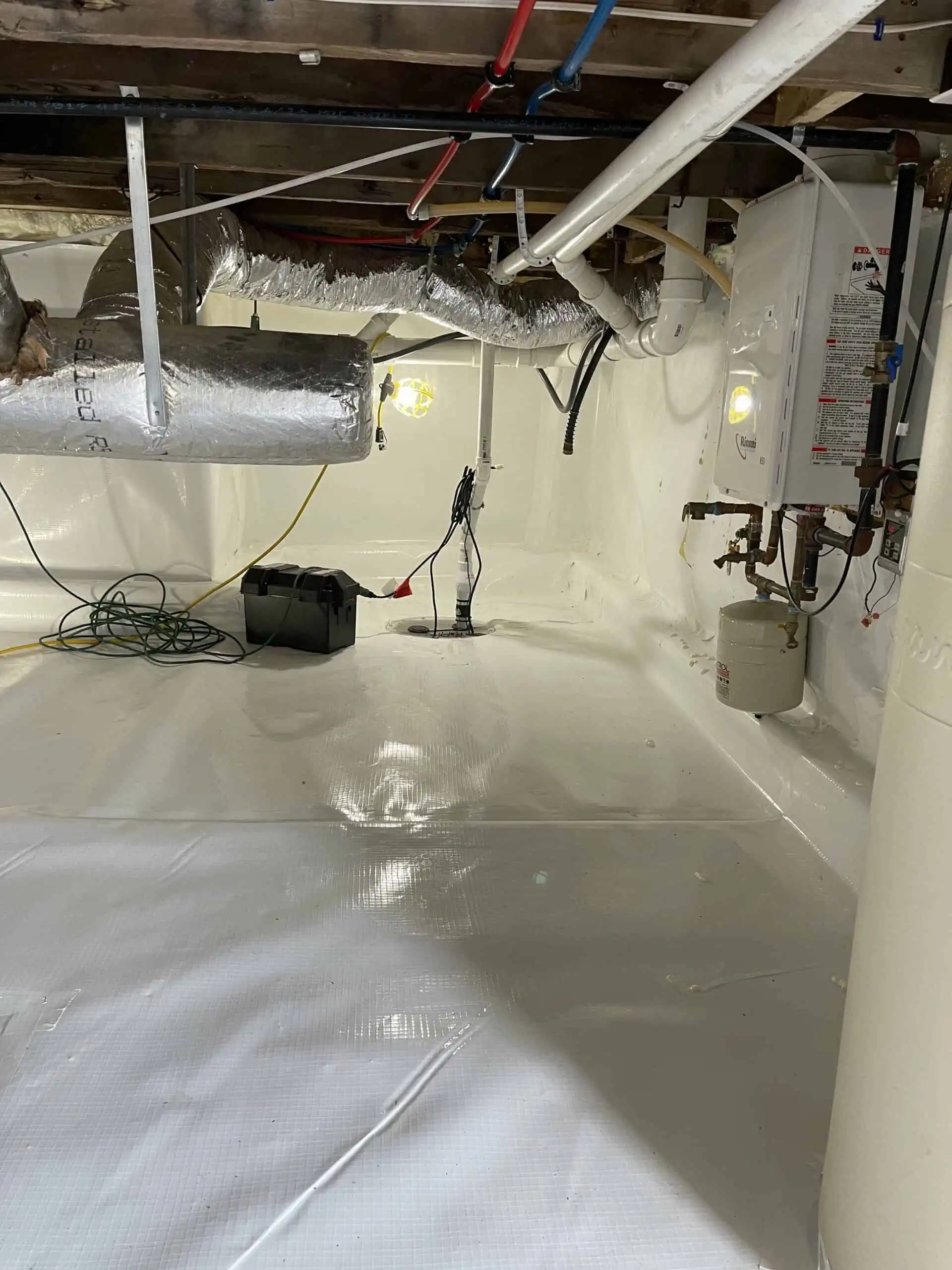



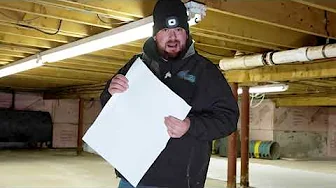
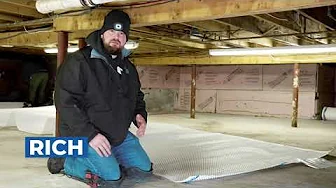
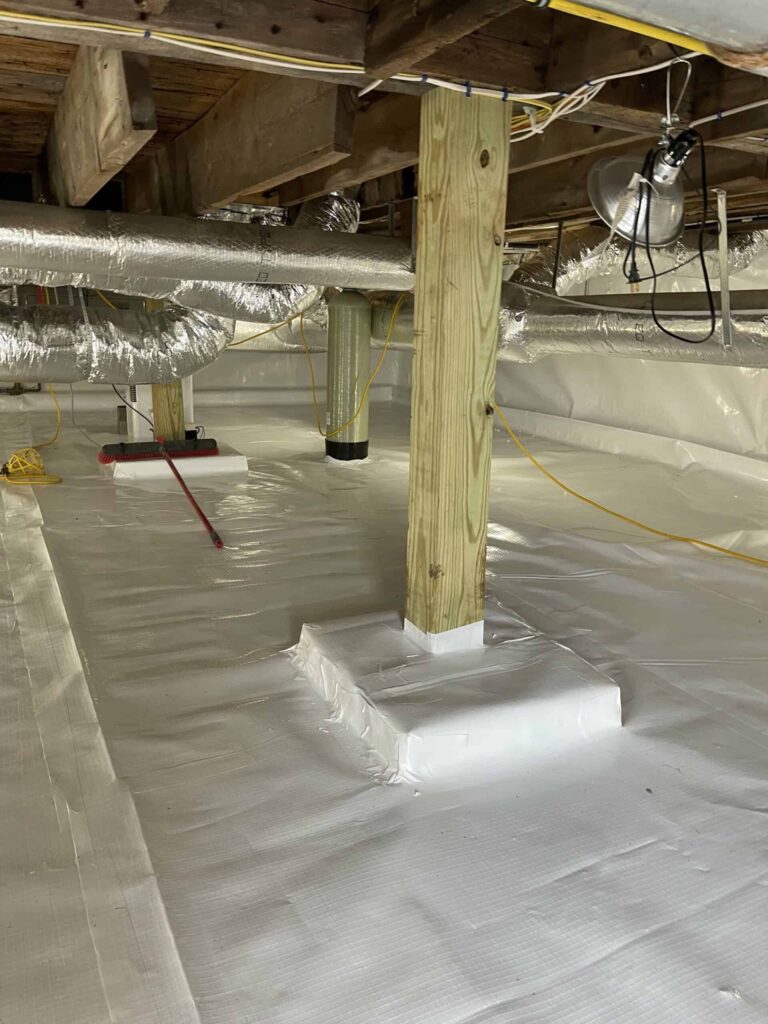
A low crawl space that becomes wet during a storm is not automatically a vapor-barrier job. Trace whether water crosses the foundation, arrives from a downspout, or appears at a plumbing line. Photograph the first wet point rather than assuming every home near the coast has the same groundwater condition.
See Hampton Falls master plan for local context, then inspect this address. If water flows in after heavy rain, correct the entry and collection path before closing the crawl space. If the floor remains damp in otherwise dry weather, ground vapor and air movement may be part of the problem. Sagging joists or soft wood need a separate structural evaluation.
603 customer feedback, not presented as a Hampton Falls project. Read the original Google review.
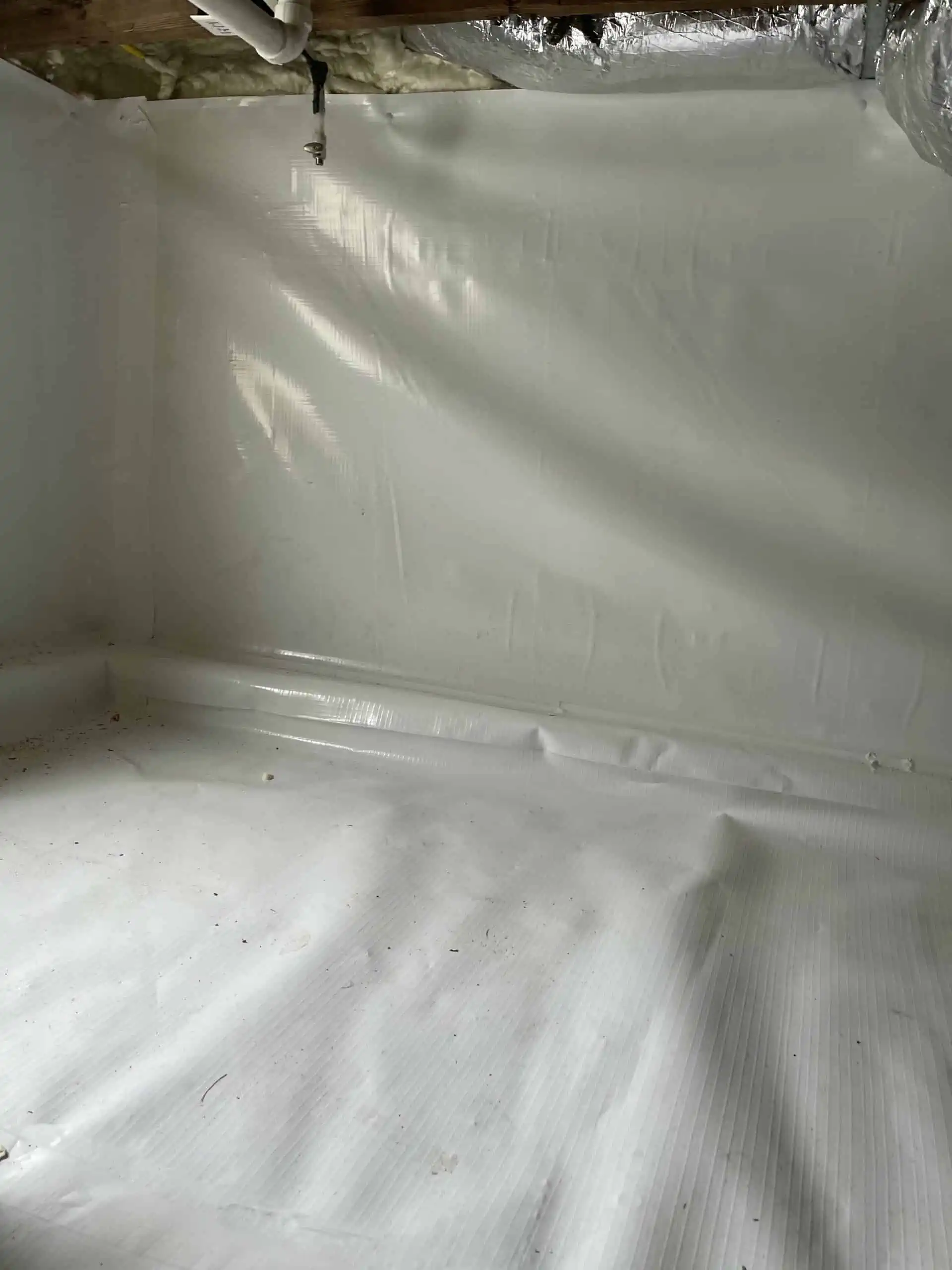
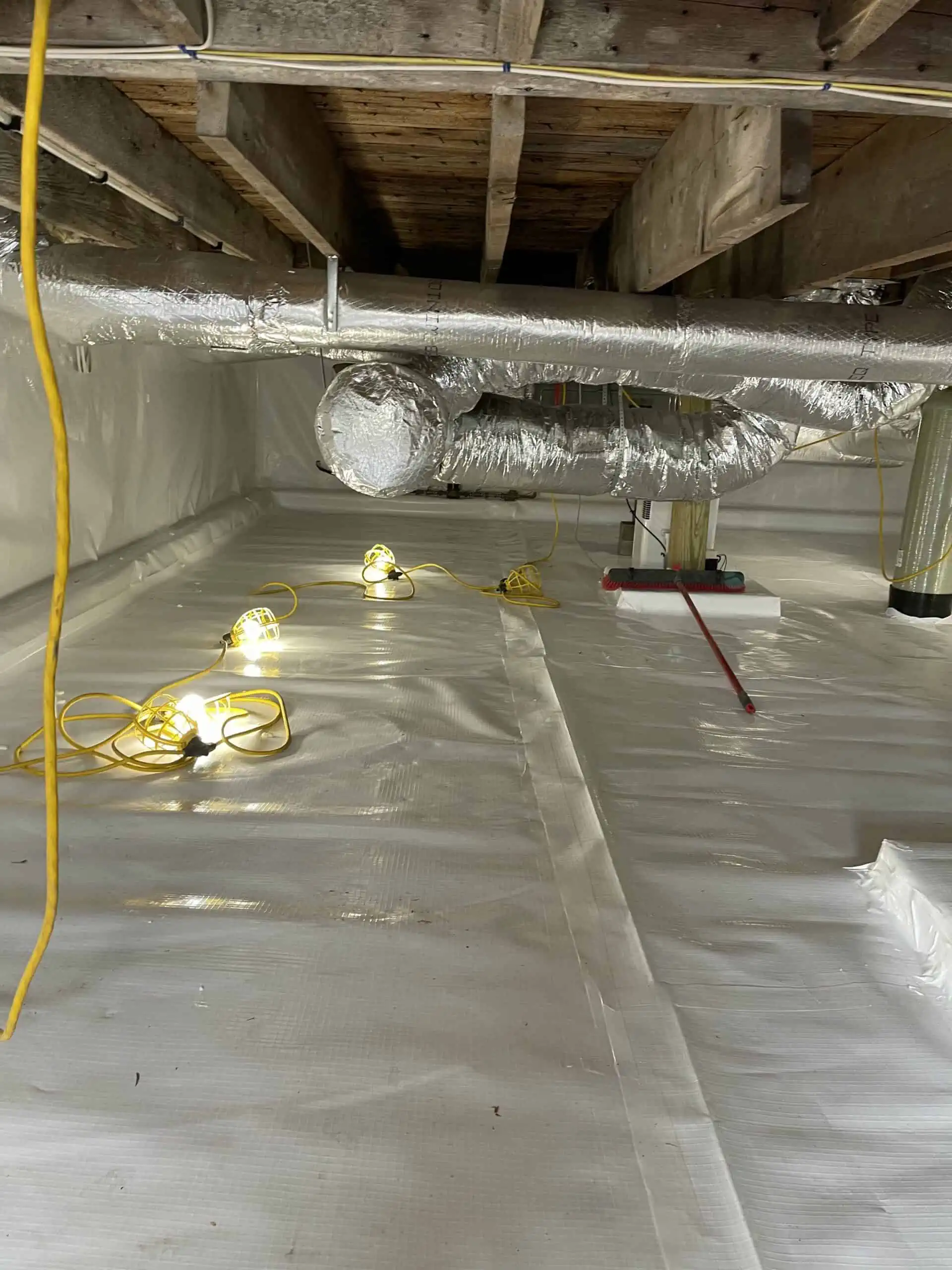
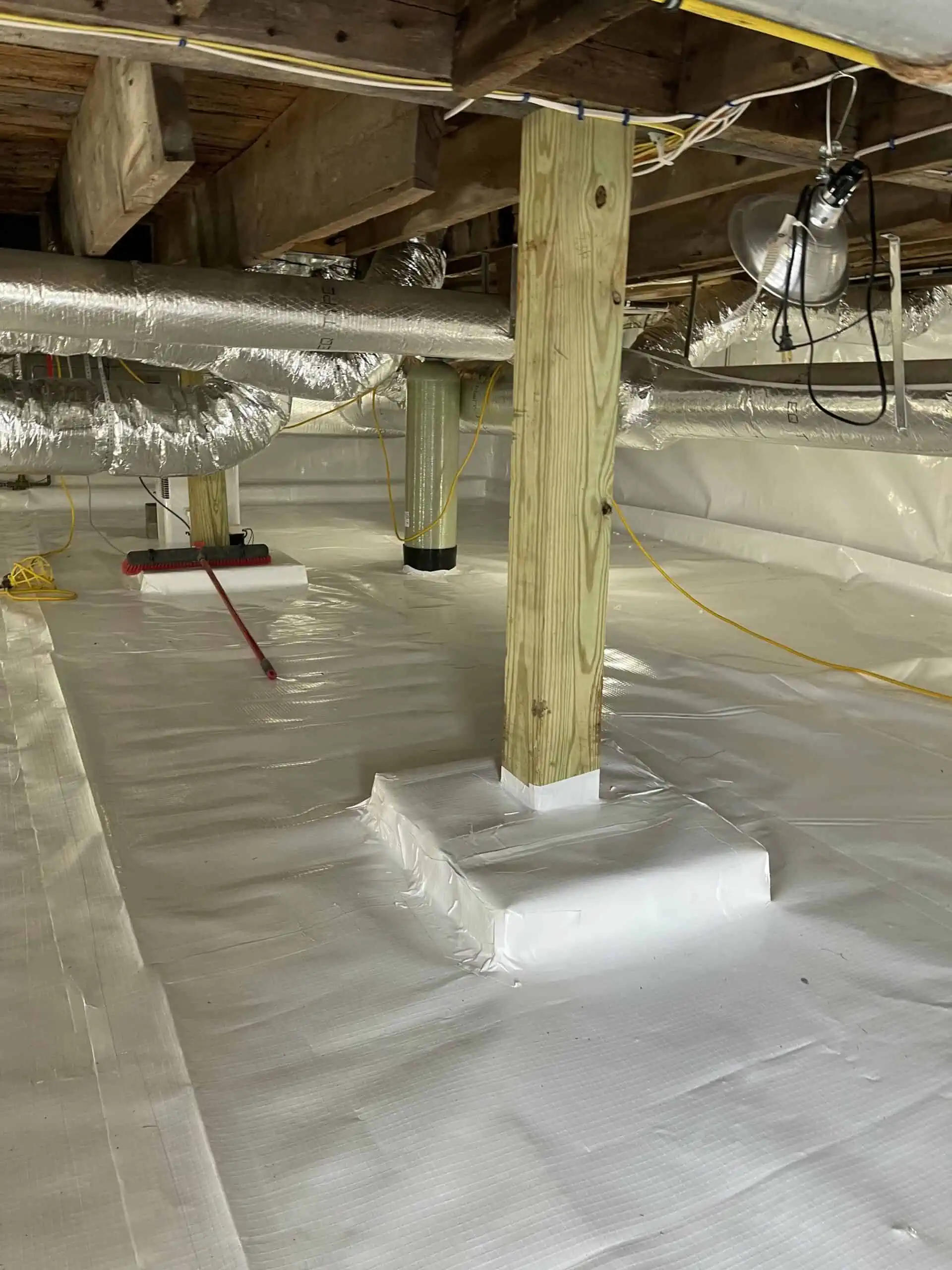
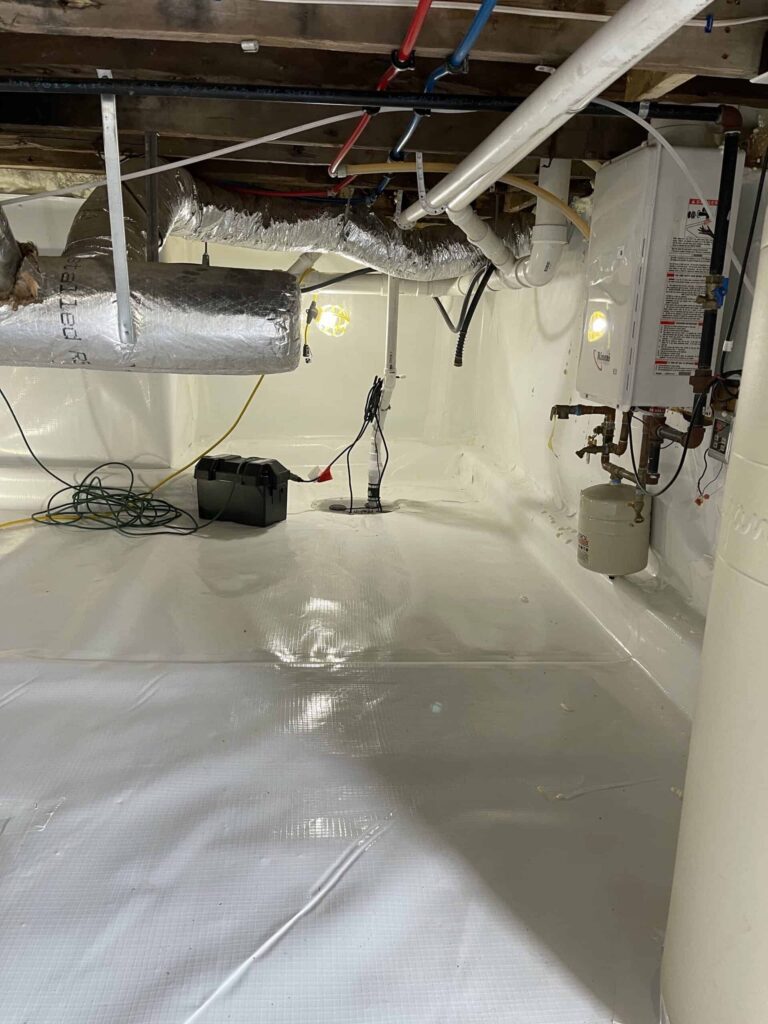
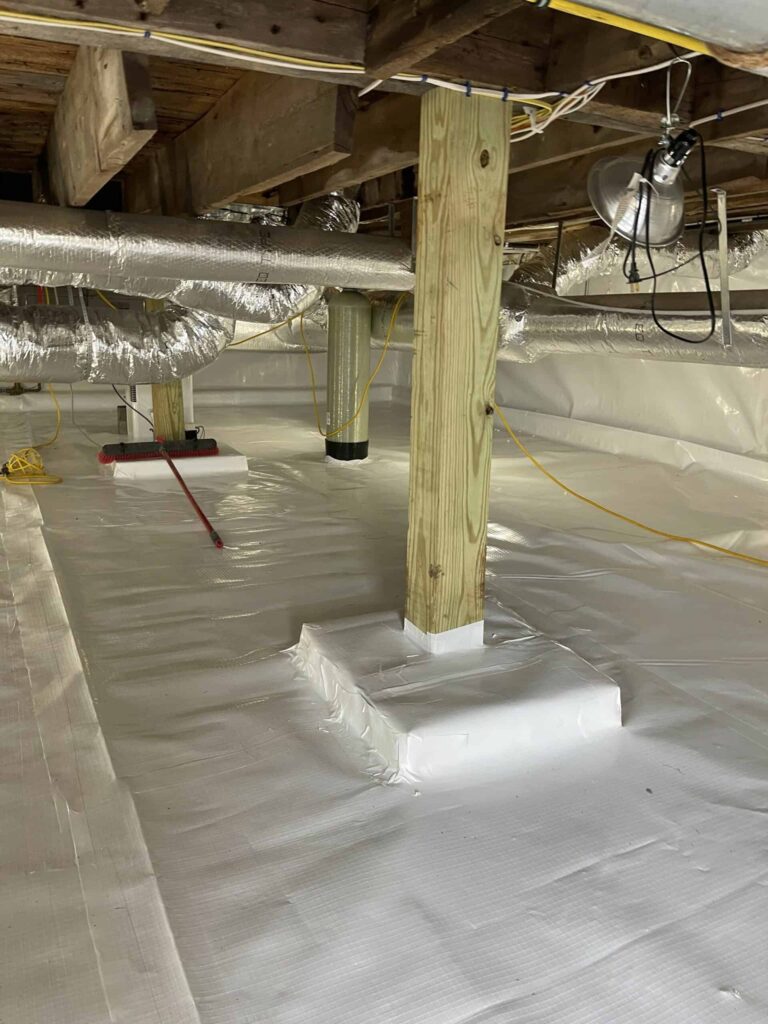
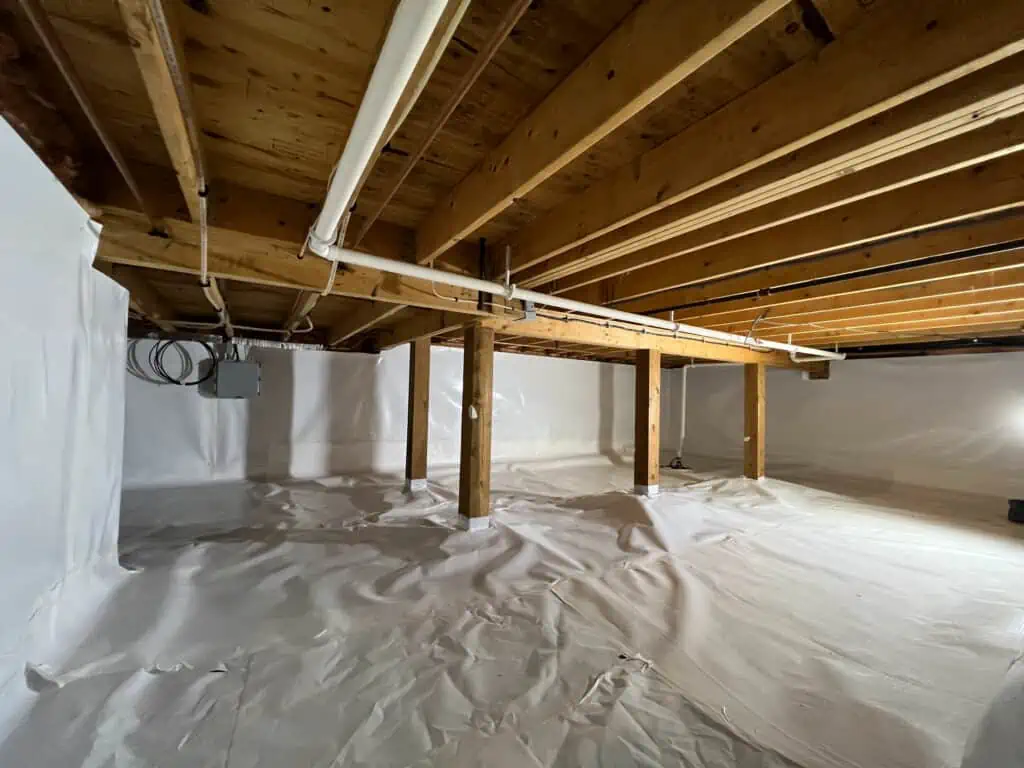
From our initial meeting with Rich to project close out with Nik 603Basement did not disappoint! We have a 12-18 inch crawl space under our house. Toni, Erik, Chris and Angel worked tirelessly in that tight space for over a week to clean out old debris, run a sump pump, humidifier, vapor barrier and spray foam to dry out the space and preserve our home. The sump worked overtime to keep our space dry during the torrential Christmas downpour. We cannot say enough about this team's customer service and project commitment! Thanks 603B we will be calling you for future projects and referring friends. — Ian and Shawna Evans
No. Town-level geography does not establish the water conditions at your foundation. Inspect where and when moisture appears, including runoff, plumbing, drainage, and ground vapor.
Find the entry route and assess drainage and any pump before installing a liner. A vapor barrier should not cover an unresolved bulk-water problem.
The first wet point, roof runoff, plumbing, exposed ground, existing drainage, humidity, and wood condition. The written plan should separate source correction, vapor control, and any structural or flood-risk work.