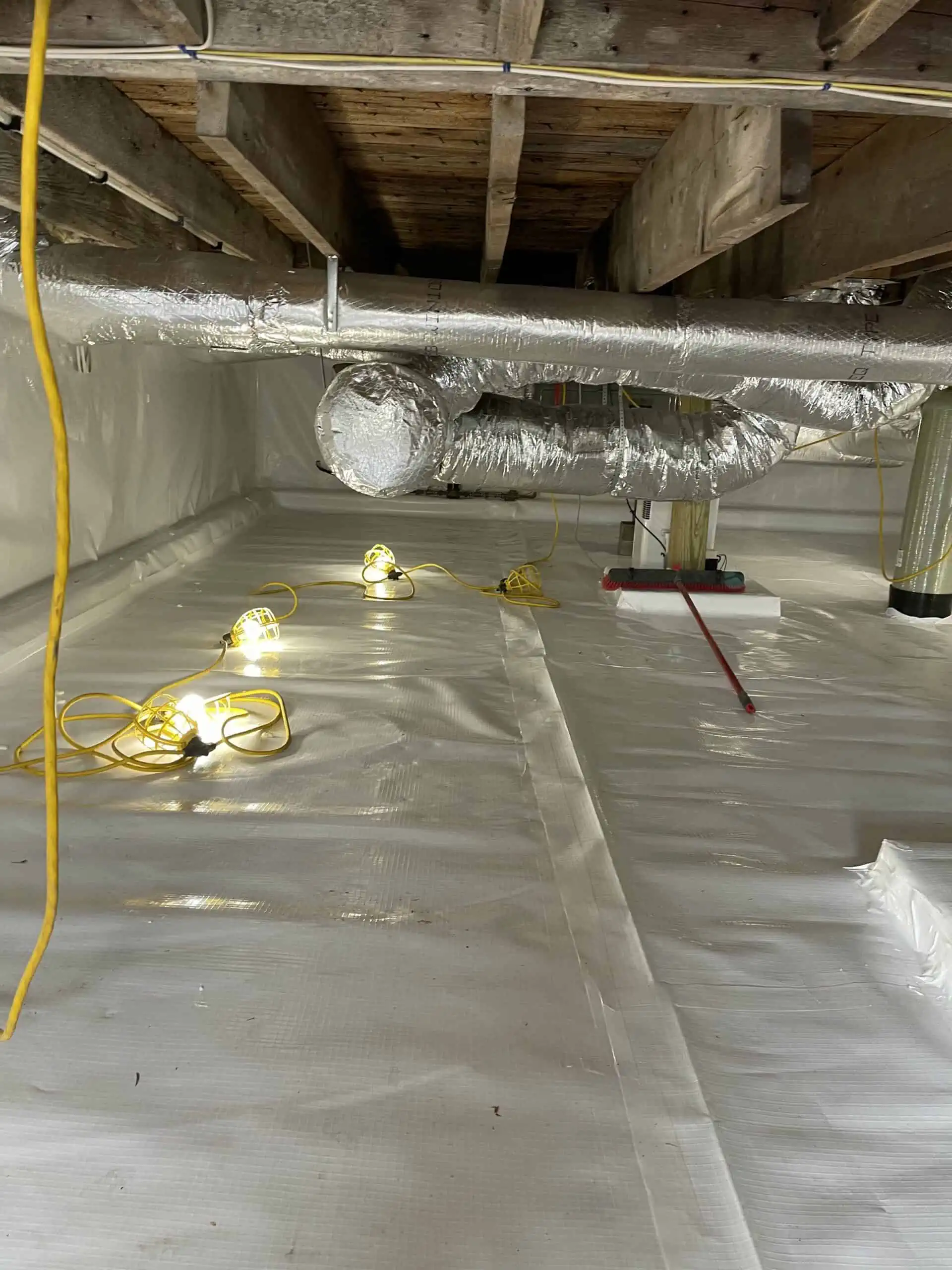
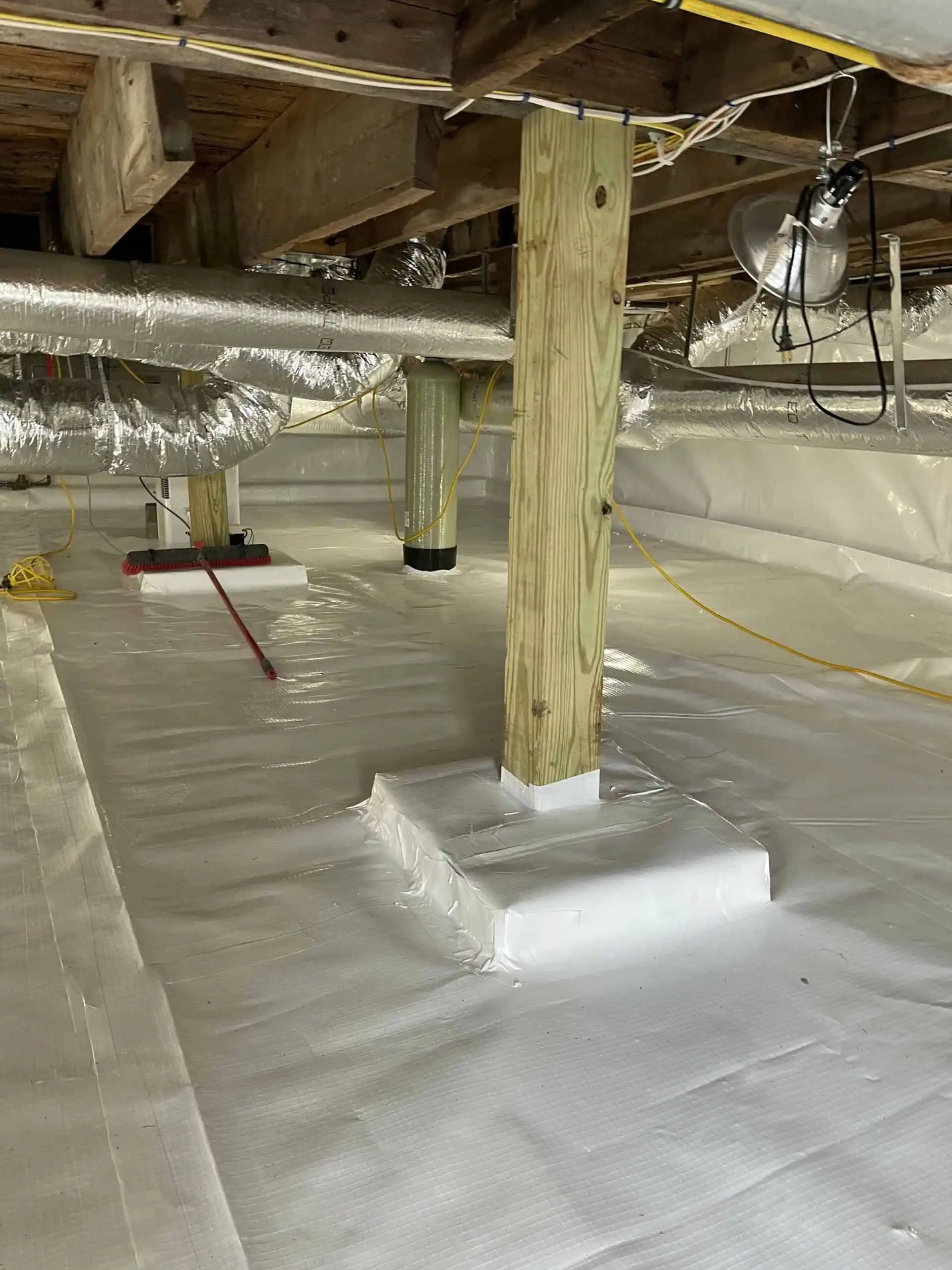
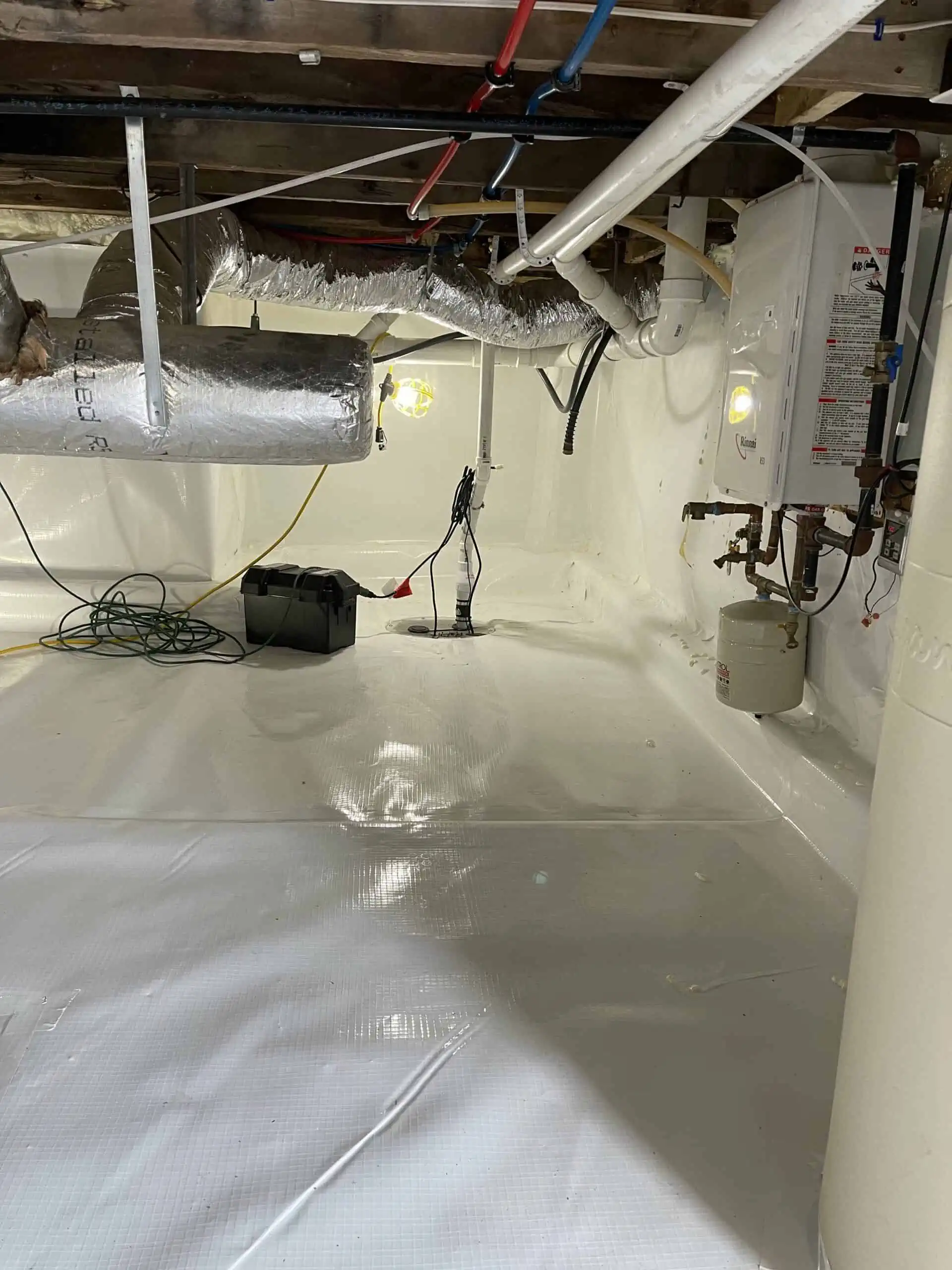
Crawl space encapsulation is a vital home improvement service that addresses moisture and air quality issues often found in homes with crawl spaces. In Dover, Massachusetts, where weather conditions can lead to dampness and humidity, encapsulating your crawl space can significantly improve your home’s energy efficiency, indoor air quality, and structural integrity.
At 603 Basement Solutions, we specialize in providing top-notch crawl space encapsulation services tailored to the unique needs of Dover residents.
Understanding Crawl Space Encapsulation
What Is Crawl Space Encapsulation?
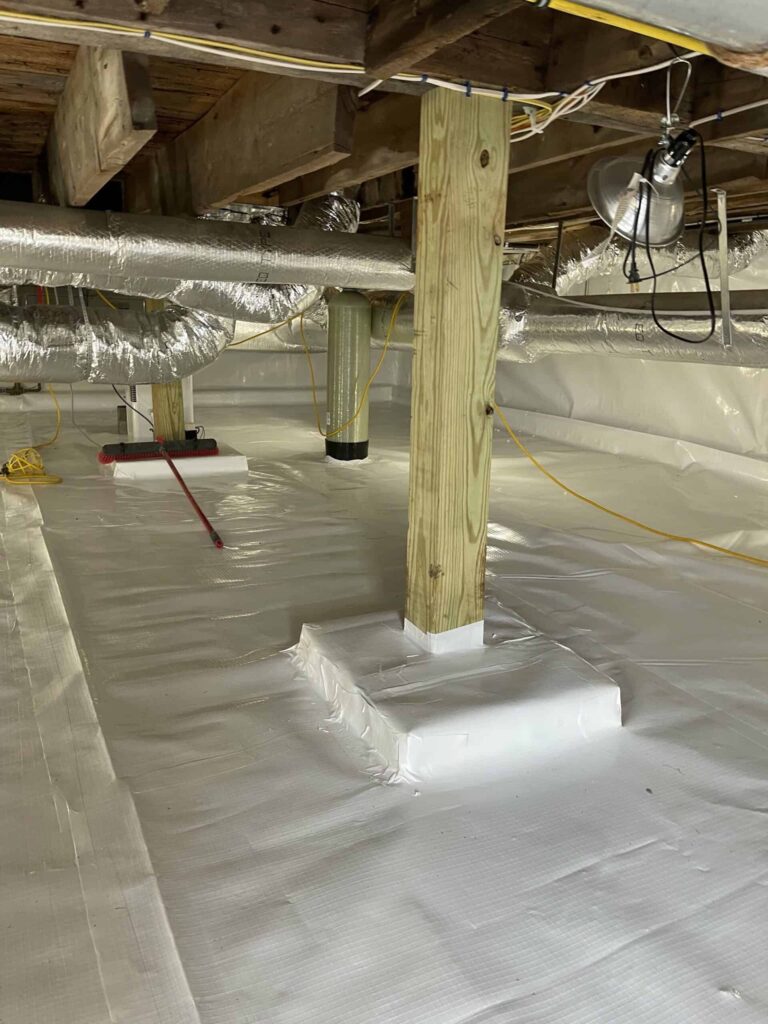
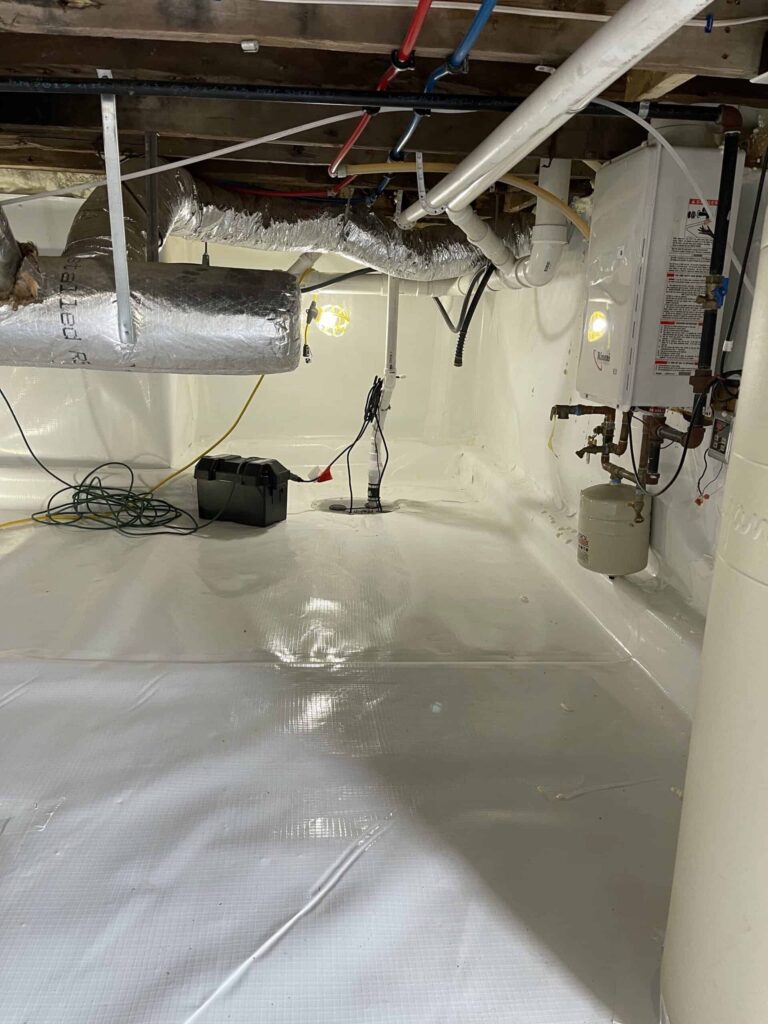
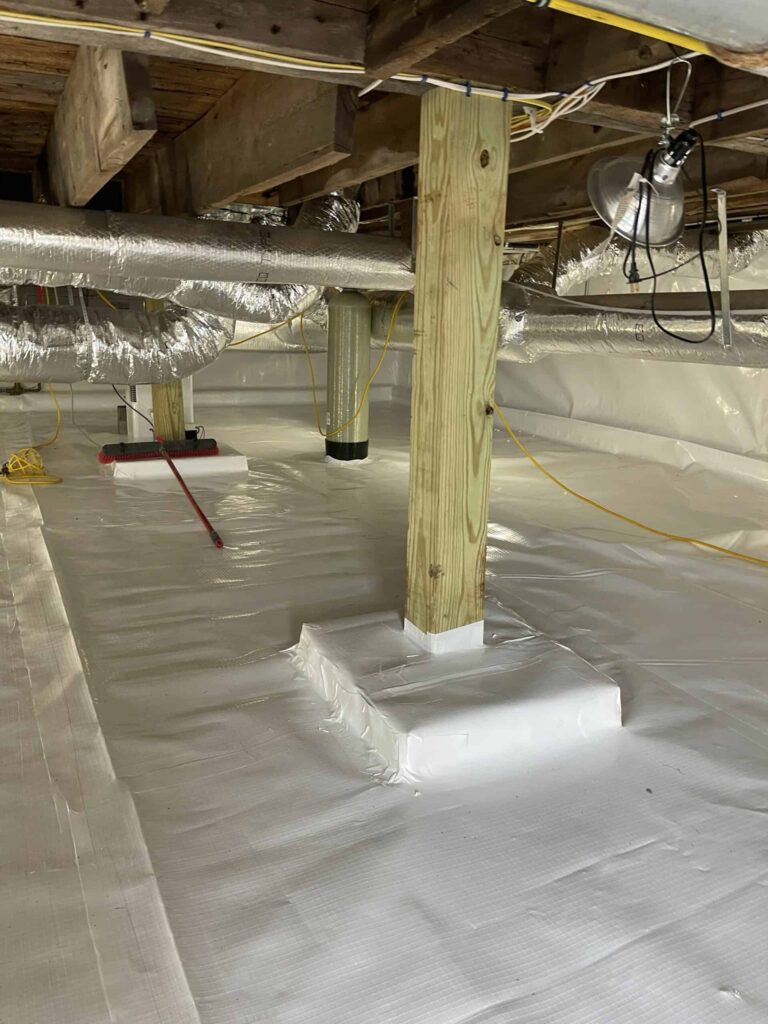
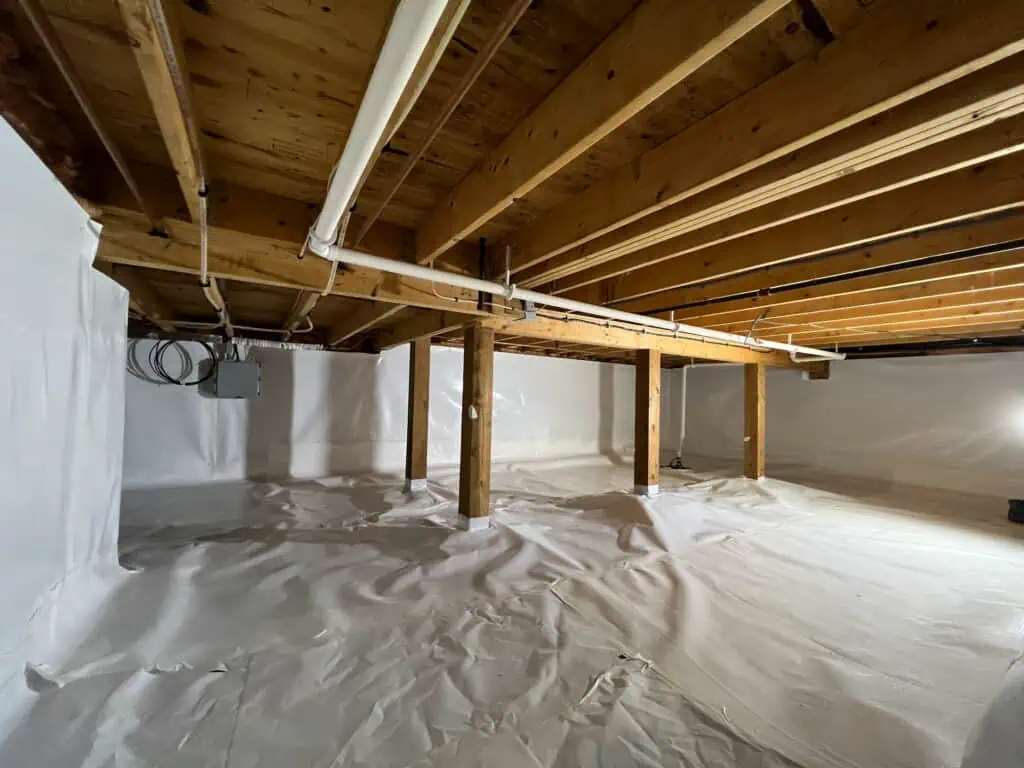
Crawl space encapsulation involves sealing off the crawl space from outside elements by installing a vapor barrier on the floors and walls, adding insulation, and sometimes incorporating a dehumidifier. This process creates a controlled environment, protecting your home from moisture, mold, pests, and potential structural damage.
Benefits of Crawl Space Encapsulation
Encapsulation offers numerous benefits, including:
- Moisture Control: Prevents the buildup of moisture, reducing the risk of mold and mildew growth. By keeping the space dry, it also helps prevent structural damage and enhances the longevity of your home’s foundation.
- Improved Air Quality: Helps to keep allergens and pollutants out of your living spaces. This creates a healthier environment, particularly beneficial for individuals with allergies or respiratory conditions.
- Energy Efficiency: Reduces heating and cooling costs by minimizing drafts and improving insulation. It also contributes to a more consistent indoor temperature, enhancing comfort throughout the year.
- Structural Integrity: Protects wooden beams and joists from rot and decay caused by moisture. This not only maintains the structural safety of your home but also helps avoid expensive repairs in the future.
Why Choose Crawl Space Encapsulation for Your Dover Home?
Common Crawl Space Issues in Dover, MA
Homes in Dover often face specific crawl space challenges due to the region’s climate. High humidity levels, frequent rain, and temperature fluctuations can lead to dampness in crawl spaces. Over time, this can cause problems like mold growth, wood rot, and increased energy costs due to poor insulation.
Local Expertise and Experience
Choosing a local company like 603 Basement Solutions ensures you get experts who understand the unique challenges of Dover’s climate. Our team has extensive experience addressing moisture problems and providing effective encapsulation solutions tailored to local conditions.
Our Crawl Space Encapsulation Process
Inspection and Assessment
Our process begins with a thorough inspection of your crawl space. We assess the current condition, identify any existing issues such as water damage, mold, or pests, and determine the best approach for encapsulation.
Preparation and Cleaning
Before encapsulation, the crawl space must be cleaned and prepared. This involves removing any debris, old insulation, or existing mold. Proper cleaning ensures a solid foundation for the vapor barrier and other materials.
Installation of Vapor Barrier and Insulation
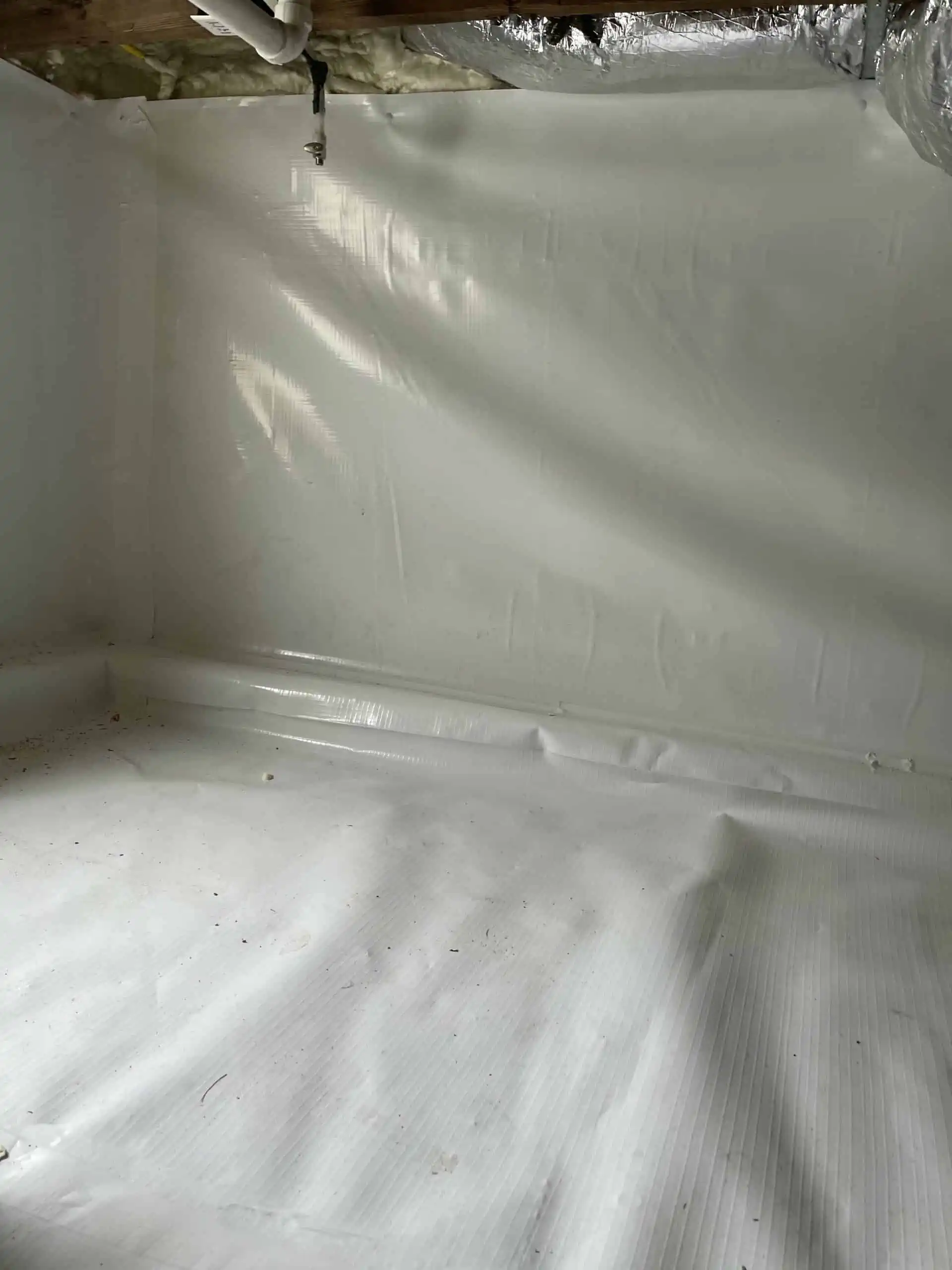
We install a high-quality vapor barrier on the floors and walls of the crawl space. This barrier prevents moisture from seeping into your home. We also add insulation to enhance energy efficiency and keep your home comfortable year-round.
Sealing and Moisture Control
Finally, we seal any gaps or vents that might allow outside air or moisture to enter the crawl space. This step is crucial in maintaining a dry and controlled environment. Depending on the situation, we may also install a dehumidifier to further control humidity levels.
Materials and Technology We Use
High-Quality Vapor Barriers
At 603 Basement Solutions, we use only the highest quality vapor barriers made from durable, long-lasting materials. These barriers are designed to withstand the harsh conditions of a crawl space and provide a long-term solution to moisture problems.
Advanced Dehumidification Systems
Our advanced dehumidification systems are specifically designed for crawl spaces. These systems help maintain a consistent humidity level, preventing mold growth and improving overall air quality in your home.
Cost-Effective Solutions for Dover Residents
Affordable Pricing Models
We understand that every home and budget is different. That’s why we offer flexible pricing models to suit the needs of Dover residents. Our transparent pricing ensures you know exactly what to expect, with no hidden fees or surprise costs.
Long-Term Savings
Investing in crawl space encapsulation can lead to significant long-term savings. By reducing energy costs and preventing costly repairs related to moisture damage, homeowners can see a return on their investment within a few years.
Signs You Need Crawl Space Encapsulation
Visible Mold and Mildew
If you notice mold or mildew in your crawl space, it’s a clear sign that moisture is an issue. Encapsulation can prevent this by sealing out moisture and maintaining a dry environment.
Musty Odors in the Home
A musty smell in your home often indicates dampness or mold in the crawl space. Encapsulation eliminates these odors by keeping the space dry.
Increased Energy Bills
Higher-than-normal energy bills could be a result of air leaks in your crawl space. Encapsulation improves insulation, reducing energy usage and costs.
Pests and Insects
Crawl spaces that are not properly sealed can become a breeding ground for pests. Encapsulation keeps out unwanted critters by sealing off entry points.
The Importance of Professional Installation
Risks of DIY Encapsulation
While DIY encapsulation might seem like a cost-saving option, it often leads to incomplete or ineffective results. Without professional expertise, you risk improper installation, which can lead to ongoing moisture problems and costly repairs down the line.
Expertise of 603 Basement Solutions
Our team at 603 Basement Solutions has the knowledge and experience necessary to complete the job correctly the first time. We use industry-leading materials and techniques to ensure your crawl space is properly encapsulated and protected against future issues.
Our Commitment to Quality and Customer Satisfaction
Warranty and Guarantees
We stand behind our work with comprehensive warranties and guarantees. Our commitment to quality means you can trust that your crawl space encapsulation will last for years to come, providing peace of mind and a healthier home environment.
Customer-Centric Approach
At 603 Basement Solutions, customer satisfaction is our top priority. We work closely with you throughout the process, keeping you informed and ensuring that all your needs are met.
Contact Us
Ready to improve your home’s air quality and energy efficiency? Contact 603 Basement Solutions today to schedule a free inspection. Our team is here to help you every step of the way, ensuring a dry, healthy, and safe crawl space for your home.