
603 Basement Solutions logo

Crawl Space Encapsulation Hampton Falls NH

Premium Crawl Space Encapsulation Services

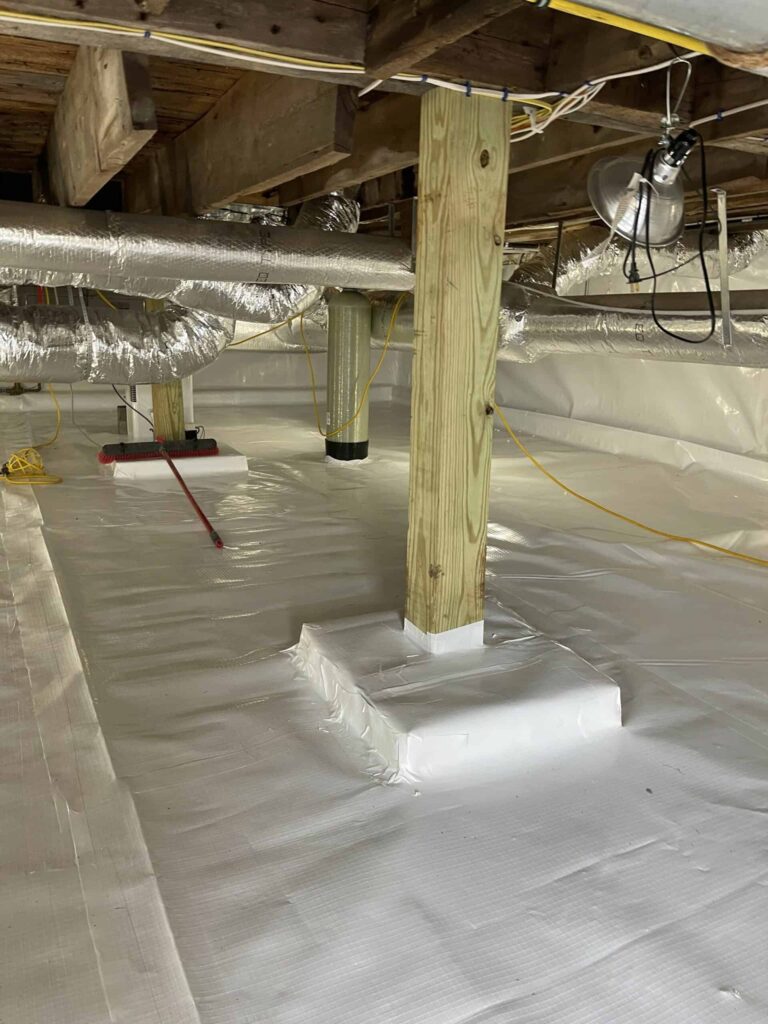
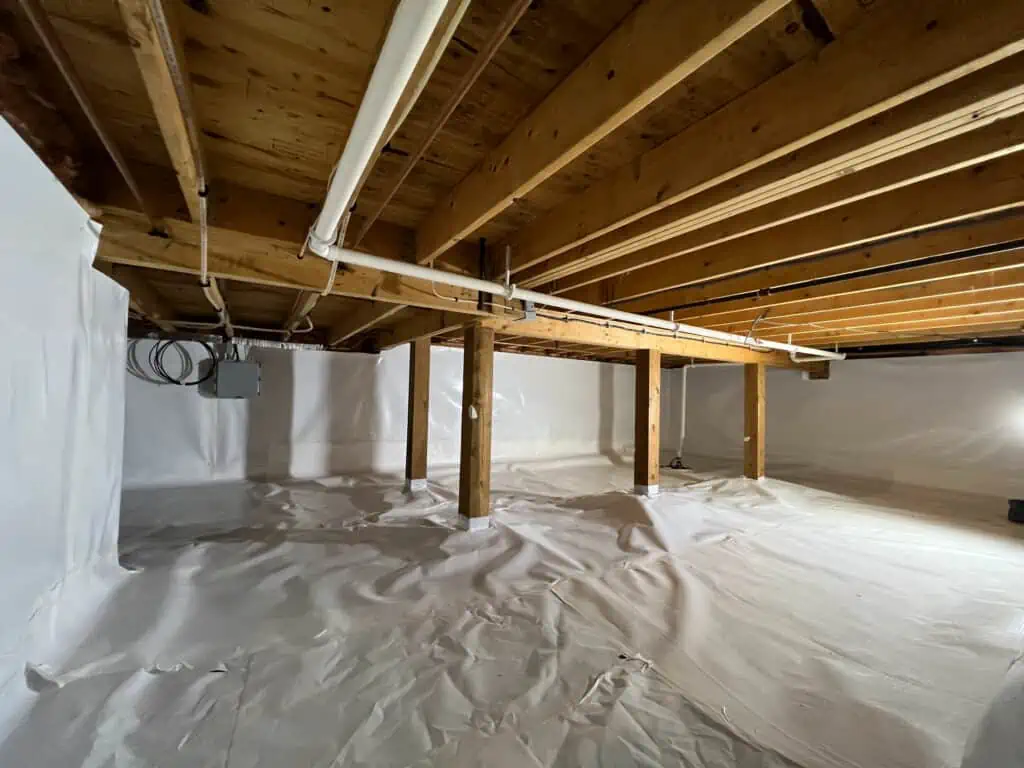
A damp crawl space can have more than one cause: water entering after rain, ground vapor, a plumbing leak, or air reaching cool surfaces. We inspect the space before recommending a system. Encapsulation may help control ground vapor and the crawl-space environment, but it cannot repair a leaking pipe, a damaged beam, or an exterior drainage problem by itself.

603 can assess vapor barriers, drainage, sump equipment, and dehumidification for a defined crawl-space scope. The written proposal should identify the source of moisture, any work needed first, the equipment and maintenance involved, and the applicable written warranty terms. We do not promise that a liner alone eliminates mold, pests, flooding, or every future moisture issue.

Real People - Real Great Results

Crawl Space Video Playlist

4 Videos

What is CrawlSpace repair?

The crawl space is one of the most hidden parts of our homes. It’s a place that we don’t usually see and often forget to clean or check. But it is an essential part of our home because it provides space for HVAC, plumbing, and electrical. Most importantly, it keeps the wooden aspects of your foundation from resting in dirt/water from the elements.

Your crawl space can be a great place to store your holiday decorations or pack away winter clothes. These are some of the benefits for homeowners who have hired 603 Basement Solutions to encapsulate their crawl space.

As with any other part of your house, when you find issues in your crawl space, it’s time for repair. If you don’t take care of these problems promptly, you may be facing more serious consequences later on down the line.

603 Basement Solutions

Causes of Crawl Space damage

There are many reasons why your crawl space may end up flooded with water. A few common causes include sitting water damage in your crawl space, sloped floor crawl space damage, and mold or mildew crawl space damage.

Moisture is the most common cause of crawl space damage. When moisture accumulates in the crawl space, it can cause the floor joists to rot, wooden beams to warp, and drywall or plaster to crack. Eventually, the wood can rot and give way, which poses a safety hazard for those living above it.

There are 3 main causes of moisture build-up in your Crawl Space:

  1. When a house is built on a wet site (i.e. where water pools).
  2. When natural ground slopes towards the house and lets water seep through its foundation.
  3. When there is not enough air circulation in the crawl space.

Humidity is a major cause of crawl space damage. When the relative humidity in a house rises to a certain level, it can begin to damage the structure’s foundation, which includes the insulation floor joists and vents that are located under the house.

Dry rot is another common cause of crawl space damage. This occurs when there is too little moisture in the environment for wood to remain healthy and keep its shape.

Termites are yet another reason for crawl space damage, as they can quickly eat away at wood from under your home.

Water intrusion is also an issue that can be attributed to damage in your crawl space. Tightening up the perimeter drainage systems below the home and keeping gutters clean will help remedy this potential problem.

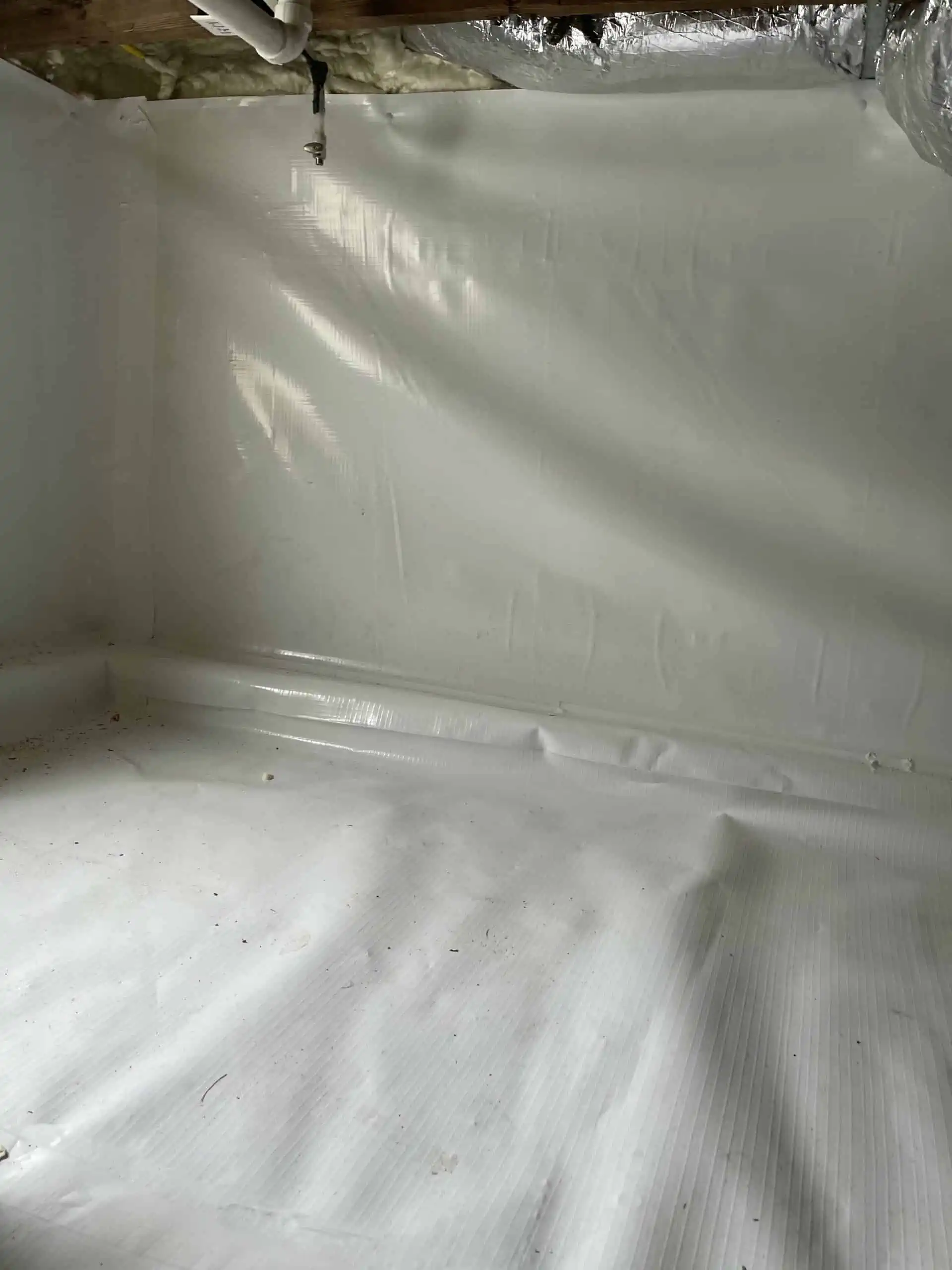
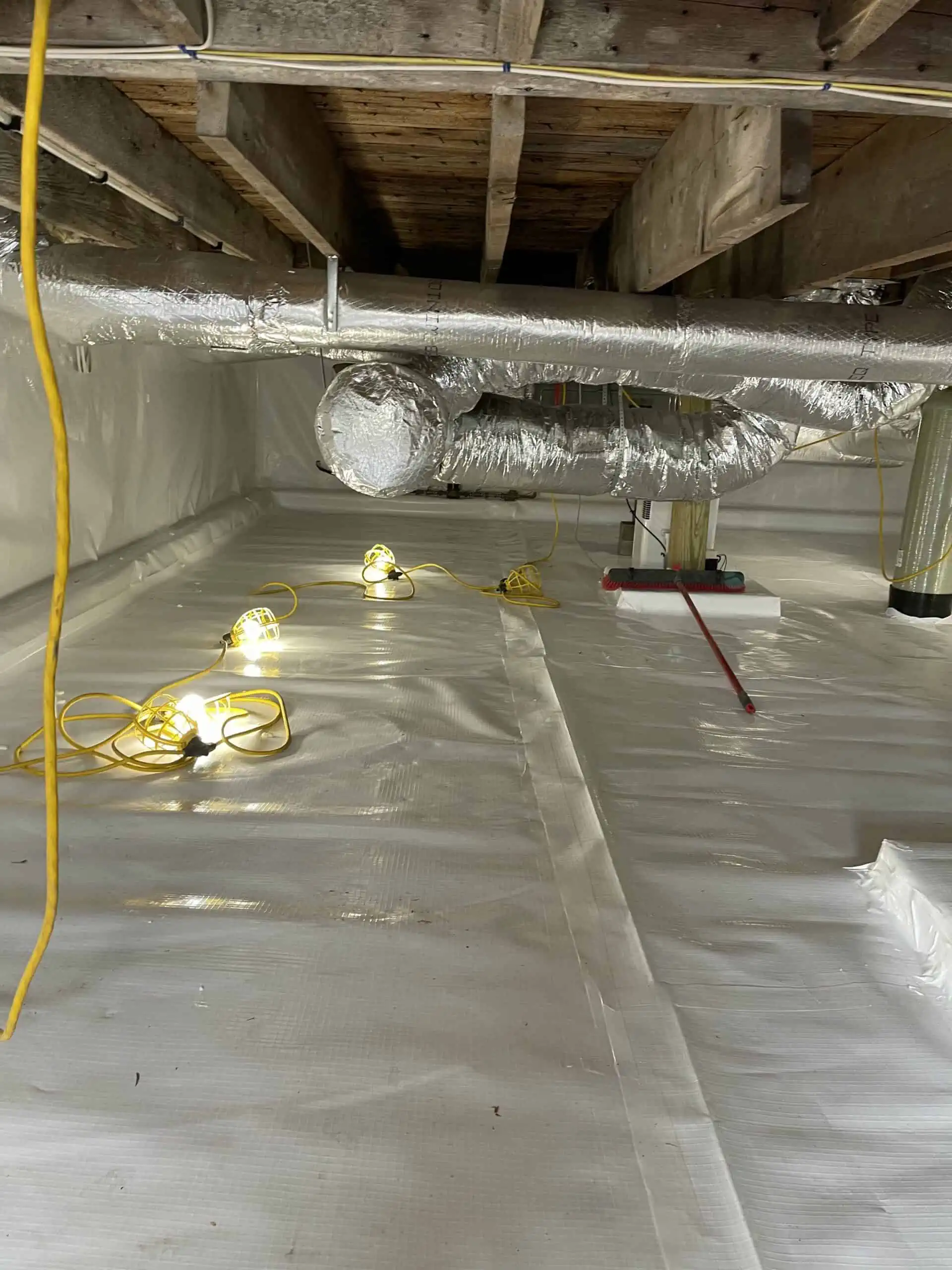
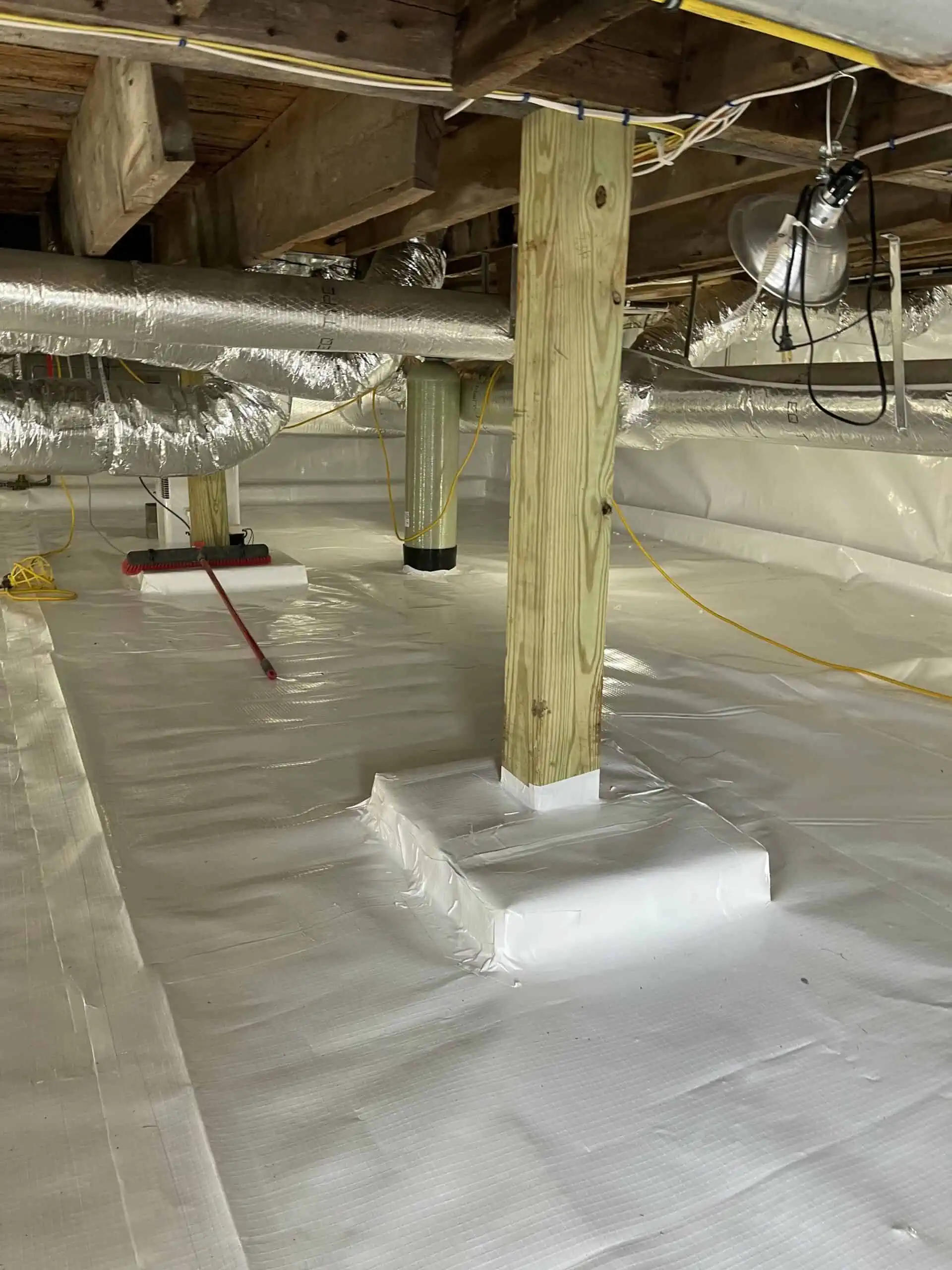
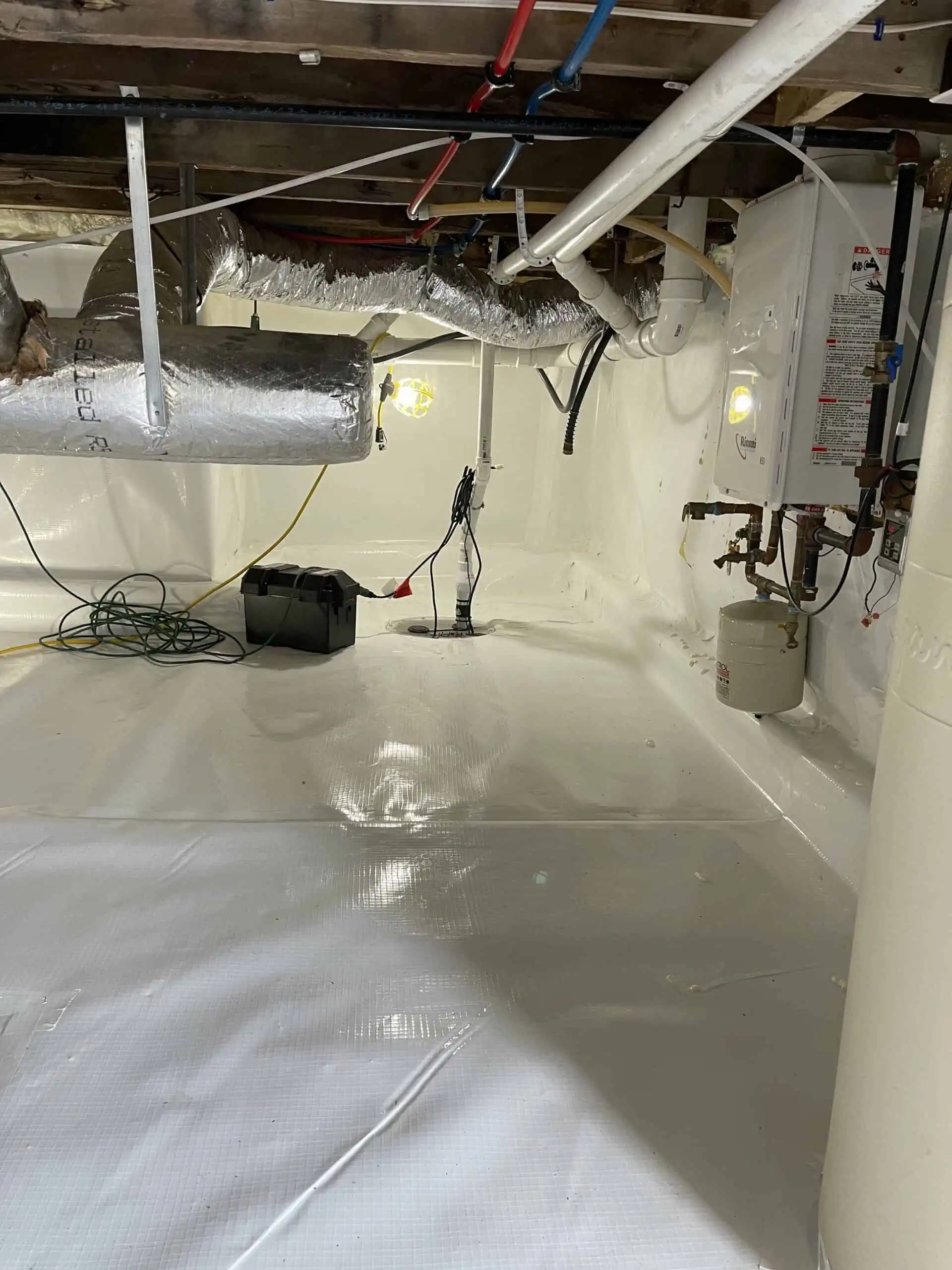
Crawl space encapsulation by 603 Basement Solutions in New Hampshire

Hiring professionals for CrawlSpace repair is the best thing you could ever do for your home.

As qualified professionals, we expertly complete repairs to your home’s crawl spaces. Our work is backed by our extensive training and experience necessary to do a proper job in a timely manner that ensures quality workmanship. In turn, you’ll save yourself from having to face costly repairs as time goes on.

A crawl space is an enclosed area beneath a building that is not intended for human entry. These crawl spaces are typically unventilated and lack sufficient insulation, making it difficult to regulate temperature or maintain the right humidity levels. The result can cause a variety of problems including mold growth, pest infestation (such as termites), and rot.

Crawl spaces are often dark, dirty, damp, and filled with mold. The floors are often slippery and uneven. This makes it important to hire an expert who knows what they’re doing.

For example, a professional can identify the major sources of moisture or dampness in a crawl space before fixing them for you – without costing you an arm and a leg in repairs! A professional will have the expertise and the resources needed to assess the situation and take appropriate action to prevent or remove any potential health hazards from your crawl spaces.

As a professional crawl space repair company, we offer services that are both affordable and effective. We are experts in the field, guaranteeing that we will be able to do a quick and efficient job of improving and repairing the crawl space areas in your home.

Learn more about how to maintain your crawl space by reading our blog post here.

Crawl space encapsulation by 603 Basement Solutions in New Hampshire

Hampton Falls crawl space: choose the work by the water source

A low crawl space that becomes wet during a storm is not automatically a vapor-barrier job. Trace whether water crosses the foundation, arrives from a downspout, or appears at a plumbing line. Photograph the first wet point rather than assuming every home near the coast has the same groundwater condition.

For local context, see the Hampton Falls master plan. The town’s master plan is useful background for land and water conditions, but it cannot tell you the water level under a particular house. A crawl-space inspection must start at the actual foundation, surface drainage, and any existing sump.

What an inspection should separate

If water flows in after heavy rain, correct the entry and collection path before closing the crawl space. If the floor remains damp in otherwise dry weather, ground vapor and air movement may be part of the problem. Sagging joists or soft wood need a separate structural evaluation.

The EPA advises correcting the source of moisture. A wet crawl space can involve roof water, plumbing, groundwater, exposed soil, and air movement. Do not treat all of them as a single defect. Document the timing, photograph the first wet area, and look for wood damage before it is covered.

What encapsulation can and cannot do

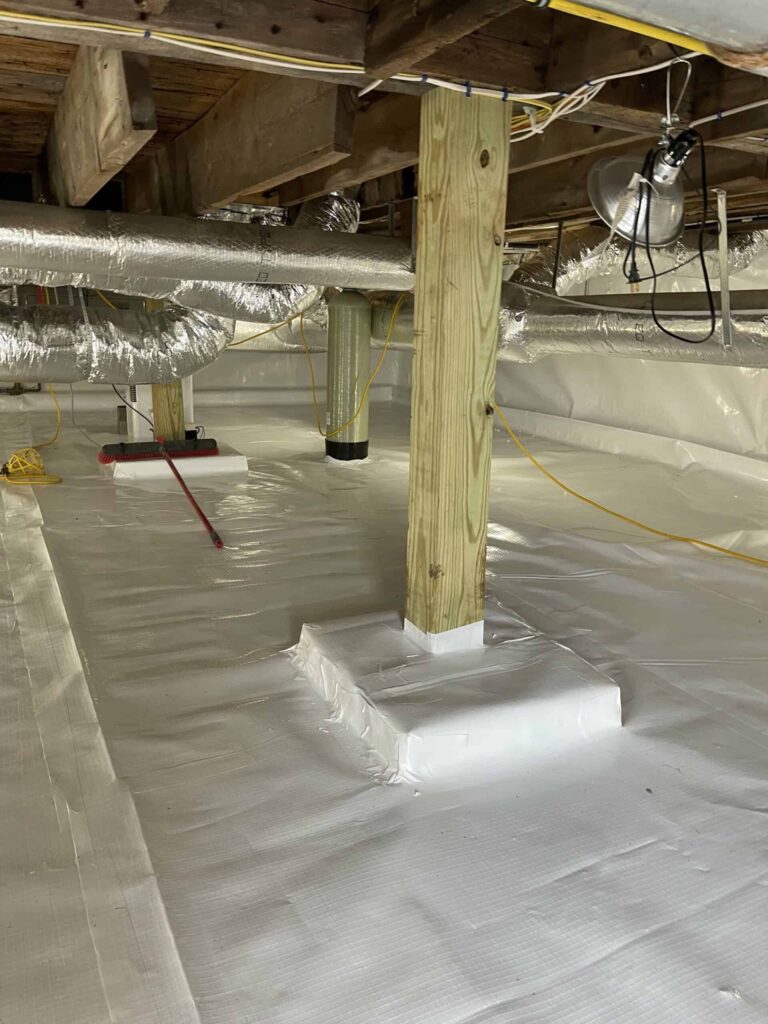
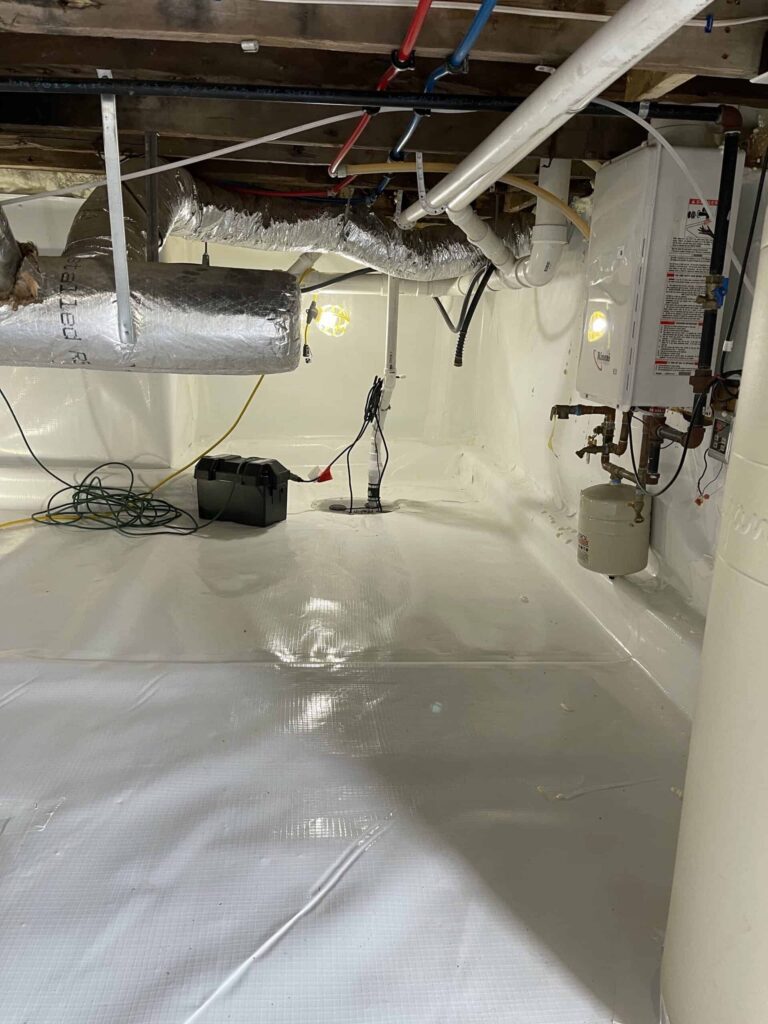
603’s crawl-space service can include a fitted vapor barrier, drainage or a sump where bulk water calls for it, and dehumidification where the space needs conditioning. The assembly and discharge route depend on the inspection. The U.S. Department of Energy crawl-space guide treats water management, air sealing, insulation, and conditioning as coordinated decisions, not a stand-alone sheet of plastic.

A barrier reduces vapor movement from exposed earth when detailed and maintained correctly. It does not repair a pipe, reverse wood decay, prevent every pest, or make a flood-exposed home floodproof. Ask for the current written system and warranty terms rather than assuming a lifetime result.

When a smaller or different job comes first

Do not buy a liner as a substitute for stormwater control. If floodwater can reach the building above the crawl-space wall, an encapsulation proposal is not a floodproofing plan.

Have the contractor identify any plumbing, drainage, or structural work outside the encapsulation quote. If no continuing moisture source remains after a focused repair, monitor the space before committing to a larger system. If water or damage is active, get a written plan that sequences source correction before the barrier closes off access.

Questions to take to the inspection

  • Where did water first enter, and what evidence supports that diagnosis?
  • Which part of the proposed work handles liquid water, and which handles vapor or humidity?
  • Where will a sump discharge, and what maintenance will the system need?
  • Are wood repairs, pest work, radon testing, or flood-risk work separate from this quote?

Ask 603 for an inspection and a defined written scope in Hampton Falls. Photographs from another job are examples of methods, not proof of work at your address.

Testimonials

Reviews from Happy Customers

Our top priority is customer satisfaction, and we work closely with clients to understand their unique needs and goals.

Hampton Falls: what the crawl-space inspection must decide

A low crawl space that becomes wet during a storm is not automatically a vapor-barrier job. Trace whether water crosses the foundation, arrives from a downspout, or appears at a plumbing line. Photograph the first wet point rather than assuming every home near the coast has the same groundwater condition.

See Hampton Falls master plan for local context, then inspect this address. If water flows in after heavy rain, correct the entry and collection path before closing the crawl space. If the floor remains damp in otherwise dry weather, ground vapor and air movement may be part of the problem. Sagging joists or soft wood need a separate structural evaluation.

What a recent customer said

603 customer feedback, not presented as a Hampton Falls project. Read the original Google review.

From our initial meeting with Rich to project close out with Nik 603Basement did not disappoint! We have a 12-18 inch crawl space under our house. Toni, Erik, Chris and Angel worked tirelessly in that tight space for over a week to clean out old debris, run a sump pump, humidifier, vapor barrier and spray foam to dry out the space and preserve our home. The sump worked overtime to keep our space dry during the torrential Christmas downpour. We cannot say enough about this team's customer service and project commitment! Thanks 603B we will be calling you for future projects and referring friends. — Ian and Shawna Evans

Frequently asked questions

Does Hampton Falls' coastal setting prove my crawl space has a high water table?

No. Town-level geography does not establish the water conditions at your foundation. Inspect where and when moisture appears, including runoff, plumbing, drainage, and ground vapor.

What if standing water returns after every rain?

Find the entry route and assess drainage and any pump before installing a liner. A vapor barrier should not cover an unresolved bulk-water problem.

What does 603 need to inspect in a Hampton Falls crawl space?

The first wet point, roof runoff, plumbing, exposed ground, existing drainage, humidity, and wood condition. The written plan should separate source correction, vapor control, and any structural or flood-risk work.

Crawl Space Encapsulation in nearby New England towns

Scroll to Top